
 Tiếng Việt

Surgical removal of underarm sweat glands can eliminate 80%–90% of body odor by thoroughly addressing the odor-causing glands located beneath the skin. While achieving 100% total elimination is difficult due to the dense distribution of sweat glands, the remaining glands are so few that they are insufficient to produce the unpleasant odor experienced previously. This article, developed with professional consultation from Dr Xuan Quan Clinic, explains the underlying mechanism, practical effectiveness, and the safest methods for permanently resolving underarm odor.
How the surgical removal of underarm sweat glands works
To understand why this procedure is highly effective, it is essential to grasp how it directly targets the root cause of the odor:
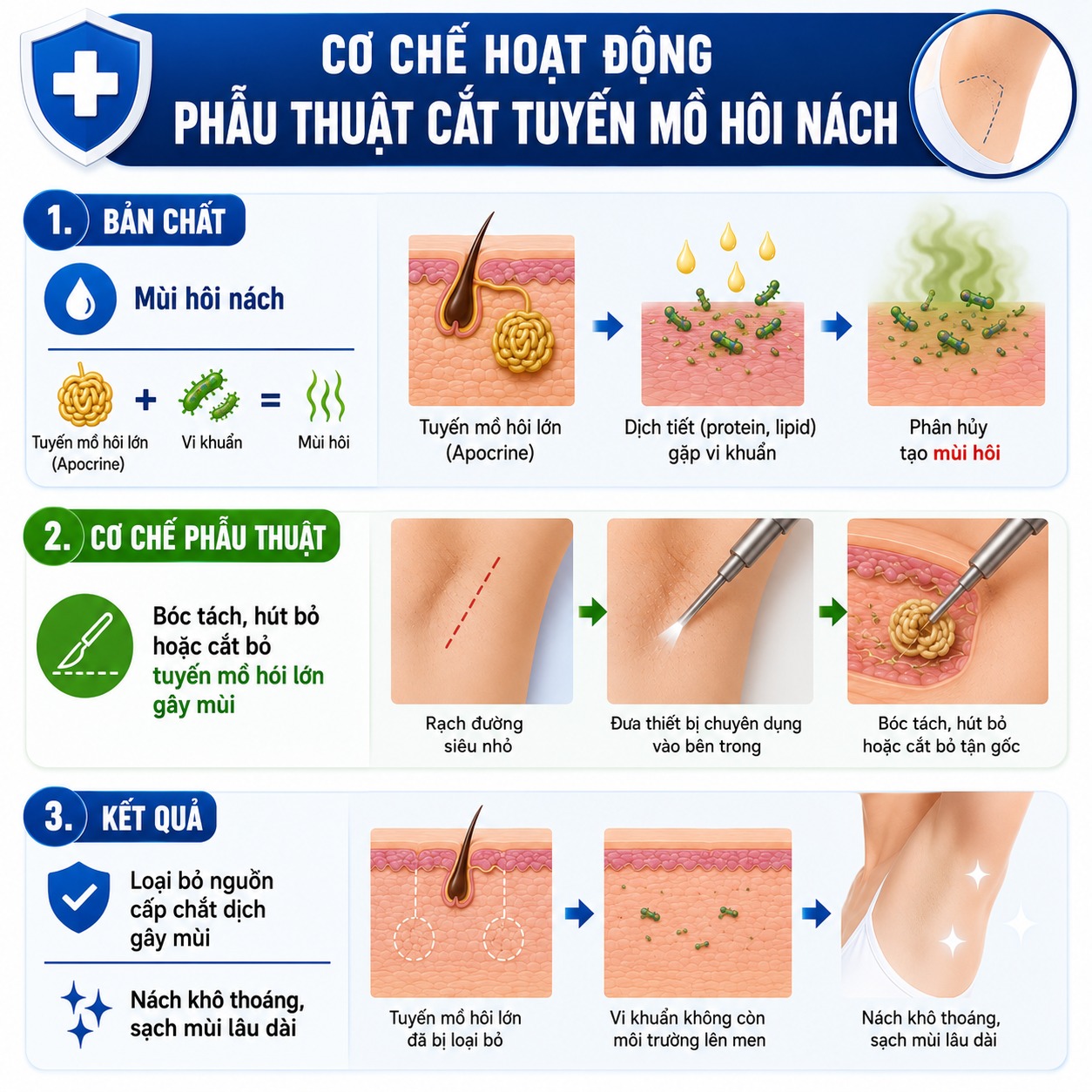
- The nature of underarm odor: Body odor is primarily caused by large sweat glands (apocrine glands) that secrete a thick fluid containing proteins and lipids. When this fluid interacts with bacteria on the skin’s surface, it breaks down, producing a strong, unpleasant smell.
- The surgical mechanism: A surgeon makes a tiny incision in the underarm area to insert specialized instruments. Through this opening, the odor-causing apocrine glands are carefully dissected, suctioned out, or excised at their root.
- The outcome: Once the sources of the odor-causing secretions are removed, bacteria on the skin’s surface no longer have an “environment” in which to ferment. This leaves the underarm area dry, fresh, and free from odor for the long term.
Can underarm sweat gland removal lead to a recurrence?
Biologically, once the large sweat glands (apocrine glands) have been completely removed or extracted, they cannot regenerate. Consequently, the recurrence rate for this procedure is extremely low.
However, in rare instances, some individuals may notice the return of odor after a period of time, due to the following reasons:
- Incomplete removal of sweat glands: If the procedure is performed by an unskilled practitioner or at an unlicensed, substandard facility, the glands may be incorrectly located, resulting in many of them being left behind.
- Compensatory growth: In some individuals – due to unique physiological traits or sudden hormonal shifts – the smaller sweat glands (eccrine glands) in the surrounding area may become more active to compensate, which can lead to the return of a mild odor.
- Poor post-operative hygiene: Failure to keep the underarm area clean during the recovery period can facilitate the accumulation of bacteria, which may be mistaken for a recurrence of the condition.

Key Factors for Effective, Permanent Underarm Odor Treatment
The success of eliminating underarm odor and minimizing the risk of recurrence depends entirely on the following three core factors:
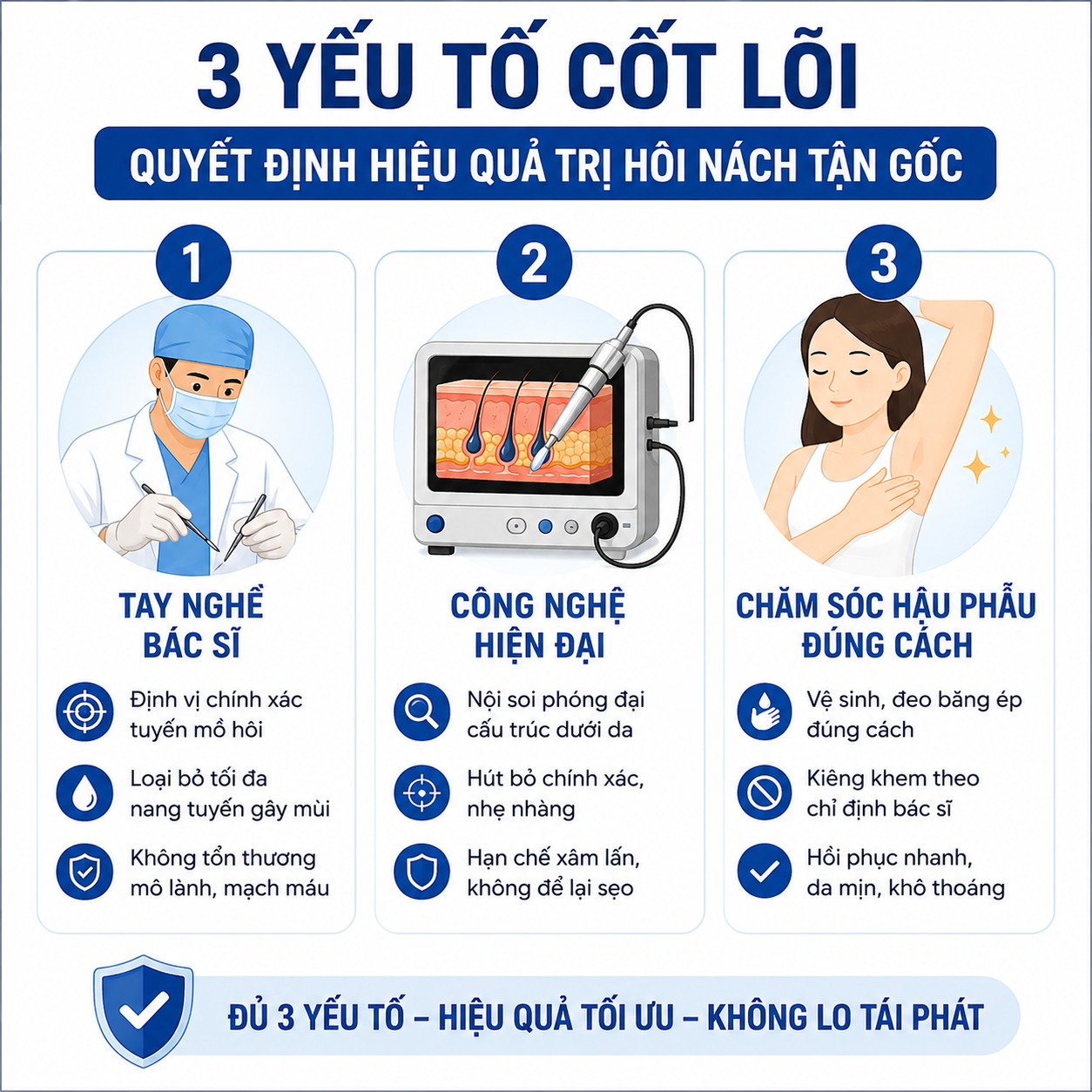
- The physician’s skill and expertise: This is the most critical factor. An experienced physician can accurately map the sweat glands beneath the skin and skillfully excise the odor-causing glands without damaging surrounding healthy tissue or blood vessels.
- The treatment technology employed: Utilizing advanced methods, such as endoscopic techniques, allows for the magnification of subcutaneous structures. This ensures that the removal of sweat glands is precise and gentle, minimizing invasiveness and preventing unsightly surgical scarring.
- Post-operative home care: Your cooperation – following instructions regarding hygiene, proper use of compression bandages, and adherence to any dietary or activity restrictions – will determine the speed of your recovery, ensuring the underarm skin heals smoothly, with reduced pigmentation and a perfectly dry, fresh condition.
Why should you avoid attempting to remove as many sweat glands as possible?
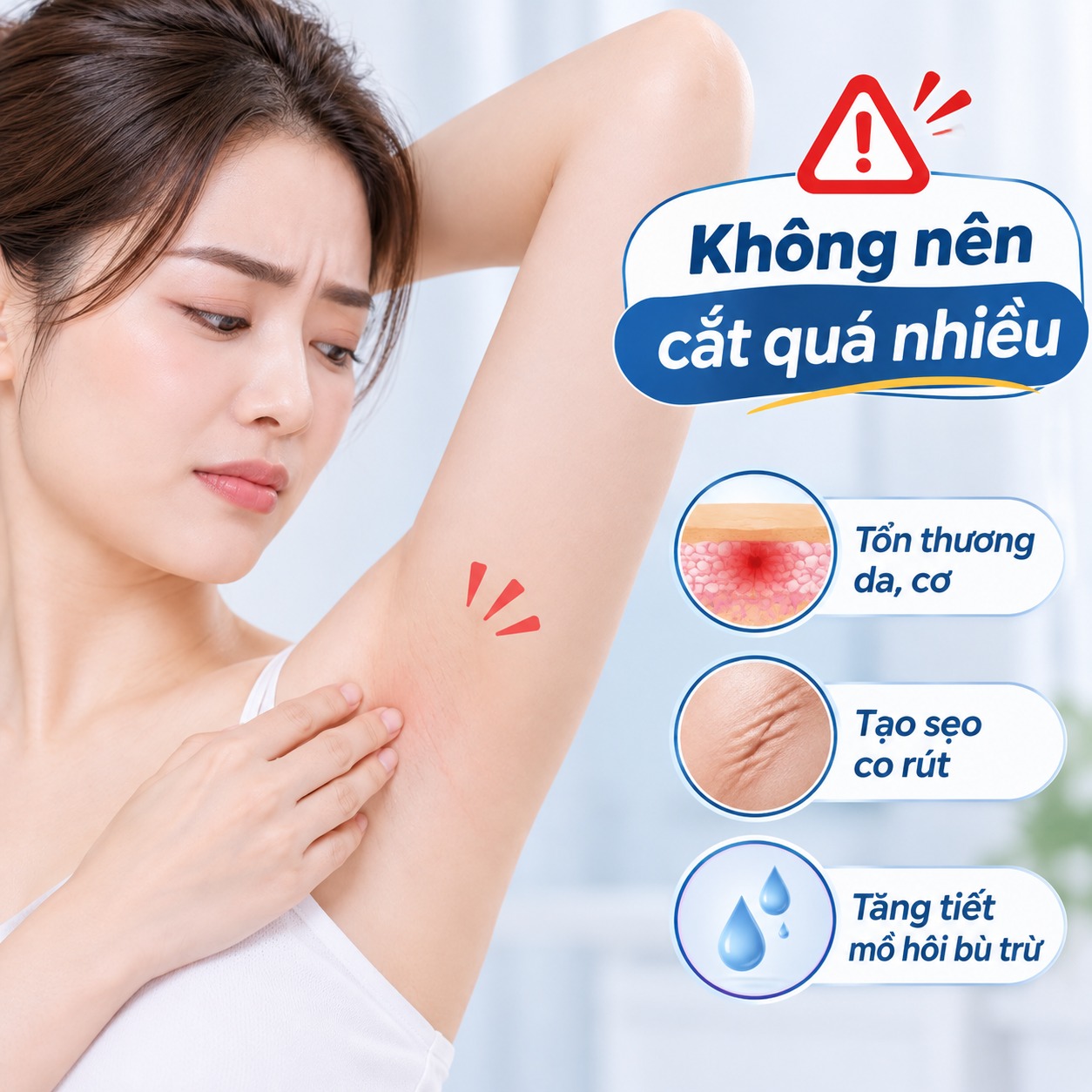
Excessive removal or curettage of sweat glands does not improve results; instead, it carries significant risks:
- Damage to skin and muscle: Overly aggressive intervention can rupture blood vessels, lead to necrosis (tissue death) of the underarm skin, or damage nerves—resulting in numbness or a loss of sensation.
- Formation of contracture scars: Excessive scraping can cause the underarm skin to become stiff, fibrotic, and contracted, making it painful or difficult to raise your arms.
- Compensatory hyperhidrosis: The body may attempt to self-regulate by increasing sweat production in other areas, such as the back, abdomen, or limbs.
Therefore, any removal procedure must be precisely calculated by a medical specialist to ensure the odor is effectively eliminated while preserving the integrity and safety of the skin structure.
Why do thousands of clients choose to treat underarm odor at Dr Xuan Quan Clinic?
Treating underarm odor is not difficult; however, achieving complete odor elimination – without causing contracture scarring or compensatory hyperhidrosis (excessive sweating elsewhere) – requires an exceptionally high level of skill from the physician.
| Criteria | Regular Clinics | Dr Xuan Quan Clinic |
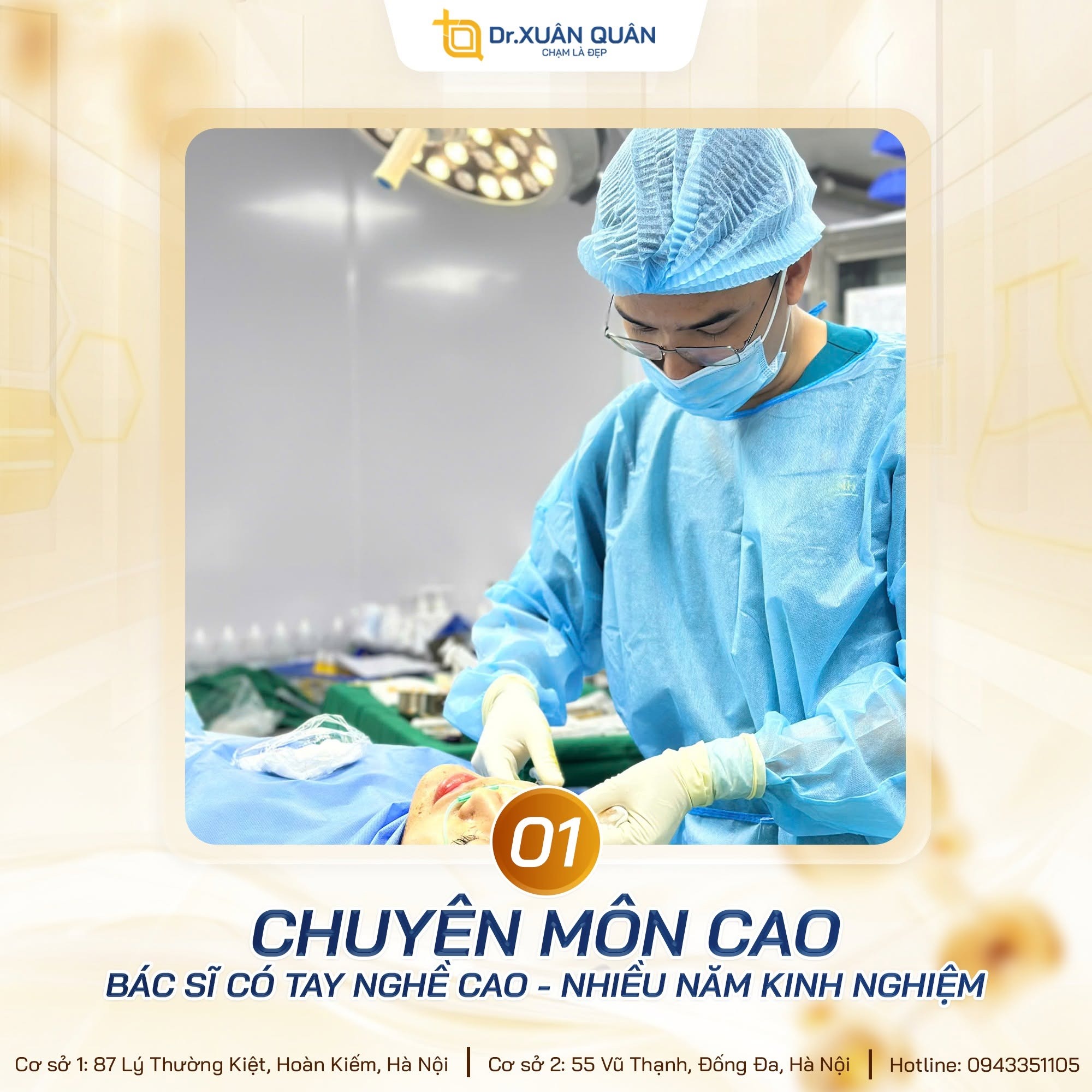
| Medical Professional | Procedures performed by technicians based on routine practices | Dr. Xuan Quan (Hanoi Medical University) personally examines, measures, and precisely marks the treatment area |
| Surgical Technique | Aggressive scraping and suctioning, potentially causing skin damage and hard scar tissue | Precise microsurgical dissection with tiny incisions discreetly hidden along the underarm folds |
| Experience & Safety | Painful procedures with a higher risk of infection | A gentle 30-minute procedure in a sterile operating room, with same-day discharge |
| Results Guarantee | No warranty, with a higher risk of recurrence | 6-month warranty with dedicated post-operative follow-up care |
The difference lies in a conservative medical approach: effectively eliminating the root cause of odor while preserving the natural softness and elasticity of the underarm skin.

Frequently Asked Questions About Underarm Sweat Gland Removal
To help address any lingering concerns you may have before undergoing treatment, Dr Xuan Quan Clinic has compiled and provided concise answers to the most common questions from our clients:
Does underarm sweat gland removal reduce sweating in the hands or feet?
No. This procedure targets only the sweat glands located in the underarm area. Sweating in the hands, feet, and other parts of the body will continue to function according to the body’s natural processes.
What is the expected success rate for individuals who are naturally prone to excessive sweating?
Whether your condition is congenital or a long-standing issue involving strong body odor, this procedure can eliminate 80%–90% of unpleasant odors, significantly improving the dryness and comfort of your underarm area.
Should I choose endoscopic removal or traditional open surgery to prevent the odor from returning?
You should opt for the endoscopic removal method. This technology utilizes a magnified camera, allowing the surgeon to locate and remove sweat glands with greater precision. This minimizes the risk of leaving behind glands—which could lead to a recurrence of odor—and avoids the long, visible scars associated with traditional open surgery.
We hope these expert insights have addressed your questions regarding whether underarm sweat gland removal effectively eliminates body odor, helping to ease your concerns and providing a realistic understanding of what this procedure can achieve.
Do not let self-consciousness about underarm odor hold you back from success or the joy you deserve in life. Contact Dr Xuan Quan Clinic today to have Dr. Xuan Quan personally examine you and advise on a tailored treatment plan—so you can soon regain a sense of dryness and absolute confidence!