 Tiếng Việt

What should you do if your nose implant is incompatible? You should immediately visit a reputable aesthetic clinic so that a doctor can examine you and perform surgery to remove the existing implant as soon as possible. To help you identify warning signs early, this article from Dr Xuan Quan Clinic provides guidance on the most timely corrective solutions!
Signs that a nose implant is not a good fit
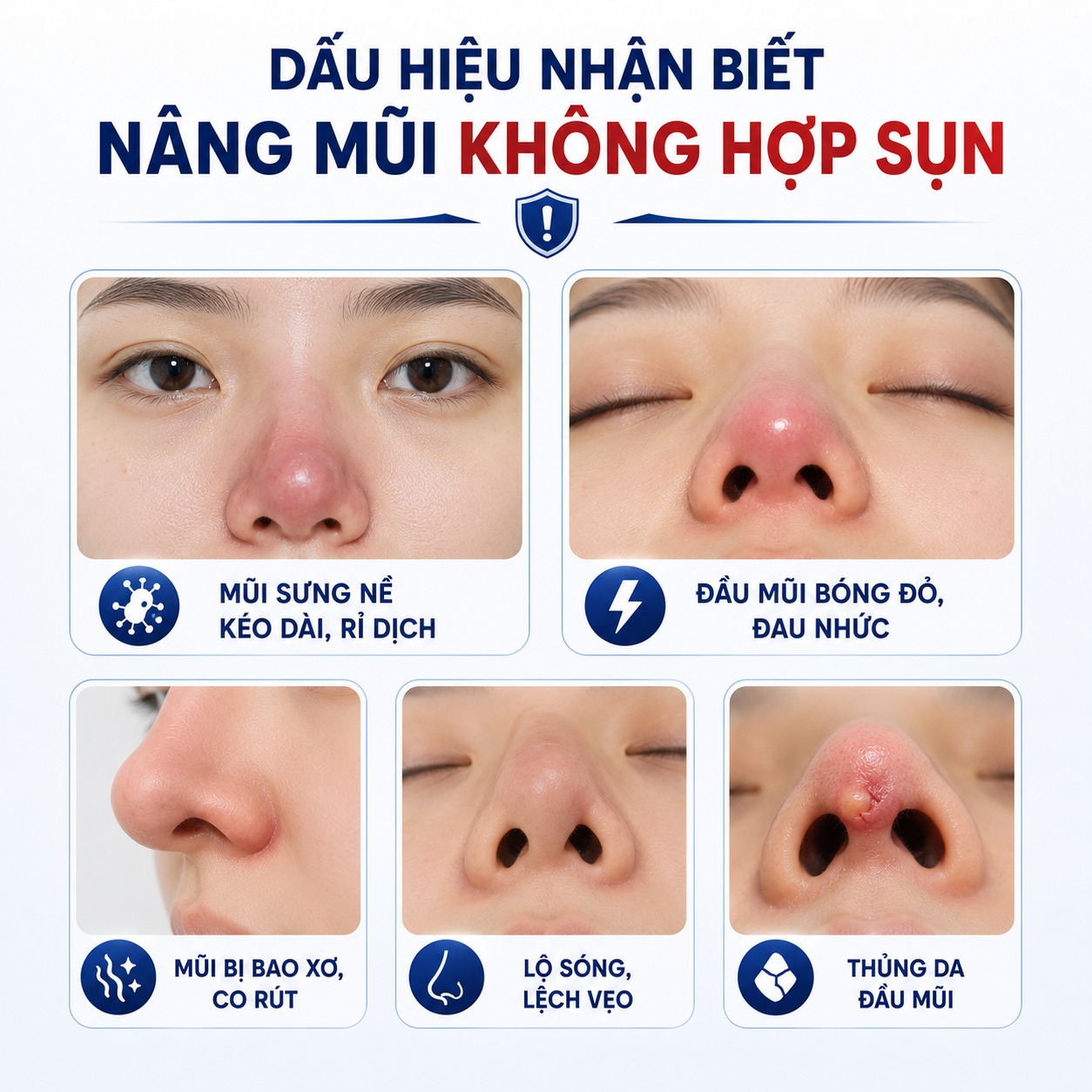
Cartilage rejection (implant rejection) occurs when the immune system reacts to the material used for augmentation. Seek medical attention immediately if you notice any of the following warning signs:
- Persistent swelling and discharge: The nose remains red, swollen, and tight for more than 2–3 weeks post-surgery, often accompanied by the leakage of yellow fluid or pus.
- Red, shiny, and painful nasal tip: The skin at the tip of the nose appears red, feels painful to the touch, or seems stretched and increasingly thin.
- Capsular contracture: A chronic inflammatory response causes internal tissues to contract, leading to an upturned, deformed, or shortened nasal tip that exposes the nostrils.
- Implant displacement or deviation: The artificial cartilage fails to adhere to the surrounding tissue and shifts, causing the nasal bridge to become crooked or the edges of the implant to become visible beneath the skin.
- Perforation of the nasal tip: This is the most severe complication, occurring when the artificial cartilage pierces through the tissue and becomes exposed, posing a high risk of systemic infection (sepsis).
Causes of incompatibility with rhinoplasty implants
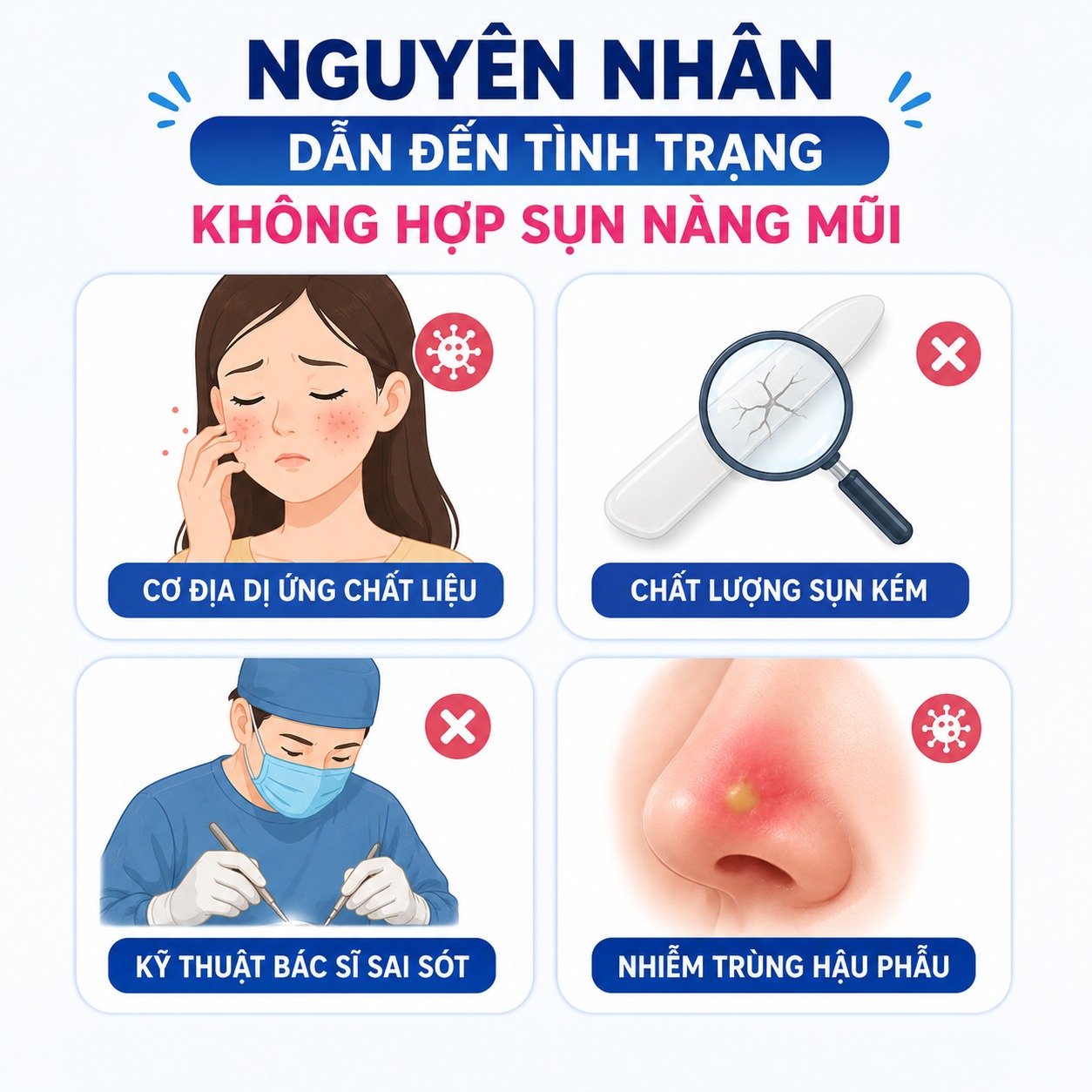
The body’s rejection of a nasal implant typically stems from four core causes:
- Allergic reaction to the material: The patient’s immune system is hypersensitive and identifies the artificial implant as a foreign object, triggering an expulsion mechanism to push it out.
- Poor quality of the implant: The use of low-cost, unregulated implants—often of unknown origin—that fail to meet medical safety standards.
- Surgical error: A lack of technical skill on the part of the surgeon, such as placing the implant in the wrong tissue layer (too close to the skin), improper dissection of the nasal pocket, or failing to trim the implant correctly, which places excessive pressure on the nasal tissues.
- Postoperative infection: Improper wound care or cleaning at home can allow bacteria to enter, leading to severe inflammation and increasing the risk of the body rejecting the implant.
What to do if a nose implant is incompatible? The proper course of action
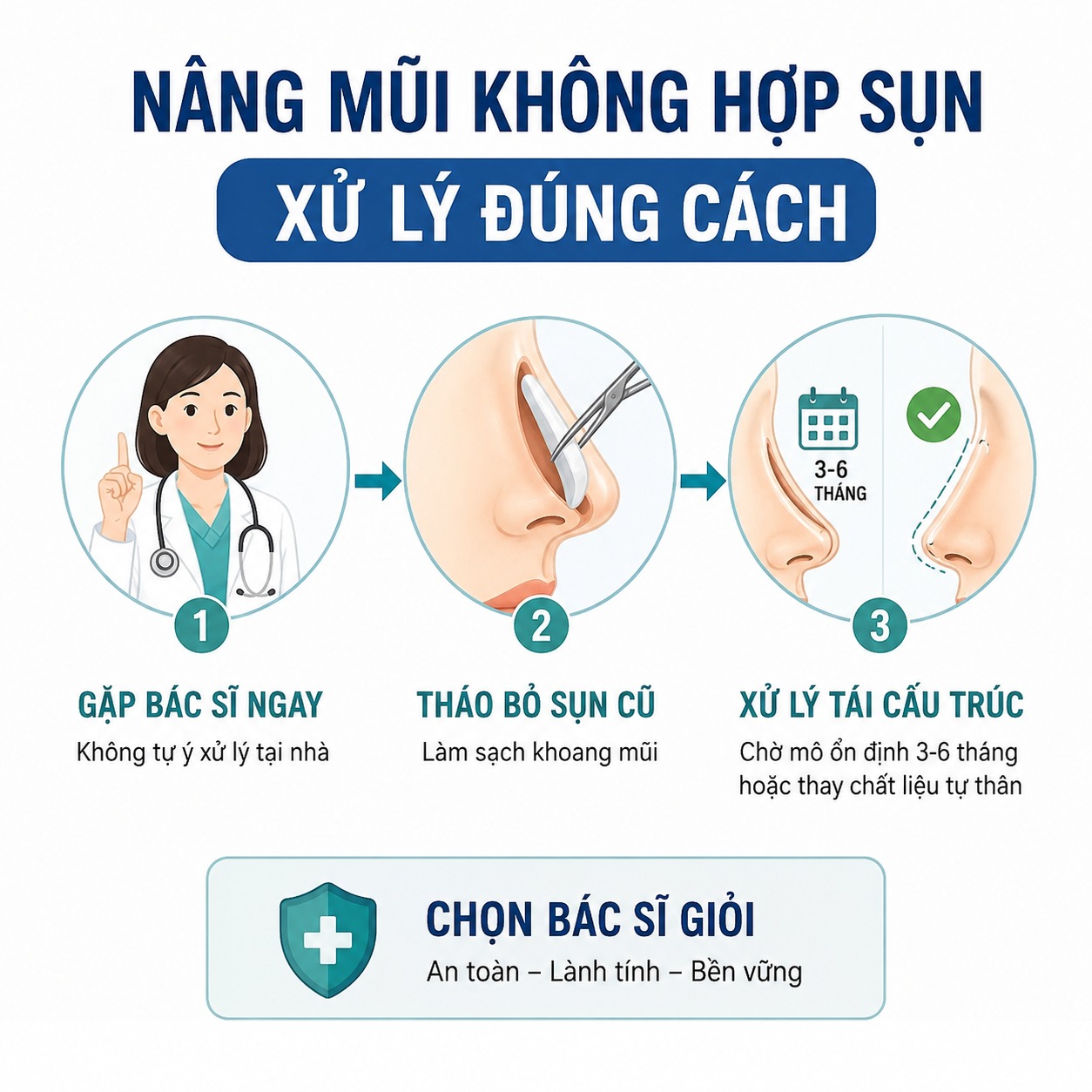
- Seek immediate medical attention: Do not attempt to squeeze or manipulate the area, apply topical medications, or take antibiotics on your own; doing so could cause the inflammation to spread and potentially lead to tissue necrosis.
- Surgical removal of the existing implant: A surgeon will carefully dissect the area to remove the entire rejected implant material, followed by a thorough irrigation and cleansing of the nasal cavity to eliminate any fluid collections or bacteria.
- Reconstructive intervention based on the condition of the nose:
In cases of severe nasal infection: The surgeon will insert a graft—either synthetic or autologous (derived from the patient’s own body)—to maintain the basic nasal structure. A waiting period of 3 to 6 months is then required for the nasal tissue to fully stabilize before a revision rhinoplasty can be performed.
If the issue is detected early, before an infection develops: The surgeon can remove the existing implant and immediately replace it with biocompatible autologous material (such as temporalis fascia or rib cartilage). This ensures 100% compatibility and eliminates the risk of a recurring allergic reaction.
A trusted destination for emergency care and the repair of botched nose jobs
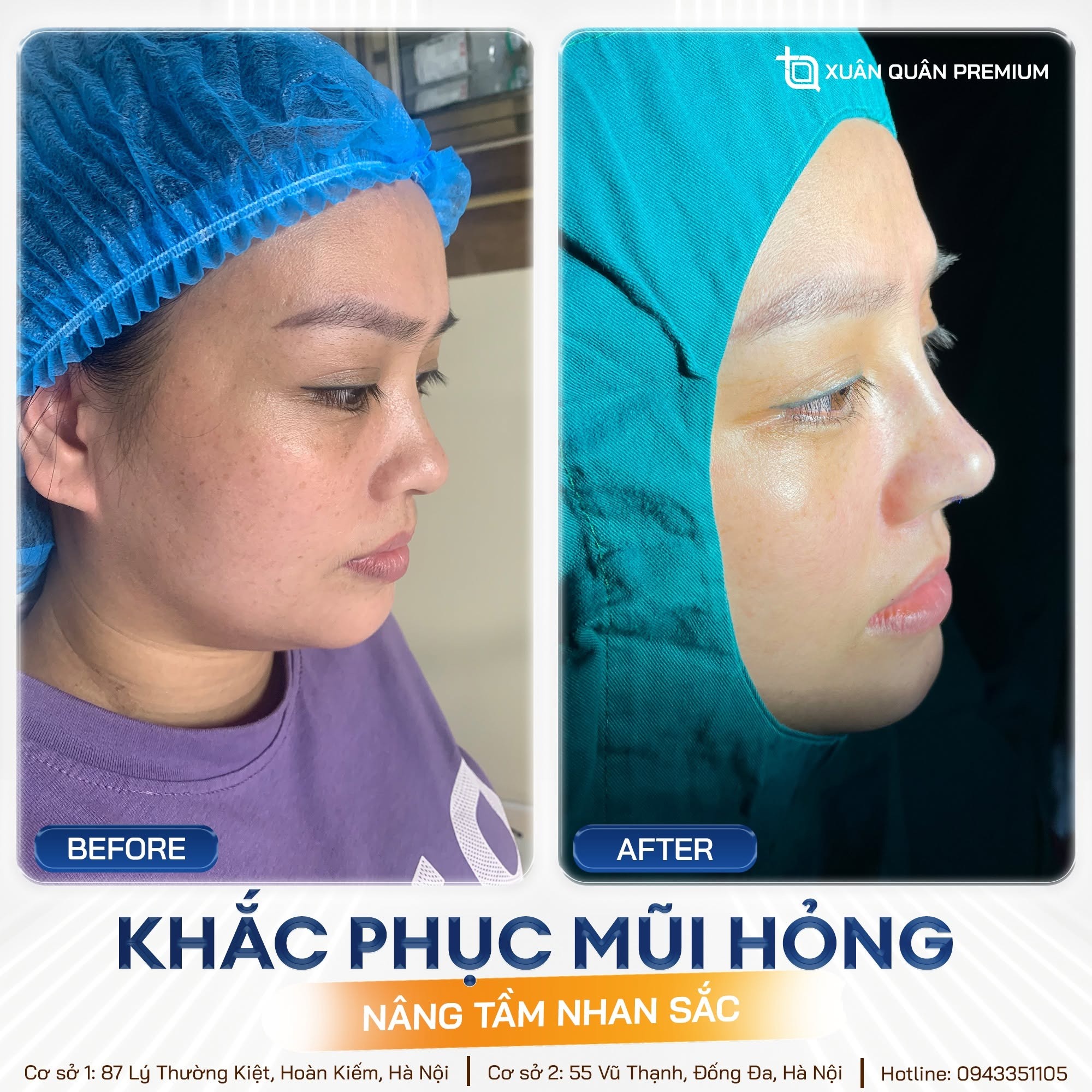
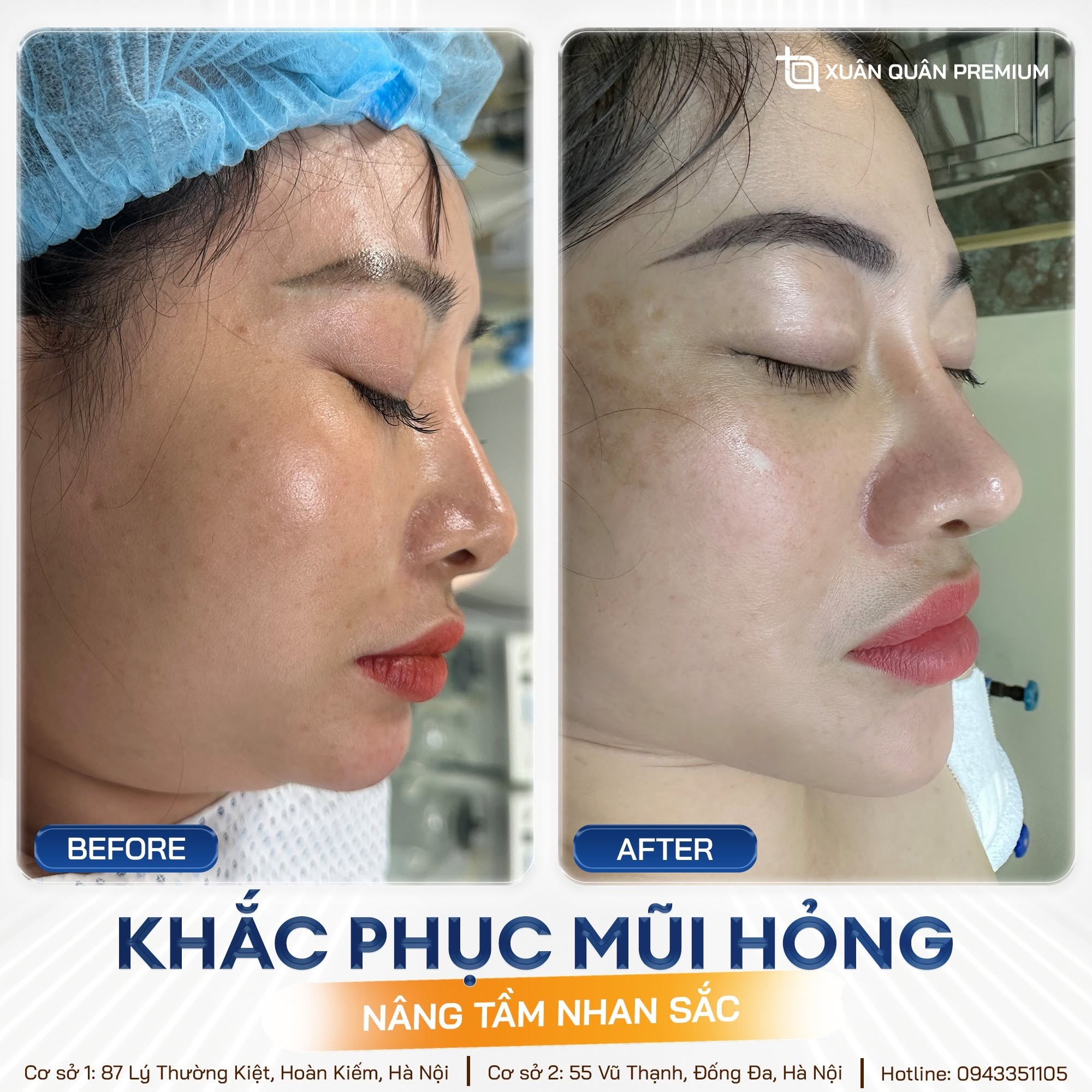
If there is a problem with your nose after surgery that causes you pain, fear of complications or rejection, Dr. Xuan Quan Aesthetics is a safe place to help you completely relieve your psychological burden.
Unlike the new surgery, the procedure to “rescue” the defective nose here is in emergency mode, strictly following medical standards:
- Treatment of immediate complications: The doctor immediately intervenes to remove the old cartilage, remove pus and inflammation, completely preventing the risk of necrosis or deformity contraction.
- Expert skills with 10+ years of experience: Doctor Xuan Quan (trained in Korea and Singapore) directly and meticulously dissects the fibrous membrane, providing maximum protection for damaged skin.
- Safe nose reshaping: Combining autologous cartilage and temporal muscle fascia to create an elegant, naturally soft nose shape.
- Commitment to responsibility: Transparent warranty policy and dedicated 1:1 post-operative companionship.
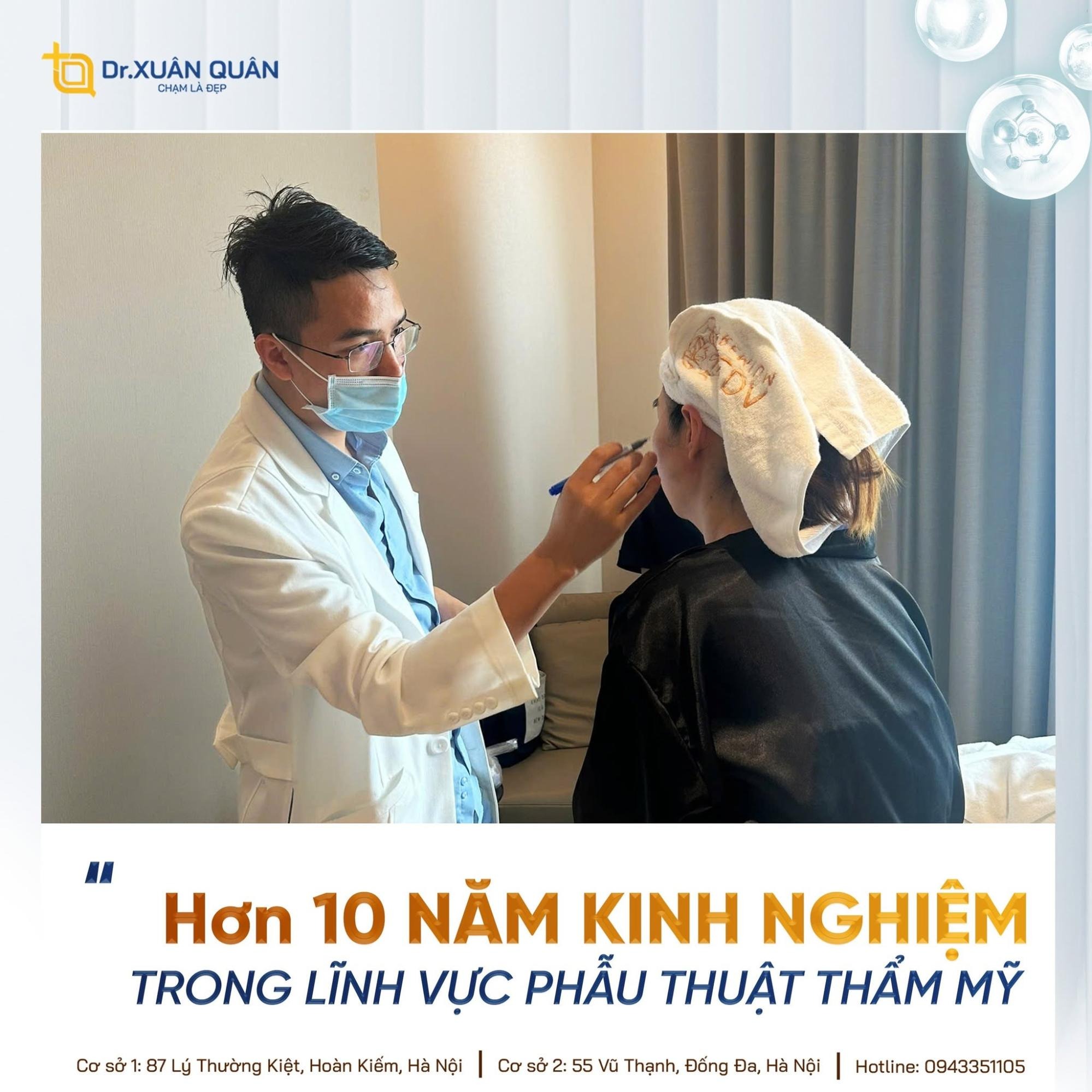
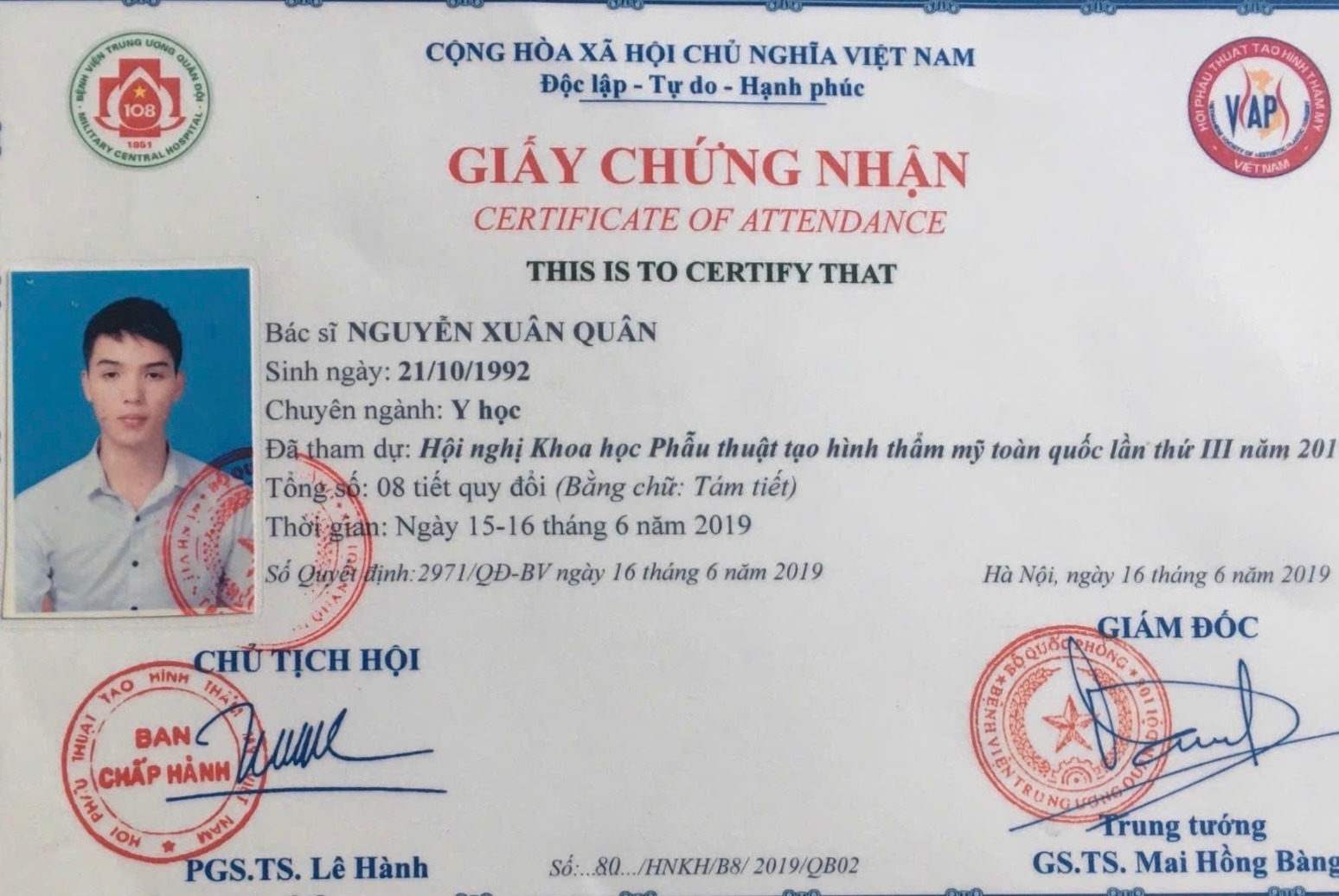
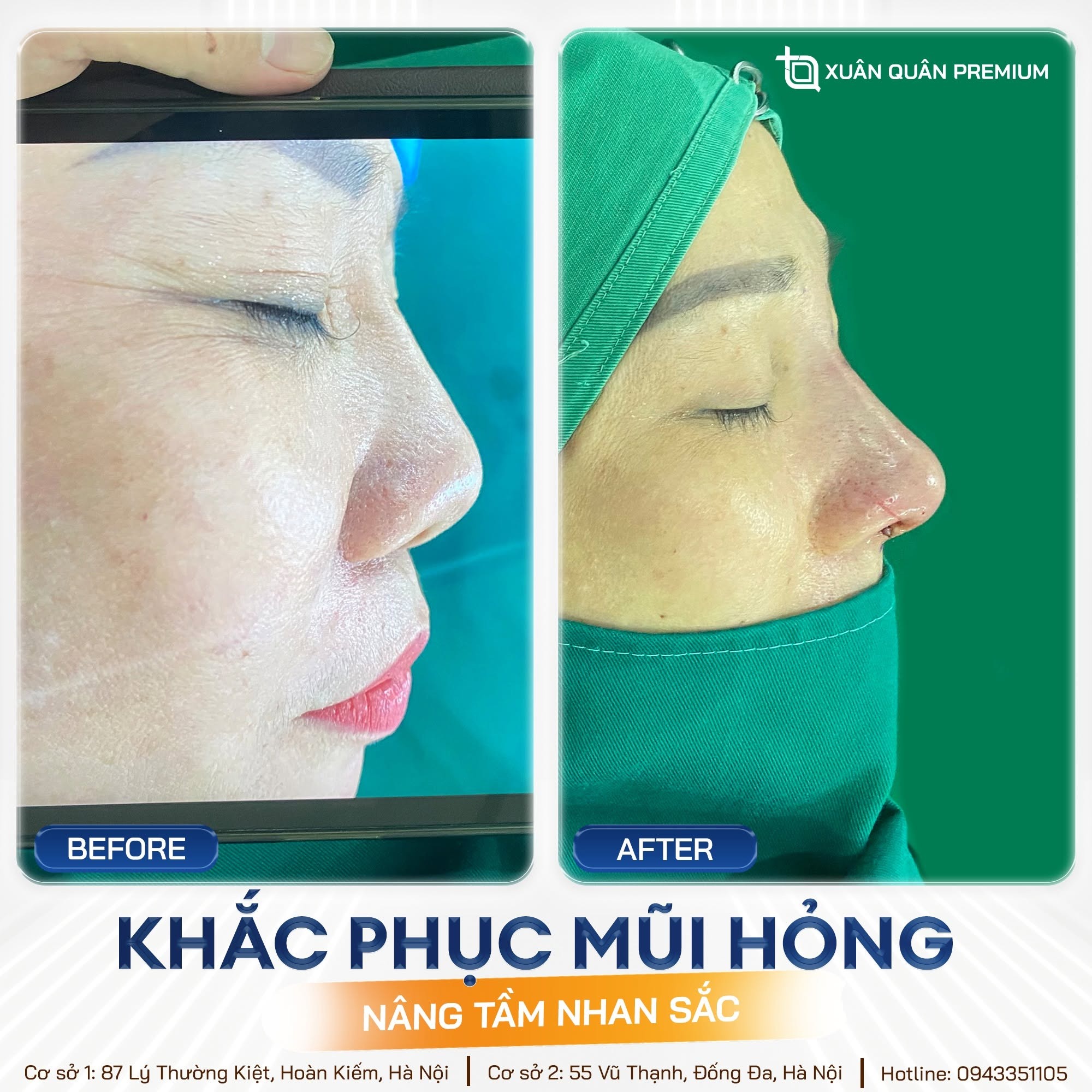
The successful restoration of hundreds of complex, botched rhinoplasty cases serves as clear proof of the professional expertise and deep-seated credibility found at Dr. Xuan Quan.
Frequently asked questions about rhinoplasty with incompatible cartilage
Below are brief expert answers to the most common questions regarding adverse reactions to rhinoplasty implants:
How soon after rhinoplasty can you tell if your body is rejecting the implant?
This can occur very early (within a few days to a few weeks), manifesting as swelling or fluid discharge, or it may appear much later (months to years post-surgery) in the form of a red, shiny nasal tip, visible implant contours, or tissue contracture.
Is the removal of a rejected implant painful, and will it cause nasal deformity?
The implant removal procedure is performed under local anesthesia, so it is painless. If the implant is removed promptly—before severe infection sets in—the nasal tissue can recover to its original state. However, if removal is delayed, there is a risk of tissue contracture or the nose becoming slightly upturned.
How long should you wait before undergoing a revision rhinoplasty after an implant has been removed?
If the nose is infected, you must wait 3 to 6 months for the internal tissues to fully stabilize. In cases where the issue is detected early and the nasal tissue remains healthy, a surgeon may be able to replace the implant with autologous tissue (such as temporal fascia) during the same removal procedure.
The information above covers key points regarding implant rejection in rhinoplasty and how to manage it safely through timely intervention. If you notice any concerning signs—such as swelling, pain, a red or shiny nasal tip, or asymmetry—please contact Dr. Xuan Quan Aesthetic Clinic immediately for an examination and urgent professional care.