Tiếng Việt
After rhinoplasty, many people face the problem of capsular contracture, resulting in a stiff, upturned nasal tip or nasal retraction and deformation. So, what is capsular contracture, what are its real causes, and how can it be recognized early and treated safely? Dr Xuan Quan Clinic, with its thorough understanding of anatomical structure and specialized capsular contracture removal techniques, will help answer your questions in the article below.
What is Capsular Contracture?
In rhinoplasty, capsular contracture is one of the common complications that makes the nose look stiff and unnatural. Simply put, capsular contracture is a layer of connective tissue (scar) that forms around a foreign object, specifically artificial cartilage, when inserted into the nose.
In reality, this is a normal self-defense reaction of the immune system to isolate the foreign object from the surrounding soft tissues. However, this condition becomes abnormal and is called a complication when this membrane grows too thick, becomes fibrotic, and contracts severely.
Is capsular contracture dangerous after rhinoplasty?
Capsular contracture is a natural reaction of the body when forming a membrane around the artificial cartilage material, but if this membrane contracts excessively, it can cause many serious complications. This condition not only deforms the nose, causing it to shrink, become upturned, and lose its aesthetic appeal, but can also lead to chronic infection or perforation of the nasal tip skin if not treated promptly.
Although not immediately life-threatening, capsular contracture causes the nasal structure to harden, resulting in persistent pain and making subsequent revisions much more complex and difficult.
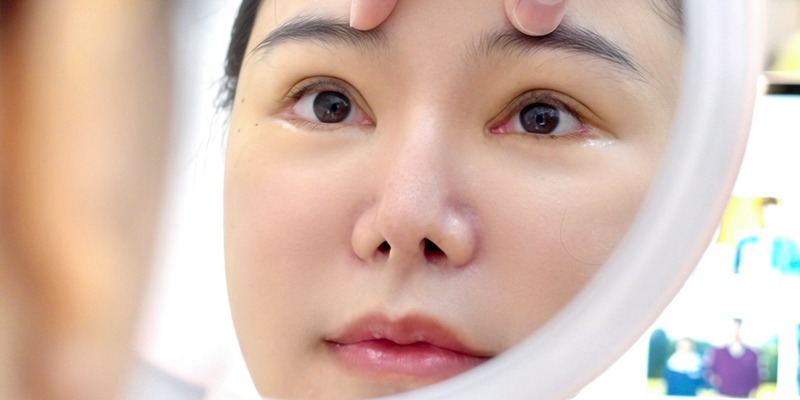
Levels of Capsular Fibrosis
According to Dr. Xuan Quan, a medical graduate with nearly 10 years of experience and training in Korea and Singapore, there are two levels of capsular fibrosis that patients should be aware of:
- Physiological Capsular Fibrosis: A thin, soft membrane that helps stabilize the cartilage, causing no pain or deformation.
- Constrictive Capsular Fibrosis (Complication): A thick, hard membrane that contracts strongly. At this stage, the scar tissue pulls the tip of the nose upwards (resulting in a upturned nose), shortening the nasal length or causing the nasal bridge to become crooked, uneven, or bumpy.
Early recognition of capsular fibrosis will help you be more proactive in finding solutions to address it.
Common Signs of Nasal Fibrosis
Early recognition of the signs of nasal fibrosis is extremely important in protecting the nasal structure and limiting more serious complications. Below are typical symptoms that you should not ignore:
Retraction of the nasal bridge and tip (Upturned nose)
This is the most easily noticeable sign. The thick fibrous layer contracts, pulling the nasal tip upwards, causing the nose to gradually shorten over time, exposing the nostrils and losing its original golden ratio length.
The nose becomes stiff and loses its softness
The nasal area no longer feels natural but becomes stiff like a separate block of cartilage. When touched, you will feel tightness in the nasal bridge, especially the tip of the nose which is severely fibrotic and lacks elasticity.
Deformity, Misalignment, or Visible Contouring
Pressure from the contracting fibrous capsule can push the artificial cartilage to one side or compress it tightly, making the nasal bridge outline visible, resulting in a rough, uneven, and aesthetically unappealing nose.
Persistent Dull Pain
Even after a long time since your rhinoplasty, you may still frequently experience pain and discomfort in the nasal bridge area, especially when the weather changes or when lightly touched. This is a reaction of the soft tissue to excessive pressure from the fibrous capsule.
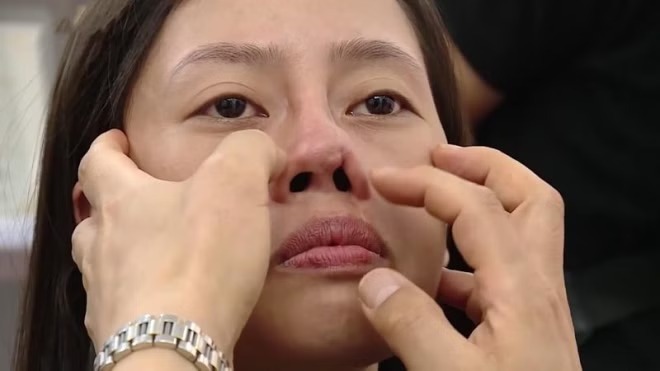
The cause of rhinoplasty is fibrous capsule
According to the doctor at Dr Xuan Quan Clinic, the condition of rhinoplasty with capsulorrhea is not simply due to the physical condition but is often the result of a combination of many technical factors and materials. Accurately determining the cause is the most important step for the doctor to come up with an effective treatment regimen to restore nose shape.
The cartilage material is of poor quality or incompatible
This is the most common cause. When using artificial cartilage lines that are cheap, of unknown origin or of high hardness, the body will activate a strong immune system to eliminate “foreign objects”.
This reaction creates a dense protective membrane surrounding the cartilage, over time leading to hardening and shrinkage.
Cartilage placement and invasive techniques are too deep
The doctor’s experience plays a decisive role. If the doctor performs the dissection of the nasal cavity incorrectly, causing deep invasion or creating a cartilage cavity that is too wide/too tight, it will damage the surrounding soft tissues.
The body’s own healing process can then form fibrous bands, causing the nose to become fibrous and lose its natural softness.
Infection or hematoma after surgery
If the surgical procedure is not sterile or the patient has poor post-operative care leading to infection, the body will respond by creating dense scar tissue to surround the inflammation. This is the seed that directly forms the severe shrinkage of the fibrous capsule, rapidly deforming the shape of the nose.
Raise your nose too high or correct it over and over again
Excessive use of high altitudes that exceed the tolerance limit of the nose skin or performing restructuring surgery too many times (from the 3rd time onwards) causes severe damage to the nasal tissue. The tissue layer under the skin gradually becomes fibrotic and no longer elastic, leading to the characteristic nose tip shrinkage.
Reaction from sensitive body
Although it accounts for a small percentage, some customers are too sensitive to strange materials (Silicon). Even if the cartilage is good and the technique is correct, the body still eliminates it and forms a fibrous capsule.
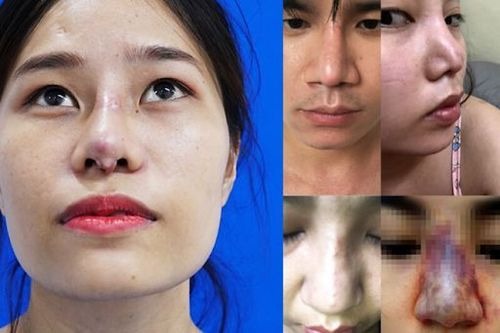
Effective Treatment Methods for Nasal Capsular Contracture
The choice of treatment method for nasal capsular contracture largely depends on the actual condition of the scar tissue and the degree of contraction. According to Dr Xuan Quan, the treatment process will be divided as follows:
For mild cases (Physiological Capsular Contracture)
If the nasal area is only slightly stiff, not deformed, crooked, or painful, you can self-care at home following expert instructions. Gentle massage of the nasal bridge combined with a moderate lifestyle and avoiding strong impacts will help stabilize the soft tissue.
At this stage, the capsular contracture acts as a membrane to stabilize the cartilage; only periodic monitoring is needed, and surgical intervention is not necessarily required.
For severe cases (Constrictive Capsular Contracture)
When the nose shows clear signs such as an upturned or shortened nasal tip, a crooked or exposed nasal bridge, medical intervention is mandatory to prevent necrosis or permanent deformation.
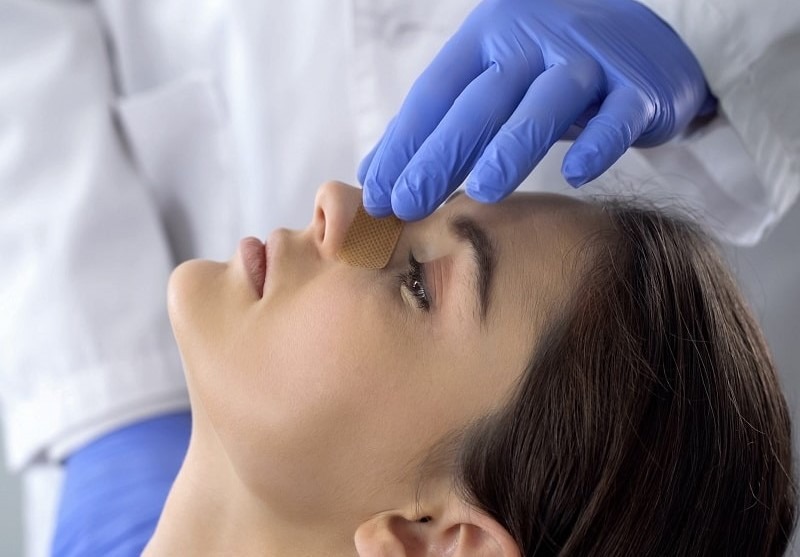
Treatment of Capsular Dislocation in Rhinoplasty at Dr. Xuan Quan Aesthetic Clinic
When capsular dislocation has progressed to the constriction stage, choosing a specialized clinic for correcting failed rhinoplasty is the most important decision to salvage the nose shape. At Dr Xuan Quan Clinic, the treatment process for capsular dislocation is performed based on strict microsurgical standards, helping clients regain a natural appearance:
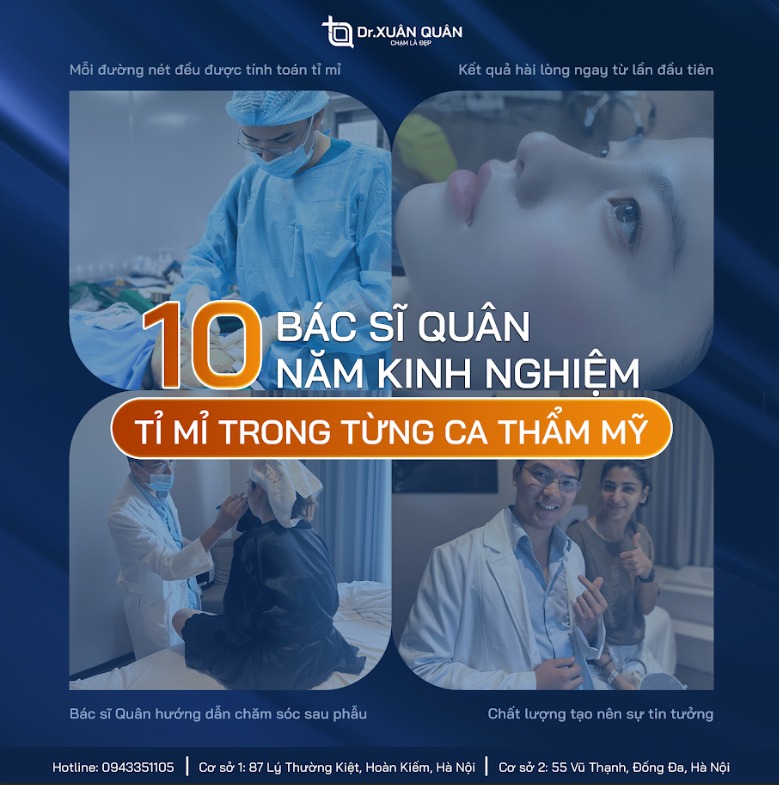
Direct consultation and procedure by Dr. Xuan Quan: Clients will receive one-on-one consultation with Dr. Xuan Quan, a specialist who graduated from Medical University with nearly 10 years of experience and training in Korea and Singapore. The doctor will accurately analyze the degree of fibrosis and the degree of soft tissue contraction to develop the safest dissection plan.
Deep-layer capsular dissection technique: Using specialized microsurgical instruments, the doctor skillfully dissects the hardened fibrous membrane tightly attached to the old cartilage. This technique requires absolute meticulousness to completely release the contraction without thinning the nasal skin or damaging blood vessels.
Nose Reconstruction According to Golden Ratio: After removing the fibrous capsule and old cartilage, the doctor reconstructs the nasal bridge and extends the upturned nasal tip using high-quality biocompatible cartilage or autologous cartilage. The goal is to create a graceful, soft nose shape that harmonizes with the facial features and leaves no trace of complications.
Commitment to Safety and Reliable Warranty: Each case of nasal capsular contracture treatment here comes with a professional warranty, giving customers complete peace of mind. With highly compatible materials, the nose shape after correction is not only beautiful but also maintains lasting results for 5-10 years.
How much does nasal capsular contracture treatment cost?
The cost of correcting nasal capsular contracture is not fixed but depends on the complexity of each surgical case. At Dr Xuan Quan Clinic, the cost is calculated based on the following key factors:
- Degree of contraction and fibrosis: Severe cases of capsular contracture causing upturned or crooked noses require more complex microsurgical dissection techniques, therefore the cost will be higher than mild cases that only require removing the old cartilage.
- Reconstruction techniques and materials: The cost varies depending on whether you choose high-grade biocompatible cartilage or autologous cartilage to reconstruct the nose to the golden ratio.
Frequently asked questions about capsular nose
To help customers better understand this complication, Dr Xuan Quan Clinic has compiled and answered the most common questions surrounding the problem of fibrous nose.
How long does it take for rhinoplasty to get cystic fibrosis?
Normally, capsular contracture does not appear immediately but develops gradually over 6 months to 1 year, or even longer depending on the condition and cartilage material. However, if there are early signs of infection, fibrosis can occur quickly in just a few weeks.
Is a fibrous nose dangerous?
If it’s just a mild physiological capsule, it’s not dangerous. But if the capsular contracture is severe and not treated promptly, it will cause permanent nose deformation (upturned, short, misaligned nose), thin the nose skin and even lead to perforation of the tip of the nose due to contraction pressure.
Is removing fibrous nasal cartilage painful?
At Dr Xuan Quan Clinic, with modern microsurgical techniques and medical-standard anesthesia procedures, capsule removal takes place very gently. Customers will not feel pain and recovery time is also very quick.
After removing the fibrous cartilage, can it be lifted again immediately?
Depends on soft tissue condition. If the base of the nose is clean and not infected, the doctor can combine capsular dissection and new nasal fold restructuring in one surgery to save time for the customer.
Above is detailed information to help you understand what a fibrous nose is, from signs of recognition to the most effective intervention methods. If you are worried about unusual signs after rhinoplasty, immediately contact Dr Xuan Quan Clinic for a direct examination and receive an optimal treatment regimen and reputable professional warranty today!