Tiếng Việt
During the recovery process after eyelid surgery, it is sometimes possible for some sutures to be left behind. This can be dangerous if not treated promptly, as it can easily lead to inflammation, irritation, or affect the healing process and aesthetic results. Let’s learn about the signs and safe ways to handle this situation in the article below from Dr Xuan Quan Clinic.
Signs that indicate incomplete eyelid suture removal
Retained eyelid sutures refer to the condition where, after the sutures are removed, some of the stitches remain and are not completely removed from the eyelid. This remaining suture may be under the skin or visible, affecting the healing process.
You can recognize retained eyelid sutures through the following symptoms:
- A feeling of something stuck or lodged in the eyelid: Like a foreign object inside, especially when blinking.
- The appearance of small sutures: The ends of the sutures may be visible protruding from the skin.
- Prolonged swelling or redness: The eyelid swelling does not subside after the sutures have been removed.
- Mild pain or itching: Due to the body’s reaction to the foreign object.
- Possibility of pus formation (in severe cases): If infection occurs due to the retained sutures.
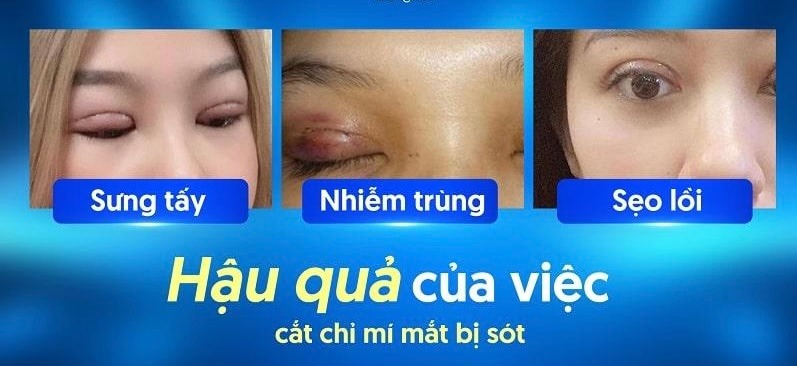
Potential dangers of removing retained sutures from the eye
The answer is YES, if not treated promptly. Specifically, incomplete eyelid suture removal can lead to:
- Inflammation of the eyelid area: The remaining suture is considered a foreign object in the body, creating conditions for bacteria to grow and cause inflammation.
- Prolonged swelling and pain: The eyelid area does not recover normally, causing discomfort and prolonging the healing time.
- Impact on eyelid shape: The eyelids may become asymmetrical, uneven, or lose their original natural appearance.
- Unsightly scarring: If the inflammation persists or is treated incorrectly, the risk of scarring is very high.
How to handle leftover stitches from eyelid surgery
If you discover that some stitches remain after eyelid surgery, don’t be careless, as these remaining threads can cause irritation, mild inflammation, or slow down the healing process if not handled properly. Here are some ways to handle it:
- Absolutely do not attempt to treat it yourself at home: Do not pull, pluck, or cut away any remaining stitches with your hands. Incorrect intervention can tear the healing wound, causing bleeding, pain, and increasing the risk of infection in the eyelid area – a very sensitive area.
- Maintain proper hygiene of the eyelid area: Gently clean with saline solution or antiseptic solution as directed by your doctor. Avoid rubbing your eyes, applying makeup, or allowing dirt to come into direct contact with the eyelid area during this time.
- Monitor for unusual signs: If you notice prolonged swelling, redness, discomfort, mild pain, or a feeling of something stuck in your eyelid, it is very likely that there are remaining stitches or a mild inflammatory reaction that needs to be checked early.
- See a doctor as soon as possible: This is the most important step. The doctor will accurately locate the remaining suture and remove it using specialized instruments under sterile conditions. Proper technique ensures safety, avoids affecting the eyelid crease, and prevents future complications.
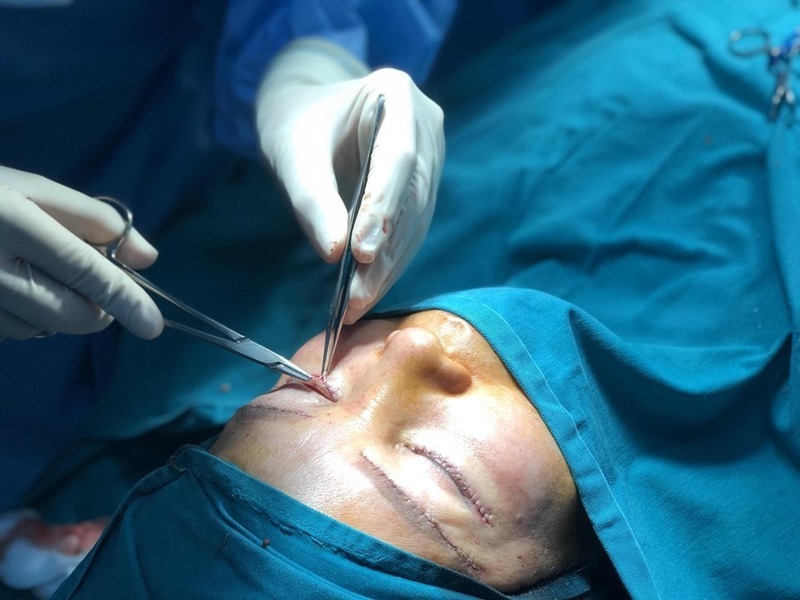
Safe cosmetic eye surgery at Dr Xuan Quan Clinic
In eye aesthetics, safety and precision in each surgical procedure play a crucial role in determining long-term results. At Dr. Xuan Quan Aesthetic Clinic, eye shaping services are designed with a focus on in-depth, personalized, and medically standardized approaches, helping clients improve imperfections while maintaining a natural and harmonious look that complements their overall facial features.
- Our team of specialized eye shaping surgeons: Each surgery is performed by experienced doctors who directly examine and perform the procedure. Before prescribing a method, the doctor carefully assesses:
- Personalized eyelid design: Each client receives a unique eyelid crease design instead of a generic template. This ensures that the results after shaping are not “visible surgical scars,” maintaining a natural and balanced appearance on both sides.
- Medical-standard equipment and procedures: Sterile operating rooms adhere to strict surgical safety procedures. Clients have their stitches removed after 5-7 days and have regular follow-up appointments to monitor their recovery progress.
- Commitment to safety and long-lasting effectiveness: The results of cosmetic eye surgery at Dr. Xuan Quan Aesthetic Clinic last an average of 5-10 years, depending on individual factors and aftercare. A clear post-operative monitoring and support policy ensures customer peace of mind throughout the recovery process.
Frequently asked questions about removing incomplete eyelid sutures (Q&A)
After having eyelid stitches removed, many people worry about the potential effects of leftover stitches and how to handle them. Here are some detailed answers:
Will leftover stitches disappear on their own?
No. Leftover stitches cannot completely dissolve on their own and need to be removed by a doctor to avoid complications.
Is it dangerous to have leftover stitches removed?
Yes. If left for too long, it can cause infection, swelling, pain, and affect the shape of the eyelid.
Should I remove leftover stitches at home?
No. Self-treatment can cause injury and increase the risk of infection.
How long after stitch removal should I have a follow-up check?
You should have a follow-up appointment as scheduled or check immediately if you notice any unusual signs such as swelling, pain, or discomfort.
Does left-over stitches affect the aesthetic results?
Possibly. If not treated promptly, the eyelids may become uneven or look unnatural.