
 Tiếng Việt

Following childbirth, many women face issues such as vaginal laxity, loss of elasticity, and darkening of the intimate area. Consequently, postpartum vaginal rejuvenation has become a leading solution for new mothers to regain their self-confidence, protect their health, and sustain a happy family life. In this article, Dr Xuan Quan Clinic outlines safe and effective methods for postpartum vaginal tightening that are recommended by experts.
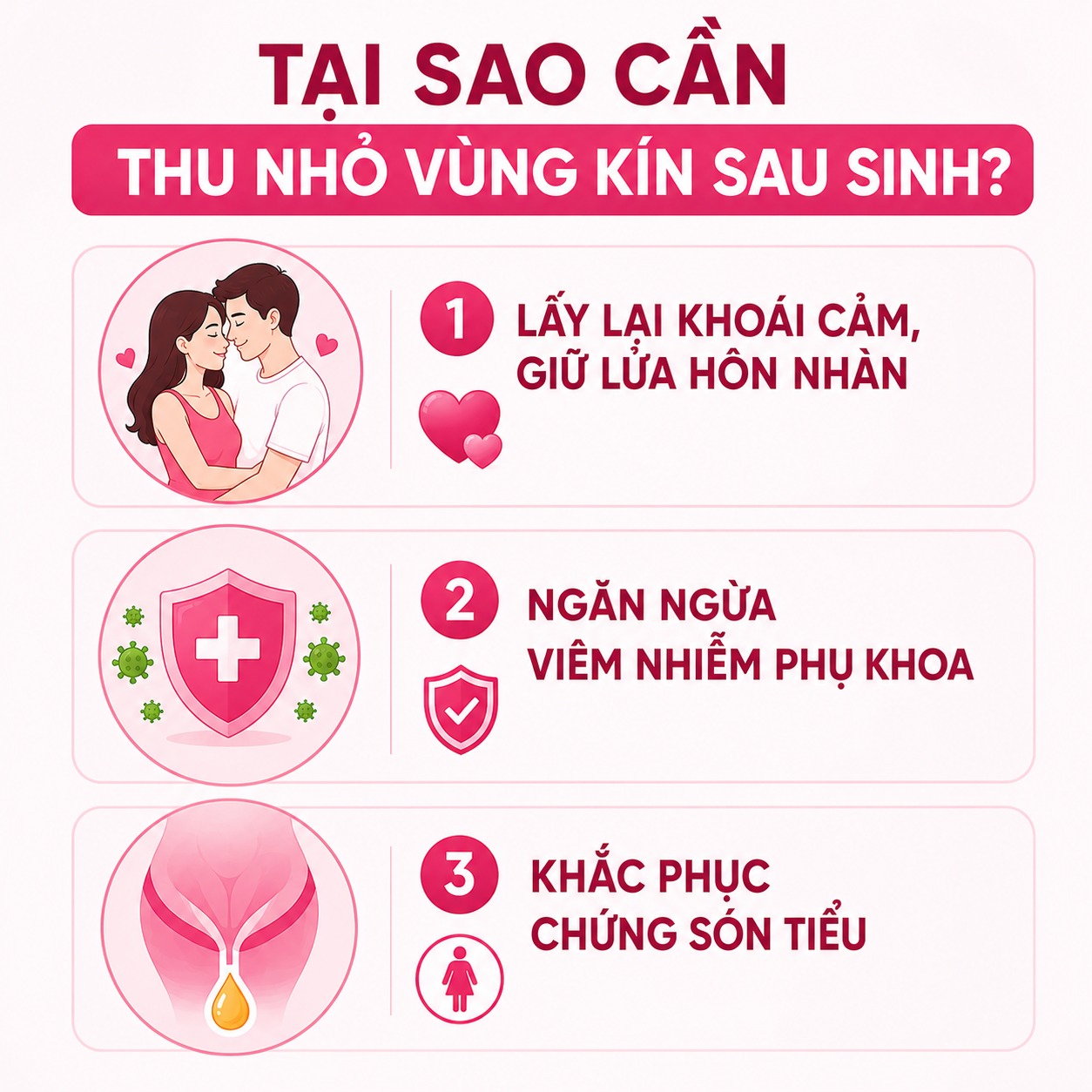
Why is postpartum vaginal rejuvenation necessary?
Vaginal laxity and looseness after childbirth can have significant negative impacts on a woman’s health and quality of life. Timely vaginal rejuvenation offers the following practical benefits:
- Restoring pleasure and strengthening marital bonds: A tighter, firmer vaginal canal increases friction during intimacy, making it easier for both partners to reach climax and helping to prevent relationship strain.
- Preventing gynecological infections: A loose vaginal canal creates an environment where bacteria can easily enter, leading to chronic infections. Vaginal tightening provides better protection for the reproductive organs.
- Addressing urinary incontinence: Postpartum weakening of the pelvic floor muscles can cause involuntary urine leakage when laughing, coughing, or sneezing. Restoring the vaginal sphincter muscles effectively resolves this issue.
How long after childbirth can one undergo vaginal rejuvenation?
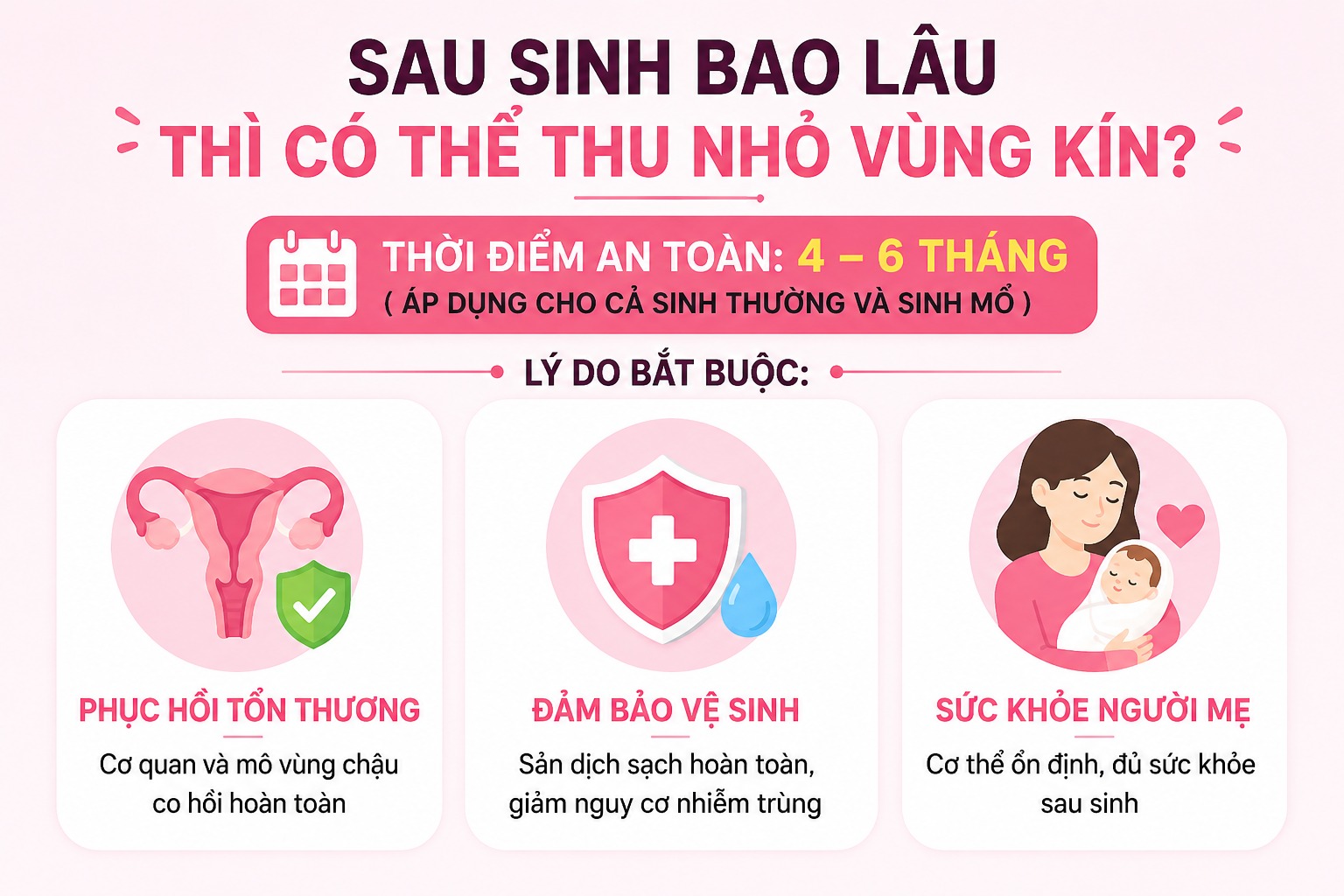
According to experts in vaginal aesthetic procedures, the safest time to perform vaginal rejuvenation after childbirth—whether by vaginal delivery or cesarean section—is between 4 and 6 months postpartum.
This waiting period is necessary for the following reasons:
- Recovery from trauma: The uterus, cervix, and pelvic floor muscles require time to fully return to their normal, pre-pregnancy state.
- Ensuring hygiene: This allows for the complete discharge of postpartum fluids (lochia), thereby minimizing the risk of infection or bacterial contamination during the aesthetic procedure.
- Maternal health: It ensures that the mother’s physical condition has stabilized, allowing her to recover from the exhaustion and physical strain associated with childbirth and caring for a newborn.
Common Methods for Postpartum Vaginal Tightening
Depending on the degree of laxity and individual needs, there are currently three common methods for postpartum vaginal tightening:
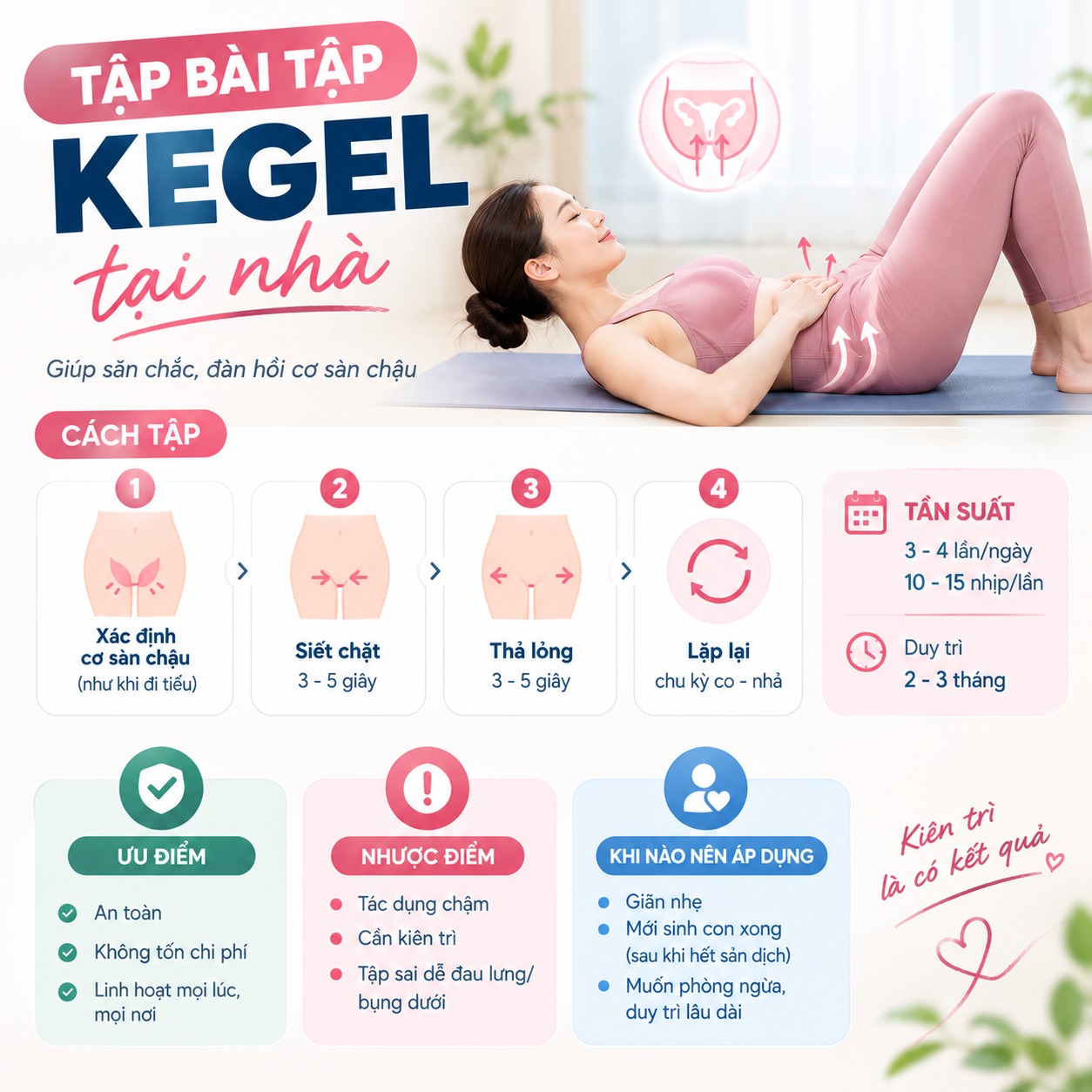
Kegel Exercises at Home
A natural approach involving the contraction and relaxation of the pelvic floor muscles to restore firmness.
- How to perform & Frequency: Contract the pelvic floor muscles for 3–5 seconds, then relax for 3–5 seconds. Repeat 3–4 times a day (10–15 repetitions per session), and continue consistently for 2–3 months.
- Pros: Free, safe, and can be done anytime, anywhere.
- Cons: Slow results, time-consuming, and offers only mild improvement.
- Best for: Cases of mild laxity, the postpartum period (after lochia has ceased), or for ongoing maintenance.
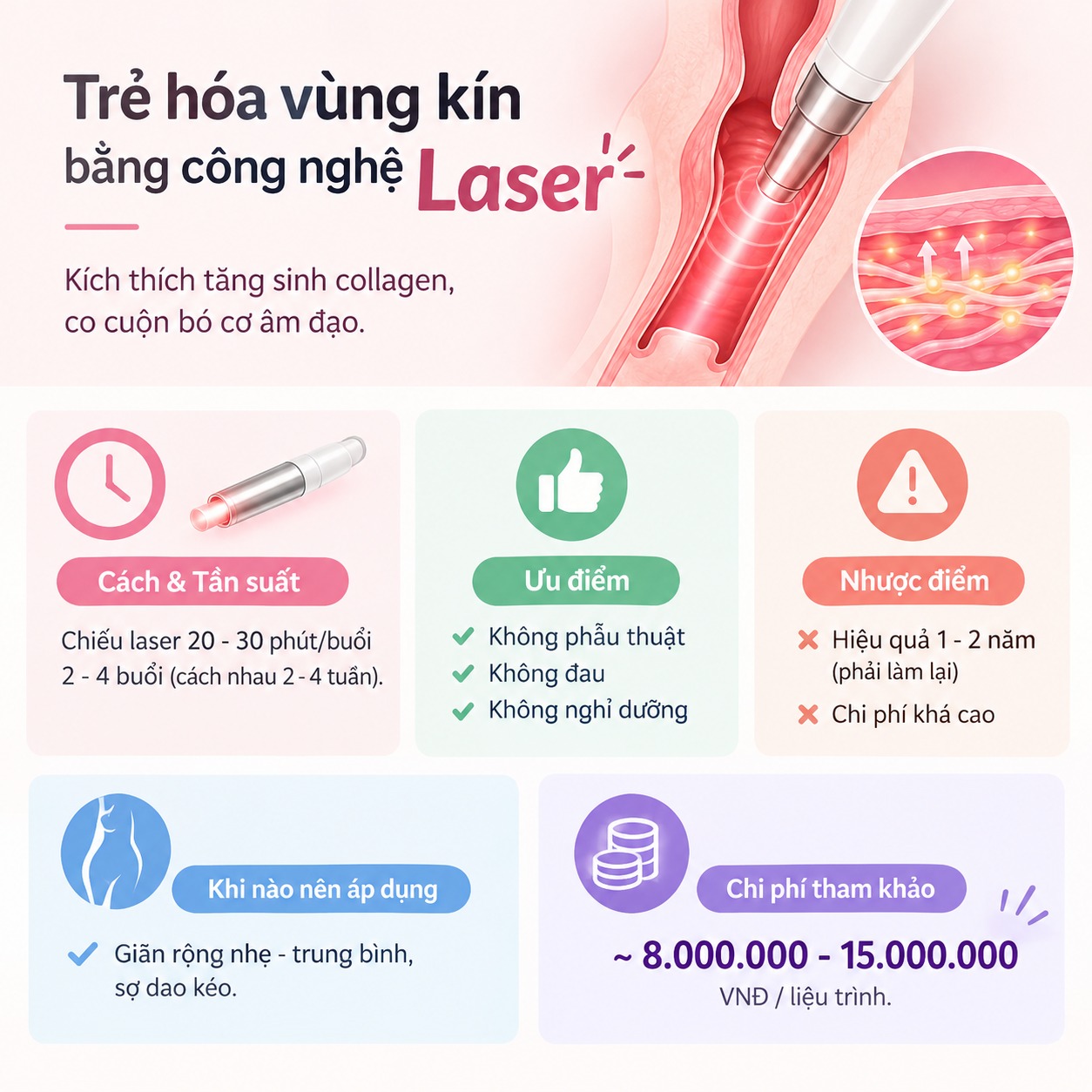
Vaginal Rejuvenation via Laser Technology
Utilizes photothermal energy to stimulate collagen production and tighten vaginal muscle fibers.
- Procedure & Frequency: A laser probe is inserted into the vaginal canal for approximately 20–30 minutes. A full treatment typically consists of 2–4 sessions, spaced 2–4 weeks apart.
- Advantages: Non-surgical, painless, and requires no downtime.
- Disadvantages: Results last for 1–2 years (requiring follow-up treatments); relatively high cost.
- Recommended for: Mild to moderate vaginal laxity; individuals who wish to avoid surgery.
- Estimated Cost: ~8,000,000 – 15,000,000 VND per treatment course.
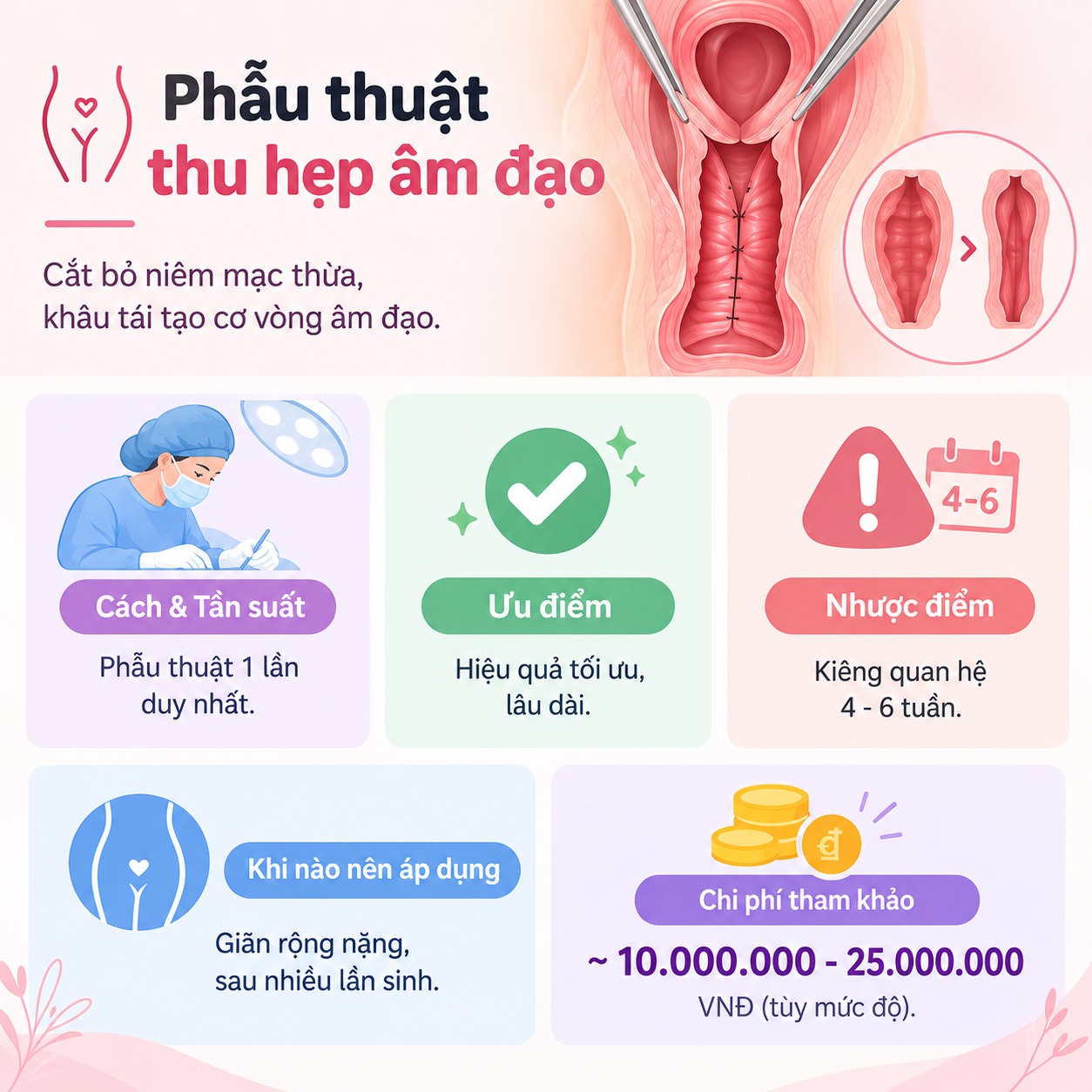
Vaginal Tightening Surgery
A surgical procedure involving the removal of excess mucosal tissue and the reconstruction of the vaginal sphincter muscles.
- Method & Frequency: Surgical dissection and structural reconstruction. Performed only once.
- Advantages: Effectively addresses severe laxity, providing optimal and long-lasting results.
- Disadvantages: Requires careful post-operative care and abstinence from sexual activity for 4–6 weeks.
- Indications: Severe vaginal laxity resulting from multiple childbirths, or significant looseness of the vaginal canal.
- Estimated Cost: ~10,000,000 – 25,000,000 VND (depending on the extent of the procedure).
A Safe and Reputable Destination for Postpartum Vaginal Rejuvenation
Following childbirth, vaginal laxity can not only affect the quality of one’s intimate life but also lead to a loss of self-confidence with one’s partner. To restore firmness and tightness safely and effectively, it is crucial to entrust your care to a reputable aesthetic clinic.
Dr. Xuan Quan Clinic serves as a trusted partner for thousands of women looking to reclaim their natural allure:
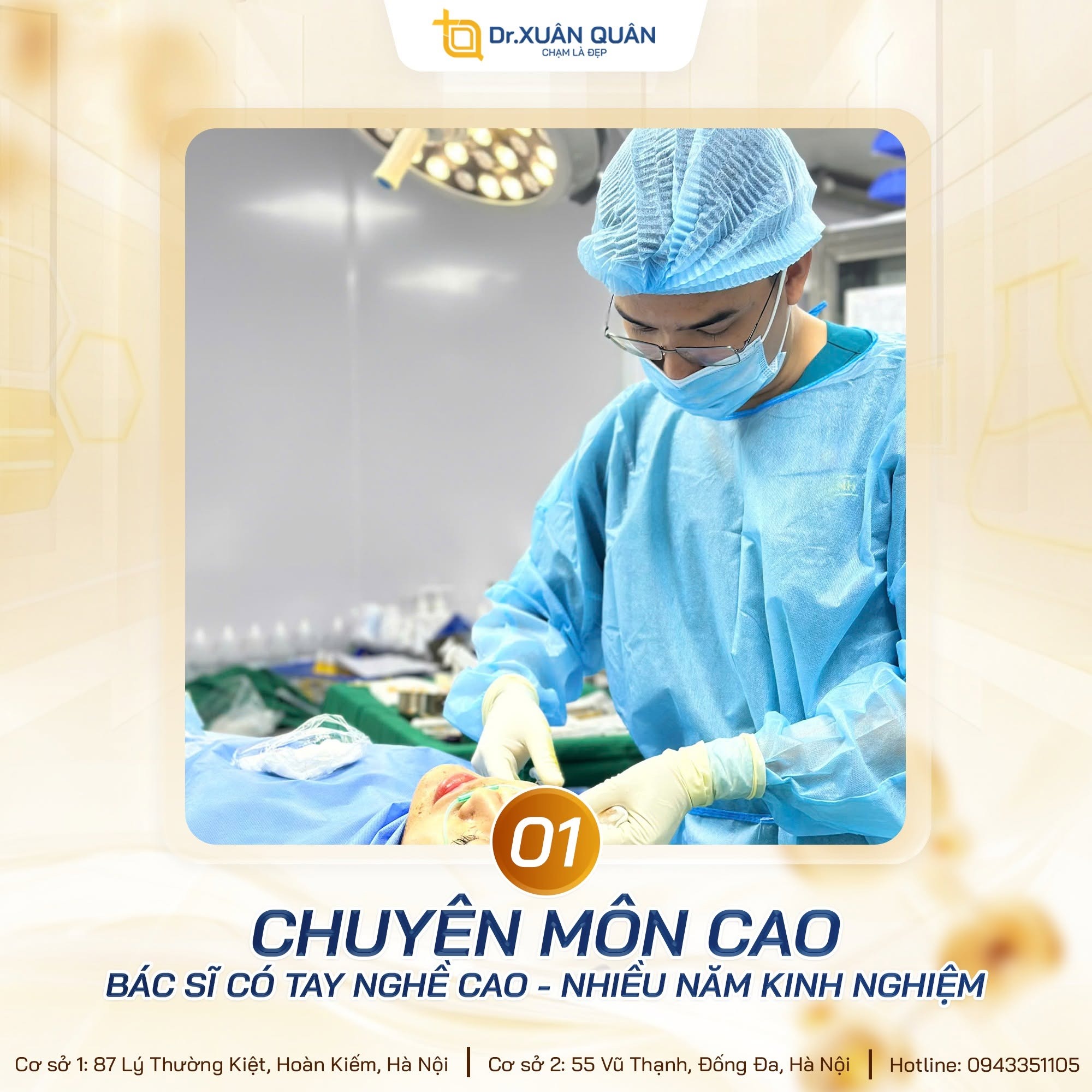
- Highly experienced specialist: Dr. Xuan Quan (a graduate of Hanoi Medical University) personally conducts consultations and develops personalized treatment plans for every client.
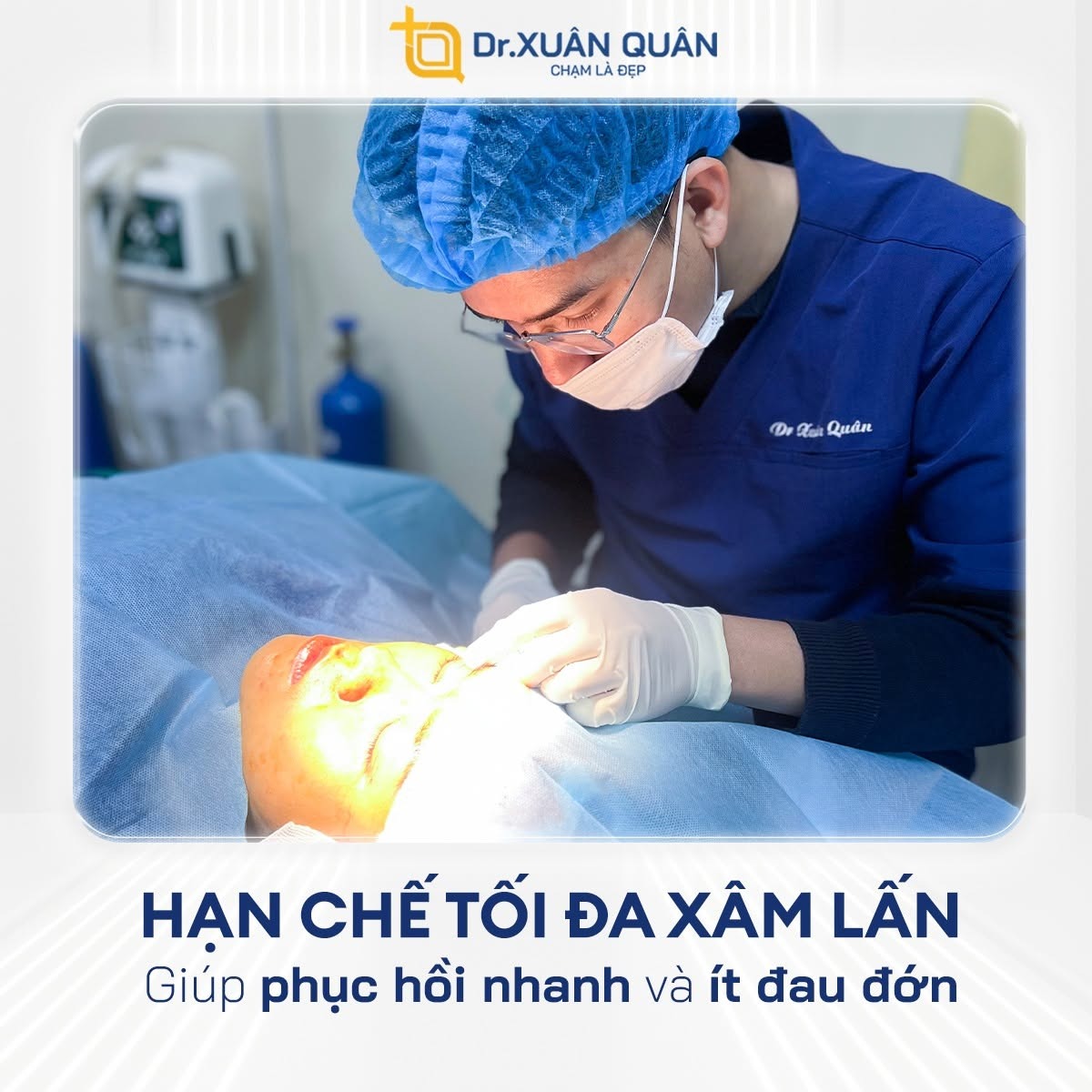
- Precise microsurgical techniques: Meticulous tissue dissection and internal muscle repair ensure no visible scarring, while minimizing invasiveness, swelling, and discomfort.
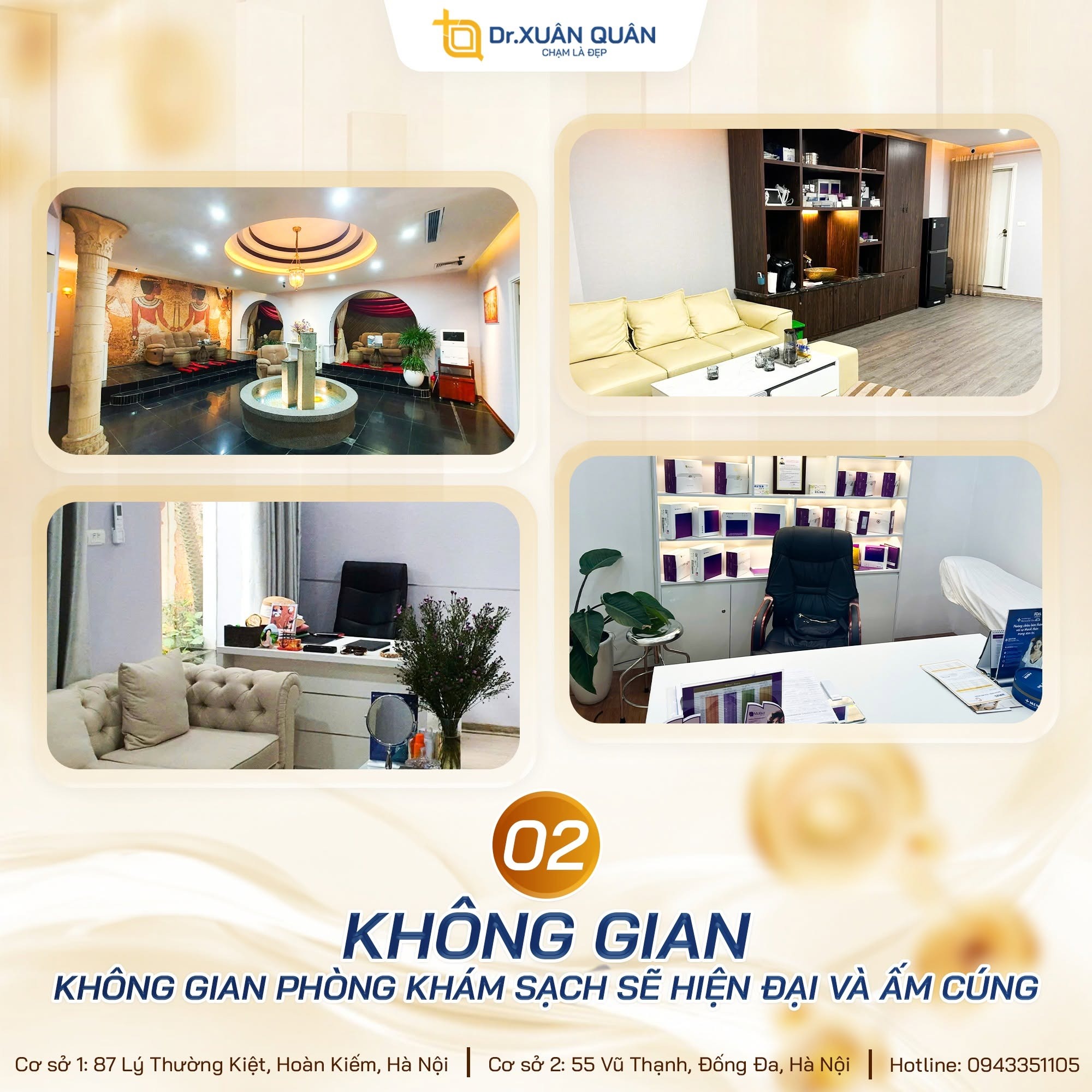
- Strictly sterile environment: Surgical procedures adhere to rigorous medical standards, completely eliminating the risk of post-operative infection.
- Dedicated support & 6-month warranty: Comprehensive post-operative care and a clear warranty policy provide complete peace of mind.
Cost of Postpartum Vaginal Rejuvenation at Dr. Xuan Quan Clinic
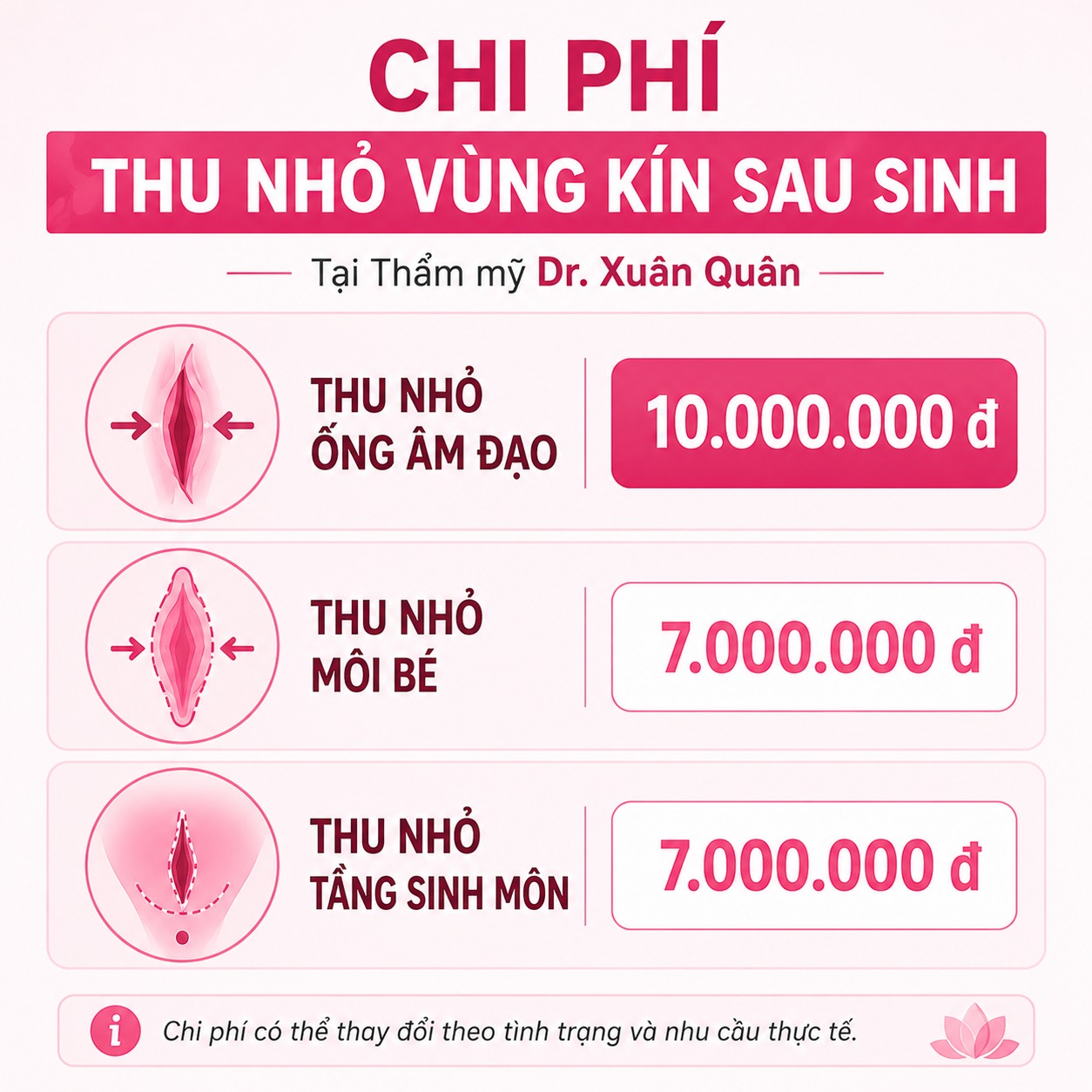
Below is a detailed price list for postpartum vaginal rejuvenation and tightening services offered at our center for your reference:
| Vaginal tightening | Vaginal tightening surgery | 10.000.000 VND |
| Labia minora reduction | Labia minora reduction | 7.000.000 VND |
| Perineal tightening | Perineal tightening | 7.000.000 VND |
Frequently Asked Questions About Postpartum Vaginal Rejuvenation
Below are concise answers to the most common questions women have:
Is the procedure painful? It is performed under local anesthesia, ensuring there is no pain or discomfort. Afterward, you may experience only mild soreness, which typically subsides within a few days.
When can I resume sexual activity? For laser-based rejuvenation, you should abstain for 5–7 days; for surgical tightening, a recovery period of 4–6 weeks is required to allow the incision to heal completely.
Does the surgery affect fertility? Not at all. The procedure only involves the mucosal tissue and the vaginal sphincter muscles; it does not affect the uterus or ovaries.
Will the vagina become loose again later? The results are long-lasting – often for many years – unless you subsequently give birth vaginally again.
The information above covers the various methods for postpartum vaginal rejuvenation, along with a guide on proper post-procedure care. If you are experiencing vaginal laxity or a loss of sensation following childbirth and are seeking a safe, effective solution, contact Dr Xuan Quan Clinic today. Consult with a specialist and take advantage of a complimentary appointment booking!