Tiếng Việt
In rhinoplasty, the nasal cartilage implant is the core element that determines whether the resulting nose shape is natural, durable, and safe. However, not everyone understands the different types of nasal cartilage implants available today, and how each type suits different nasal structures and methods. This article from Dr Xuan Quan Clinic will help you understand the different types of nasal cartilage implants, distinguish their advantages and disadvantages, and make the right choice before undergoing cosmetic surgery.
Types of Nasal Cartilage Implants Available Today
In modern rhinoplasty, the choice of nasal cartilage implant plays a crucial role, directly affecting safety, the shape of the nose after surgery, and its long-term durability.
Based on their origin and biological characteristics, nasal cartilage implants are currently divided into two main groups:
- Autologous cartilage: taken from the patient’s own body.
- Artificial cartilage: a biological material specifically manufactured for medical use.
Each type of cartilage is suitable for different nasal conditions, skin types, and aesthetic goals; therefore, it requires examination and precise prescription by a specialist.

Types of Autologous Nasal Cartilage
In modern rhinoplasty, autologous cartilage is always considered the “gold standard” due to its high biocompatibility, minimizing the risk of rejection, infection, and long-term complications. It is also the preferred material in current rhinoplasty procedures, especially for cases requiring high safety and durability.
Depending on the nasal condition and the desired shape, the surgeon will prescribe the appropriate type of autologous cartilage. The most common types include: ear cartilage, septal cartilage, and rib cartilage.
Ear Cartilage
Ear cartilage is the most commonly used type of autologous cartilage in S-line rhinoplasty and structural rhinoplasty techniques.
In terms of characteristics, ear cartilage has a natural softness and curvature, making it very suitable for covering the nasal tip. As a result, the nasal tip after surgery usually achieves a soft, natural roundness, significantly reducing redness or visible implant edges – common complications in people with thin nasal skin.
In clinical practice, ear cartilage is commonly used for:
- Coating the nasal tip, protecting the skin tissue
- Increasing the durability and long-term aesthetics of the nose shape
This is a suitable option for most clients, including those with minor nasal defects who desire safe and stable results over time.
Seapral cartilage
Seapral cartilage is located in the center of the nasal cavity and is harder and straighter than ear cartilage. This type of cartilage plays a crucial role in creating the nasal bridge and supporting the entire nasal structure.
In structural rhinoplasty procedures, septal cartilage is often used to:
- Build a strong nasal bridge
- Lengthen and shape the nasal tip
- Improve short or upturned noses
Thanks to its excellent support capabilities, septal cartilage helps the nose maintain its shape for a long time, while also creating balance for the overall facial features.
Rib Cartilage
Ribs are the most durable and strong type of autologous cartilage, often indicated in complex rhinoplasty cases.
Compared to other types of autologous nasal cartilage, rib cartilage allows the surgeon to actively shape the nasal bridge, nasal septum, or reconstruct the entire nose as needed. This is a suitable option for:
- Noses with previous failed surgeries
- Nose retraction or deformation
- Cases where artificial cartilage cannot be used
Although highly effective in terms of shaping and durability, rhinoplasty using rib cartilage requires a surgeon with deep expertise and solid practical experience to control the cartilage harvesting technique and ensure precise shaping.

Types of Artificial Nasal Cartilage
Besides autologous cartilage, artificial cartilage still plays an important role in current rhinoplasty procedures, especially in the nasal bridge – where straightness, height, and clear shaping are required. Modern artificial nasal cartilage has been significantly improved in terms of safety, compatibility, and durability.
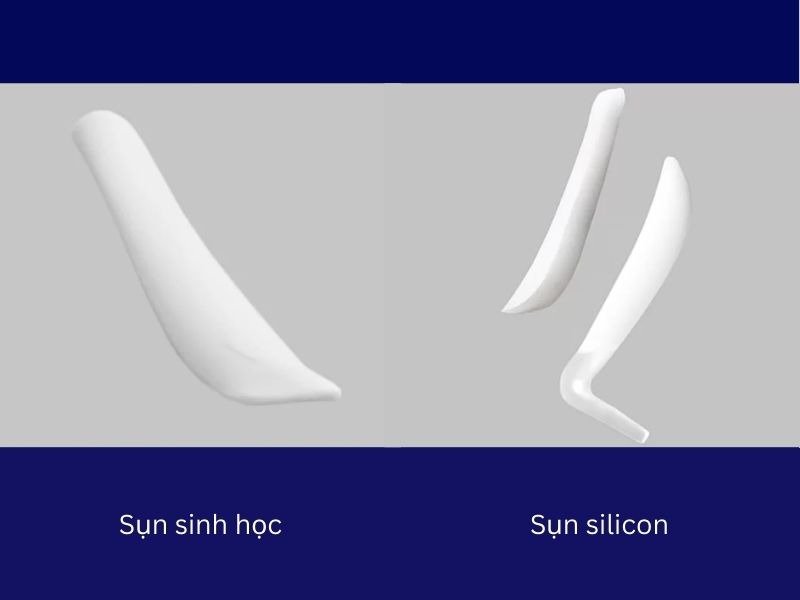
Silicone Cartilage
Silicone cartilage is a type of artificial cartilage that has been widely used for many years due to its flexibility, ease of shaping, and reasonable cost.
Professionally, silicone cartilage allows surgeons to better control the height of the nasal bridge, suitable for cases requiring a clearly defined bridge. However, to ensure long-term safety, the cartilage needs to be meticulously sculpted to fit each individual nose shape and is often combined with autologous cartilage at the tip of the nose to reduce the risk of visible implant edges or redness.
In practice, silicone cartilage is suitable for:
- People with medium to thick nasal skin
- Simple rhinoplasty cases with few imperfections
Gore-Tex cartilage
Gore-Tex cartilage is a biocompatible material with a micro-porous structure, allowing soft tissue to grow and adhere well to the cartilage surface after surgery.
Thanks to this property, Gore-Tex cartilage feels more natural to the touch and reduces the risk of displacement compared to traditional cartilage types. This is a highly regarded choice for rhinoplasty cases requiring softness and stability.
Gore-Tex cartilage is generally suitable for:
- Clients who desire a natural-looking nose
- Those with average nasal skin tone
- Cases where minimizing the feeling of a “fake nose” is crucial
New-generation biocompatible cartilage (Pureform, Surgiform)
New-generation biocompatible cartilages such as Pureform and Surgiform are increasingly being used in current rhinoplasty techniques, especially in structural rhinoplasty and nasal reconstruction.
This type of cartilage has high biocompatibility and a stable structure, allowing surgeons to precisely shape the nose according to each individual’s face. When combined with autologous cartilage, new-generation biocompatible cartilage helps maintain the nose shape well and minimizes long-term complications.
This is a suitable choice for:
- Structural rhinoplasty
- Personalized rhinoplasty
- Cases requiring high stability and long-term aesthetics
The Relationship Between Types of Cartilage and Types of Rhinoplasty
In modern rhinoplasty, the choice of cartilage type is always linked to the specific rhinoplasty method. There is no single type of cartilage suitable for all cases; evaluation must be based on the nasal structure, skin type, and the degree of defect in each individual.
Common rhinoplasty methods currently include:
- S-line rhinoplasty: This method typically uses artificial cartilage to create the nasal bridge, combined with autologous ear cartilage to cover the tip. This combination results in a soft, natural-looking nose and reduces the risk of long-term complications.
- Structural rhinoplasty: This technique involves comprehensive intervention on the nasal septum and tip, where septal cartilage acts as the support, artificial or biocompatible cartilage shapes the nasal bridge, and ear cartilage protects the nasal tip.
- Revision rhinoplasty, complex rhinoplasty: In cases where the nose has undergone previous surgery or has multiple defects, autologous rib cartilage is often preferred for complete reconstruction, ensuring long-term stability and firmness.
Dr. Xuan Quan Aesthetic Clinic – A Reputable Address for Nose Augmentation
In the context of increasing demand for nose augmentation, the decisive factor in the results lies not only in the type of cartilage used or the techniques employed, but also largely in the doctor’s skill and the procedure itself. This is also why many customers prioritize choosing Dr. Xuan Quan Clinic when they need nose reshaping.
The difference in nose reshaping services here lies in a specialized, personalized approach tailored to each individual’s nasal structure, rather than applying a fixed template. Each customer receives a direct examination, thorough analysis of the nasal base, skin, and aesthetic desires before a suitable method is prescribed.
Factors that build customer trust:
- A team of highly qualified and experienced doctors
- Direct examination and surgery
- Successful handling of thousands of nose augmentation cases, from minor to complex cases, including noses with previous cosmetic interventions

Regarding services, rhinoplasty offers a variety of methods to meet different needs:
- S-line rhinoplasty: 25,000,000 VND
- S-line structural rhinoplasty: 45,000,000 VND
- Pureform rhinoplasty: 50,000,000 VND
The services use high-quality materials, with a 5-year material warranty and lifetime results. Sutures are removed after 7-10 days, ensuring customer peace of mind throughout the recovery process and in the long term.
If you are looking for a safe, long-lasting rhinoplasty solution that suits your face, a direct consultation with a specialist is crucial to achieving your desired results.