Tiếng Việt
Temporal augmentation is an excellent solution for filling out a hollow-looking face; however, implant displacement – where the implant shifts out of place – is a distressing complication that can leave the face looking asymmetrical or deformed. What are the warning signs, what causes this issue, and how can it be safely and effectively corrected? Join Dr Xuan Quan Clinic in the article below to explore the solution for “rescuing” a compromised facial appearance.
Signs of temporal implant displacement
Following surgery, you can easily identify if the temporal implant has shifted or become misaligned through the following visible signs:
- Noticeable facial asymmetry: The temporal areas on both sides appear uneven; one side may look full while the other remains hollow, or one side protrudes abnormally, creating a distorted facial appearance.
- Implant shifting or migration: Upon gentle palpation or during facial movements (such as smiling, speaking, or chewing), you can clearly feel the implant moving or sliding away from its intended position rather than remaining firmly in place.
- Visible, irregular implant edges: Ridges or irregularities appear on the skin’s surface, revealing the outline of the implant material underneath and giving the temple area a bumpy, unnatural look.

Causes of Temple Implant Misalignment
The misalignment or shifting of temple implants typically stems from three primary causes:
- Poor surgical skill: This is the leading cause. Inexperienced surgeons may dissect the implant pocket at the wrong tissue plane or create a pocket that is either too large – causing the implant to slide – or too narrow – causing it to bulge or protrude, resulting in asymmetry.
- Low-quality implant material: Using rigid silicone implants of unknown origin often results in poor adhesion. Because the implant fails to integrate properly with the surrounding tissue, it is highly susceptible to rejection, shifting, or fibrous capsule formation over time.
- Improper post-operative care: During the initial weeks before the implant has fully stabilized, accidental strong impacts to the head, a habit of sleeping exclusively on one side, or excessive physical exertion can cause the implant to shift out of position.

Is a misaligned temple implant dangerous? When is a corrective procedure needed?
While a misaligned temple implant is not initially life-threatening, it significantly compromises aesthetics, causing facial distortion and leading to feelings of insecurity and anxiety for the patient.
If left untreated, the displaced implant can compress surrounding blood vessels and nerves, causing persistent, dull headaches. More dangerously, the continuous shifting of a low-quality silicone implant increases the risk of fibrous capsule formation, infection, and even skin tissue necrosis.
When should you seek corrective treatment?
You should consult a specialist immediately if you notice the following signs:
- The temple area appears distorted or noticeably asymmetrical after all swelling has fully subsided (after one month).
- The implant feels loose or shifts when touched, or its edges are visibly protruding or bumpy beneath the skin.
- The temple area exhibits pain, a sensation of tightness, redness, or abnormal swelling.

Safe solutions for correcting a displaced temple implant
To effectively resolve temple implant displacement, the doctor will recommend an appropriate intervention method based on the underlying cause and the type of material previously used.
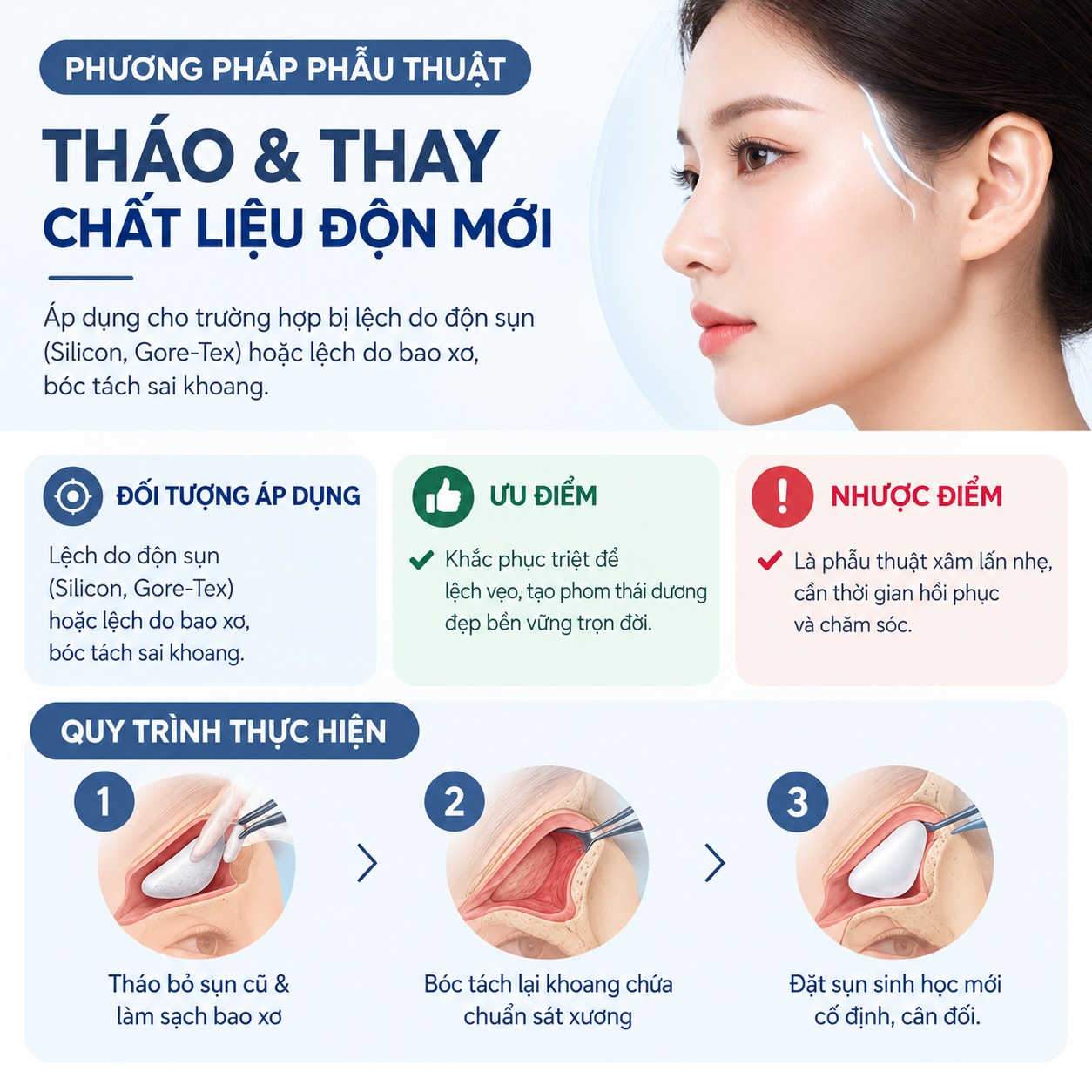
Surgical removal and replacement of the implant
Suitable for cases of displacement caused by the implant itself (e.g., silicone or Gore-Tex), fibrous capsule formation, or incorrect pocket dissection.
- Advantages: Completely corrects the misalignment and creates a beautifully shaped temple with long-lasting, permanent results.
- Disadvantages: Involves a minor surgical procedure requiring recovery time and post-operative care.
- Procedure: Removal of the old implant and clearing of fibrous tissue – Re-dissection of the pocket to ensure precise placement against the bone – Insertion and secure, symmetrical positioning of a new biological implant.
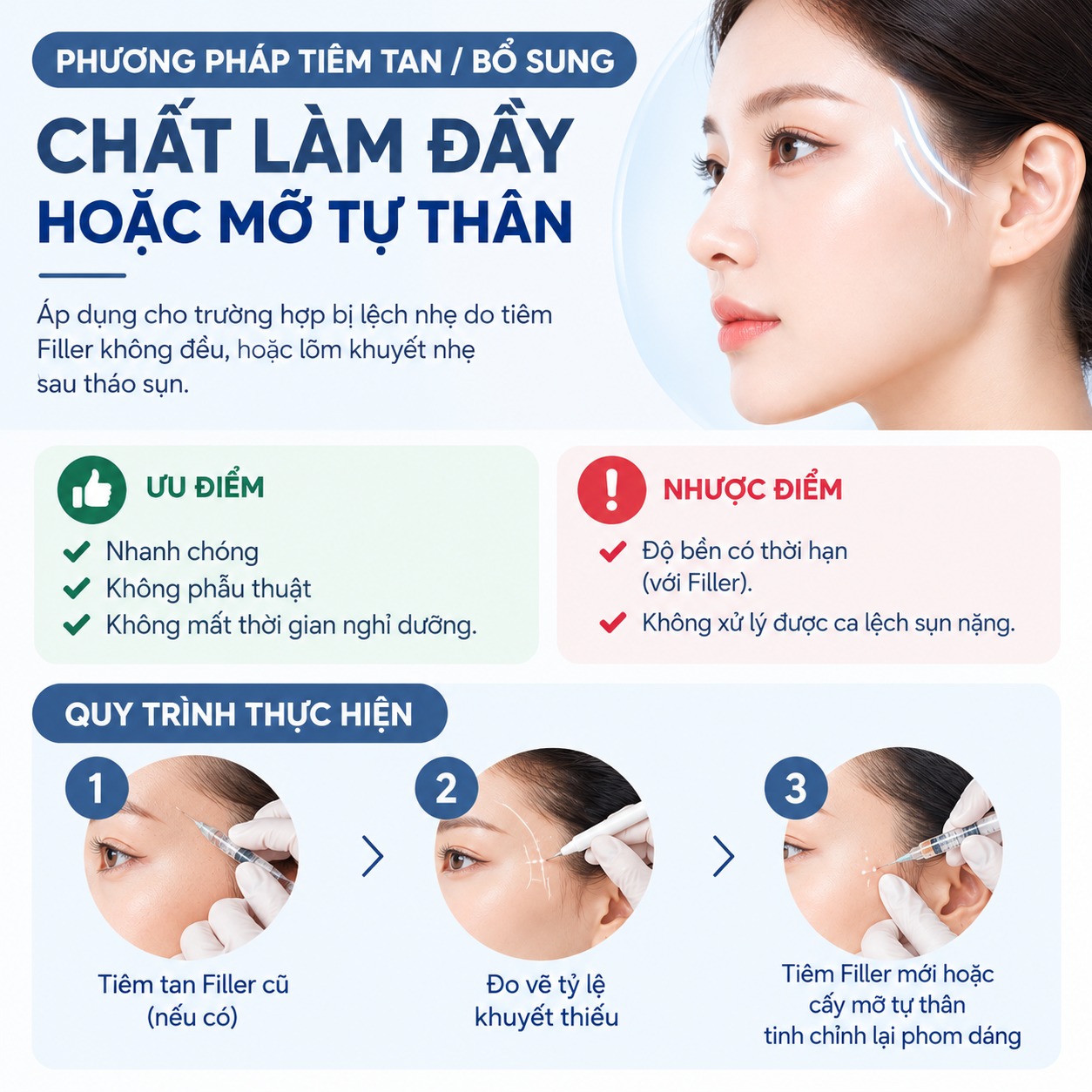
Correction via filler-dissolving injections or supplementation with fillers or autologous fat
Suitable for cases of slight asymmetry caused by uneven filler placement or minor depressions following cartilage removal.
- Advantages: Quick, non-surgical, and requires no downtime.
- Disadvantages: Results are temporary (with fillers); cannot correct severe cartilage misalignment.
- Procedure: Dissolving existing filler (if present) – Mapping the area of deficiency – Injecting new filler or grafting autologous fat to refine the shape.
A Trusted Destination for Correcting Botched or Asymmetrical Temples
Revision surgery – or correcting a botched temple procedure – is far more complex than the initial operation. To resolve issues such as asymmetry, capsular contracture, or unnatural distortion, you need to place your trust in a reputable facility with specialists who possess deep anatomical expertise:
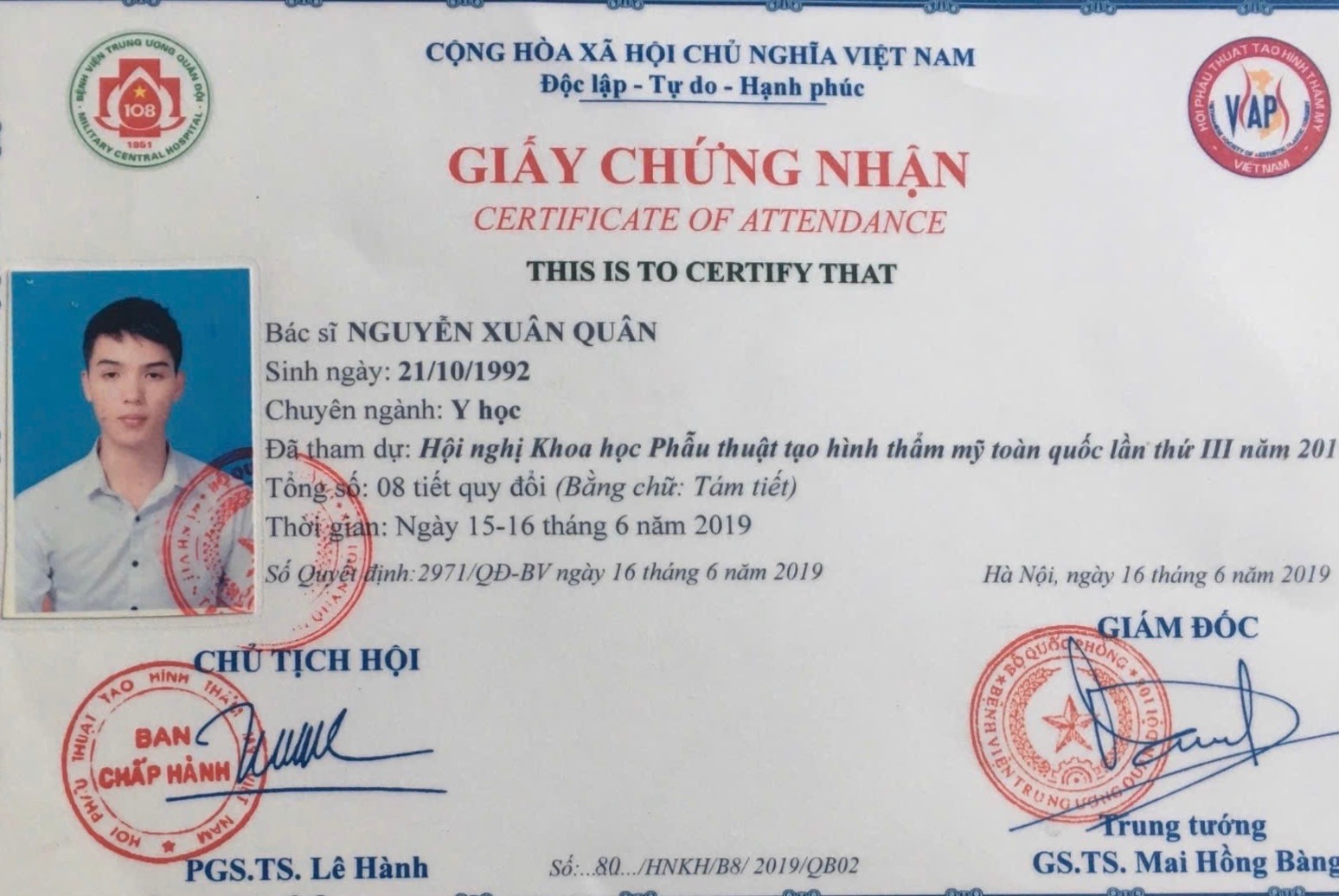
Procedures are personally performed by Dr. Xuan Quan (with over 10 years of experience). A graduate of Hanoi Medical University, Dr. Quan is renowned for his meticulous technique and exceptional skill in handling microsurgery, dissecting complex fibrous adhesions, and restoring a perfectly harmonious shape.
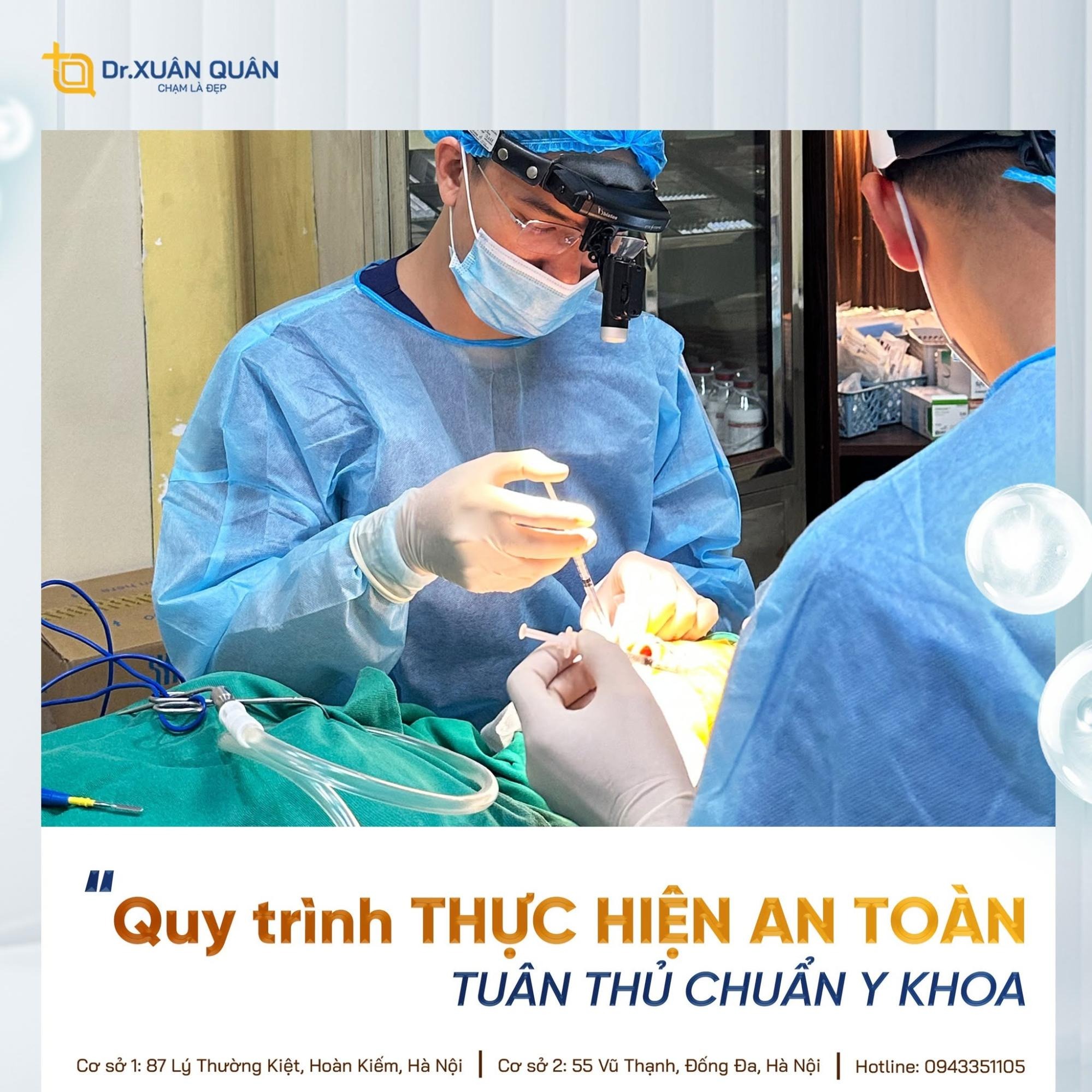
Realignment & Pocket Creation Technique: Skillfully removing old material and cleaning the affected area, followed by the precise dissection of a sub-muscular pocket directly against the bone; this ensures the new cartilage is firmly anchored, guaranteeing stability and preventing future displacement or shifting.

Prioritize high-quality biological cartilage material: Use Pureform cartilage/shaped biological cartilage that is highly compatible with the body, closely fits the temple curvature, giving a natural soft touch feeling like real tissue.
Dedicated medical and post-operative sterile process: The entire process is performed gently and smoothly, combined with 24/7 close monitoring to help the temple area quickly reduce swelling and recover beautifully.
FAQs About Misaligned Temple Implants
Below are the most common questions compiled and briefly answered by Dr Xuan Quan Clinic:
Is correcting a misaligned temple implant painful?
You will receive anesthesia beforehand, so the procedure is completely painless. Dr. Xuan Quan employs a gentle deep-muscle pocket dissection technique, ensuring a smooth process for removing the old implant and inserting the new one while minimizing swelling.
How long after the correction can I have the stitches removed and return to work?
You can resume work and light activities immediately after surgery. Stitches will be removed once the skin tissues have healed and the implant shape has stabilized.
Can a new Pureform implant be inserted immediately after removing the old one?
Yes, provided there is no infection or tissue necrosis in the temple area. The doctor can remove the old implant, clear the pocket, and insert the new Pureform implant during the same surgery to save time.
Is a compression bandage required after correcting a misaligned temple implant?
Yes. You must wear a compression bandage for the first 3 – 5 days as instructed; this helps the new Pureform implant adhere quickly to the muscle tissue and prevents shifting or misalignment.
The information above covers the signs, causes, and definitive solutions for correcting misaligned temple implants. Contact us today for a direct consultation with a specialist and to create a safe, personalized revision plan to restore a full, radiant appearance.