Tiếng Việt
A high, refined nose is the secret to a radiant and captivating face. However, with the wide array of beauty technologies available today, choosing a safe and suitable solution is no easy task. In this article, Dr Xuan Quan Clinic provides a detailed overview of current rhinoplasty methods, helping you easily compare their pros and cons to find the optimal choice for yourself.
Popular rhinoplasty methods today
To make it easier to choose, current nose beautification technologies are often divided into two main groups: Non-surgical nose lift (for people who are afraid of going under the knife, have a nose with few defects) and Rhinoplasty surgery (intensive intervention, comprehensive change in nose shape).
Below is a detailed comparison table of the most popular rhinoplasty methods to give you an overview:
|
Comparison criteria |
Dermal Fillers / Thread Lifting | S-line Rhinoplasty (Standard/Cartilage-wrapped) | S-line structural rhinoplasty |
Pureform Rhinoplasty |
| Technical nature | A non-surgical, nonsurgical procedure using injections of dermal fillers or the insertion of cosmetic threads to temporarily elevate the bridge of the nose. | A minor surgical procedure. It involves using artificial cartilage to augment the nasal bridge, potentially combined with ear cartilage to wrap the nasal tip, creating a soft S-shaped profile. | Advanced major surgery. Comprehensive nasal reconstruction: constructing the nasal columella using autologous cartilage, elevating the nasal bridge, and sculpting an S-line profile with proportions optimized for East Asian aesthetics. | Uses premium Pureform (100% ePTFE) biological cartilage for nasal bridge augmentation. Can be combined with structural reconstruction or cartilage wrapping, depending on the specific condition of the nose. |
| Most suitable target audience | For individuals who already have a well-shaped nose but lack height and desire a quick aesthetic enhancement without going under the knife. | For individuals who already have a refined nasal tip but a low, flat bridge. | Individuals with a nose exhibiting multiple imperfections (such as being short, upturned, or having a hump) or with a nose structure that has contracted or been damaged due to a botched surgery. | Suitable for those desiring a naturally high nose bridge and quick shape stabilization, or for individuals with sensitive constitutions prone to allergic reactions to standard cartilage. |
| Advantage | Ultra-fast procedure (15–30 minutes), leaves absolutely no scars, requires no downtime, and delivers immediate results. | Creates a natural, gently curved S-line nose shape at a reasonable cost, with relatively quick surgery and recovery times. | Corrects even the most stubborn congenital imperfections and safely lengthens the nasal tip, eliminating concerns about complications such as redness or implant visibility. | Pureform cartilage features an autologous tissue integration mechanism (enabled by millions of tiny pores), allowing it to anchor firmly to the nasal bone without shifting, resulting in a natural look and feel akin to real cartilage. |
| Disadvantages | The results are short-lived. There is a risk of filler migration, necrosis, or inflammation if the injection technique is flawed or if substandard products are used. | Intervention is limited to the bridge of the nose; the nasal tip cannot be significantly lengthened in cases of a very short or upturned nose. | The high cost and complex dissection techniques require the performing physician to possess master-level skill and a “golden touch.” | Imported Pureform cartilage material is quite expensive, and the procedure requires the surgeon to possess extremely precise cartilage-sculpting techniques. |
| Duration | Short-term (6 months to 2 years, depending on individual physiology and the type of material). | Medium- to long-term (approximately 10–15 years, depending on individual physiology). | Lasts a lifetime—or indefinitely—with proper care and correct maintenance. | Lifelong durability, thanks to up to 95% compatibility with the body. |
| Average cost ($) | 100 – 350
(Depending on the type and brand of filler or thread, and the dosage (cc) used.) |
550 – 950
(The typical price range for minor procedures involving nasal bridge augmentation and ear cartilage tip grafting.) |
1300- 2800
(It varies depending on the combination of autologous cartilage used: ear, septal, or costal cartilage.) |
1900 – 3400
(Due to the high cost of the raw material for the premium imported ePTFE biological cartilage…) |
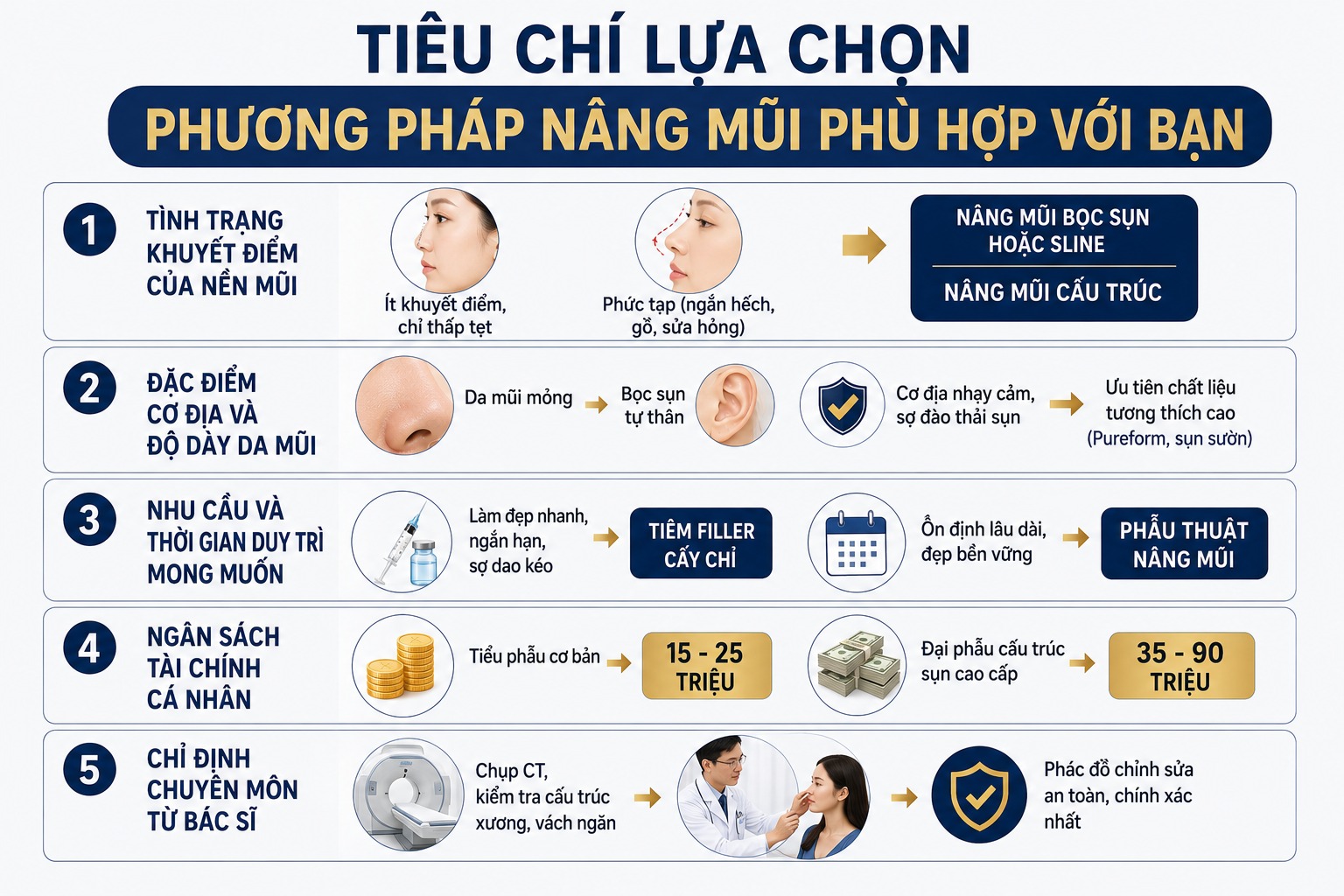
Criteria for choosing a suitable nose enhancement method
To achieve a naturally beautiful, safe, and durable nose shape, you should carefully consider the following key factors before proceeding:
- Existing nasal characteristics: For noses with minor imperfections, cartilage wrapping or S-line techniques are suitable; complex cases (upturned, humped, or previously botched noses) require structural rhinoplasty for comprehensive reconstruction.
- Skin type and physiology: Thin skin requires autologous cartilage wrapping to prevent redness or shine; sensitive individuals should opt for Pureform (biologic) cartilage or rib cartilage to enhance biocompatibility.
- Durability requirements: Dermal fillers or thread lifts are suitable for quick, short-term aesthetic improvements, whereas surgical rhinoplasty is the optimal solution for sustainable, long-lasting results.
- Personal budget: Balance your finances to select the appropriate service tier, ranging from basic minor procedures (15–25 million VND) to premium structural surgeries (35–90 million VND).
- Medical recommendations: This is the most critical factor. You should undergo a direct consultation and CT scan at a reputable facility to receive a safe and precise correction plan.
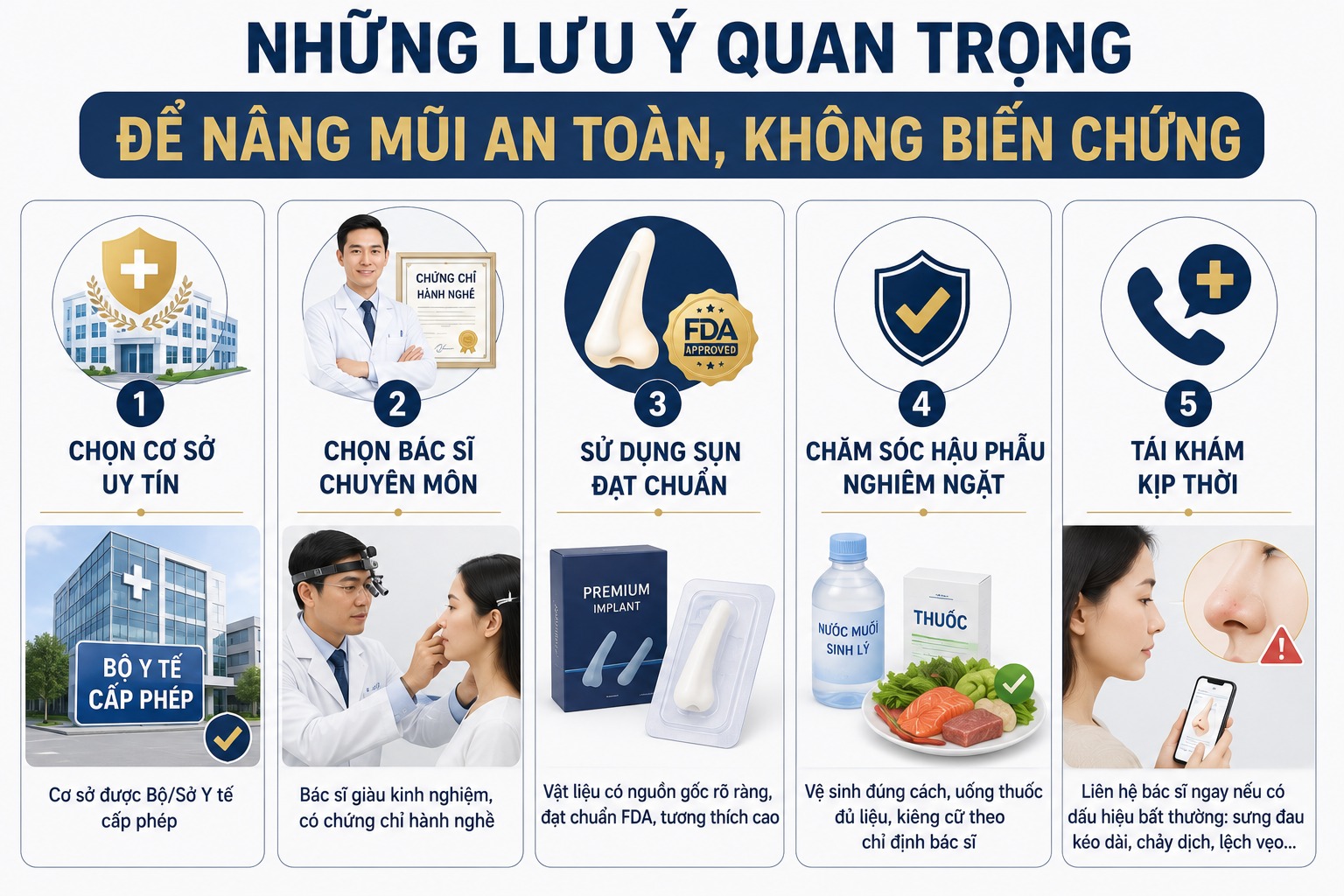
Important tips for a safe, complication-free nose job
To ensure a successful surgery and minimize complications, please adhere to the following guidelines:
- Choose a reputable facility: Undergo the procedure only at locations licensed by the Ministry of Health or local health departments to ensure sterile conditions and medical safety.
- Select a qualified surgeon: Prioritize experienced surgeons who hold valid practicing certificates and possess a strong professional reputation.
- Use high-quality cartilage: Ensure the implant material is from a reliable source, meets FDA standards, and offers high biocompatibility.
- Follow strict post-operative care: Maintain proper hygiene, take prescribed medications as directed, and avoid foods that may cause scarring or suppuration.
- Attend timely follow-up appointments: Contact your doctor immediately if any abnormal signs appear, such as prolonged swelling or pain, fluid discharge, or a crooked/misaligned nose shape.
Top-rated destination for rhinoplasty today
Below are outstanding advantages that help Dr. Xuan Quan Aesthetics affirm its position as the leading reputable nose lift address today, trusted and chosen by a large number of customers:
Medical standard procedures & modern equipment: Possessing a closed sterile operating room with CT scanning technology to carefully screen the bone structure and septum, ensuring the surgery is safe, gentle and prevents maximum complications.
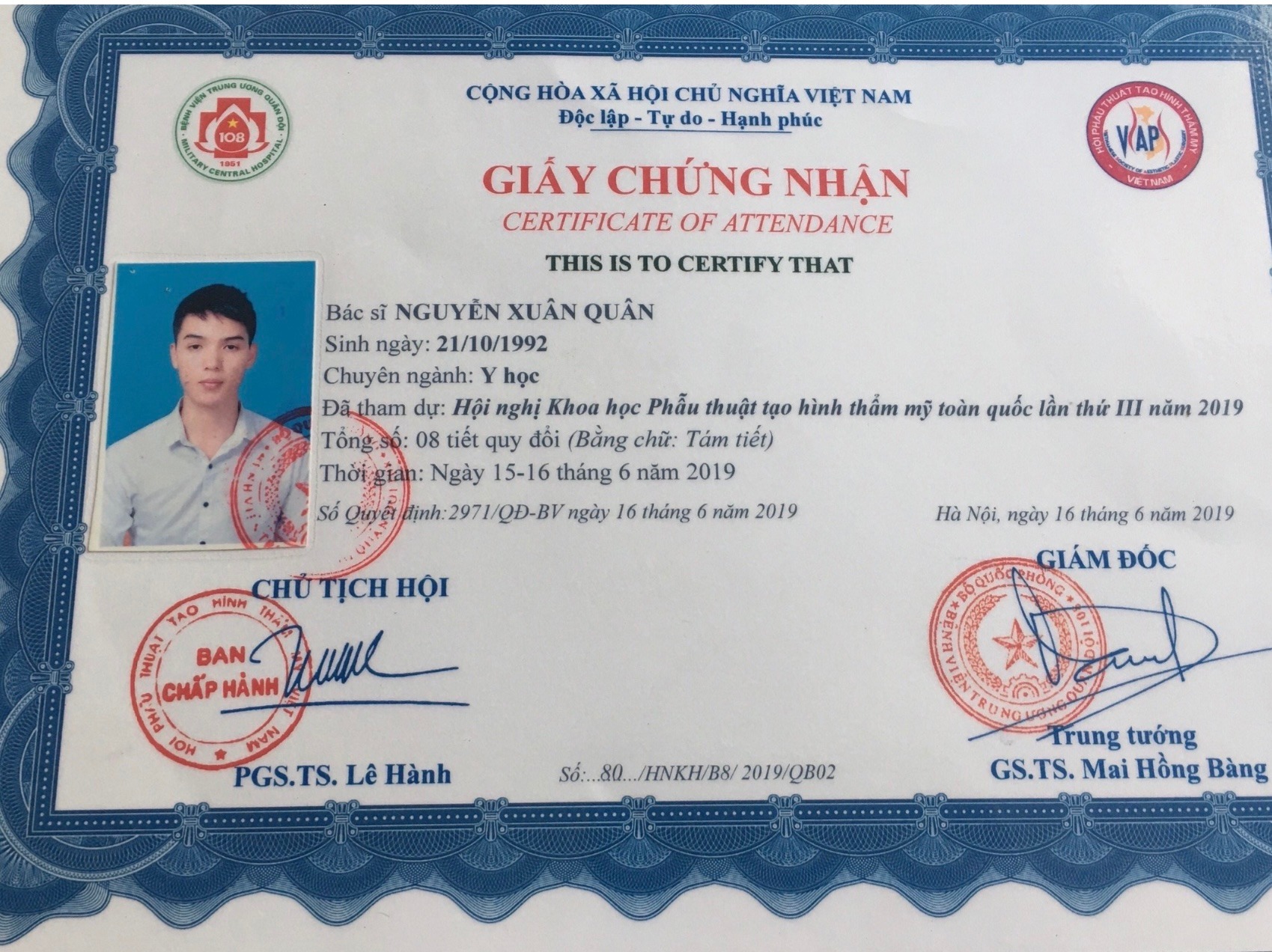
Highly specialized, experienced doctor: Directly Dr. Xuan Quan – graduated from Hanoi Medical University with more than 10 years of experience and has studied extensively abroad – examines and performs.
Advanced technology & Personalized nose shape: Applying modern methods such as structural nose lift, Pureform cartilage… helps completely overcome defects, bringing a delicate, natural and sustainable nose shape over time.
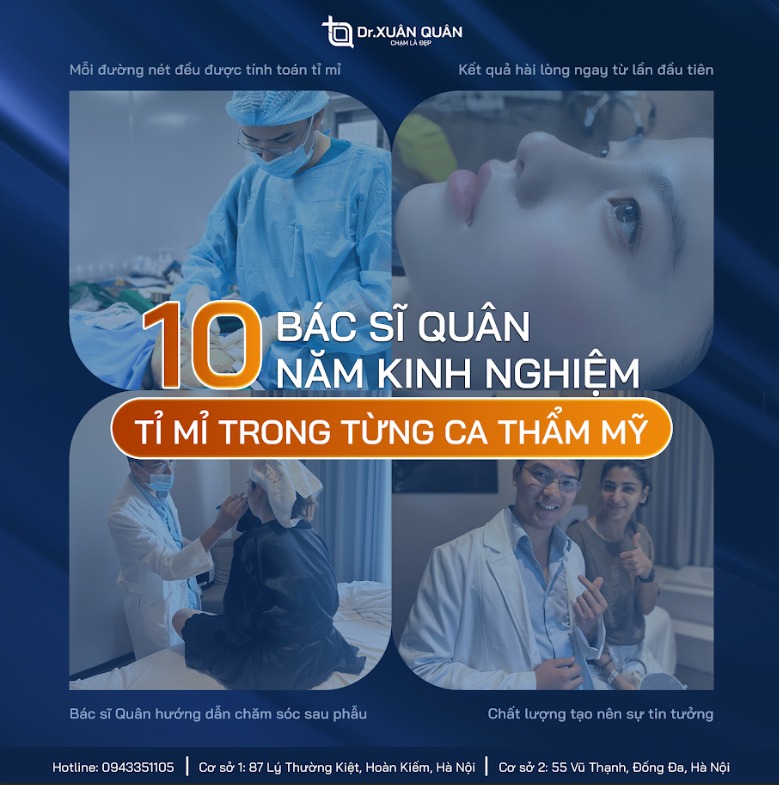
Rhinoplasty costs at Dr. Xuan Quan Aesthetic Clinic
The cost of rhinoplasty at Dr. Xuan Quan Aesthetic Clinic is transparent and all-inclusive, with flexible pricing based on the specific technique to suit every client’s budget.
| S-line Rhinoplasty | 950$ |
| S-line structural rhinoplasty | 1500$ |
| Pureform Rhinoplasty | 1900$ |
To ensure maximum benefits for our clients, the center upholds a commitment to superior quality through the following policies:
- Warranty Policy: A 1-year warranty on the procedure, a 5-year warranty on materials, and a lifetime guarantee on the results.
- Recovery Period: Clients are scheduled for suture removal after just 7–10 days, allowing the nose to settle into its shape quickly, safely, and naturally.
Frequently Asked Questions About Rhinoplasty Methods
Is a nose job painful, and how long does it take to heal?
The procedure is completely painless thanks to local anesthesia or sedation. You may experience mild swelling for the first 3–5 days; stitches are removed after 7–10 days, and the nose achieves a natural look within 1–3 months.
Is there a risk of the body rejecting Pureform biological cartilage?
No. This premium ePTFE material boasts 95% biocompatibility, allowing blood vessels and tissue to bond firmly with the implant, thereby completely eliminating the risk of rejection.
Can I sleep on my side after the procedure?
You should sleep on your back for the first 1–2 weeks to ensure the nose shape stabilizes; once the stitches are removed, you can sleep on your side and resume normal activities.
We have summarized the current trending rhinoplasty methods, along with key criteria and important considerations for a safe aesthetic experience. If you have any further questions or wish to achieve a refined nose shape, please contact us today for a consultation and to schedule an in-person appointment with a specialist!