Tiếng Việt
How long does a rhinoplasty last? This is a common question among clients who want to have a beautiful and lasting nose shape. In reality, the lifespan of a rhinoplasty is not fixed; it can last from 5 years, 10 years, 20 years, or even a lifetime, depending on the method used and post-operative care. With nearly 10 years of experience, Dr Xuan Quan Clinic will help you understand the factors that determine the lifespan of a rhinoplasty and how to scientifically care for your nose after the procedure.
What factors determine the lifespan of a rhinoplasty?
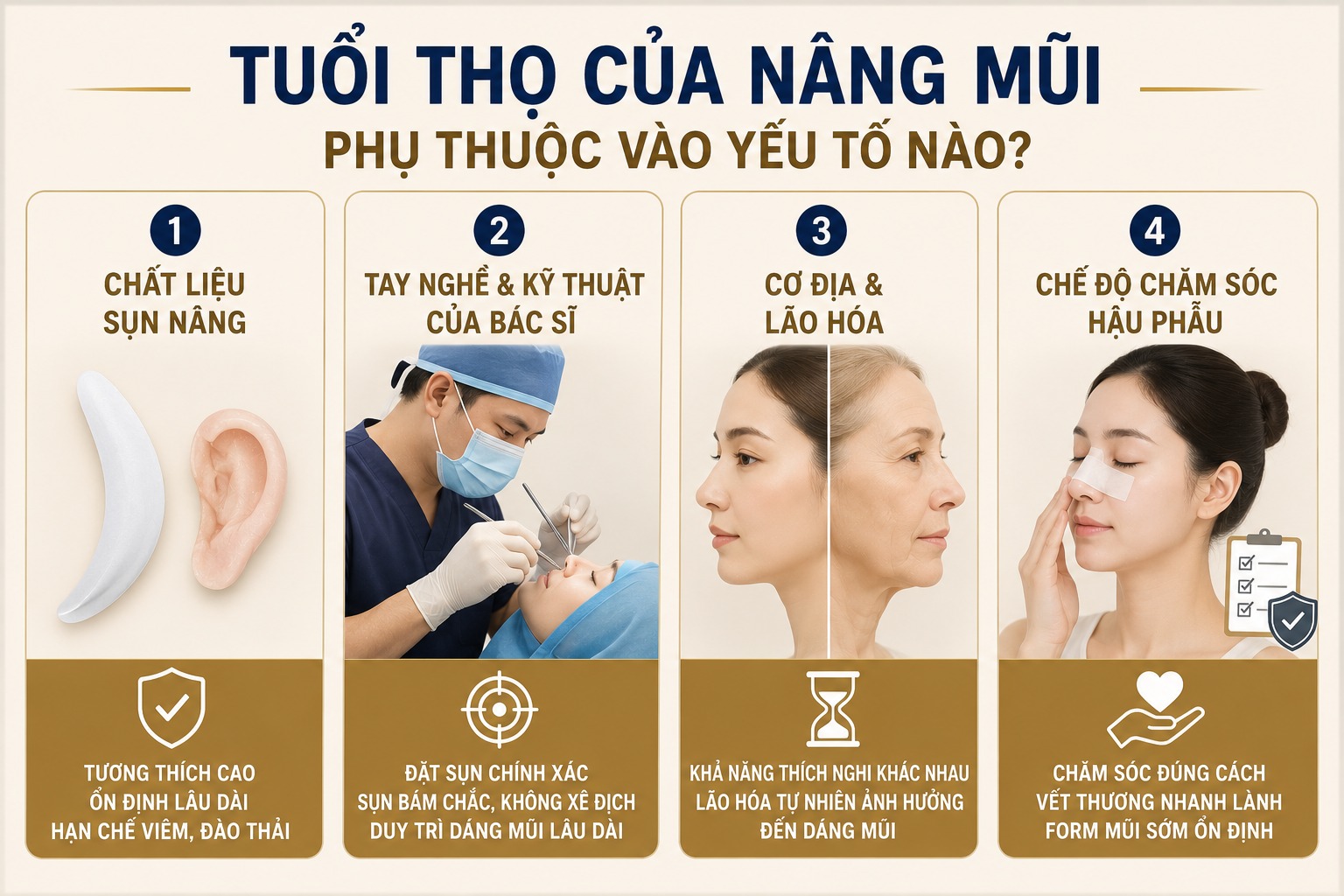
To achieve the most perfect appearance and maintain beauty over time, Dr Xuan Quan Clinic points out the key factors that determine the durability of the nose shape:
- Cartilage material: This is a crucial factor directly affecting compatibility. High-quality cartilage or autologous cartilage usually helps the nose shape achieve stability and minimizes signs of inflammation or rejection after rhinoplasty.
- The surgeon’s skill and technique: A skilled surgeon with a thorough understanding of anatomical structures will accurately dissect and place the cartilage into the nasal cavity. Precise technique ensures the cartilage adheres firmly, preventing displacement, thus extending the lifespan of the rhinoplasty and providing long-term peace of mind.
- Individual constitution and aging process: Each person has a different ability to adapt to artificial materials. Over time, the natural aging process of the skin and soft tissues also affects the shape of the nose, requiring a truly durable supporting structure.
- Post-operative care: A scientific post-operative care process from surgery to suture removal plays a crucial role. Following the doctor’s instructions helps the wound heal quickly and the nose shape settles into a fixed position sooner.
Comparing the Longevity of Popular Rhinoplasty Methods
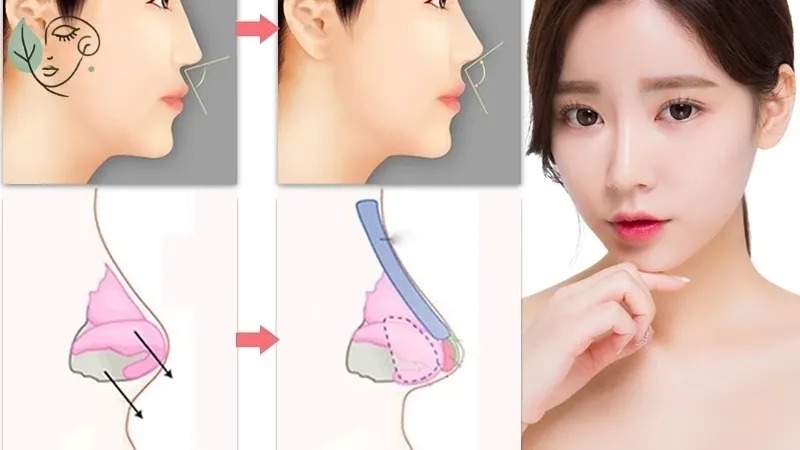
The longevity of a rhinoplasty largely depends on the technique used to reshape the nasal structure; each method has a different level of durability:
S-line Rhinoplasty (Artificial Cartilage)
This technique uses artificial cartilage to raise the nasal bridge, creating a soft S-shaped curve. This method is suitable for people with few nasal imperfections. Typically, the lifespan of an S-line rhinoplasty lasts from 10 to 15 years.
However, if performed by a highly skilled surgeon, the shape can last longer while maintaining stability.
S-line Structural Rhinoplasty
This is the optimal solution for those who desire the most perfect appearance and long-lasting results. By comprehensively restructuring the nasal tip with autologous cartilage and the nasal bridge with artificial cartilage, this method ensures the cartilage firmly adheres to the tissue, preventing rejection or visible implant edges.
The lifespan of structural rhinoplasty is typically lifelong, providing long-term peace of mind for the patient.
Pureform Rhinoplasty
Using premium Pureform cartilage (100% ePTFE) with a vascular structure allows tissue and blood vessels to penetrate and firmly attach to the nasal bone like autologous cartilage. Thanks to its absolute compatibility, Pureform minimizes signs of inflammation or shrinkage after rhinoplasty.
This is the top choice for achieving lasting, natural beauty with permanent results.
Signs That Your Nose Augmentation Is Experiencing Problems
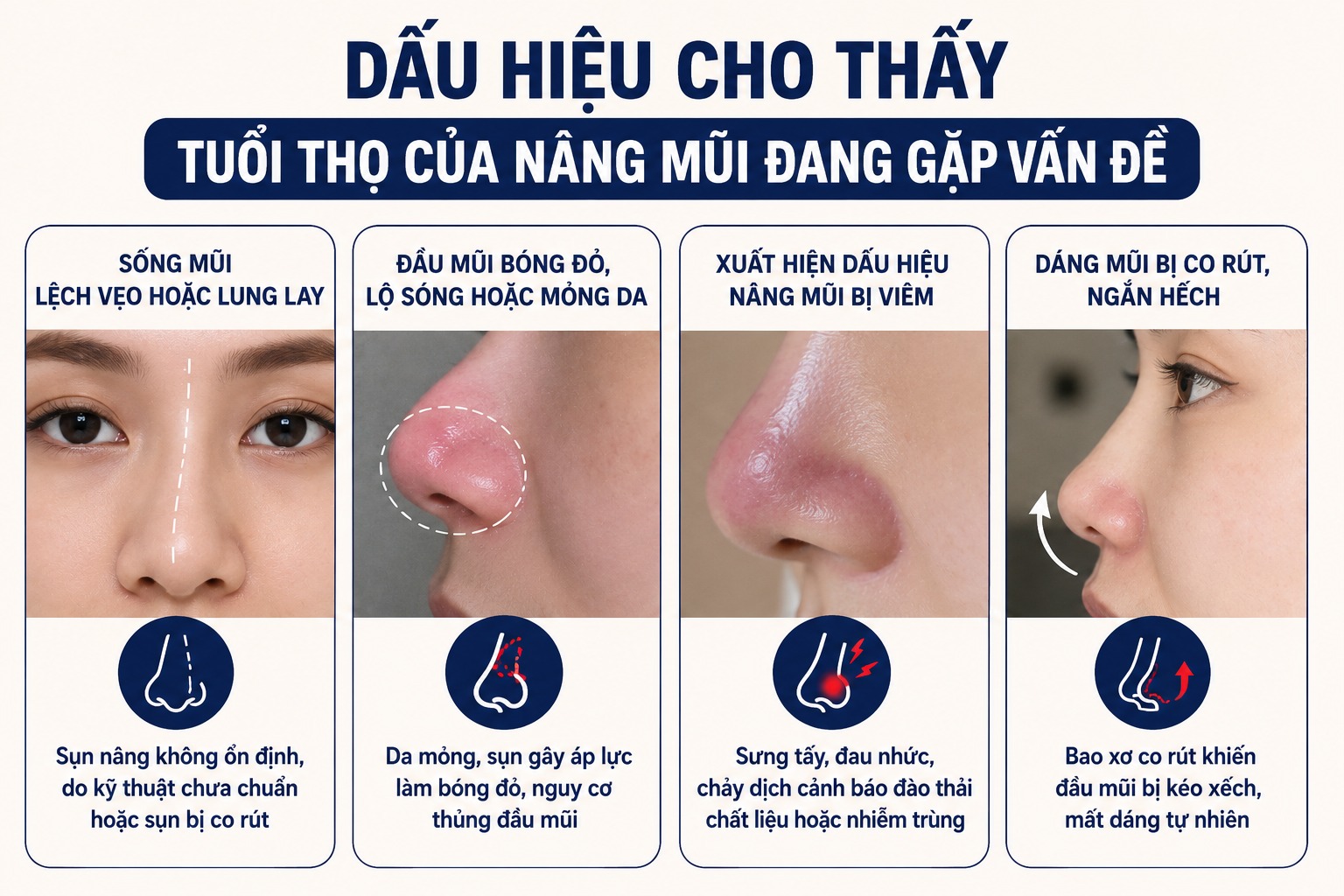
Even if you desire a permanent nose shape, over time or due to negative factors, the lifespan of your nose augmentation may decrease. You should pay special attention to the following signs to intervene promptly and protect your appearance:
- A crooked or loose nasal bridge: This is a sign that the implant is no longer stable. This may be due to improper implant placement techniques or implant shrinkage after many years of use, causing a loss of facial balance.
- A red, shiny, or thin skin tip: When the skin around the nose erodes over time, the artificial cartilage can exert significant pressure, leading to redness and swelling. If not treated promptly, this condition can easily lead to perforation of the nasal tip, seriously affecting aesthetics and health.
- Signs of inflammation after rhinoplasty: If the nasal area is frequently swollen, persistently painful, or discharges fluid a long time after surgery, this is a warning sign of material rejection or infection inside the nasal cavity.
- Nose retraction and shortening: With old or low-quality cartilage, after a long time, capsular contracture may occur, causing the tip of the nose to be pulled upwards, losing its original natural appearance.
Secrets to Extending the Lifespan of Rhinoplasty
To maintain a stable and perfect nose shape over time, a combination of healthy lifestyle habits and professional techniques is essential. Here are some secrets to extending the lifespan of your rhinoplasty:
Maintain a healthy lifestyle and natural care
Protecting the nose from external impacts helps the implant firmly adhere to the bone structure:
- Protect the nose from physical impacts: In the initial period and in the long term, limit contact sports or strong impacts to the face. Keeping the nasal bridge from becoming crooked is the most natural way to maintain its original shape.
- Healthy nutrition: Supplementing with foods rich in Vitamin C and zinc helps strengthen the resistance of the nasal tissue, preventing signs of inflammation caused by environmental factors.
- Gentle massage: After the nose has fully recovered (usually after 3-6 months), proper massage as instructed helps improve blood circulation, nourishing the skin around the nose and preventing thinning of the skin that reveals the implant.

The Importance of Doctor’s Skill and Technology
No matter how well you care for yourself, the initial foundation is still the deciding factor, accounting for 80% of the longevity of rhinoplasty:
- Choosing a highly qualified doctor: With nearly 10 years of experience and training in Korea and Singapore, Dr. Xuan Quan possesses sophisticated dissection techniques, ensuring the cartilage is placed in the correct layer, creating a strong connection with the body’s tissues. This helps create a beautiful, long-lasting, and natural-looking nose.
- Utilizing modern equipment: At Dr Xuan Quan Clinic, the use of advanced diagnostic imaging technology helps create accurate treatment plans, minimizing invasiveness. Absolute sterilization ensures safety from surgery to suture removal.
- Adhering to post-operative procedures: Regular follow-up appointments allow the doctor to closely monitor cartilage compatibility and promptly address any issues that arise, providing long-term peace of mind.
- The assurance from a professional warranty: A strong testament to the quality and longevity of rhinoplasty here is the professional 1-year warranty and the 5-year material warranty. This is Dr. Xuan Quan’s responsible commitment, helping customers feel completely confident in their lasting beauty.
Frequently Asked Questions About the Lifespan of Rhinoplasty
To help clients be completely proactive and confident in their beauty decisions, Dr Xuan Quan Clinic answers the most common questions surrounding the durability and longevity of rhinoplasty:
Does rhinoplasty using artificial cartilage need to be replaced after 10 years?
With modern techniques and high-quality cartilage materials like Pureform, if the nose shape remains stable and firm, without signs of inflammation or redness at the tip, then you absolutely do not need replacement.
However, regular check-ups with the doctor are necessary to monitor the compatibility of the cartilage over time.
Why does structural rhinoplasty have a longer lifespan than regular rhinoplasty?
Structural rhinoplasty involves deep intervention into the nasal bridge and tip using autologous cartilage, creating a durable, load-bearing framework. The perfect connection between autologous cartilage and soft tissue ensures a beautiful and long-lasting nose shape, without erosion or distortion due to aging, unlike traditional implant methods.
Does repeated revision rhinoplasty reduce the lifespan of the procedure?
Repeated revisions can cause the nasal tissue to harden; however, with nearly 10 years of experience and training in Korea and Singapore, Dr. Xuan Quan possesses sophisticated dissection techniques to ensure safe reconstruction.
After suture removal, is the nose permanent?
Suture removal after 7-10 days is only the initial stage of recovery. To achieve maximum stability and longevity, the nose needs 3-6 months for the tissue to firmly attach to the cartilage. During this period, post-operative care plays a crucial role.

The above information provides detailed answers to your questions about how long a rhinoplasty lasts and the key factors for maintaining lasting beauty. Visit Dr Xuan Quan Clinic for a one-on-one consultation and experience top-notch service, ensuring lasting beauty over time.