Tiếng Việt
After eyelid surgery, swelling is a normal physiological reaction of the body when soft tissue is subjected to surgical intervention. However, many patients worry when they see swelling on one side or uneven swelling in the first few days of recovery. So, what are normal signs, and what are signs that require medical attention? This article from Dr Xuan Quan Clinic will help you understand and proactively handle the situation correctly.
Why does eyelid surgery cause swelling after the procedure?
Post-operative swelling after eyelid surgery is a natural physiological reaction of the body when the soft tissue in the eyelid area is subjected to dissection and suturing. Causes of swelling often include:
- Physiological inflammatory reaction: After surgery, the body activates its self-healing mechanism, increasing blood flow to the treated area to regenerate tissue. This causes mild swelling of the eyelids.
- Soft tissue fluid accumulation: During the process of dissecting excess skin and fat, a small amount of fluid may temporarily accumulate in the eyelid area.
- Impact from the suturing of the eyelid crease: Creating a connection between the skin and the levator muscle can cause edema in the first few days.
Typically, the most noticeable swelling after eyelid surgery occurs in the first 48-72 hours. From day 5-7, the swelling will gradually decrease significantly without any unusual signs such as increasing pain, discharge, fever, or progressively larger swelling.
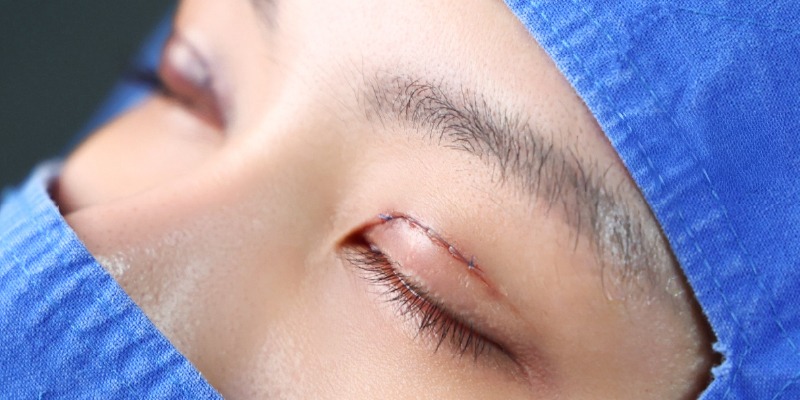
Is it something to worry about if one side of my eyelid is swollen after surgery?
In the early stages of recovery, swelling on one side of the eyelid after surgery is relatively common and usually not dangerous if it’s mild. This difference may stem from:
- Different individual constitutions and tissue thickness on both eyelids
- Slight differences in the degree of tissue intervention on each side
- The habit of lying on one side in the first few days after surgery.
If the uneven swelling gradually subsides after 3-5 days, you can rest assured and continue monitoring. However, if one eyelid is noticeably more swollen, feels very tight, has widespread bruising, or the pain increases, you should see a doctor soon to rule out fluid accumulation or infection.
How long does it take for uneven swelling after eyelid surgery to subside?
Uneven swelling after eyelid surgery is usually temporary during the recovery process. After suture removal (approximately 7-10 days), the degree of swelling will significantly improve, and the eyelids will begin to soften.
Typical recovery process:
- First 3 days: Noticeable swelling, possibly with slight bruising
- Approximately 7 days: Swelling significantly reduces
- 2-4 weeks: The eyelid crease gradually looks more natural
- 2-3 months: The eyelids are relatively stable and clearly symmetrical
If after 1 month the uneven swelling after eyelid surgery is still noticeable or does not improve over time, you should consult a specialist for an accurate assessment and appropriate treatment.
How to reduce swelling after eyelid surgery effectively and safely
Swelling after eyelid surgery is a normal bodily reaction; however, with proper care, you can shorten the recovery time and prevent prolonged swelling on one side or uneven swelling. Below are some important guidelines from a professional perspective:

Cold compresses: a crucial step in the first 48 hours
Proper cold compresses help constrict blood vessels, reduce fluid buildup, and minimize bruising.
- Use a specialized cold pack or wrap ice in a clean, dry towel.
- Apply gently to the area around the eyelid (do not press directly on the stitches).
- Apply for 10-15 minutes each time, every 1-2 hours.
- Do this regularly for the first two days.
After 48-72 hours, when the swelling subsides, you can switch to a gentle warm compress to help dissolve the bruise and improve blood circulation.
Take medication and maintain hygiene as prescribed
Antibiotics and anti-inflammatory drugs play a role in controlling the inflammatory response – the main cause of prolonged swelling after eyelid surgery.
- Take the medication as prescribed and for the correct duration as directed by your doctor.
- Do not stop taking the medication on your own even if the swelling subsides.
- Do not use additional pain relievers or antibiotics without consulting your doctor first.
Regarding hygiene:
- Use saline solution or the prescribed antiseptic solution to gently clean the eyelid area.
- Avoid direct contact of dirty water, cosmetics, or facial cleansers with the incision during the first week.
- Proper medication use and care help reduce the risk of infection – a factor that can worsen uneven swelling after eyelid surgery.
Adjust your sleeping and lifestyle posture
Incorrect sleeping positions can worsen swelling on one side after eyelid surgery. You should:
- Elevate your head at approximately 30 degrees while sleeping for the first 5-7 days to reduce fluid retention.
- Avoid lying on one side for extended periods.
- Do not bend over, lift heavy objects, or engage in strenuous activity during the first week.
Additionally, limit prolonged use of phones and computers, as constant eye strain can cause eyelid tension and prolong swelling.
Dietary recommendations to help reduce swelling and prevent scarring
Nutrition directly affects tissue regeneration. During the first 2-3 weeks, you should:
- Avoid water spinach, sticky rice, seafood, chicken, and alcohol.
- Drink 1.5-2 liters of water daily.
- Increase your intake of green vegetables and fruits rich in vitamin C to support healing.
A proper diet not only helps reduce swelling quickly but also minimizes scarring, resulting in softer, more natural-looking eyelids.
Reputable eyelid surgery at Dr Xuan Quan Clinic
In eyelid aesthetics, the deciding factor isn’t “how much to cut,” but “the right level of intervention.” A beautiful eyelid crease needs to harmonize with the orbital bone structure, levator muscle, and skin elasticity. Therefore, at Dr. Xuan Quan Aesthetic Clinic, each eyelid surgery is designed with a personalized approach, prioritizing safety, accuracy, and long-term results.
Our team of specialized doctors directly examines and analyzes the eyelid skin structure, excess fat, degree of aging, and levator muscle function in detail before prescribing the appropriate method. Their experience in handling both basic and complex cases of eyelid surgery minimizes the risk of eyelid asymmetry, scarring, and postoperative complications.
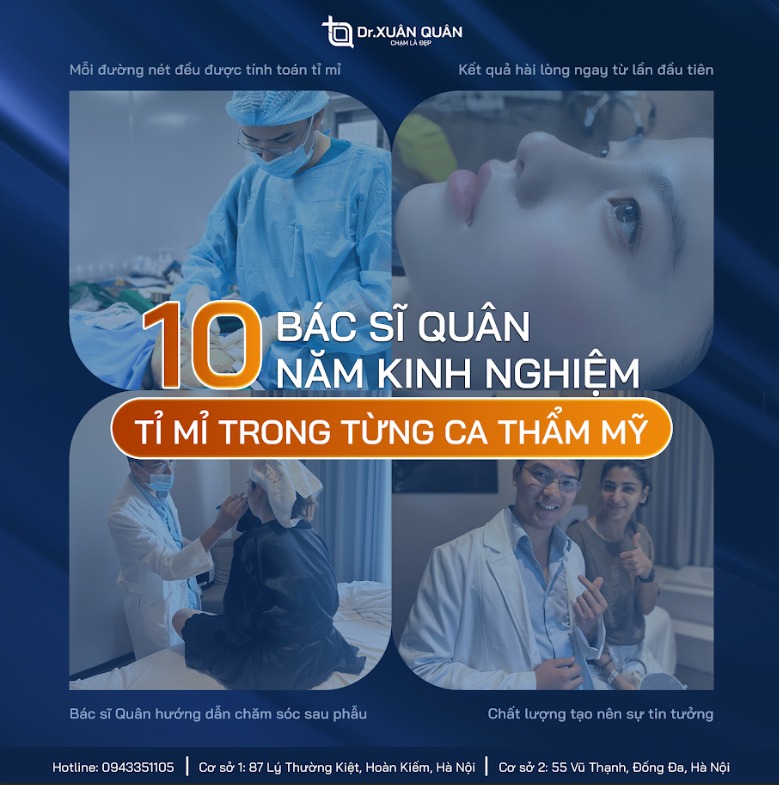
Why choose Dr. Xuan Quan?
- Specialized in eyelid surgery: Carefully assesses eye structure, avoiding excessive skin removal or unnatural-looking eyelids.
- Personalized eyelid design: No fixed form applied; height and curvature adjusted to facial proportions.
- Modern equipment: Supports meticulous dissection and suturing, reducing the risk of scarring.
- Standard medical procedures: Sterile environment, minimizing complications.
- Close post-operative monitoring: Sutures removed after 7 days, results last 5-10 years depending on individual characteristics, 6-month warranty.
If you are considering improving your eye area or need to correct a botched eyelid surgery, don’t hesitate. Register for a consultation at Dr. Xuan Quan Aesthetic Clinic to receive advice on the most suitable solution and build a safe treatment plan tailored to you.
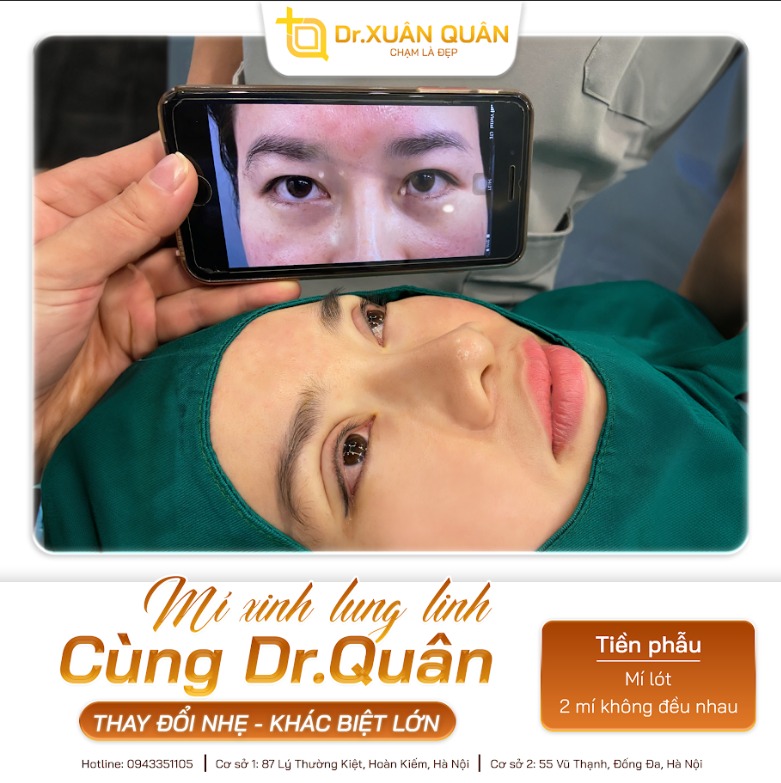
In summary, this article has helped you understand the condition of eyelid swelling after surgery, distinguish between normal and abnormal recovery signs, and how to minimize swelling on one side or uneven swelling that lasts for an extended period. If you experience any abnormal signs during recovery, such as prolonged pain, excessive swelling, or pus discharge, you should consult a specialist as soon as possible for examination and timely treatment to avoid affecting the aesthetic results.