
 Tiếng Việt

Sunken or hollow temples are a significant aesthetic flaw that can make the face appear gaunt and aged, while inadvertently highlighting prominent, coarse cheekbones. In the study of physiognomy (face reading), this facial structure is often viewed unfavorably, as it is believed to signify hardships in both personal relationships and one’s career. In this article, Dr Xuan Quan Clinic provides a detailed analysis of the causes and reveals effective, safe solutions to help you restore a fuller, more radiant appearance.
What are sunken temples? Identifying a face with hollow temples
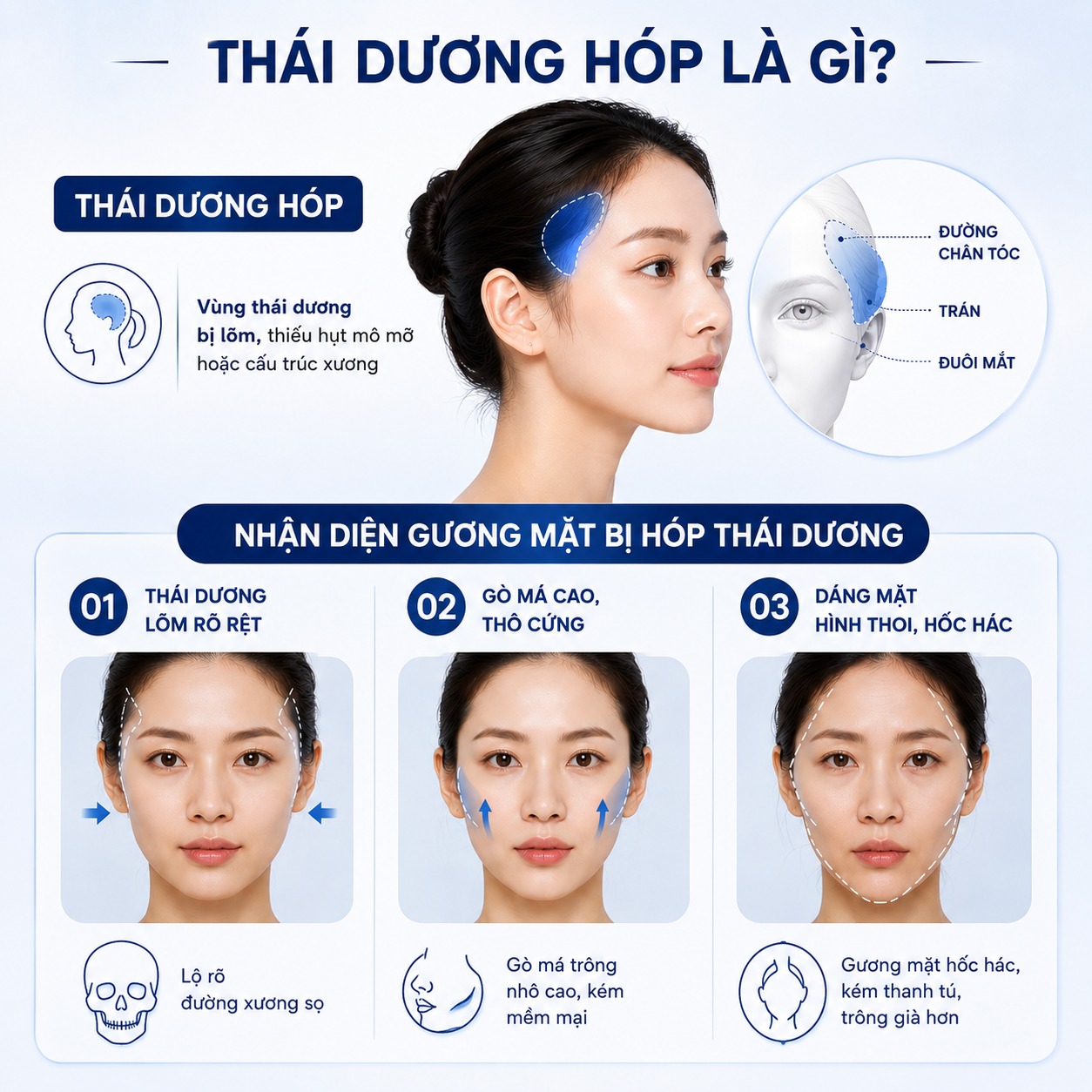
The temples are the areas located on either side of the forehead, bounded by the hairline, the forehead, and the outer corners of the eyes. Sunken temples occur when there is a deficiency in fatty tissue or the underlying bone structure in this area, resulting in a visible depression or hollow.
You can easily identify sunken temples by observing the following visual characteristics:
- Clearly depressed temple area: The transition zone between the forehead and the eye sockets lacks fullness and instead appears sunken, making the contours of the skull more pronounced.
- An effect of high, coarse cheekbones: Hollow temples make the cheekbones appear more prominent and sharp, often giving the face a square or gaunt look.
- A diamond-shaped or gaunt facial structure: The face loses its overall refinement and smoothness; the continuous line from the forehead to the chin appears broken, resulting in an aged and weary-looking appearance.
Causes of Sunken or Deeply Hollowed Temples
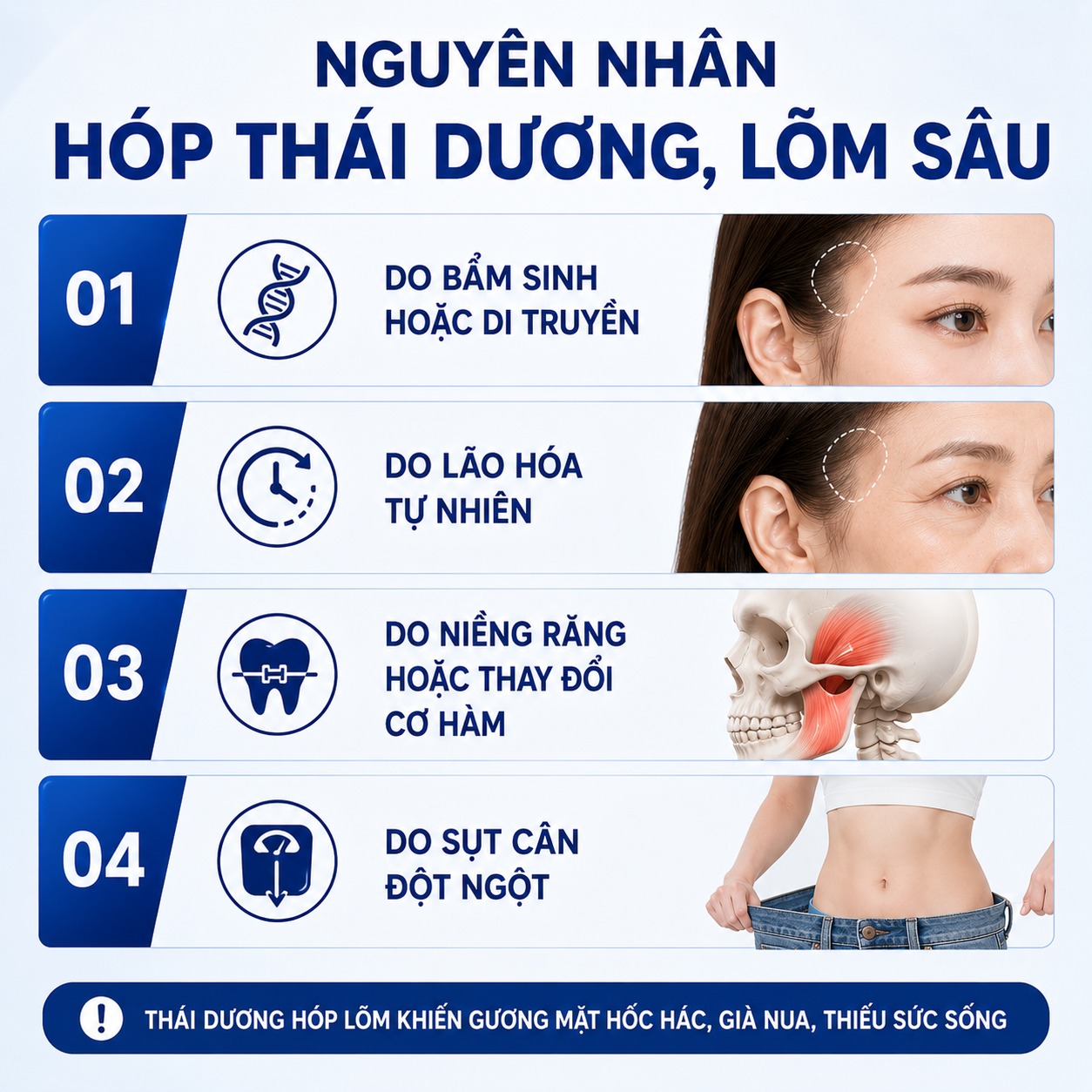
A sunken or deeply hollowed temple area – where the underlying skull structure becomes clearly visible – typically stems from the following four common causes:
- Congenital or genetic factors: Some individuals are born with a facial bone structure characterized by narrow temples or a very thin layer of subcutaneous fat in that region.
- Natural aging process: After the age of 30, the body experiences a significant decline in collagen and elastin. Simultaneously, subcutaneous fat in the facial area begins to atrophy and diminish, causing the temples to become increasingly hollow.
- Orthodontic treatment or changes in jaw muscles: Orthodontic procedures can alter the bite (occlusion). Combined with restricted chewing, this can lead to the wasting away of the temporalis and masseter muscles, resulting in a gaunt appearance on both sides of the face.
- Sudden weight loss: Rapid or excessive weight loss – or physical debilitation – causes a swift reduction in facial fat. Areas with thinner skin, such as the temples, are particularly susceptible to this change.
Common Methods for Addressing Sunken Temples
To correct sunken or hollow temples, the field of aesthetic medicine currently offers three common approaches, ranging from natural-based solutions to more intensive procedures:
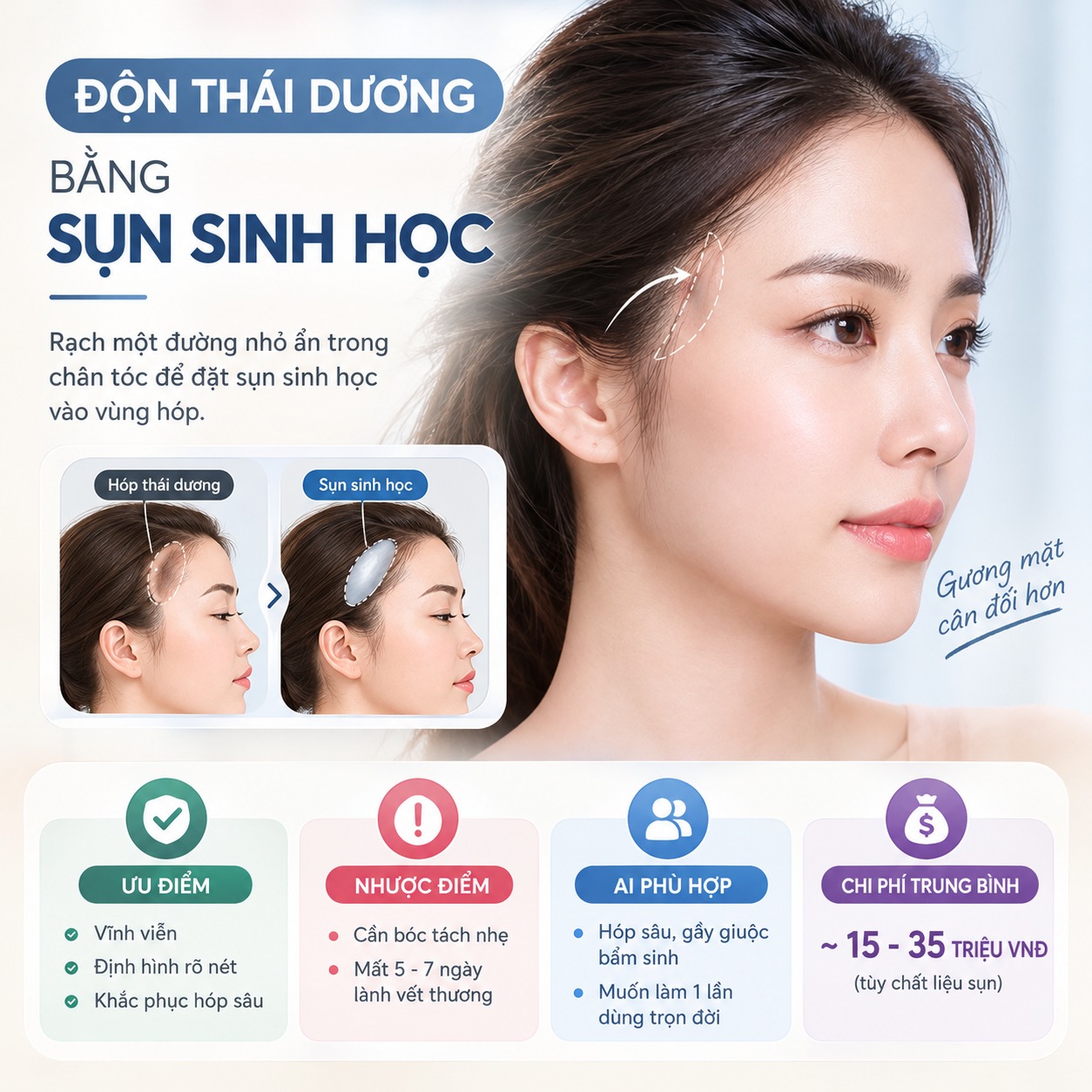
Temple Augmentation with Biological Implants
A surgeon makes a small, discreet incision within the hairline to insert a biological implant into the sunken area.
- Pros: Provides permanent results, creates a well-defined shape, and effectively corrects even deeply sunken temples.
- Cons: Requires a minor surgical procedure (dissection); healing takes 5–7 days.
- Suitable for: Individuals with deep, congenital temple hollowing or a very thin facial structure; those seeking a one-time, lifelong solution.
- Average Cost: ~15,000,000 – 35,000,000 VND (depending on the type of implant material).
Temple Filler Injections
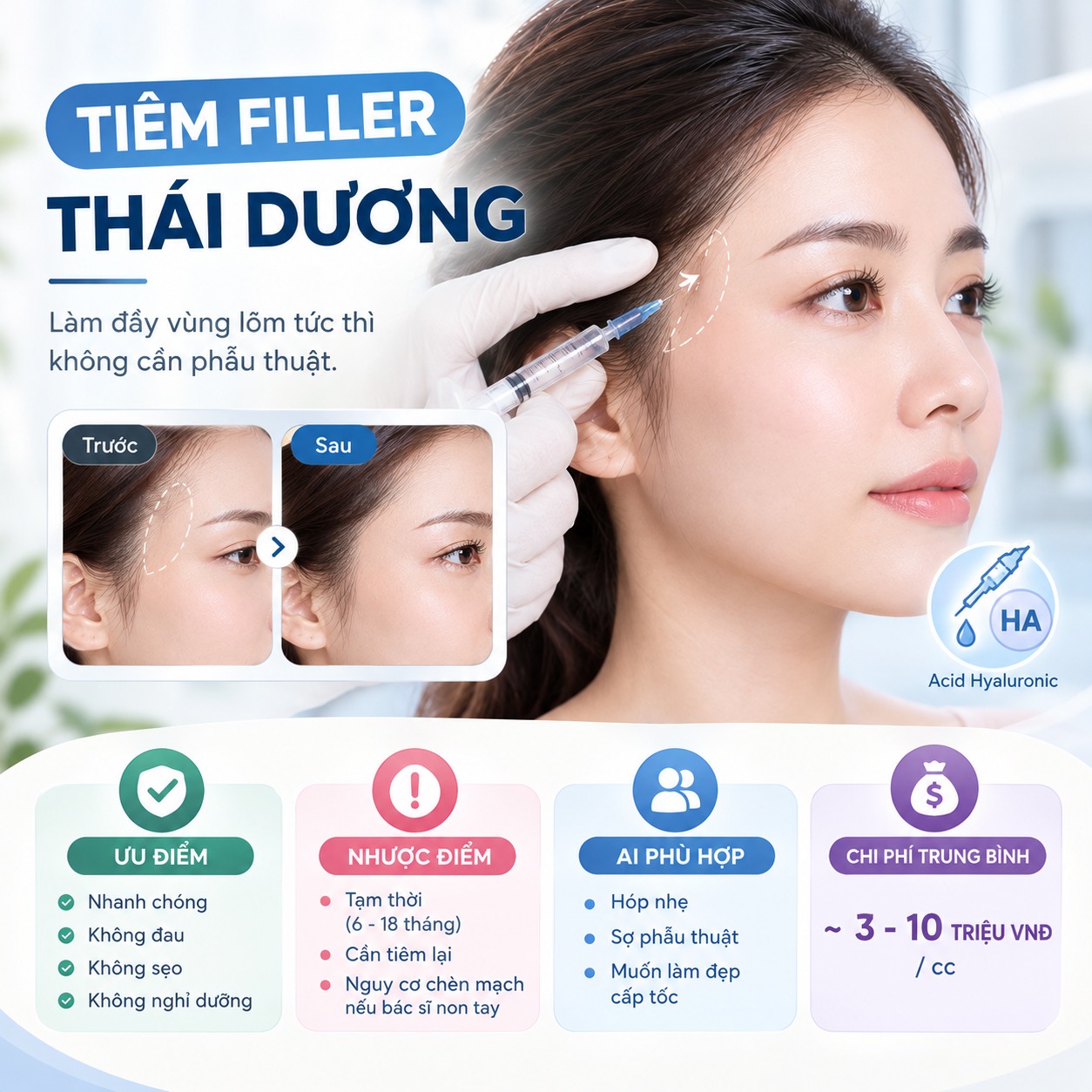
Injections of Hyaluronic Acid (HA) dermal fillers to instantly fill in hollow or sunken areas, without the need for surgery.
- Pros: Quick procedure (15–20 minutes), painless, no scarring, and no downtime required.
- Cons: Temporary results (lasting 6–18 months), requiring periodic follow-up injections; carries a risk of vascular occlusion if performed by an inexperienced practitioner.
- Suitable for: Individuals with mild temple hollowing who wish to avoid surgery or are seeking quick aesthetic results.
- Average cost: ~3,000,000 – 10,000,000 VND per cc.
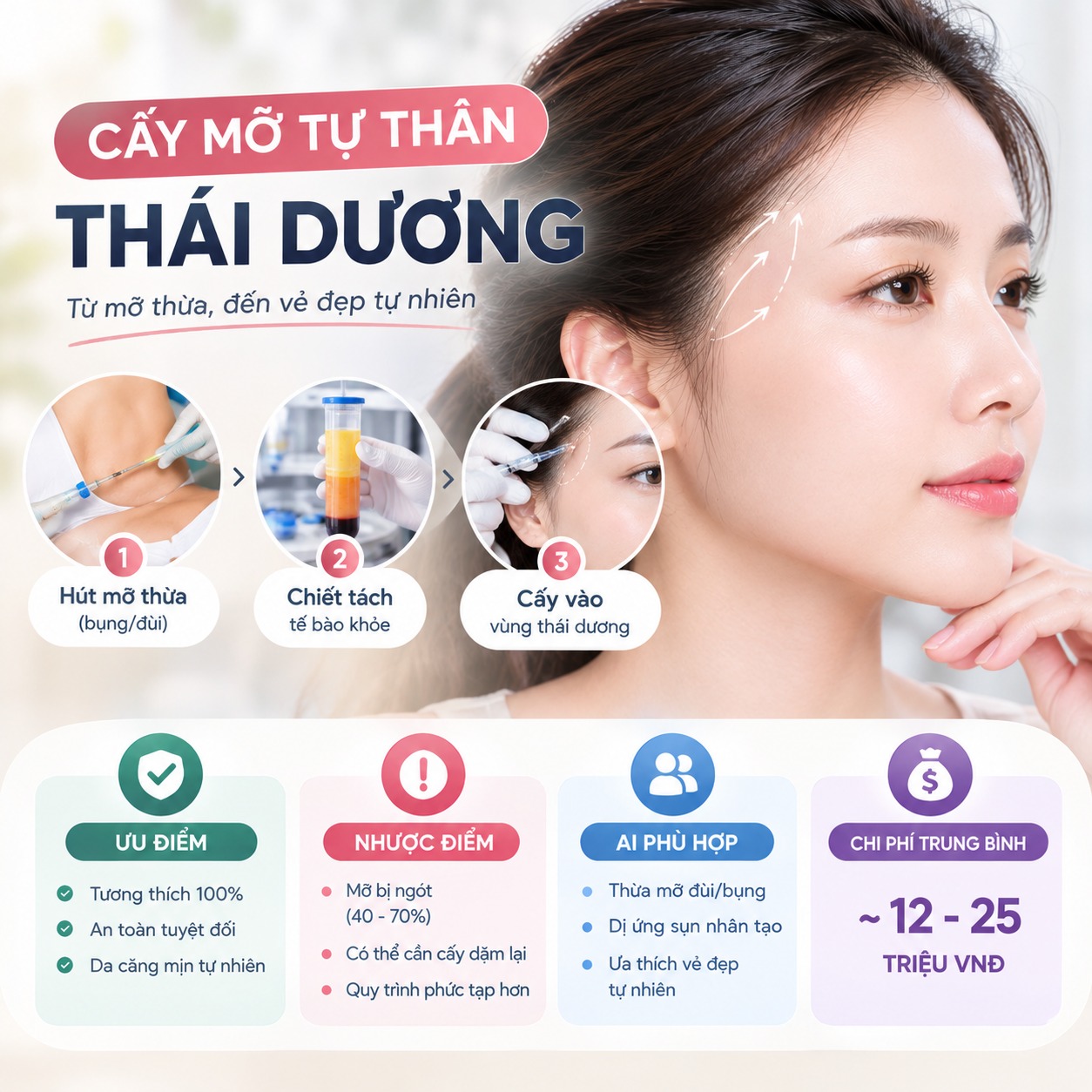
Autologous Fat Grafting for the Temple Area
Excess fat is harvested from the abdomen or thighs, processed to isolate healthy cells, and then grafted into the temple area.
- Advantages: 100% biocompatibility, absolute safety, and a natural, smooth, and firm appearance for the temple skin.
- Disadvantages: The fat may shrink over time (with a survival rate of 40–70%), potentially requiring follow-up grafting sessions; the procedure is more complex.
- Suitable candidates: Individuals with excess fat in the abdomen or thighs, those with an allergy to synthetic implants, or those who prefer a soft, natural aesthetic.
- Average cost: ~12,000,000 – 25,000,000 VND.
A Reliable Destination for Effective, Long-Lasting Correction of Sunken Temples
If you are seeking a definitive solution for sunken or hollow temples, Dr Xuan Quan Clinic stands out as a premier, trusted choice, thanks to the following key advantages:
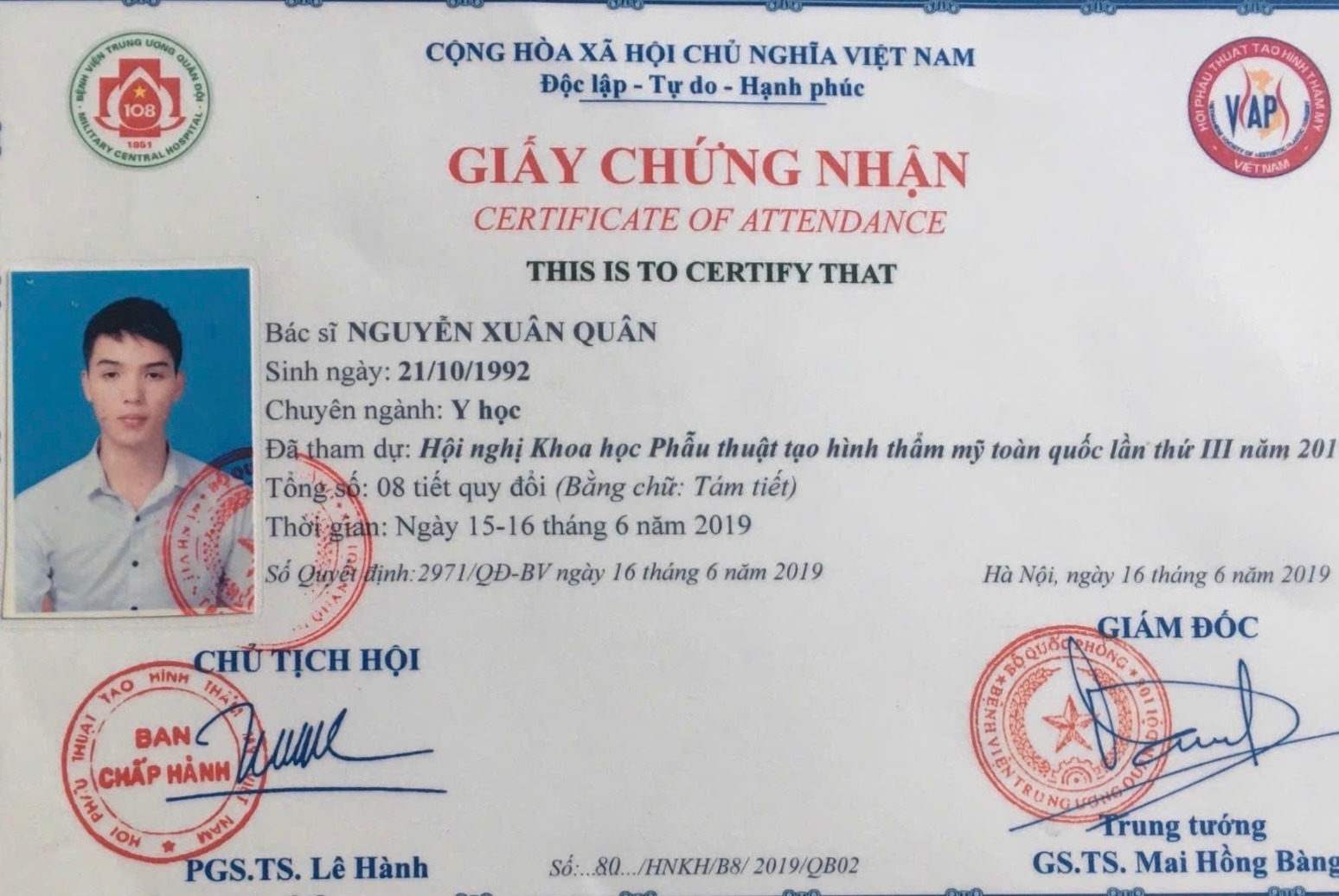
Highly qualified specialist with over 10 years of experience: Every step of the process – from the initial consultation and precise facial mapping to the surgical procedure itself – is performed personally by Dr. Xuan Quan. A graduate of a prestigious medical university with advanced specialized training abroad, Dr. Xuan Quan employs a precise technique for dissecting deep muscle pockets. This approach minimizes invasiveness, ensures a painless experience, and leaves no visible scarring.
Use of premium, medical-grade Pureform implants: We exclusively utilize 100% ePTFE implants – the most advanced and high-quality material currently available. Featuring an intelligent biomembrane structure, these implants integrate seamlessly with the body, completely eliminating the risk of rejection or capsular contracture.
Medically standardized procedures for absolute safety: All surgeries are performed under strict protocols within a sterile, unidirectional-airflow operating room, ensuring maximum safety and preventing infectious complications.
Comprehensive post-operative care and a reliable warranty: Patients receive attentive follow-up care, including complimentary dressing changes and scheduled suture removal. Furthermore, our 6-month warranty serves as a firm commitment to the quality and long-lasting results of our procedures.

Post-operative Care Instructions for Temple Augmentation
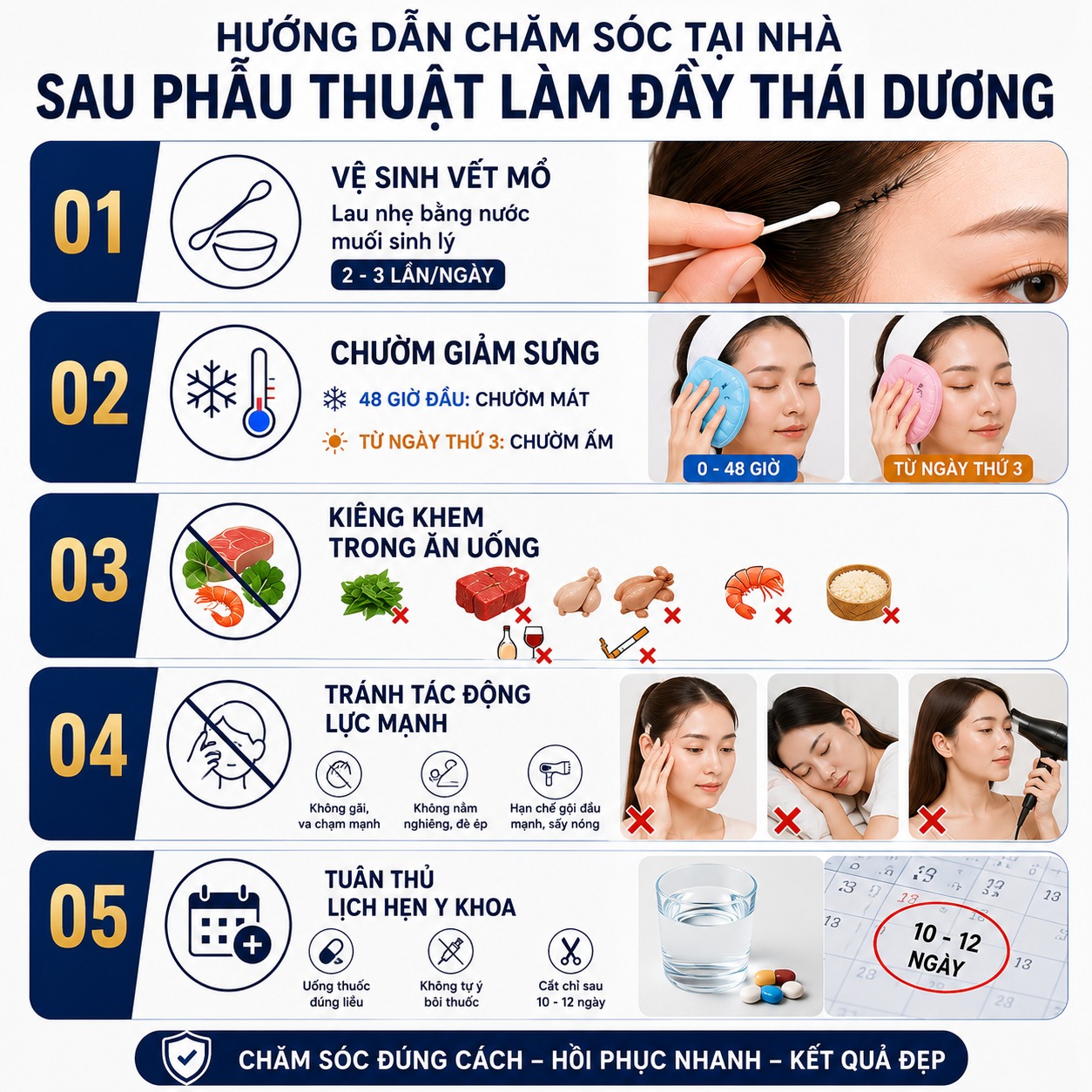
Proper post-operative care accounts for 30% of the final shape and aesthetic outcome of the temple area. Following your procedure, please adhere to the following important guidelines:
- Careful Wound Cleaning: Use a cotton swab dampened with saline solution to gently clean the incision site – hidden behind the hairline – 2–3 times a day. Keep the area clean and dry.
- Effective Swelling Management: For the first 48 hours, apply a cold compress around the temple area (ensure the ice pack does not come into direct contact with the incision) to reduce swelling. From the third day onward, switch to a warm compress to help dissipate any bruising.
- Dietary Restrictions: For at least the first 2–3 weeks, strictly avoid foods that may promote scarring, pus formation, or irritation – such as water spinach, beef, chicken, seafood, and glutinous rice-based dishes – as well as stimulants (alcohol, caffeine, etc.).
- Avoid Physical Impact: Do not scratch or subject the area to strong impact. Avoid sleeping on your side in a way that puts pressure on the temples. During the first week, minimize vigorous hair washing and avoid using a hair dryer on high heat.
- Medical Follow-up: Take all prescribed medications exactly as directed by your physician. Do not apply any products not explicitly approved by your doctor. Return to the clinic for suture removal 10–12 days after the procedure.
.
Frequently asked questions about sunken temples
Here are brief answers from experts to the most common questions:
Is temporal implantation with biological cartilage painful and does it leave scars?
Before the procedure, you will be anesthetized so it is completely painless. The microscopic incision is cleverly hidden deep in the hairline by the doctor, so it is guaranteed not to reveal cosmetic marks and not leave ugly scars on the face.
Is Pureform cartilage material safe and permanent?
Premium Pureform (ePTFE) cartilage is up to 95% compatible with the body, allowing blood vessels and tissues to adhere firmly. This material does not erode or eliminate over time, providing a lifelong plumping effect.
How long after surgery will my temples look naturally beautiful and my hair can be washed?
The temple area will stabilize and gather a naturally beautiful shape after about 1 – 3 months depending on the body. You can wash your hair gently after removing stitches, be sure to dry your hair on a cool setting and avoid scratching the hairline area near the incision.
Above is all the detailed information about the causes, as well as effective methods to overcome sunken temples today.
If you are tired of looking haggard and prematurely aged and want to find a safe, permanent solution to plump your temples, contact Dr. Aesthetics immediately. Xuan Quan to receive consultation from a specialist and draw a personalized plan today.