Tiếng Việt
Laser removal or minor surgery for moles is merely the first step in eliminating the blemish; the final outcome – specifically whether the skin becomes smooth and evenly toned – depends almost entirely on post-procedure care. In this article, Dr Xuan Quan Clinic outlines a skincare routine to follow after mole removal, helping the wound scab over quickly and heal safely.
Post-Mole Removal Skincare Routine: A Stage-by-Stage Guide
After mole removal, the skin requires time to heal and regenerate new cells. To optimize recovery and prevent scarring, you should follow a specialized care routine tailored to specific timeframes, as detailed below:
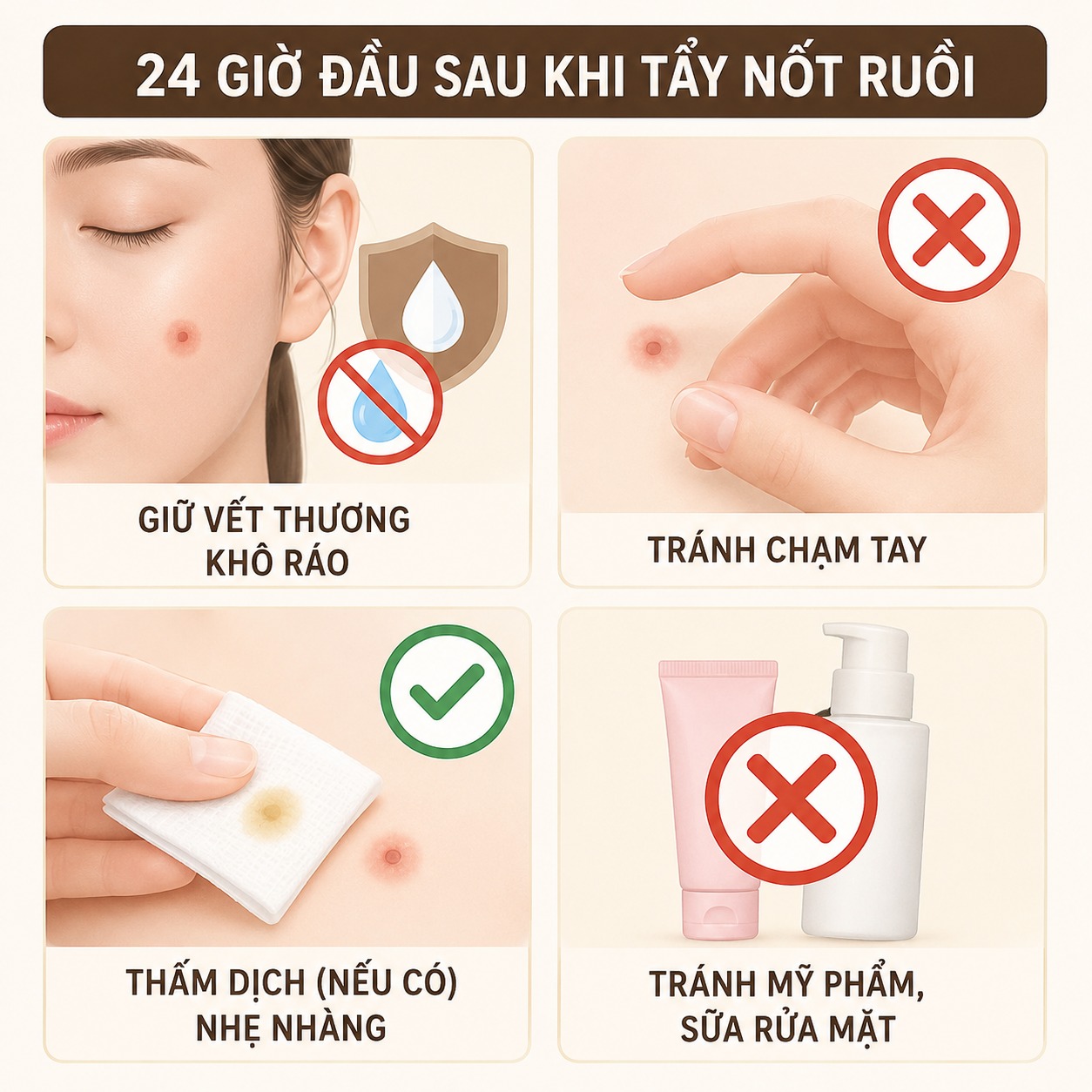
The First 24 Hours: Keeping the Wound Dry and Protected
Immediately after the procedure, the treated area is a highly sensitive open wound that is vulnerable to bacterial infection. Strict protection during this first day is essential:
- Keep the wound dry: Do not allow the treated area to come into contact with tap water, facial cleansers, or other skincare products.
- Avoid touching: Do not touch, scratch, or rub the wound, as this minimizes the risk of infection from bacteria on your hands.
- Blot away fluids (if any): If the wound oozes yellow fluid or bleeds slightly, gently dab it with sterile gauze; do not rub vigorously.
From Day 2 until Scab Detachment: Cleansing and Promoting Healing
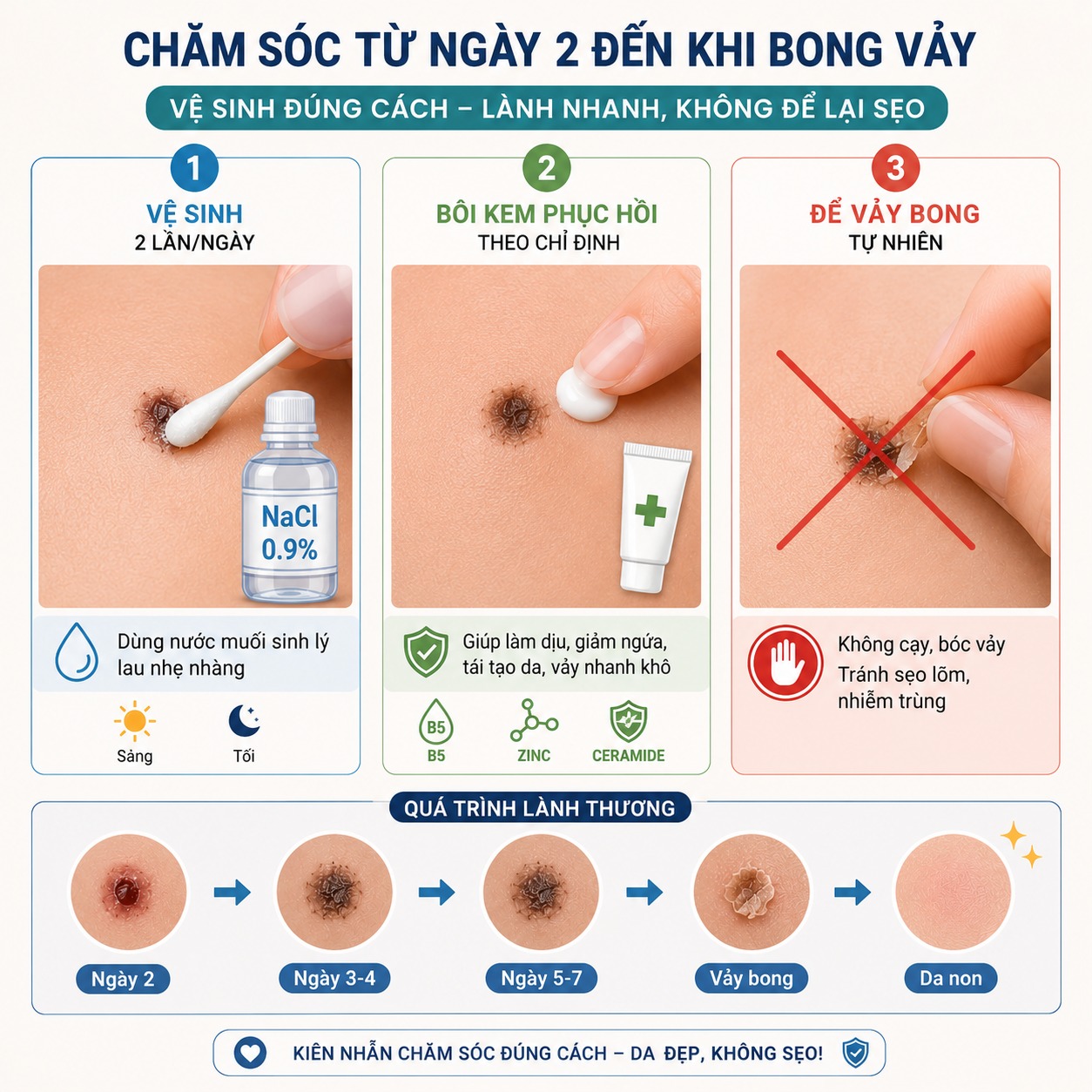
During the subsequent 3 to 7 days, the wound begins to dry and form a scab in preparation for new skin growth. Proper cleansing during this stage is crucial for skin safety:
- Cleanse with normal saline: Use a clean cotton swab moistened with normal saline (0.9% NaCl) to gently wipe around and directly over the wound twice daily (morning and evening).
- Apply restorative cream: Use creams containing soothing and skin-regenerating ingredients (such as Vitamin B5, Zinc, and Ceramides) as directed by your doctor to alleviate itching and help the scab dry faster.
- Allow the scab to detach naturally: Absolutely do not pick at or peel off the brown scab. Let this protective layer fall off on its own to avoid damaging the dermis and causing pitted scarring.
Post-scab phase: Restoring skin structure and preventing dark scars
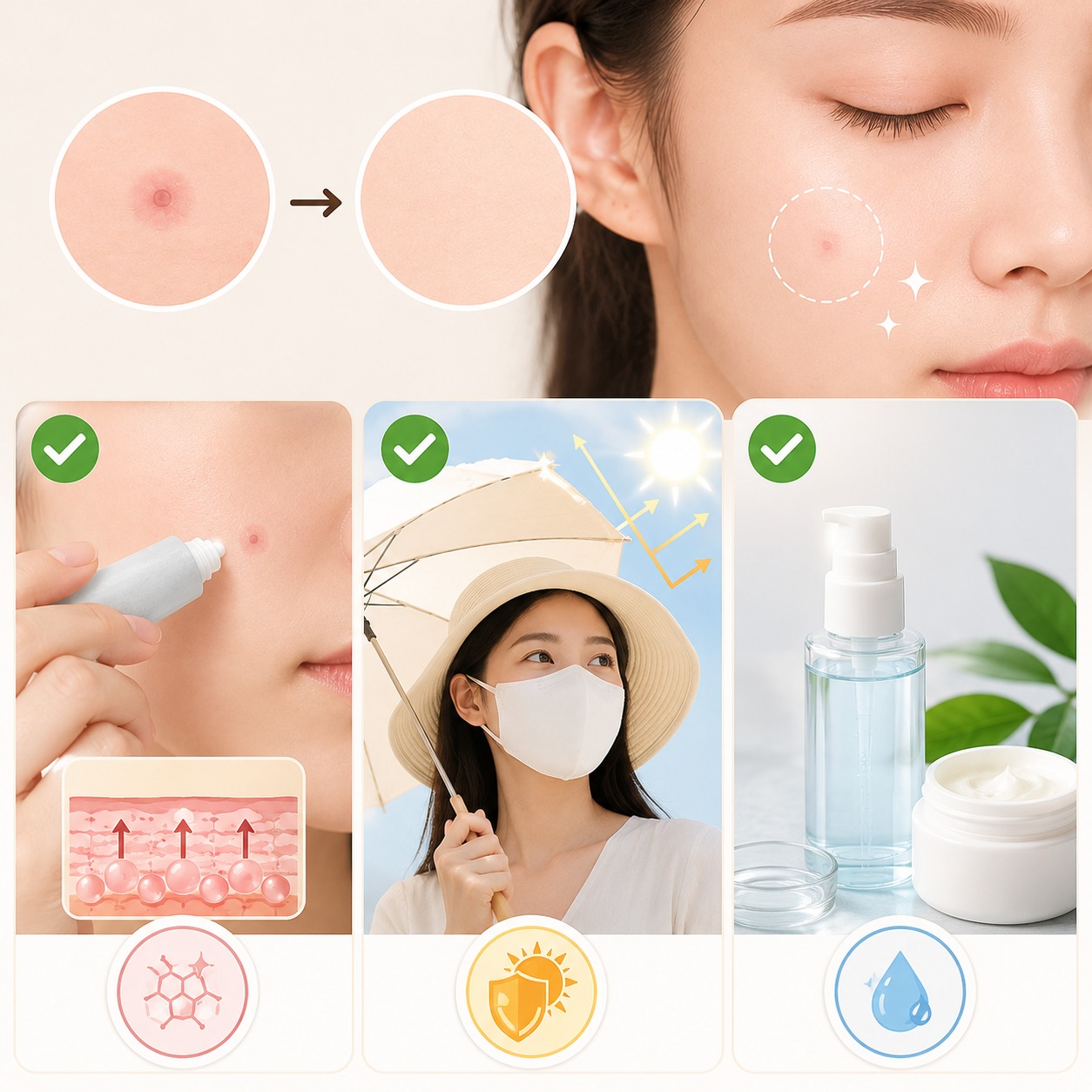
After the scab naturally falls off, the newly exposed skin will appear pale pink or slightly red. This is considered the “golden window” to focus on recovery and restoring the skin’s structure to its original, healthy state:
- Use specialized scar treatment cream: Begin applying scar cream (targeting dark marks or indented scars, depending on the size of the original mole) consistently 2 – 3 times daily to stimulate healthy collagen production.
- Ensure strict sun protection: New skin is highly susceptible to hyperpigmentation upon UV exposure. Protect the area thoroughly with a thick face mask and apply a gentle sunscreen (SPF 30 or higher) whenever going outdoors to prevent dark, uneven discoloration.
- Apply gentle hydration: You can resume your basic skincare routine using mild, hydrating products – free from alcohol or fragrances – to nourish the skin and promote an even tone from within.
3 Serious Mistakes to Avoid in Post-Mole Removal Skincare
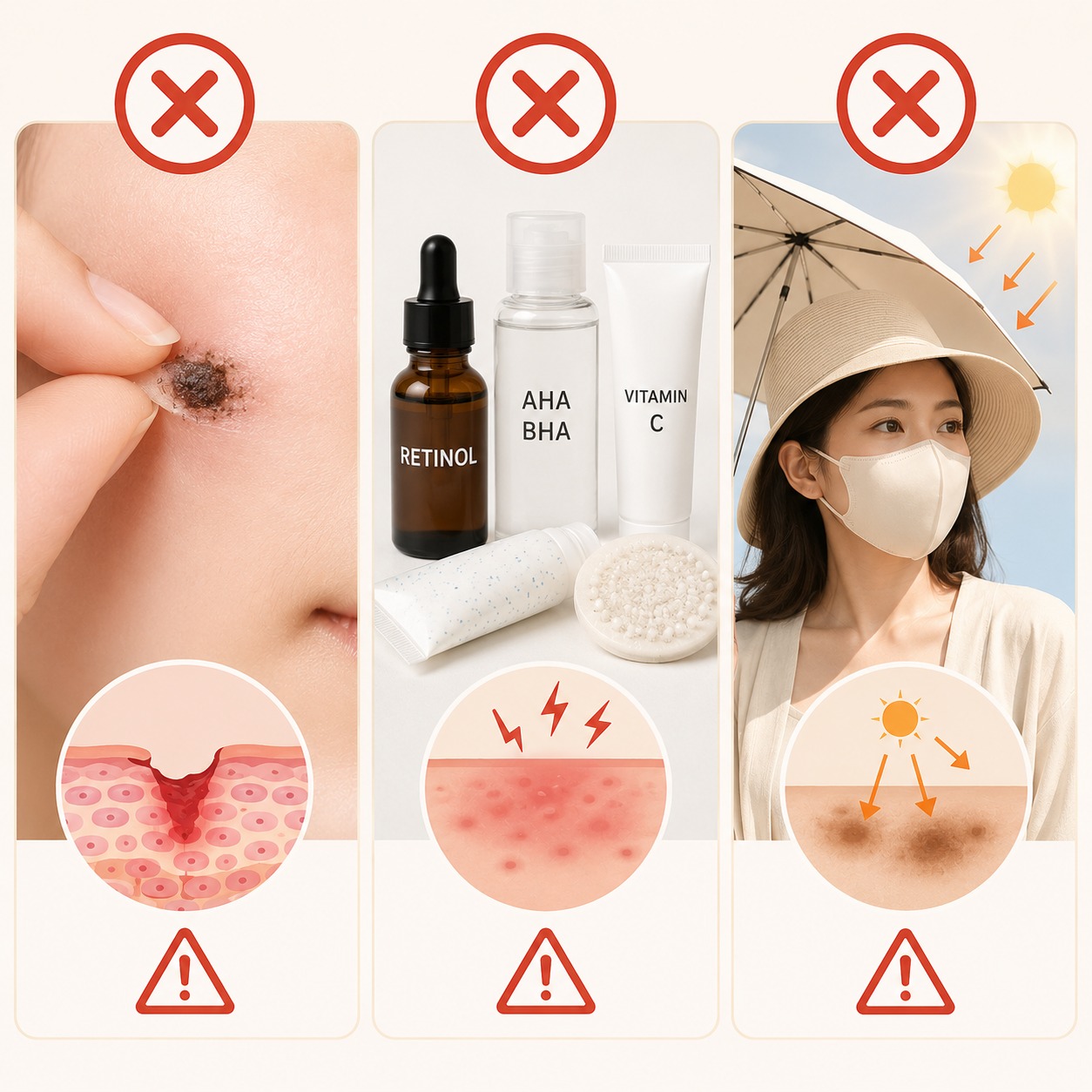
Inadvertently falling into the following bad habits can ruin the entire treatment outcome, leading to infection and permanent scarring:
- Picking or peeling off the scab prematurely: Manually removing the scab before it falls off naturally tears the regenerating skin underneath, causing bleeding and increasing the risk of deep, pitted scarring by up to 90%.
- Using products with potent active ingredients too soon: Applying strong treatment products (such as Retinol, AHA/BHA, or Vitamin C) or facial cleansers containing exfoliating beads to the unhealed area can cause irritation, burning sensations, and open sores.
- Neglecting sun protection: The new skin revealed after the scab falls off is extremely sensitive to sunlight. Without proper protection, UV rays trigger melanin accumulation, causing the scar to become dark and blotchy – issues that are very difficult to treat later.
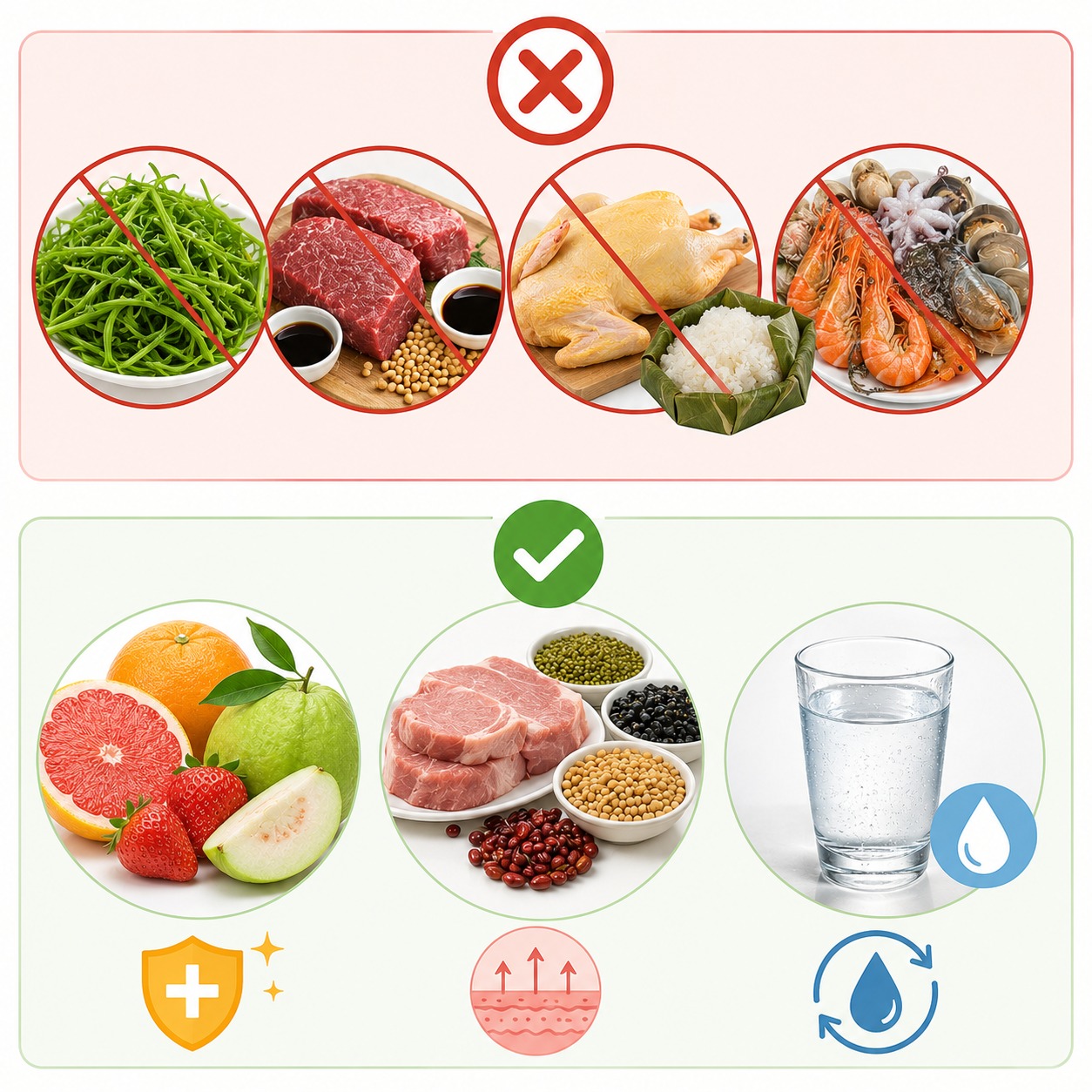
Dietary choices to support rapid skin recovery
In addition to external skincare, a scientifically sound diet helps stimulate faster skin cell regeneration and prevents unsightly scarring:
Foods to avoid (for at least 2 weeks):
- Water spinach: Stimulates excessive collagen production, potentially leading to keloid scars.
- Beef and soy sauce: Can cause new skin to darken, resulting in hyperpigmented scars.
- Chicken and glutinous rice: Can cause internal heat, leading to pus formation, swelling, and delayed healing.
- Seafood: Can easily trigger irritation and intense itching in areas where new skin is forming.
Foods to include:
- Foods rich in Vitamin C (oranges, grapefruits, guavas, strawberries): Boost immunity, promote wound healing, and brighten the skin.
- Lean pork and legumes: Provide beneficial protein to effectively regenerate new skin cells.
- Adequate hydration: Maintains natural moisture and facilitates smooth metabolic processes and skin recovery.
Safe mole removal and attentive post-procedure care at Dr Xuan Quan Clinic
Every mole removal procedure at the clinic is performed personally by Dr. Xuan Quan – a physician with over 10 years of experience – using modern laser and microsurgical technologies.
The doctor’s precise technique ensures the mole is removed completely from the root in a gentle manner; by avoiding damage to surrounding healthy tissue, the wound heals quickly, and the risk of unsightly scarring is minimized.
A major highlight of the clinic is its highly attentive 1:1 post-procedure follow-up process. Patients receive direct guidance on necessary aftercare and dietary restrictions, along with prescriptions for recovery creams tailored to their specific skin type; meanwhile, the medical team provides ongoing support and reminders until the skin is completely smooth and even-toned.

Frequently Asked Questions About Mole Removal
Here are quick answers to common questions to help you confidently care for your skin after mole removal:
Is it normal for the area to darken after mole removal?
Yes, it is completely normal. This is a post-inflammatory hyperpigmentation response as the skin regenerates. The dark spot will fade within 1–3 months with proper care, the use of anti-pigmentation creams, and diligent sun protection.
Can I wash my face or use cosmetics immediately after the procedure?
You should avoid direct contact with water on the treated area for the first 24 hours. Wait until the scab has fallen off before resuming the use of cosmetics or makeup to prevent irritation.
How long does it take for the scab to fall off and the skin to heal completely?
Typically, the wound will scab over and the scab will fall off naturally after 5 – 7 days. The skin will fully recover and regain an even tone within approximately 2 – 4 weeks.
The above information provides expert guidance on post-procedure skin care and important tips for protecting your skin during recovery. Do not hesitate to contact Dr Xuan Quan Clinic today for a direct consultation with a doctor and to find the optimal solution for your skin!