Tiếng Việt
Early identification of signs of rhinoplasty inflammation is crucial for protecting your health and maintaining aesthetic results. This article from Dr Xuan Quan Clinic, with many years of experience in rhinoplasty surgery, will help you distinguish between physiological reactions and dangerous signs of inflammation after rhinoplasty so you can take timely action.
5 Most Common Signs of Rhinoplasty Inflammation
Early identification of abnormalities helps you proactively protect your aesthetic results and prevent complications from spreading. Dr Xuan Quan Clinic – an expert with nearly 10 years of experience – points out 5 signs of rhinoplasty inflammation that clients should pay special attention to:
Prolonged swelling, pain, and tightness
Normally, the swelling will gradually decrease and disappear after suture removal, usually within 7-10 days.
If the nasal area remains swollen, accompanied by intense pain that shows no signs of improvement, this is a typical sign of infection.
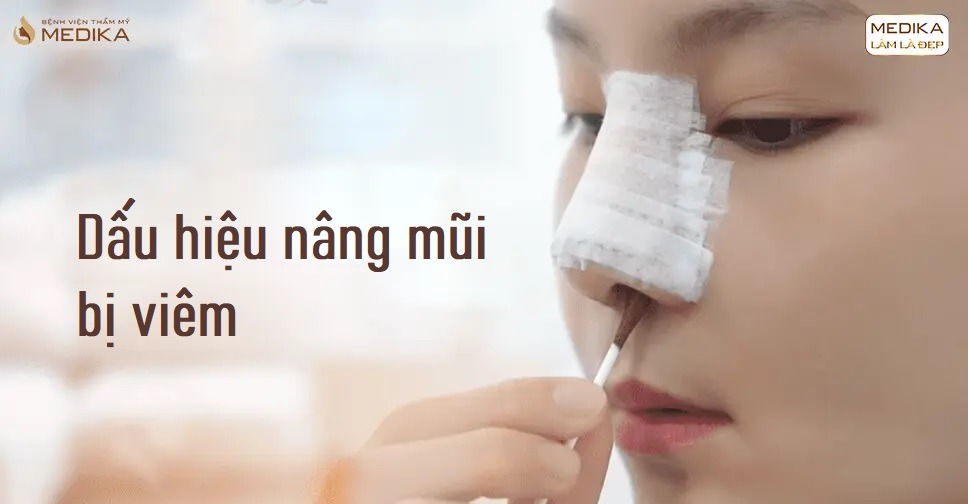
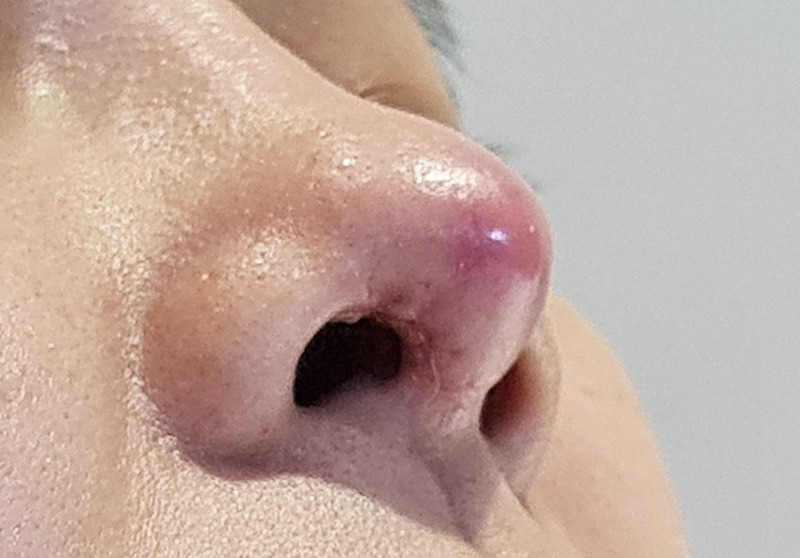
The skin on the tip or bridge of the nose becomes shiny and turns bright red or dark purple
When inflammation forms, the skin on the tip or bridge of the nose often becomes taut and shiny, turning bright red or dark purple. This is a sign that the soft tissue is reacting strongly to the cartilage implant or bacterial invasion.
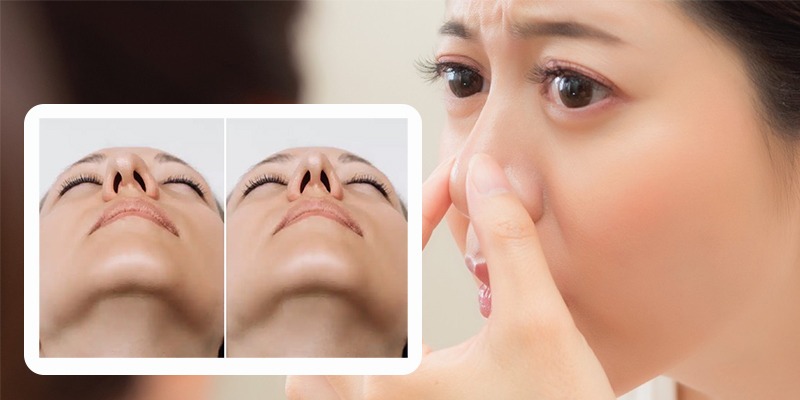
Yellowish and Foul-Smelling Discharge
The appearance of unusual discharge from the stitches or inside the nostrils is a dangerous warning sign. If the discharge is cloudy yellow, purulent, or accompanied by an unpleasant odor, you need to contact a doctor immediately for treatment.
Mild Fever and Fatigue
Inflammatory reactions are not limited to the nose but affect the whole body. When the body experiences prolonged mild fevers accompanied by fatigue, it is a sign that the immune system is trying to fight the infection.
Deformed or Loose Nose
Severe inflammation prevents the cartilage from achieving stable integrity. If you notice a deviated nasal bridge, a drooping nasal tip, or a loose nasal structure, specialized intervention is needed to maintain the best possible appearance.
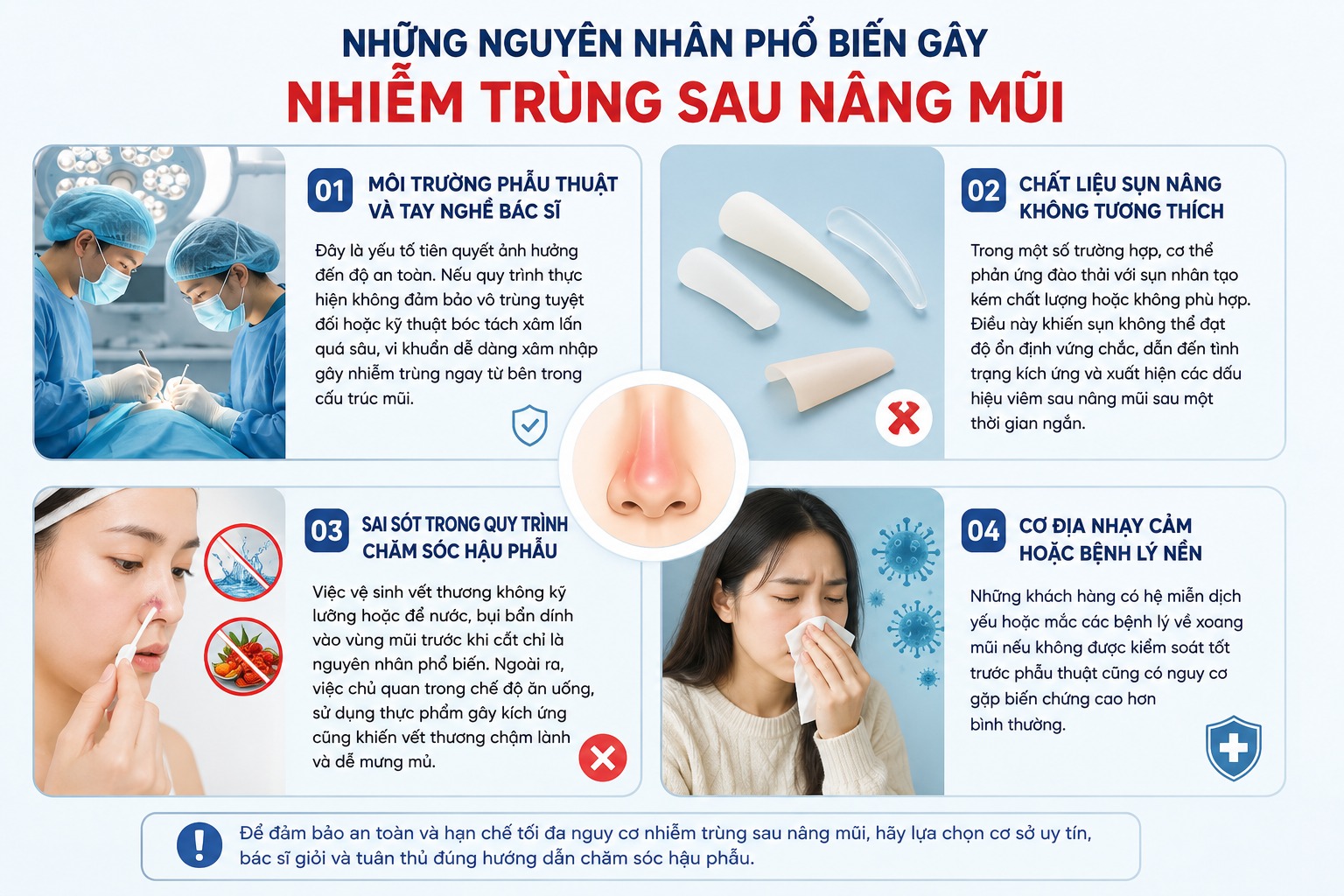
Causes of Post-Rhinoplasty Infection
Identifying the root cause correctly helps ensure more accurate and effective treatment. The main factors leading to signs of inflammation after rhinoplasty are as follows:
Surgical environment and surgeon’s skill
This is a crucial factor affecting safety. If the procedure is not performed under strict sterility or the dissection technique is too invasive, bacteria can easily penetrate and cause infection from within the nasal structure.
Incompatible cartilage material
In some cases, the body reacts by rejecting poor-quality or unsuitable artificial cartilage. This prevents the cartilage from achieving sufficient stability, leading to irritation and the appearance of signs of inflammation after rhinoplasty after a short time.
Errors in post-operative care
Inadequate wound cleaning or allowing water and dirt to enter the nasal area before suture removal is a common cause. In addition, carelessness in diet and the consumption of irritating foods can slow wound healing and increase the risk of infection.
Sensitive constitution or underlying medical conditions
Clients with weakened immune systems or sinus conditions that are not well controlled before surgery are at a higher risk of complications than normal.
Emergency Treatment for Nasal Infection
When you notice signs of nasal infection after rhinoplasty, knowing the right course of action is crucial to preserving the shape of your nose and preventing soft tissue damage.
- Contact a specialist immediately: This is the most important step. Absolutely do not self-medicate with antibiotics or anti-inflammatory drugs without a prior examination. Using the wrong medication can mask symptoms and allow the infection to progress subtly within the nasal structure.
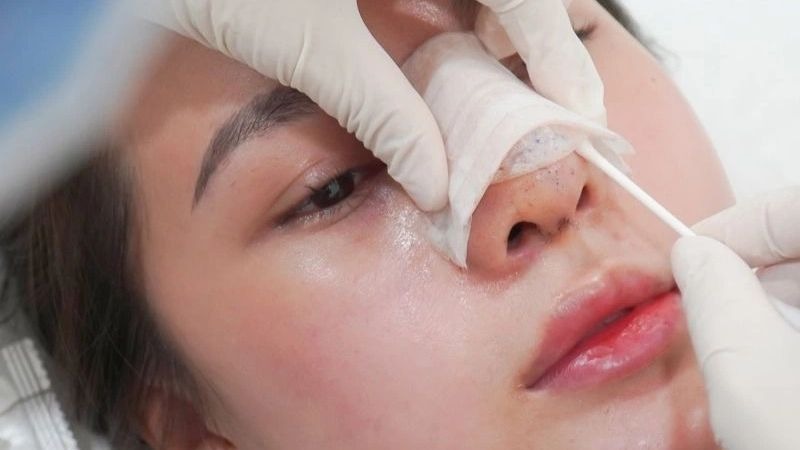
- Gently clean the nasal area: Use saline solution and clean cotton swabs to absorb any discharge. Keep the wound dry and clean, avoiding contact with dirt or water before suture removal.
- See a reputable clinic for examination: The doctor will check the level of infection through endoscopy or fluid testing. Depending on the actual situation, the treatment option may involve high-dose medical treatment or temporary cartilage removal to clean the inflamed area and protect the nasal structure for lasting stability.
- Strictly follow post-operative instructions: After the inflammation is treated, post-rhinoplasty care needs to be more meticulous than ever to regenerate tissue and prepare for the most perfect restoration of appearance.
Dr Xuan Quan Clinic – A reputable address for handling complications and correcting failed rhinoplasty procedures
Treating signs of inflammation after rhinoplasty requires high professional expertise and extensive practical experience to preserve the nasal structure. Dr Xuan Quan Clinic is proud to be a pioneer in correcting failed and infected rhinoplasty cases with a rigorous medical process:
Dr. Xuan Quan directly examines patients: With nearly 10 years of experience and training abroad in countries like South Korea and Singapore, the doctor will directly diagnose the level of inflammation and develop a targeted treatment plan. Timely intervention from the expert helps prevent tissue necrosis and prepares the best foundation for stable and secure nasal reconstruction.
Modern inflammation treatment technology: We apply advanced deep cleaning techniques and use highly compatible replacement materials to thoroughly address cartilage rejection. Clients will soon regain their perfect appearance, completely eliminating worries about swelling, pain, or suture deformities.
One-on-one post-operative care: Each patient receives a personalized post-operative care plan after rhinoplasty treatment. Our nursing team is always on hand to assist with hygiene and closely monitor healing progress, ensuring absolute safety.
Written commitment: Our patients’ long-term peace of mind is our top priority. A 1-year professional warranty and a 5-year material warranty are testaments to the quality and dedication Dr. Xuan Quan puts into each treatment, aiming for lasting beauty and health.
Frequently Asked Questions About Signs of Rhinoplasty Inflammation
Identifying and treating signs of inflammation after rhinoplasty often comes with many concerns about aesthetics and health. Dr Xuan Quan Clinic will answer common questions to help customers have the most accurate understanding:
How to distinguish between normal swelling and inflammatory swelling?
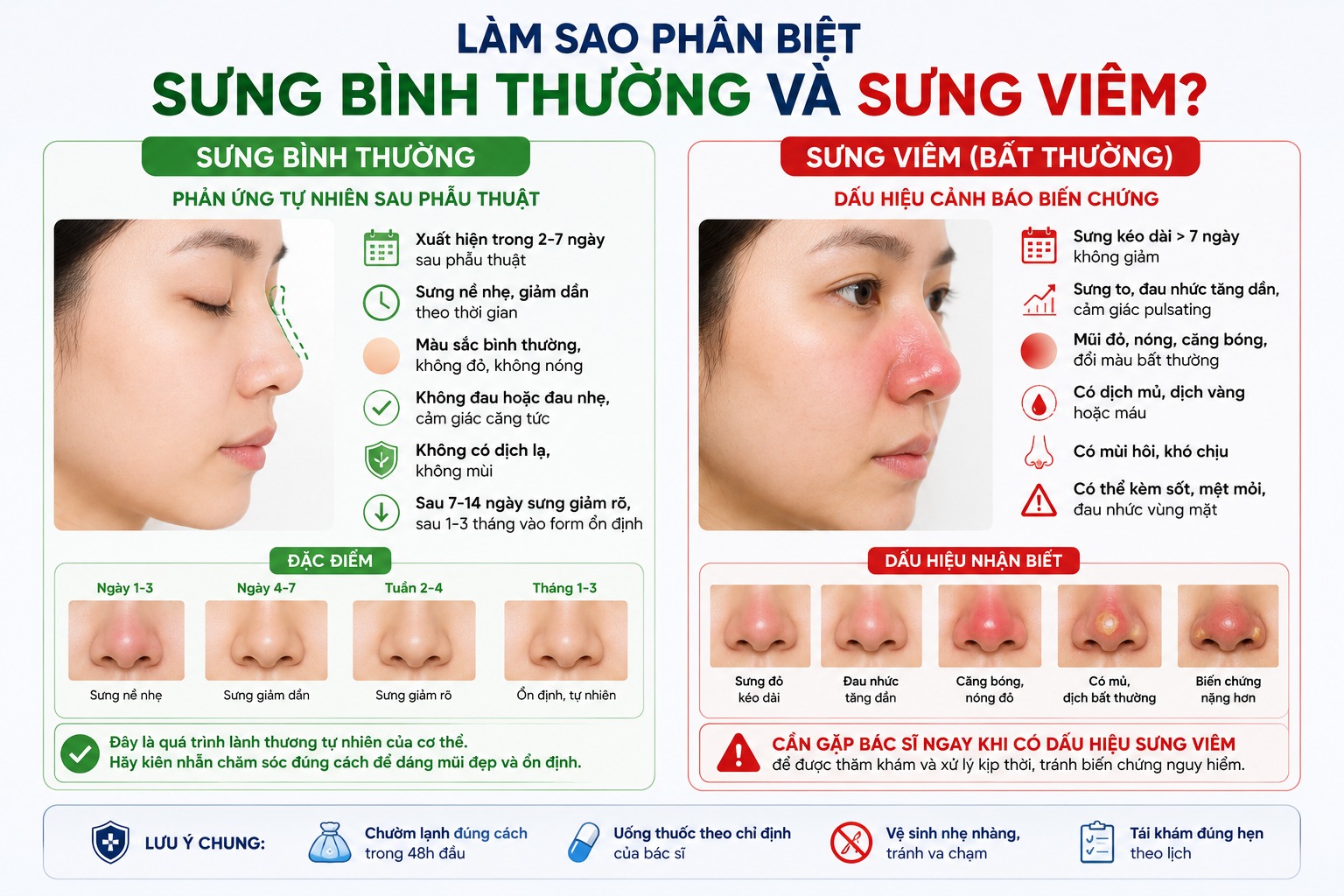
Physiological swelling usually gradually decreases after 3-5 days and disappears completely after suture removal in 7-10 days. Conversely, swelling due to inflammation is usually accompanied by increasing pain, red, shiny, burning skin on the nose, and possibly yellow discharge.
If the swelling does not subside but worsens, that is a sign of rhinoplasty inflammation.
Is it necessary to remove the cartilage after rhinoplasty if inflammation occurs?
Not all cases require immediate cartilage removal. If detected early, the doctor may prescribe medical treatment with high-dose antibiotics combined with intensive cleaning. However, if the infection is severe or due to cartilage rejection, cartilage removal is necessary to clean the inflamed area, protect the soft tissue, and prepare for the next rhinoplasty when the nose has achieved stable results.
How long after rhinoplasty can I have another surgery if inflammation occurs?
After treating the inflammation and removing the cartilage, the body needs 3-6 months for the internal tissues to fully recover. Only when the nasal structure is healthy and has achieved its best appearance should you proceed with another surgery under the close supervision of a specialist.
The above information provides detailed guidance to help you identify early signs of inflammation after rhinoplasty so that you can take timely action and avoid unnecessary complications. Contact Dr Xuan Quan Clinic today to receive long-lasting peace of mind and achieve lasting beauty with stable results over time.