
 Tiếng Việt

As one enters their later years, the aging process causes the skin around the eyes to become loose and saggy, leading to an aged appearance and drooping eyelids that can obstruct vision. Consequently, eyelid surgery for older adults serves as an optimal solution—rejuvenating the face while simultaneously clearing the field of vision. In the following article, Dr Xuan Quan Clinic provides a detailed overview of the safety, the surgical procedure, and essential considerations for those considering eyelid surgery at a more mature age.
Should older adults undergo eyelid surgery? Who is a suitable candidate?
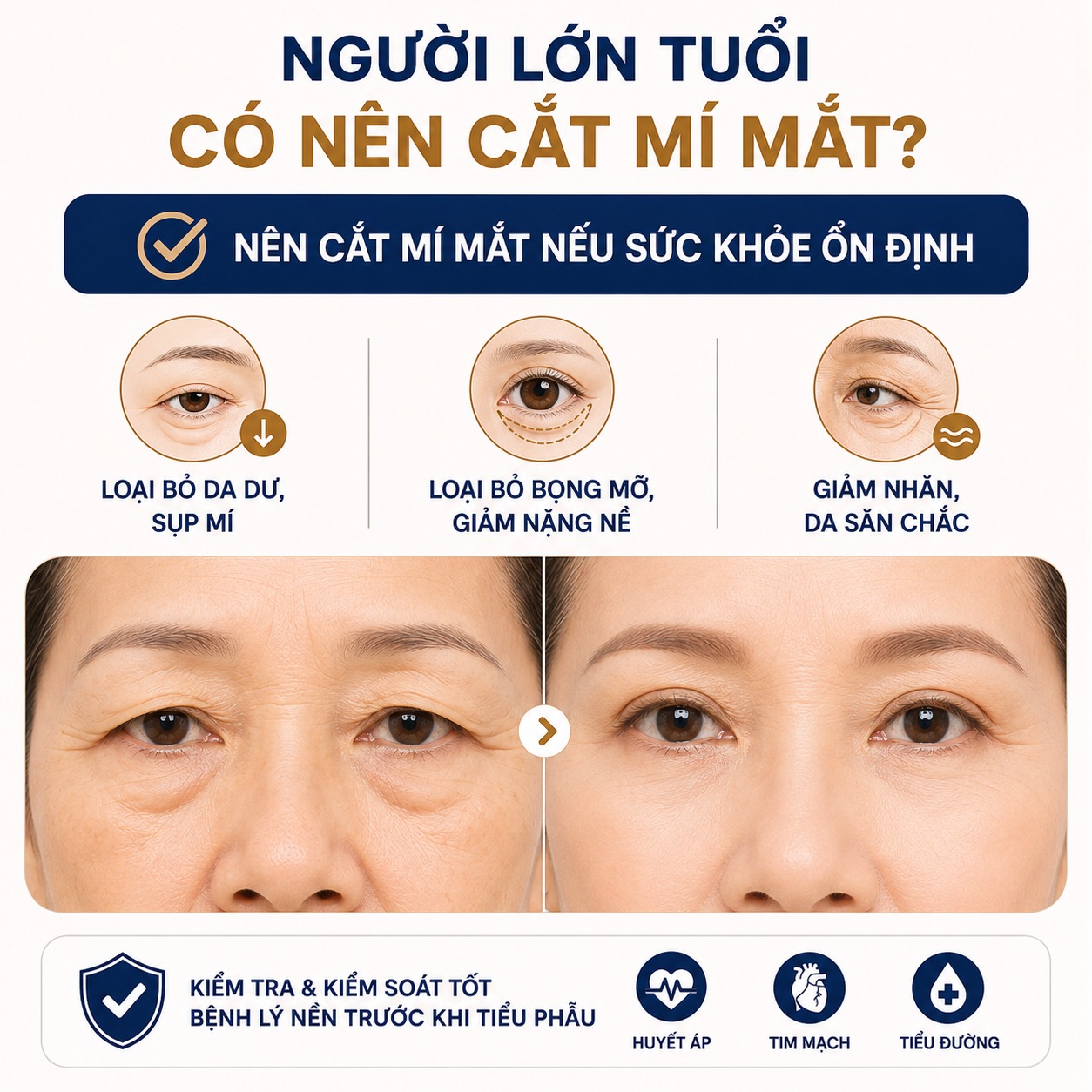
Older adults are excellent candidates for eyelid surgery (blepharoplasty), provided their underlying health is stable. This procedure not only addresses aesthetic concerns but, more importantly, lifts the eyelids and removes obstructions, allowing for clearer vision and a more comfortable, less heavy sensation in the eyes.
Suitable candidates include:
- Older individuals with severe drooping eyelids (ptosis) or sagging excess skin that partially covers the pupil, impairing vision.
- Those with significant fat deposits in the upper or lower eyelids, which create a heavy, persistent feeling of eye fatigue.
- Older adults with deep wrinkles and loose, inelastic skin around the eyes.
Safety Note: Before undergoing this minor surgical procedure, older patients must undergo a thorough medical evaluation to ensure that any underlying health conditions—such as high blood pressure, cardiovascular issues, or diabetes—are well-managed and under control.
Is eyelid surgery for older adults dangerous?
It is not dangerous, provided that one’s health is well-managed. This is merely a minor, superficial procedure; it does not involve the eyeball itself and will not affect your vision.
However, for elderly individuals with underlying medical conditions (such as high blood pressure or diabetes) or skin that has lost its elasticity, the procedure must be performed by a highly skilled physician. This ensures proper control of bleeding and helps prevent complications such as eyelid retraction or the inability to close the eyes completely.

Important considerations for older adults before and after eyelid surgery
Diligent post-operative care and strict adherence to medical instructions are the most critical factors in ensuring a rapid recovery and long-lasting aesthetic results for older adults.
Before the procedure:
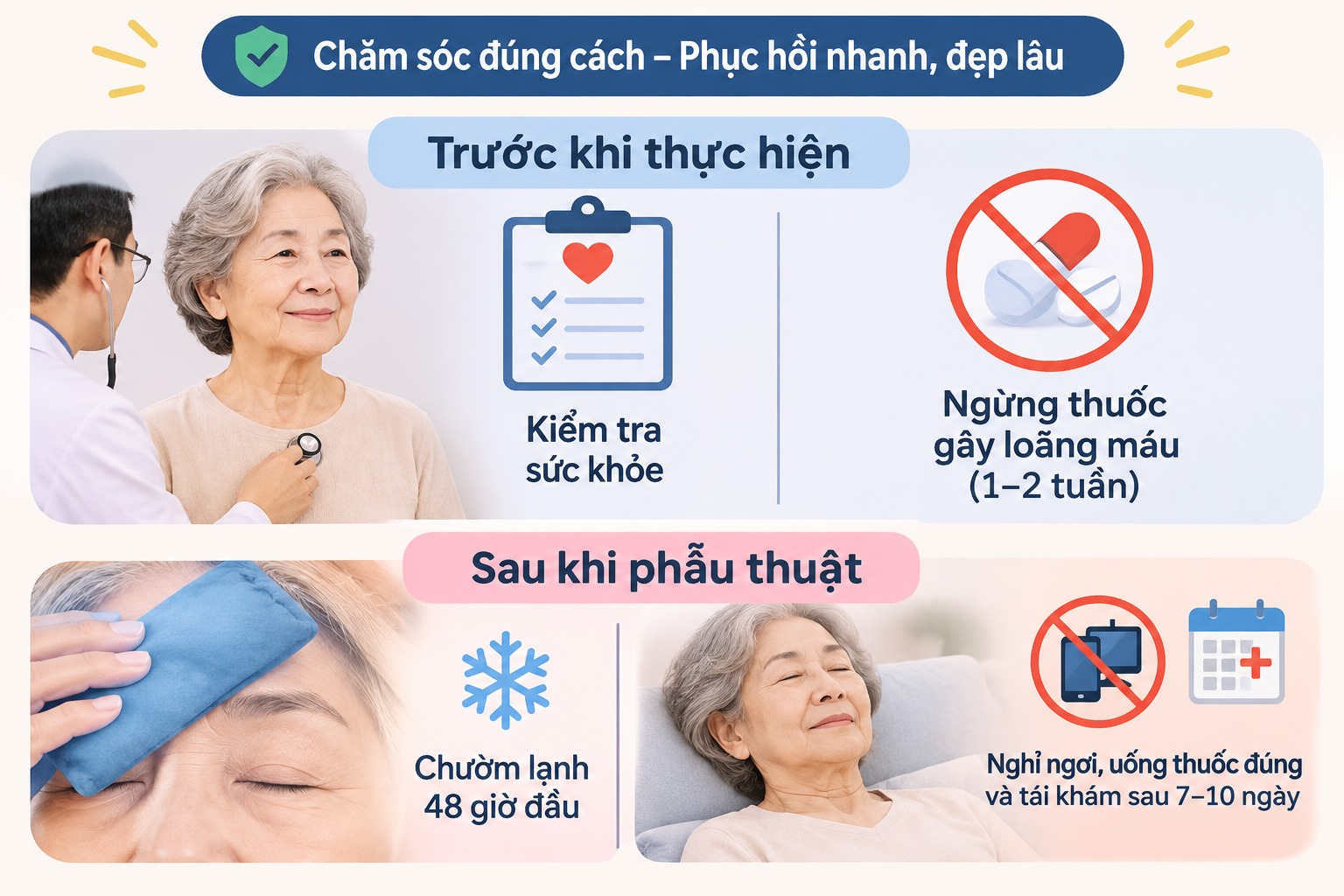
- Comprehensive health assessment: Provide an honest account of your medical history (including conditions such as high blood pressure, diabetes, or cardiovascular issues) and any medications you are currently taking.
- Discontinue blood-thinning agents: As directed by your physician, stop taking aspirin, ibuprofen, or any dietary supplements that may increase the risk of bleeding, starting 1–2 weeks prior to the procedure.
After the surgery:
- Proper incision care: Apply cold compresses during the first 48 hours to reduce swelling; keep the incision site dry and clean it using a sterile saline solution.
- Rest and follow-up: Avoid excessive eye strain (such as watching television or using a mobile phone), take all prescribed medications as directed, and return for suture removal after 7–10 days.
Safe and reputable places for eyelid surgery for older adults today
When performing surgery on older adults, medical safety and the surgeon’s expertise must be the top priorities. Dr. Xuan Quan Aesthetic Clinic is a reputable specialized center, trusted by a large number of clients due to its distinct advantages:
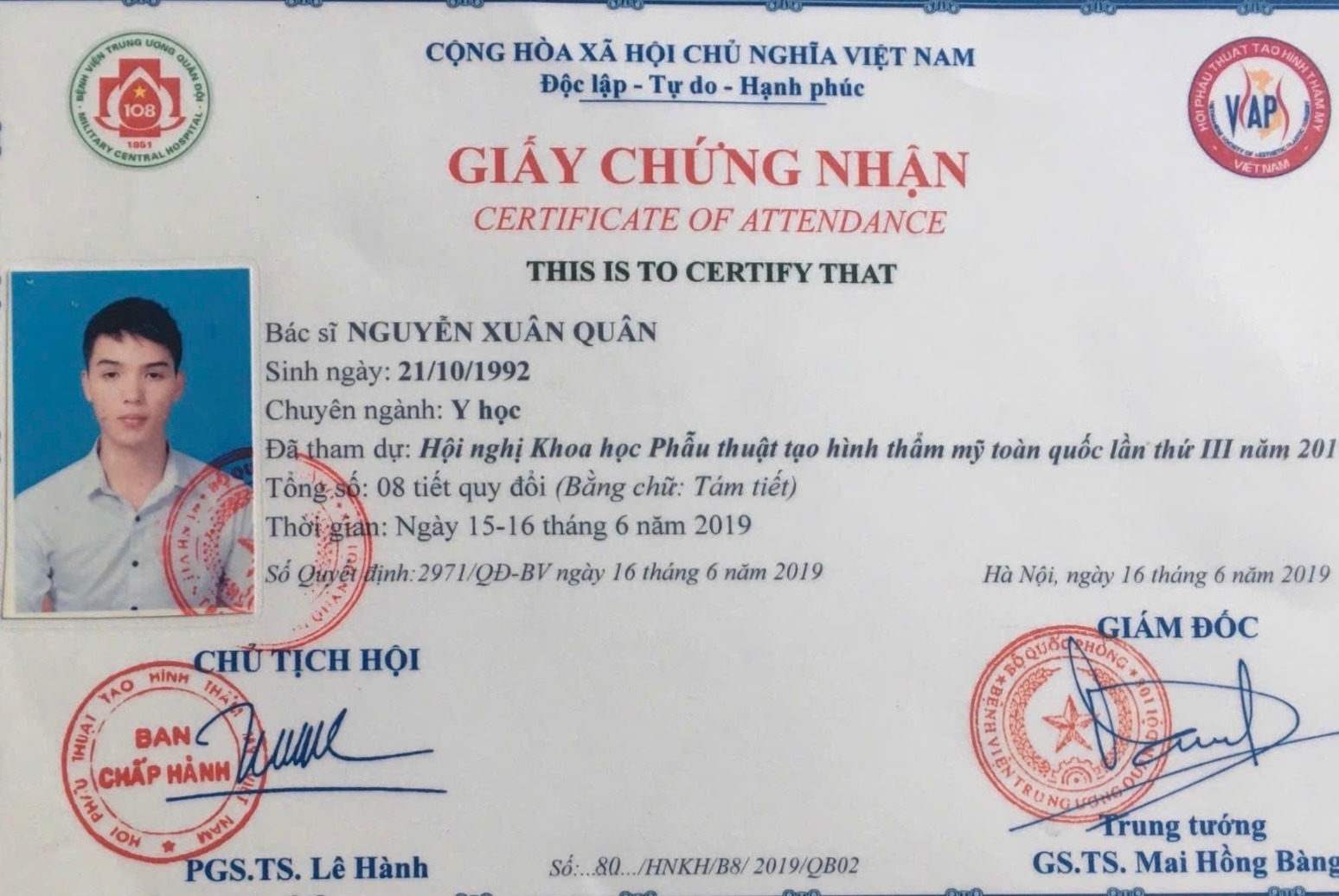
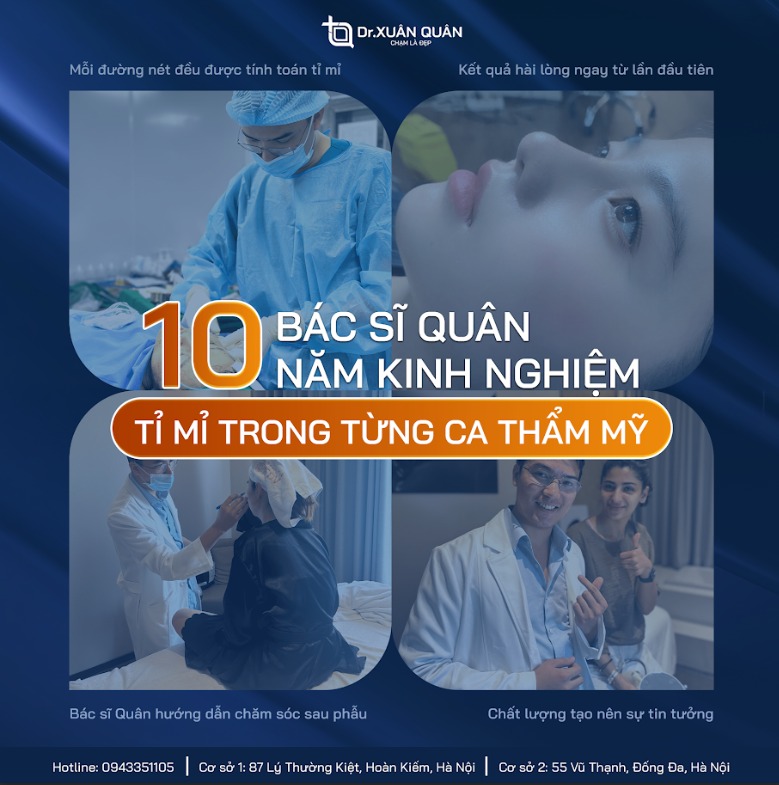
Procedures are performed directly by Dr. Xuan Quan: With over 10 years of specialized experience in aesthetic eye surgery, Dr. Xuan Quan personally conducts consultations and takes precise measurements—down to the millimeter—to determine the amount of excess skin to be removed. This ensures the effective correction of drooping eyelids (ptosis) without the risk of the eyes appearing overly wide (retracted) or the lower/upper eyelids turning outward (ectropion).
Rigorous health screening process: Older clients undergo thorough evaluations—including checks for blood pressure, cardiovascular health, and diabetes—prior to any procedure. A minor surgical intervention is performed only when all health indicators are confirmed to be within a completely safe range.
Minimally invasive microsurgical techniques: By employing gentle tissue-dissection technology combined with a proprietary, scar-concealing suturing method, the procedure ensures rapid healing and minimizes swelling and bruising—a crucial benefit for older individuals whose bodies may require more time to recover.
Long-term warranty and one-on-one care: The center guarantees the quality of its results with a clear warranty policy. Furthermore, a dedicated nursing team provides personalized, attentive support throughout the post-operative period, ensuring complete peace of mind for older clients and their families.
Postoperative care guidelines to help the elderly recover quickly
Because the healing process is generally slower in older adults, postoperative care requires extra diligence and strict adherence to the following guidelines:
- Gentle wound cleaning: Use a cotton swab moistened with sterile saline to gently clean the eyelid area 2–3 times a day. Keep the incision site dry at all times, and ensure that tap water does not come into contact with the eyes before the stitches are removed.
- Managing swelling and bruising: For the first 2 days, apply a cold compress (ice wrapped in a plastic bag and a soft cloth) to reduce swelling. From the third day onward, switch to a warm compress to improve blood circulation and help bruises fade more quickly.
- Daily activities and eye protection: Ensure the individual does not rub, scratch, or apply pressure to the eyelid area. When going outdoors, wearing sunglasses is mandatory to protect the eyes from dust, bacteria, and sunlight.
- Nutrition and medication: Administer all prescribed medications exactly as directed by the doctor. Additionally, incorporate plenty of vitamins through green vegetables and fruits, while avoiding foods that may promote scarring or trigger allergic reactions—such as water spinach, beef, glutinous rice-based dishes, and seafood.

Frequently asked questions about eyelid surgery for older adults
Below are brief expert answers to the most common questions regarding eyelid surgery (blepharoplasty) for older adults:
Can people aged 60–70 undergo eyelid surgery? Absolutely. Age is not a barrier; as long as the individual is in stable general health—with conditions like blood pressure and diabetes well-controlled—the procedure can be performed safely.
How long does it take to heal? Typically, stitches are removed 7–10 days after the procedure. It may take 1–3 months for the eyelid crease to fully settle into a natural shape and for the skin to become smooth, depending on the individual’s recovery process.
Is the procedure painful or dangerous? This is a minor, superficial surgery that does not affect the internal structures of the eye. Local anesthesia is administered beforehand, ensuring that patients do not experience pain or discomfort.
The information above outlines the details of eyelid surgery for older adults—an optimal solution that helps them regain a more youthful appearance while effectively improving their vision. If you are looking for a safe and reputable clinic to help your parents refresh their eyes, please contact Dr. Xuan Quan Aesthetic Clinic. Our experts are ready to provide a thorough examination and develop a safe, personalized treatment plan!