Tiếng Việt
Post-operative care after rhinoplasty directly accounts for 50% of the success of a surgery. Strictly adhering to medical instructions helps shorten recovery time and effectively prevent risks of infection or unwanted displacement of the nose shape. With nearly 10 years of experience and overseas training, Dr Xuan Quan Clinic will provide a detailed guide to help the nose shape achieve stability and a perfect appearance.
Hygiene and Medication Regimen in the First Week After Rhinoplasty
Establishing a scientific post-operative care routine from the first day is crucial to shortening recovery time.
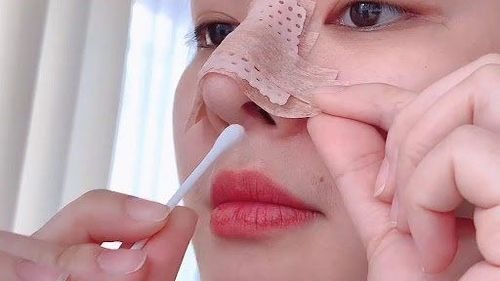
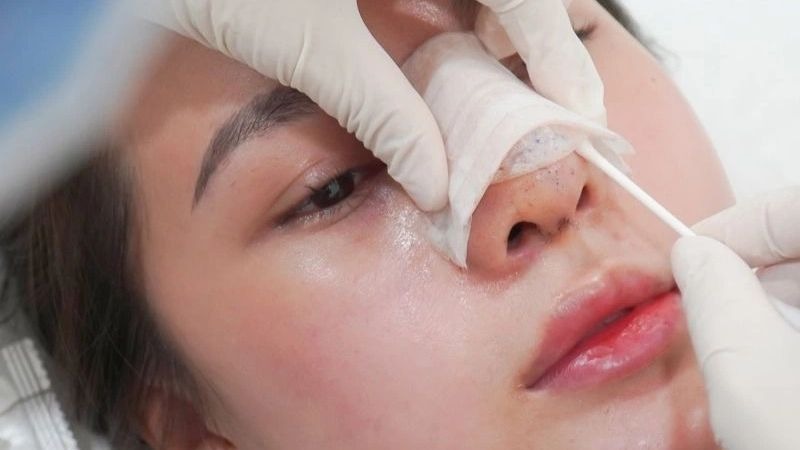
- Gently clean the wound: Use cotton swabs soaked in saline solution to clean secretions around the nostrils and sutures. Keep the surgical area dry to prevent bacteria and ensure absolute safety until the suture removal in 7-10 days.
- Follow the prescribed medication: Take the full course of antibiotics, painkillers, and anti-inflammatory drugs as directed by your doctor. Stopping medication or adding supplements without consulting your doctor can slow down the healing process.
- Apply cold compresses to reduce swelling: For the first 48 hours, apply cold compresses to the skin around the nose to constrict blood vessels. From the third day onwards, switch to warm compresses to improve blood circulation and help reduce bruising.
Post-Rhinoplasty Care Instructions for Daily Activities and Movement
Daily activities and movements directly affect the stability of the new nasal cartilage. You need to pay attention to the following principles of post-rhinoplasty care:
- Medical-standard sleeping position: For at least the first two weeks, you need to maintain a supine position with your head elevated on a pillow while sleeping. Absolutely avoid sleeping on your side or stomach to prevent fluid accumulation that could cause swelling or displacement of the nose shape before suture removal.
- Limit strenuous activity: Do not engage in high-intensity sports, swimming, or gym workouts during the first month. Bending over or lifting heavy objects should also be avoided to prevent pressure on the nasal area, helping the wound to heal quickly and achieve the best possible appearance.
- Personal hygiene habits: When showering, be careful not to let water come into direct contact with the nose and the splint. Prioritize washing your hair at the salon while lying down to keep the wound dry and ensure a smooth post-rhinoplasty care process.
- Protect your nose from external impacts: Avoid wearing heavy-framed glasses or tight-fitting shirts in the initial period. Even the smallest impacts can affect the cartilage structure that is in the process of firmly bonding.

Post-Rhinoplasty Nutrition: What to Eat and What to Avoid?
A scientifically designed diet plays a crucial role in post-rhinoplasty care, helping to accelerate tissue regeneration and scar healing.
- Foods to Increase: Prioritize foods rich in healthy protein such as lean pork, combined with fruits and vegetables containing plenty of Vitamin C (oranges, grapefruits, strawberries) and zinc. These nutrients support the immune system, helping wounds dry quickly and achieve stable healing sooner.
- Foods to ABSOLUTELY AVOID: For at least the first month, you should eliminate water spinach (to prevent keloid scarring), beef (to avoid darkening of the stitches), seafood, and sticky rice (to prevent pus formation and itching). Abstaining from stimulants such as alcohol, beer, and tobacco is also mandatory in post-rhinoplasty care to avoid slowing down the healing process.
- Stay hydrated: Drinking 2-2.5 liters of water daily helps cleanse the body, supports better blood circulation, and thus shortens the recovery time before stitches are removed.

Recovery Schedule and Key Timelines
Understanding the stages of your body’s transformation helps you be more proactive in your post-rhinoplasty care.
- First 1-3 days: This is when the nose is swollen and may have slight bruising. Maintaining hygiene and applying cold compresses continuously is the top priority in post-rhinoplasty care at this time.
- 7-10 days: Patients return to the clinic to have the stitches removed and the splint taken off. At this point, the feeling of tightness disappears, and the nose shape begins to become more clearly defined.
- After 1 month: The soft tissues inside gradually connect, and the nasal structure settles into a stable form. You can begin light exercise, but you still need to be careful to protect your nose from strong impacts.
- 3-6 months: The nose reaches complete stability. The features become soft, natural, and perfectly harmonize with the face, resulting in the most perfect appearance.
Post-rhinoplasty care and companionship with Dr Xuan Quan Clinic
The success of a surgery does not stop at the operating table but also lies in the closeness in the postoperative period. At Dr Xuan Quan Clinic, the post-rhinoplasty care process is designed to be personalized, ensuring customers always receive the best support:
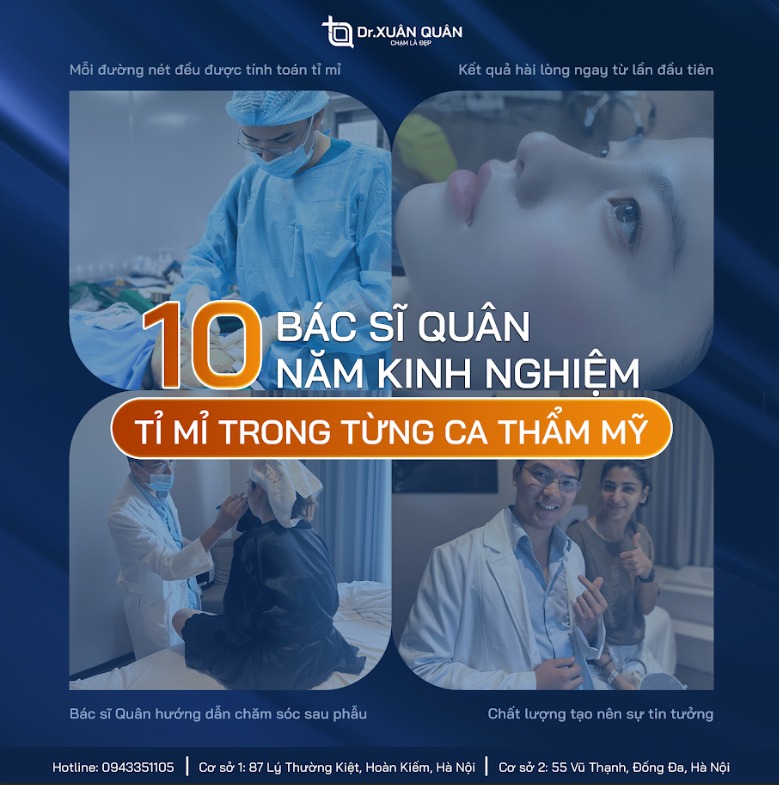
- Doctor Xuan Quan directly monitors: With nearly 10 years of experience and training abroad, the doctor will directly examine and evaluate the recovery level of tissue and cartilage. This close monitoring helps detect abnormal reactions early, ensuring a stable and stable nose shape.
- 24/7 nursing support team: Any questions about cleaning, changing bandages or diet during the post-rhinoplasty care plan are answered immediately. We accompany you from the first days of swelling until the stitches are removed.
- Modern facilities and technology: Customers can experience therapies that help reduce swelling, help wounds heal quickly and quickly achieve the most perfect appearance.
- Long-term commitment to responsibility: Customers’ long-term peace of mind is affirmed through a 1-year professional and 5-year material warranty. Dr. Xuan Quan is committed to maintaining sustainable beauty, helping you be confident in your decision to revamp your beauty.
Frequently Asked Questions After Rhinoplasty
During post-rhinoplasty care, patients often have common questions about daily activities and recovery speed. Dr Xuan Quan Clinic answers the most common questions:
How long after rhinoplasty can I wear makeup?
Generally, you should wait until the stitches are removed and the wound is completely dry. However, you should limit heavy makeup or strong pressure on the nose area for at least the first month to ensure stable healing.
Can I wear glasses immediately after surgery?
Wearing heavy-framed glasses can put pressure on the nasal bridge, causing it to become indented or misaligned before the cartilage has firmly bonded. In the post-rhinoplasty care process, doctors recommend using contact lenses or adhesive tape to secure glasses to the forehead for the first 4 weeks.
When can I resume sports?
Light activities such as walking can be done after 2 weeks. For strenuous activities like swimming or gym workouts, you need to wait at least 1-3 months for your nose to achieve its best and safest appearance.
Why is it necessary to follow up with regular check-ups?
Follow-up appointments allow the doctor to monitor the healing process and promptly address any emerging issues. This close monitoring is a commitment to long-term peace of mind and lasting beauty.
Above is a complete and detailed guide on post-rhinoplasty care to help the wound heal quickly and achieve lasting stability. Please contact Dr Xuan Quan Clinic if you need further advice to achieve lasting and natural beauty over time.