
 Tiếng Việt

To ensure a smooth recovery and allow the newly transferred fat tissue to integrate perfectly with your body, it is crucial to follow the post-operative care instructions for orbital fat grafting. In this article, Dr Xuan Quan Clinic provides a detailed, step-by-step guide on post-operative care, helping you achieve the natural, beautiful eyes you desire.
Medically-sound post-operative care guidelines for orbital fat grafting
To ensure that the autologous fat cells quickly integrate, take root, and thrive in the eye socket area, you must strictly follow the post-operative regimen outlined below:
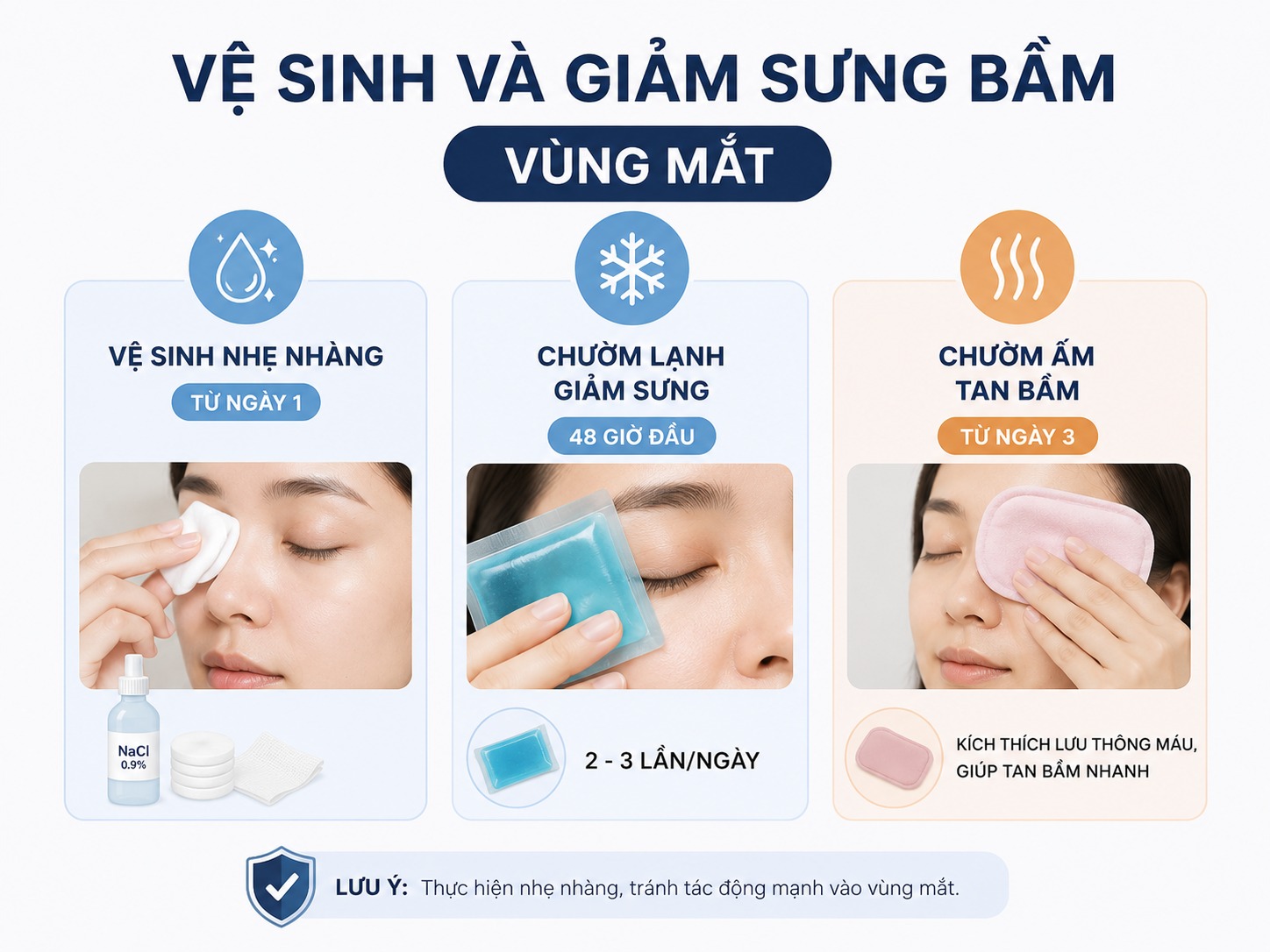
Hygiene and swelling/bruising reduction regimen for the eye area
- Gentle cleaning: Keep the fat-grafted area dry for the first 24 hours. From the following day, use a cotton pad or medical gauze dampened with a saline solution (0.9% NaCl) to gently clean the area around the eyes; avoid rubbing firmly.
- Cold compresses to reduce swelling: During the first 48 hours, apply cold compresses 2–3 times a day. Use a dedicated cold pack and move it gently around the eye area—never press or apply direct pressure to the site where the fat was grafted.
- Warm compresses to fade bruising: From the third day onward, if mild bruising appears around the eyes, switch to warm compresses to stimulate blood circulation and help the bruises fade more quickly.
Sleeping positions and physical activity: points to consider
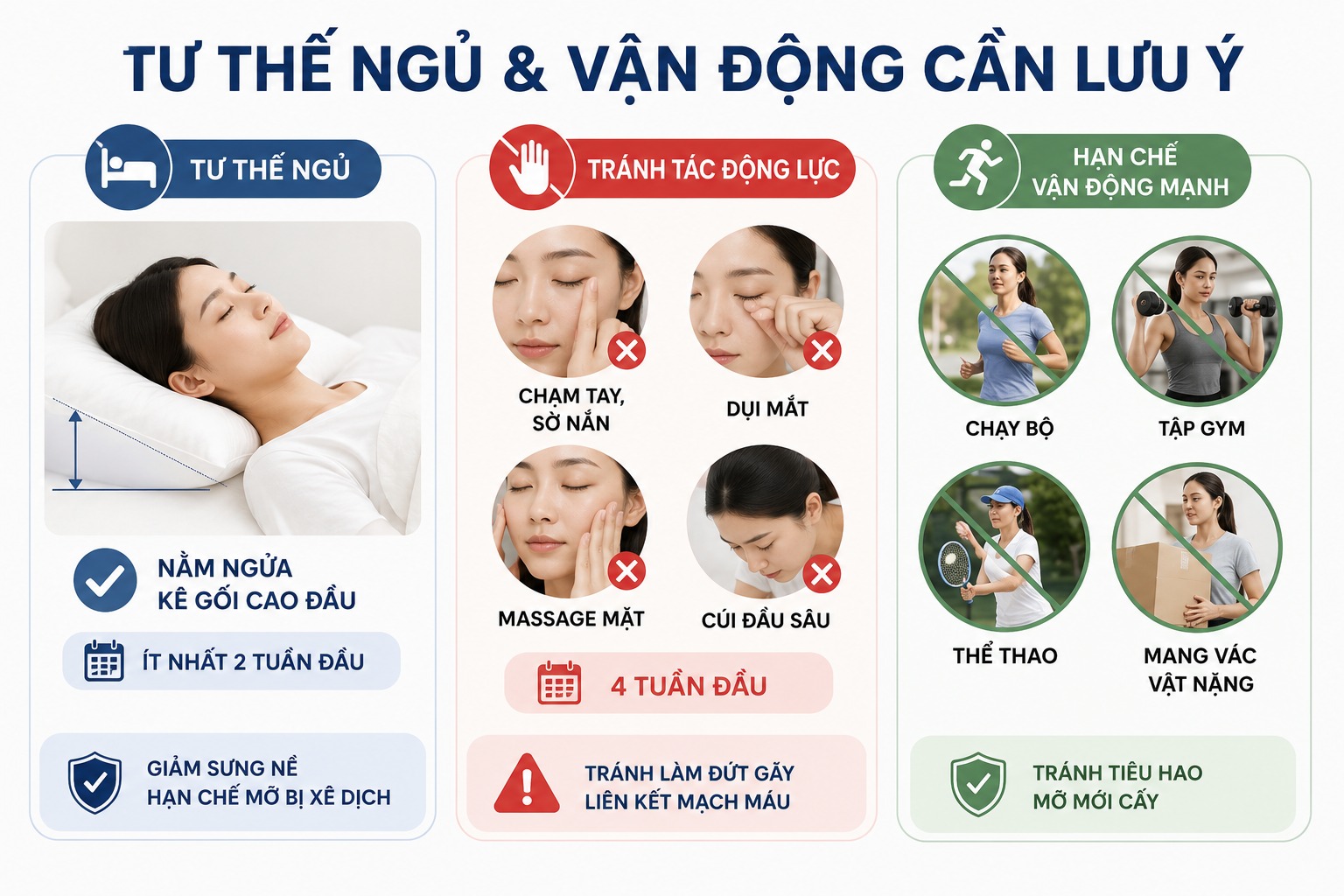
- Sleeping position: Always sleep on your back with your head elevated by pillows for at least the first 2 weeks. This position reduces blood pressure in the eye area, thereby minimizing swelling and preventing the displacement of the transferred fat. Do not sleep on your stomach or side, as this can distort the shape of the eyes.
- Avoid physical pressure: Strictly refrain from touching, rubbing, or massaging the eye or facial area, and avoid bending your head forward or downward for the first 4 weeks. Such actions can disrupt the newly formed blood vessels that supply the transferred fat.
- Limit strenuous activity: Avoid sports, running, gym workouts, or lifting heavy objects. High-intensity physical activity increases body temperature and accelerates metabolism, which can cause the newly grafted fat to be reabsorbed or depleted more quickly.
What should you eat and avoid after undergoing orbital fat grafting?
Your daily diet directly influences the speed of wound healing and the survival rate of newly transferred fat cells. To ensure your eyes settle into their desired shape quickly and maintain their fullness over the long term, you should follow a dietary plan that includes recommended foods and those to avoid, as outlined below:
Foods to add to your diet to support healthy fat metabolism
- Healthy fats: Incorporate nuts (such as cashews, almonds, and walnuts), avocados, and olive oil. These provide excellent nourishment to sustain and support the survival of newly transferred autologous fat cells.
- Foods rich in vitamins A, C, and E: Increase your intake of fresh fruits (like oranges, grapefruits, strawberries, and kiwis) and green vegetables. These nutrients boost immunity, reduce swelling and inflammation, and promote faster healing and a healthy, radiant appearance for the skin around the eyes.
- Stay well-hydrated: Drink 1.5–2 liters of fluids daily (including plain water and fruit juices) to enhance metabolism and help the fat cells adapt more easily to their new environment.

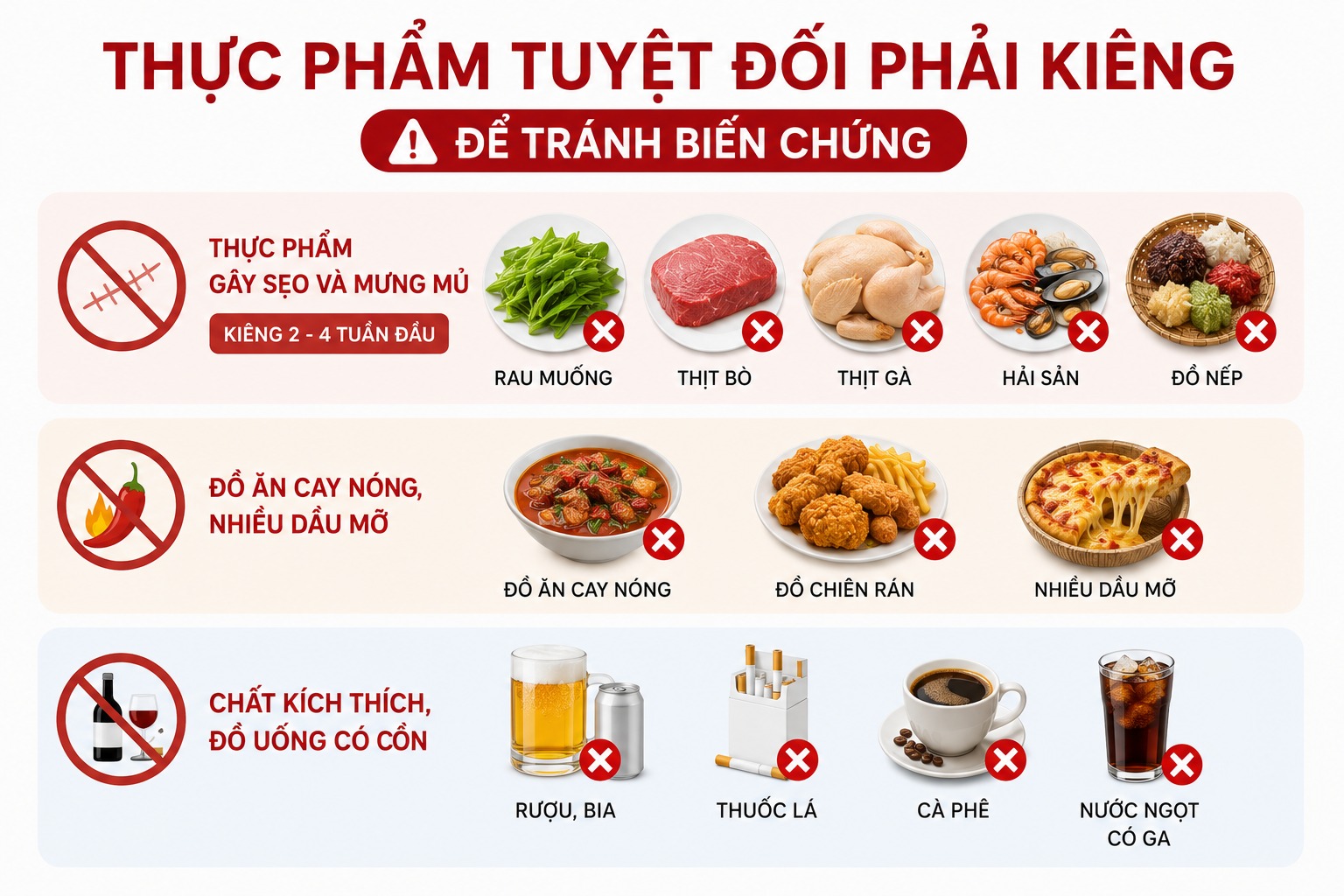
Foods that must be strictly avoided to prevent complications
- Foods that cause scarring and suppuration: Strictly avoid water spinach (which can lead to keloid scars), beef (which may cause darkening of the skin around the eyes), chicken, seafood, and glutinous rice-based dishes (which can trigger itching, suppuration, and delay the healing process) for at least the first 2–4 weeks.
- Spicy, hot, and oily foods: Minimize the consumption of dishes containing large amounts of chili, pepper, or fried ingredients, as these can irritate the body, increase the risk of swelling, and cause internal heat.
- Stimulants and alcoholic beverages: Refrain from consuming alcohol, beer, tobacco, coffee, and carbonated soft drinks. These substances impede blood circulation, preventing new blood vessels from reaching and nourishing fat cells, which leads to the rapid breakdown and loss of the fat.
Recovery timeline following orbital fat grafting
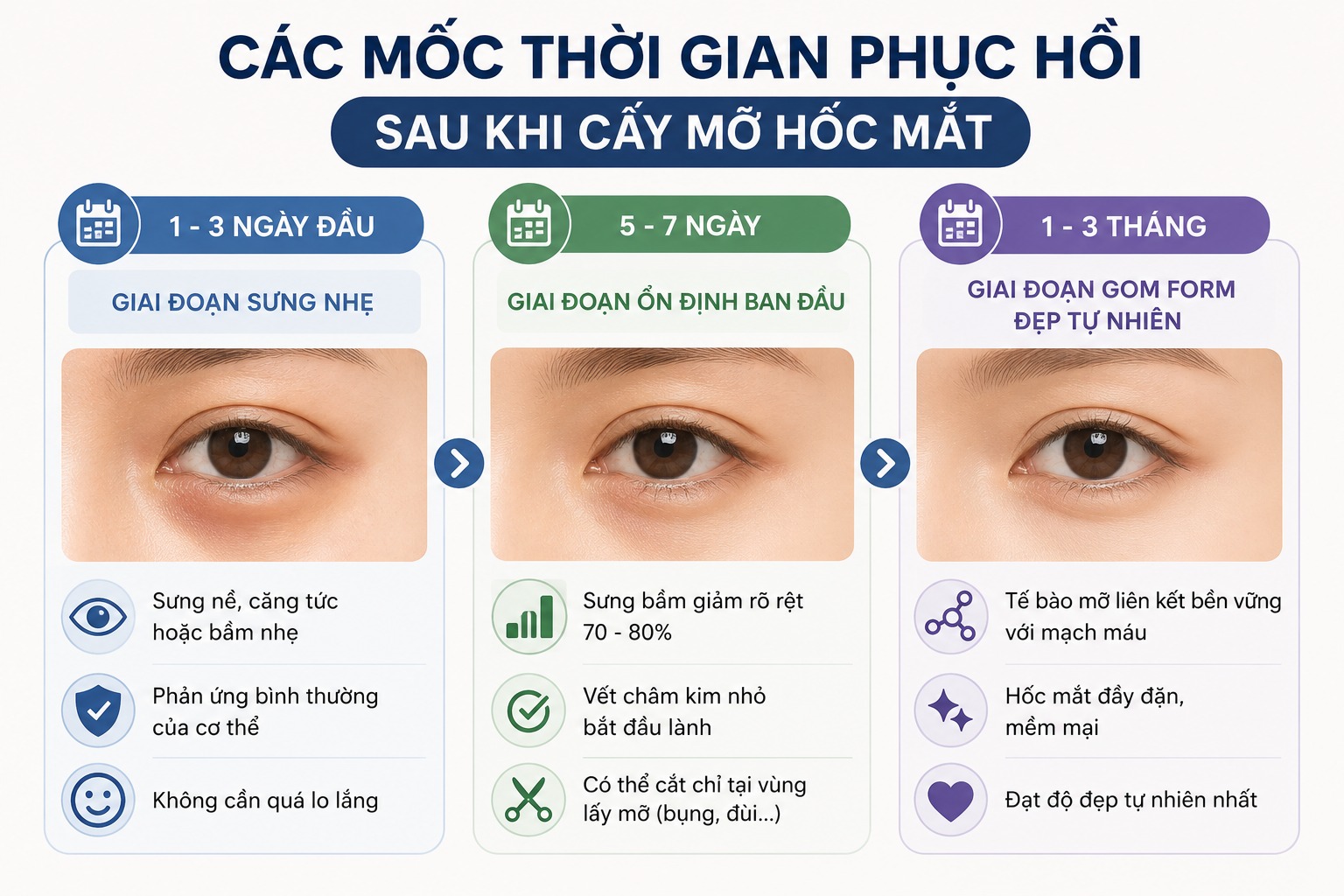
The recovery process following orbital fat grafting is relatively rapid and unfolds in the following stages:
- Days 1–3 (Initial swelling phase): You may experience swelling, a feeling of tightness, or mild bruising around the eye area. This is a completely normal bodily response to the introduction of new fat tissue.
- Days 5–7 (Early stabilization phase): Swelling and bruising typically subside by 70–80%. The small puncture sites around the eyes begin to heal, and you may have the stitches removed from the donor site (e.g., abdomen, thigh, etc.).
- 1–3 months post-procedure (Final settling phase for a natural look): The fat cells have established a stable connection with the blood vessels and have fully integrated into the surrounding tissue. The orbital area becomes full and soft—free from any stiffness—achieving a completely natural, aesthetic appearance.
Important tips for maintaining your eye shape over the long term
Once the fat cells have stabilized, you should maintain the following habits to ensure your eyes retain their full, youthful appearance:
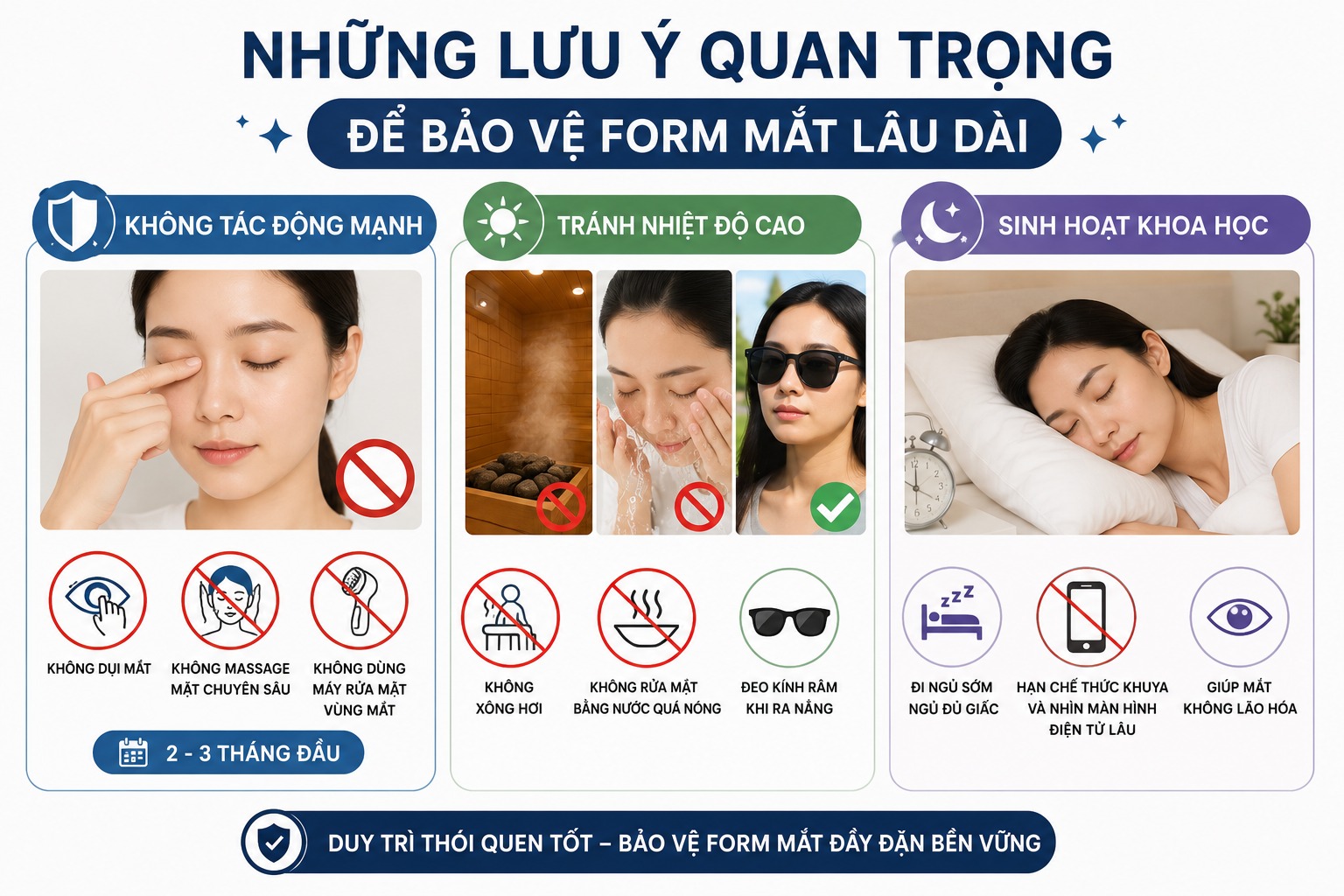
- Avoid rough handling: Strictly refrain from rubbing your eyes, performing intensive facial massages, or using facial cleansing devices around the eye area for the first 2–3 months.
- Avoid high temperatures: Steer clear of saunas or steam treatments, limit the use of very hot water when washing your face, and always wear sunglasses when outdoors in the sun to prevent the loss of fat volume.
- Adopt a healthy lifestyle: Go to bed early, get sufficient sleep, and avoid staying up late or spending excessive time looking at electronic screens, as these can accelerate the aging of the eye area.
Post-procedure care for orbital fat grafting at Dr. Xuan Quan Aesthetic Clinic
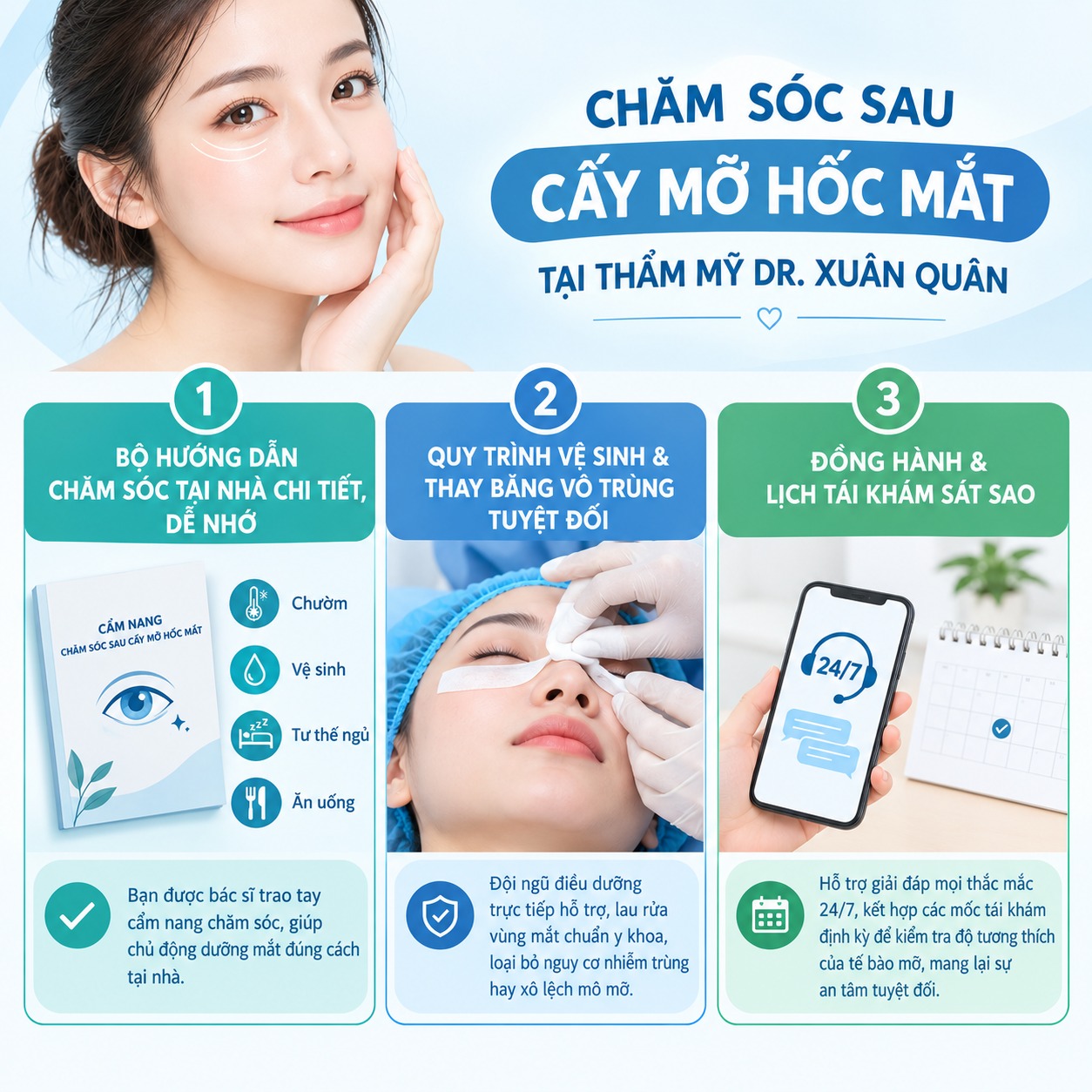
At Dr. Xuan Quan Aesthetic Clinic, the orbital fat grafting process extends well beyond the operating room. It is followed by a dedicated post-operative care regimen designed to maximize fat cell survival and ensure a naturally full, well-contoured appearance:
- Comprehensive, easy-to-follow home care instructions: You will receive a detailed care guide—covering everything from cold compresses, wound cleaning, and optimal sleeping positions to dietary recommendations—empowering you to manage your recovery effectively at home.
- Strictly sterile cleaning and dressing procedures: Our experienced nursing team provides professional, medical-grade care for the eye area, ensuring a sterile environment that eliminates the risk of infection or the displacement of the newly grafted fat tissue.
- Ongoing support and structured follow-up: Dr. Xuan Quan Aesthetic Clinic offers 24/7 support to address any questions or concerns. Scheduled follow-up appointments allow us to monitor how well the fat cells have integrated, providing you with complete peace of mind throughout your recovery.
The above is a comprehensive guide on post-procedure care following orbital fat grafting, designed to help the fat cells integrate quickly and achieve an optimal survival rate—ultimately restoring a full, radiant appearance to your eyes.
If you have any questions or would like to schedule an in-person consultation for cosmetic eye surgery with a doctor, please contact Dr. Xuan Quan Aesthetics today for the quickest assistance!