Tiếng Việt
Nasal retraction after rhinoplasty is one of the biggest “nightmares” for those who have undergone cosmetic surgery but did not achieve the desired results. This article, by Dr Xuan Quan Clinic with many years of in-depth experience, will help you understand the root cause and find solutions for reconstruction to help your face quickly return to a graceful and natural state.
Signs of Nasal Retraction
Unlike the usual swelling after surgery, nasal retraction after rhinoplasty usually develops silently and becomes most noticeable after the wound has stabilized. You need to pay special attention to the following warning signs:
The tip of the nose becomes upturned and shorter
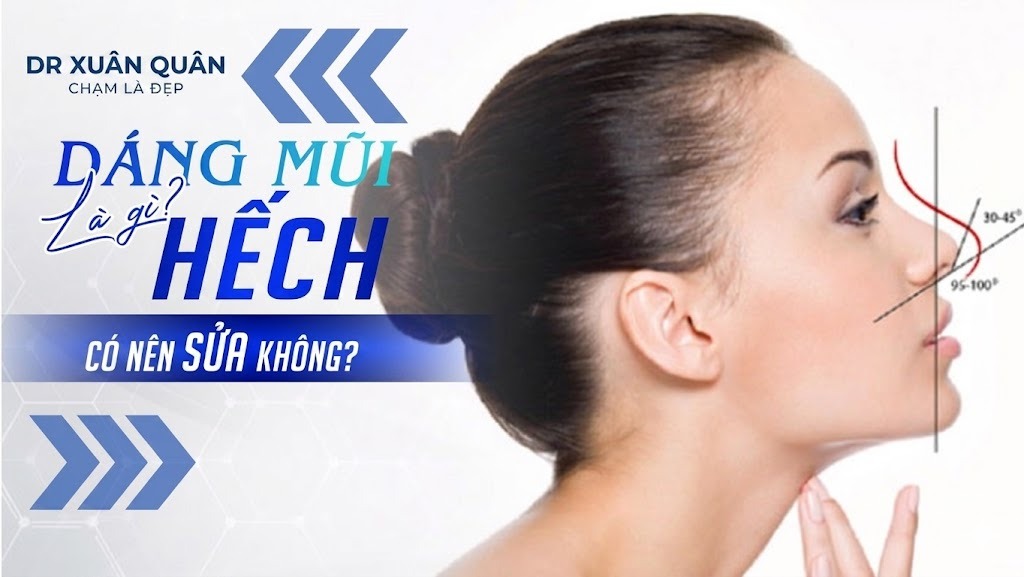
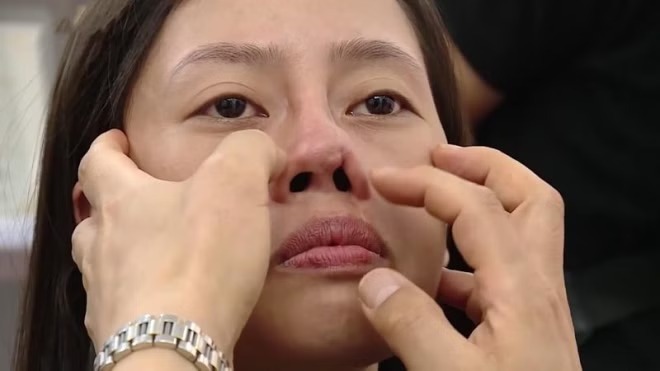
This is the most typical sign. The tip of the nose, which should be slender and long, now tends to be pulled upwards, revealing the nostrils (also known as an upturned nose). This condition causes the face to lose its natural harmony.
The skin around the nose becomes rough and less elastic
When touching the nose, you will feel that the tissues under the skin are hardened, losing their natural softness. This is the result of excessive fibrous capsule formation, causing contraction of the soft tissues inside.
The nasal bridge and nostrils become deformed
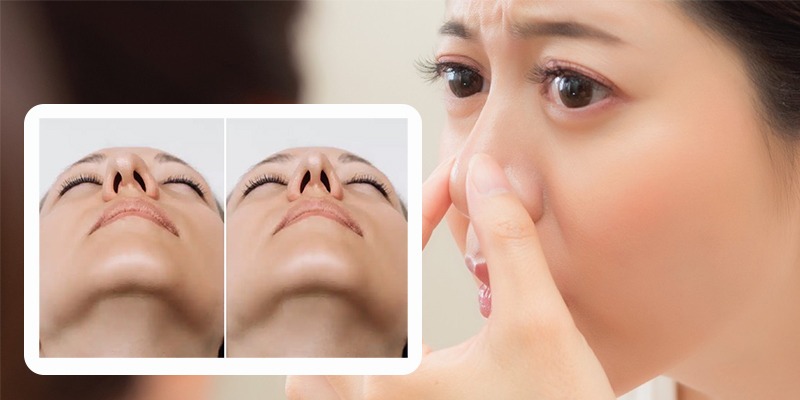
In addition to being upturned, the nasal bridge may be pulled to one side or the nostrils may be unevenly pulled up, creating serious asymmetry on the face.
Persistent feeling of tightness and discomfort
Even long after the stitches were removed, you may still feel a constant tightness and discomfort around your nose, especially when the weather changes or when you touch it.
Causes of Nasal Contraction After Rhinoplasty
Identifying the root cause is key to developing the most accurate rhinoplasty reconstruction plan. Here are four common factors:
Excessive Fibrous Capsular Inflammation
This is the leading cause. When the body is incompatible with the implant material, a layer of hardened fibrous tissue forms around the cartilage. Over time, this fibrous capsule contracts, pulling on the surrounding soft tissues and causing the nasal tip to be upturned.
Chronic Infections That Are Not Completely Treated
Surgeries with prolonged infections will destroy the structure of the tissue and autologous cartilage inside. The healing process after inflammation often leaves contracture scars, deforming the original shape of the nose.
Overuse of Artificial Cartilage That Is Too Long or Too High
Placing artificial cartilage that is too large for the actual structure of the nose creates continuous pressure on the nasal tip. This not only causes redness at the tip of the nose after rhinoplasty but also thins the skin, leading to mechanical contraction and shortening of the nasal axis.
Excessive surgical interventions
Each revision surgery to remove and reinsert cartilage causes damage to the soft tissues. Repeated failed rhinoplasty procedures at low-quality facilities cause severe fibrosis of the nasal tissue, loss of elasticity, and easily lead to contraction after suture removal.
The Most Effective Way to Correct Nasal Retraction After Rhinoplasty
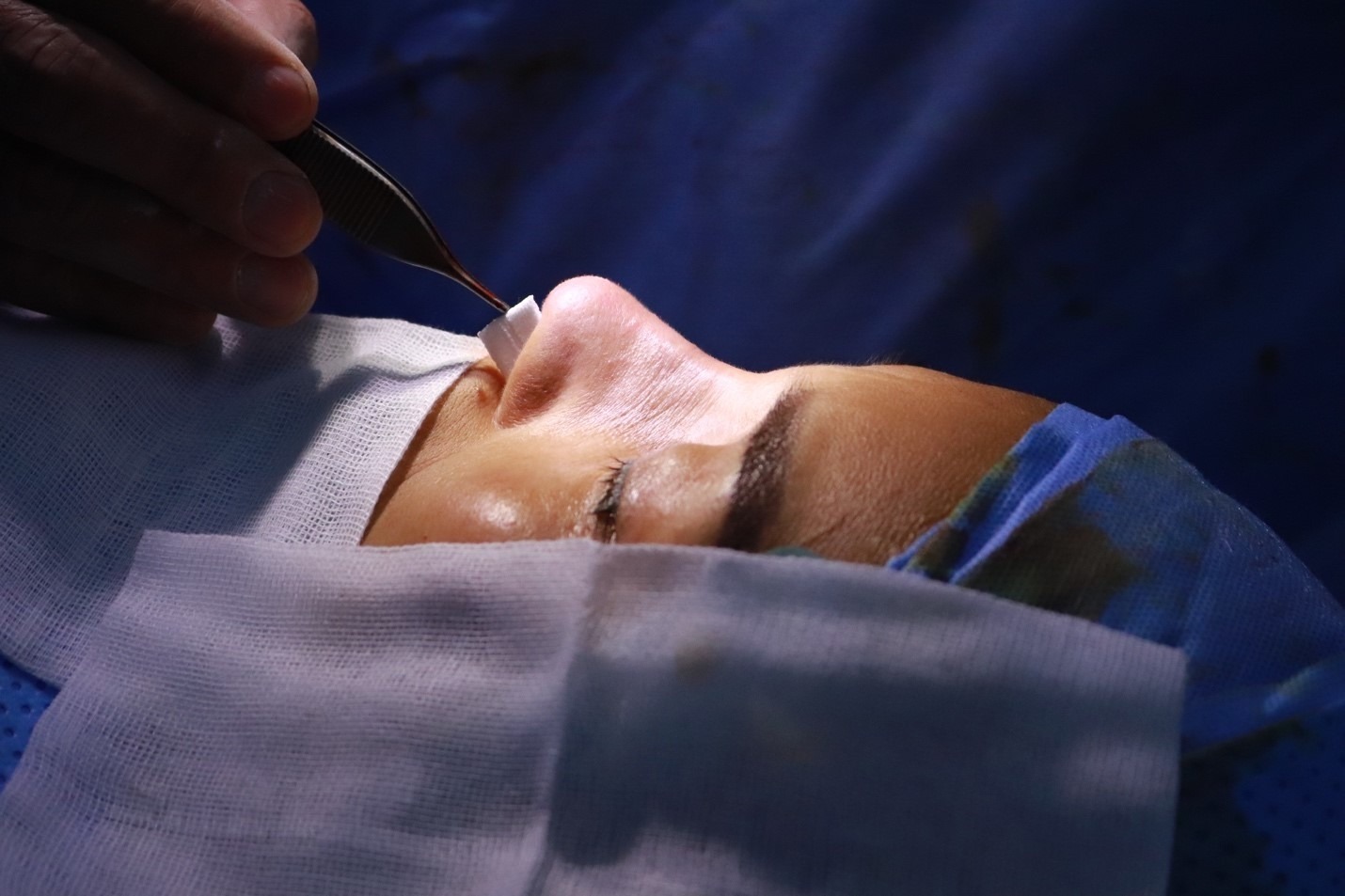
Treating nasal retraction after rhinoplasty is one of the most difficult techniques in cosmetic nose surgery, requiring extremely skilled surgeons. According to Dr Xuan Quan Clinic – an expert with nearly 10 years of experience and overseas training, the best solution currently is the rhinoplasty reconstruction method combined with autologous cartilage:
Dissection and Release of Fibrous Caps
This is the crucial step. The doctor will perform microsurgery to dissect the entire layer of hardened scar tissue that is pulling the nasal tip. Completely releasing these fibrous bands helps the nasal tissue become soft again, creating conditions to extend the nasal tip back to its original position.
Reconstruction using Autologous Rib Cartilage
For severe retraction, artificial cartilage is often no longer suitable. Using the patient’s own rib cartilage to build the nasal bridge and extend the nasal tip is the “gold standard”.
Rib cartilage is highly stable and perfectly biocompatible, effectively preventing re-shrinkage.
Protective lining with biological tissue grafting
To address the thinning and fibrosis of the nasal skin, the doctor will add a layer of specialized tissue grafting. This layer acts as a protective “shield,” helping to create a full, elegant, and natural-looking nasal tip and preventing redness at the tip after rhinoplasty.
Intensive post-operative care
Patients must strictly follow the doctor’s instructions for faster wound healing. After suture removal, the nose shape will begin to settle and achieve stable results over time, typically within 7-10 days.
Why choose Dr Xuan Quan Clinic for rhinoplasty correction?
Dr. Xuan Quan Clinic has successfully treated hundreds of severe cases of upturned and retracted noses thanks to its outstanding advantages:
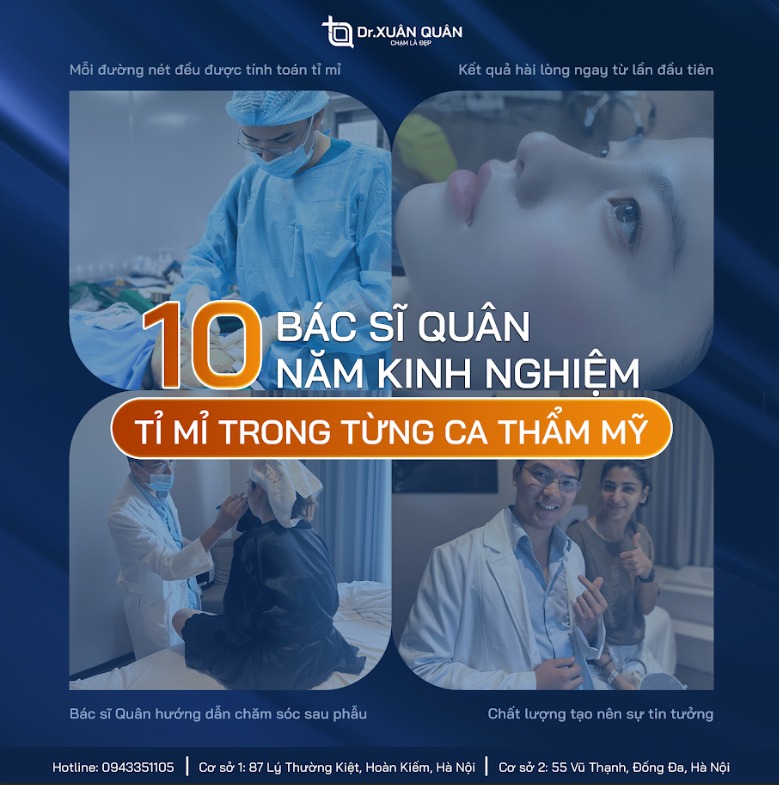
Experienced specialist doctor: Dr. Xuan Quan, with nearly 10 years of experience and training abroad in countries like South Korea and Singapore, will directly examine and perform the procedure. The doctor understands the complex anatomical structure of damaged noses, thus providing an accurate plan for releasing the fibrous capsule, helping to alleviate concerns about complications.

Optimal use of autologous cartilage: In cases of nasal retraction, doctors prioritize using autologous rib cartilage to create a stable nasal bridge. This material has absolute compatibility, helping the nose achieve firm stability and completely preventing the risk of future retraction.
Reputable warranty commitment: Every rhinoplasty correction procedure at our clinic comes with a 1-year professional warranty and a 5-year material warranty, affirming our quality and responsibility for the aesthetic results. We always strive to help our clients achieve the most perfect appearance with lasting beauty.
5-star post-operative care process: Clients are closely monitored from surgery to suture removal. The dedication of our medical team helps wounds heal quickly, providing long-lasting peace of mind for all clients.
Price List for Nose Augmentation at Dr Xuan Quan Clinic
At Dr Xuan Quan Clinic, the cost of nose augmentation is transparent and commensurate with the advanced techniques and quality materials used. Please refer to the detailed price list for nose augmentation services to make the best choice for your needs and budget:
| Nose augmentation | S-line rhinoplasty | 25.000.000 VND |
| S-Line Structural Rhinoplasty | 45.000.000 VND | |
| Pureform rhinoplasty | 50.000.000 VND | |
| Nasal Cartilage Removal | Structural Nasal Cartilage Removal | 10.000.000 VND |
| Conventional Nasal Cartilage Removal | 5.000.000 VND | |
| Nasal Hump Reshaping | Nasal Hump Reshaping | 10.000.000 VND |
| Nose reduction | Nasal wing reduction | 5.000.000 VND |
| Nose tip reduction | 15.000.000 VND |
Special Benefits:
- Sustainable Results: Aesthetic results are maintained stably for 5-10 years thanks to optimal cartilage and skin foundation processing techniques.
- Reputable Warranty: We commit to a comprehensive 6-month warranty, accompanying customers until the nose shape is completely stable.
Post-Surgery Care for Nasal Contraction
To protect the nose shape and prevent more serious complications, you need to understand the care process from basic hygiene to long-term reconstruction solutions.
- Cleaning with saline solution: Use cotton swabs soaked in saline solution to gently clean the nasal vestibule area, avoiding bacterial buildup that can cause more severe inflammation.
- Avoid forceful manipulation: Absolutely do not squeeze, pull, or massage the tip of the nose forcefully, as the internal tissue is hardened at this time, and forceful manipulation will only accelerate the contraction process.
- Monitor for unusual symptoms: Record any signs such as pus discharge, unusual odor, or pain level to provide accurate information to your doctor.
- Avoid folk remedies: Do not apply ointments, herbs, or excessive hot/cold compresses without a doctor’s prescription, as this can easily irritate the damaged nasal skin.
Frequently Asked Questions about Nasal Retraction After Rhinoplasty
To help you understand better, Dr Xuan Quan Clinic will answer the most common questions:
Can nasal retraction resolve on its own over time?
Unfortunately, nasal retraction due to capsular contracture or scar tissue contraction cannot disappear on its own and tends to worsen over time. Without early intervention, the tip of the nose will become increasingly upturned and the skin tissue will become more hardened.
Early examination allows the doctor to provide timely solutions to release the capsular contracture, helping the face return to its natural and elegant state sooner.
What is the best time to have surgery to correct nasal retraction?
Generally, the ideal time to correct a failed rhinoplasty is about 3-6 months after the previous surgery, when the soft tissues have stabilized and have sufficient elasticity. However, if there are signs of infection or skin perforation, the doctor will order emergency treatment to protect the nasal structure.
After treatment and suture removal, you will need time to recover before reconstructing the nose shape.
Is rhinoplasty with retracted cartilage painful and how long does it take to look good?
Thanks to modern microsurgical techniques and standard medical anesthesia procedures, clients will feel comfortable throughout the process. After suture removal, swelling will significantly decrease after 7-10 days. The nose shape will gradually stabilize and look its most natural after about 3-6 months, providing long-term peace of mind for clients.
Is rhinoplasty with retracted cartilage safe?
For cases of severe nasal retraction after rhinoplasty, continuing to use artificial cartilage alone is often ineffective and prone to recurrence. Dr Xuan Quan prioritizes the use of autologous rib cartilage to create stability, helping to lengthen the nasal tip and achieve long-term, firm stability.
The above information details the causes and solutions for nasal retraction after rhinoplasty. Contact us immediately for a direct consultation with our doctors, helping you achieve your most perfect appearance with lasting beauty and a reputable 1-year professional warranty.