Tiếng Việt
Exposed septal cartilage after rhinoplasty is one of the complications that causes many patients to worry, especially in cases of structural rhinoplasty or rhinoplasty that has undergone previous procedures. In the article below, Dr Xuan Quan Clinic will analyze in detail the causes, signs of recognition, and safe treatment methods to help you proactively protect your nose shape and long-term aesthetic results.
What is exposed septal cartilage after rhinoplasty?
Exposed septal cartilage after rhinoplasty is a condition where the autologous cartilage (usually taken from the nasal septum) is exposed through the skin or mucous membrane of the nasal tip after surgery. The cause is often due to the nasal tip tissue being too thin, the cartilage being placed in the wrong position, excessive tension, or the nose having undergone multiple previous procedures that have weakened its structure.
Is this condition dangerous?
Yes. If not treated promptly, exposed cartilage can cause:
- Inflammation and infection of the nasal tip area
- Skin necrosis due to lack of blood supply
- Severe nasal structural deformation
Can it be corrected?
It is entirely possible to correct the problem, but it requires:
- Removal of the cartilage causing the complication
- Cleaning and treatment of inflamed tissue (if any)
- Reconstruction of the nasal structure using a method appropriate to the current tissue condition
Correcting a complicated nose requires a highly specialized surgeon to ensure safety and minimize recurrence.
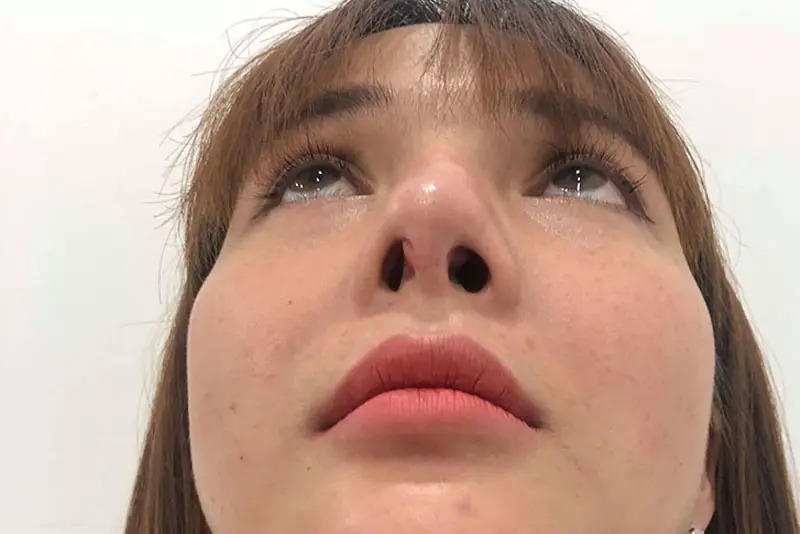
Causes of Septal Cartilage Extrusion After Rhinoplasty
According to rhinoplasty specialists, septal cartilage extrusion usually doesn’t stem from a single cause but rather from a combination of factors during surgery and recovery.
Some common causes include:
- Incorrect surgical technique: The septal cartilage is placed in the wrong position, creating excessive tension or improper handling of the covering tissue, causing the cartilage to gradually protrude over time.
- Overuse of septal cartilage: Taking too much autologous cartilage to build the nasal bridge without proper balance with the soft tissue foundation leads to an unbalanced nasal structure and complications.
- Thin nasal skin that wasn’t properly assessed: In cases with thin nasal skin, without appropriate reinforcement or covering, the cartilage is easily exposed after a period of time.
- Post-rhinoplasty infection: Prolonged inflammation can cause tissue necrosis, destroying the protective layer around the cartilage and leading to septal cartilage extrusion.
- Strong impacts during the recovery period: Collisions, lying face down, wearing glasses too soon, or improper post-operative care can all affect the nasal structure.
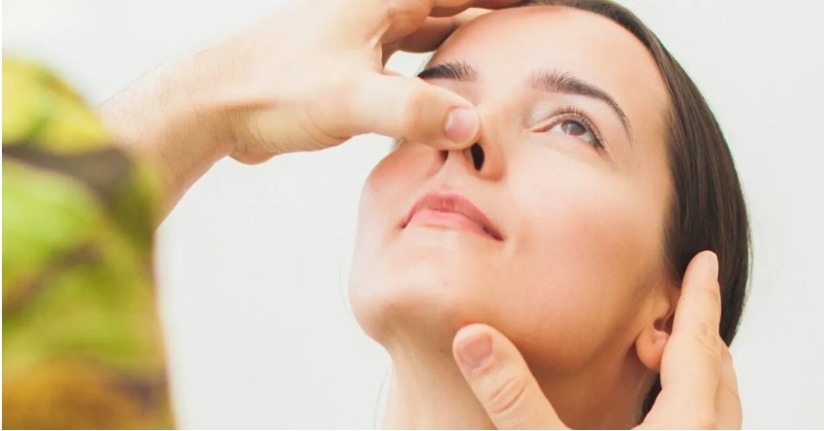
Signs of Exposed Septal Cartilage After Rhinoplasty
Exposed septal cartilage after rhinoplasty doesn’t usually happen suddenly; there are early warning signs. Timely recognition allows for timely intervention, minimizing tissue damage and preventing long-term aesthetic results.
Some common signs include:
- The skin at the tip of the nose becomes shiny and red, feeling tight, especially noticeable when touched or viewed from the side.
- The cartilage is clearly visible under the skin, protruding, making the nose feel stiff and unnatural compared to the original.
- Prolonged pain that gradually increases over time, even after the normal recovery period.
- Redness, inflammation, or unusual discharge are warning signs of infection, soft tissue damage, and cartilage no longer being securely covered.
- In severe cases, the septal cartilage may be clearly exposed, causing serious aesthetic problems and requiring early medical intervention.
If any of the above abnormal symptoms appear, early consultation with a specialist is crucial to preserving the shape of the nose and preventing more serious complications.
How to treat a septal cartilage extrusion after rhinoplasty
Depending on the degree of cartilage extrusion, the condition of the nasal skin, and the surgical history, the doctor will prescribe the appropriate intervention plan for each specific case.
Typically, the treatment process will include the following steps:
- Removing the exposed cartilage, cleaning the damaged area, and controlling inflammation or infection (if any)
- Treating the soft tissue to help the nasal tip skin recover and be ready for reshaping the nose
- Reconstructing the nose using a more suitable technique, which may involve reinforcing the soft tissue, changing the implant material, or adjusting the structure to reduce pressure on the nasal tip
Regarding the impact, patients often worry about the following issues, and here are the answers:
Will it leave a sunken scar?
If detected early and treated correctly, it usually does not leave a significant scar. Sunken scars only occur when the nasal tip skin is severely damaged or necrotic.
Will the nasal bridge be lost?
If the infection spreads or the cartilage structure is severely damaged, the nasal septum may weaken. In that case, the surgeon will need to reconstruct the nasal septum to ensure stability and a natural shape.
Will breathing be affected?
In some rare cases, if the septal cartilage is deeply damaged, respiratory function may be slightly affected. However, with proper corrective surgery, functional aspects will always be prioritized alongside aesthetics.
Preventing Septal Cartilage Extrusion After Rhinoplasty
Most cases of septal cartilage extrusion can be prevented if the procedure is performed correctly from the start. To minimize the risk of septal cartilage extrusion after rhinoplasty, you should note:
- Choose a reputable aesthetic clinic with a specialist doctor who will directly examine and perform the procedure.
- Carefully assess the nasal structure and skin thickness before deciding on the rhinoplasty method.
- Strictly follow post-operative care instructions, avoiding collisions and strong impacts to the nasal area.
- Attend follow-up appointments as scheduled, allowing the doctor to monitor the recovery process and detect any abnormalities early.
Proactive prevention from the beginning not only helps preserve the shape of the nose but also minimizes difficult-to-treat complications later on.
Safe and Effective Rhinoplasty at Dr Xuan Quan Clinic
In cases of rhinoplasty with septal cartilage protrusion or requiring corrective surgery after complications, choosing a reputable aesthetic clinic is crucial for safety and long-term recovery. Dr Xuan Quan Clinic is a trusted choice for many clients due to its systematic, personalized approach to rhinoplasty and strict adherence to medical standards.

Here, each client receives a direct examination and comprehensive assessment of their nasal structure, soft tissue condition, skin thickness, and previous surgical history from a specialist doctor. Based on this, the doctor develops a suitable rhinoplasty plan, prioritizing safety and minimizing the risk of complications such as cartilage protrusion, redness, or deviated nasal bridge.
Key features of rhinoplasty services at Dr Xuan Quan Clinic include:
- Experienced doctors with extensive practical experience handling many difficult cases, failed rhinoplasty, and rhinoplasty cases with multiple previous surgeries.
- Personalized rhinoplasty techniques, avoiding generic nose shapes, ensuring harmony with each individual’s face and body.
- Standard medical procedures, performed in a sterile environment with strict safety controls.
- Close post-operative monitoring and detailed care instructions to ensure stable and long-lasting recovery.
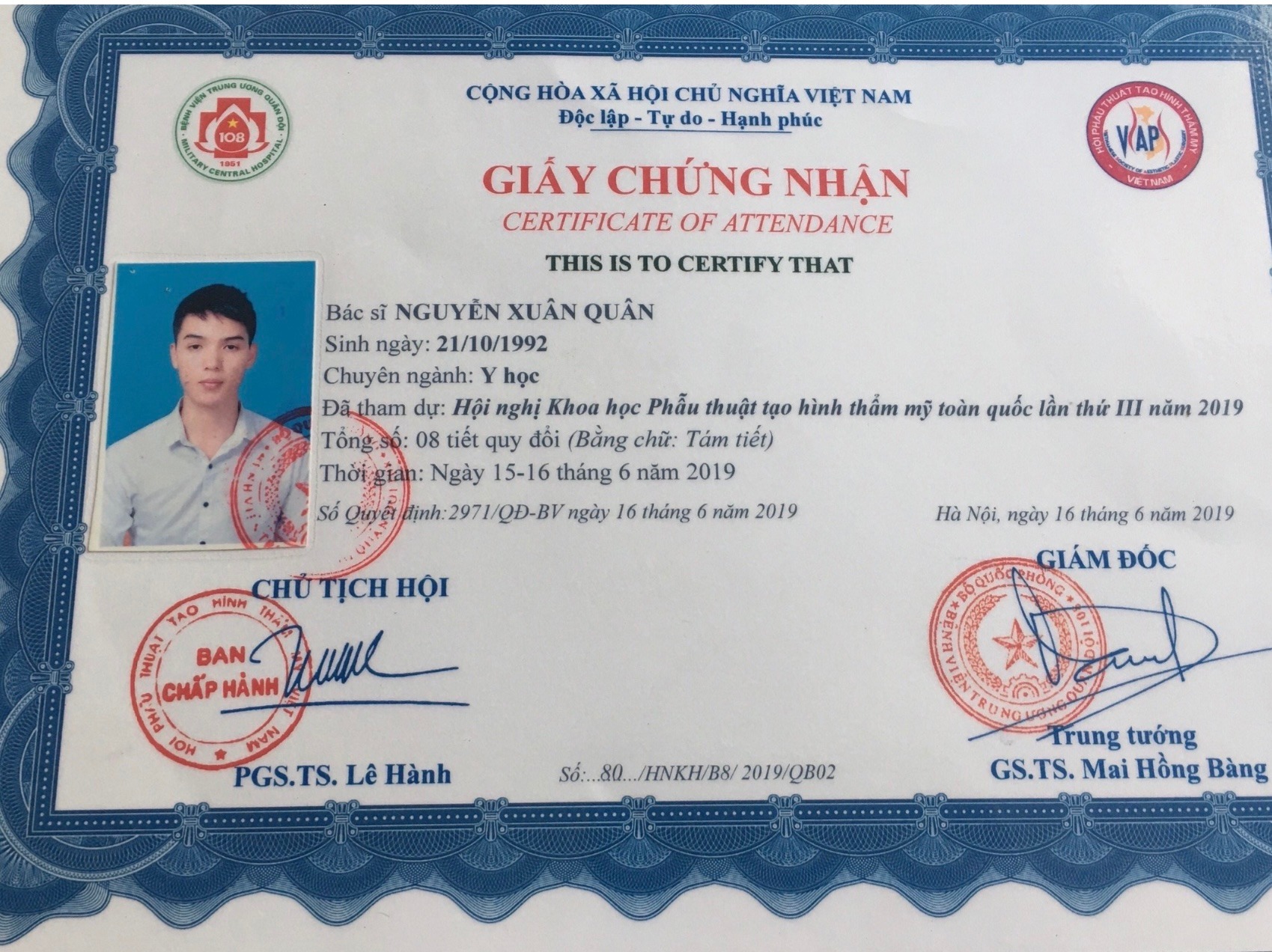
At Dr. Xuan Quan Aesthetic Clinic, rhinoplasty is not just about correcting the external shape of the nose, but a comprehensive solution that helps overcome flaws, prevent complications, and bring natural, long-lasting beauty to clients.
In short, this article has helped you understand the condition of a deviated septum after rhinoplasty, its signs, and safe treatment options. If you notice any abnormalities during recovery, you should consult a specialist at Dr Xuan Quan Clinic as soon as possible for accurate assessment and selection of a suitable rhinoplasty solution, ensuring a stable and long-lasting aesthetic result.