Tiếng Việt
Nasal cartilage removal
After rhinoplasty, if the nose feels stiff, experiences prolonged pain, or looks unnatural, removing the nasal cartilage may be necessary to protect the nasal structure and avoid complications. At Dr Xuan Quan Clinic, the nasal cartilage removal service is performed according to standard medical procedures, ensuring safe treatment, preserving nasal tissue, and supporting stable nasal recovery.
Cases where nasal cartilage removal is recommended
Not all rhinoplasty cases require cartilage removal. However, according to professional assessment, nasal cartilage removal is usually indicated by the doctor when the nasal shape is no longer stable or poses a potential risk to long-term health and aesthetics. Specifically, this method is suitable for the following cases:
- Prolonged pain, tightness, or discomfort in the nose after rhinoplasty, with no improvement over the normal recovery time.
- A crooked, stiff, or exposed nasal bridge lacking softness and harmony with the overall facial features.
- Signs of inflammation, fluid accumulation, redness, thinness, or risk of cartilage exposure.
- Allergic reactions or rejection due to incompatibility with the artificial implant material.
- Noses that have undergone multiple cosmetic procedures, with unstable supporting structures.
- Clients who no longer wish to retain the implant and desire a safer, more natural-looking nose.
Removing the implant at the right time and with the correct technique not only addresses current issues but also preserves nasal tissue, creating a good foundation for recovery or subsequent cosmetic procedures if needed.
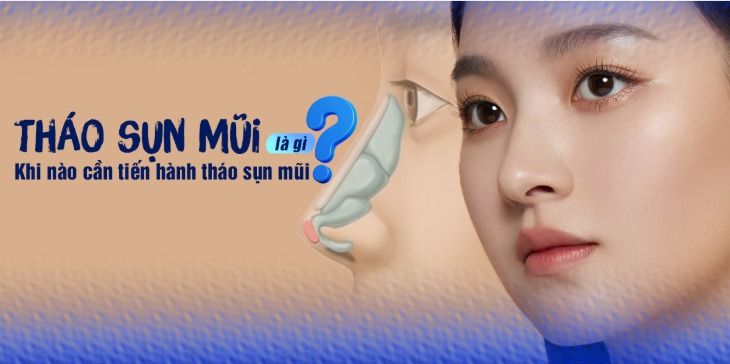
Standard Medical Procedure for Nasal Cartilage Removal at Dr Xuan Quan Clinic
According to professional experience, nasal cartilage removal is a highly precise intervention, as noses that have undergone previous surgery are often more sensitive and prone to injury. At Dr. Xuan Quan Aesthetic Clinic, the nasal cartilage removal procedure is meticulously designed and strictly adheres to medical standards to ensure safety and support stable nasal recovery, creating a good foundation for a long-lasting, natural-looking nose.
Step 1: Comprehensive Examination and Assessment of Nasal Structure
The doctor directly examines the current condition of the nose, determines the type of cartilage used (artificial or autologous), the extent of previous intervention, and any abnormalities. This is a crucial step to minimize risks during the cartilage removal process.
Step 2: Consultation on the appropriate cartilage removal method
Based on the examination results, the doctor will prescribe either conventional or structural nasal cartilage removal, and clearly explain the extent of intervention, recovery time, and the condition of the nose after removal.
Step 3: Performing cartilage removal in a sterile environment
The entire process is performed in a sterile operating room, with precise manipulation to gently remove the cartilage, minimizing invasiveness and preserving as much nasal tissue as possible.
After cartilage removal, the doctor will process the nasal tissue, carefully control bleeding, and suture the incision aesthetically, helping to reduce swelling and support smooth nasal recovery.
Step 4: Post-operative care instructions and follow-up appointments
Clients will receive detailed instructions for home care, monitoring of recovery progress, and scheduled follow-up appointments. Sutures are usually removed after 7-10 days, depending on individual physiology and nasal condition.
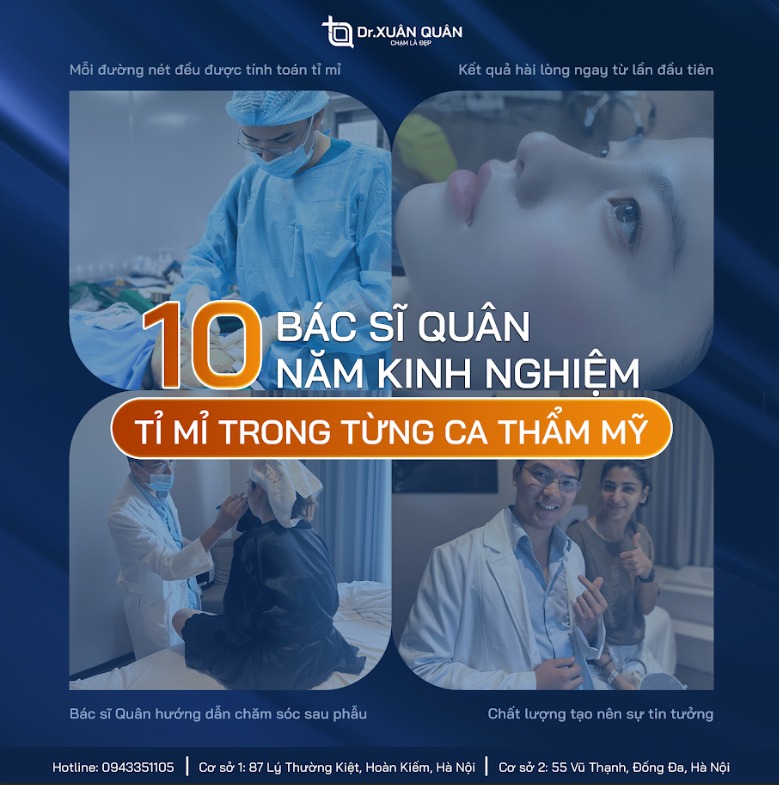
How long does it take for a nasal cartilage removal surgery to heal?
According to clinical experience, the healing time after nasal cartilage removal depends on many factors such as the extent of previous intervention, the type of cartilage used, and the individual’s healing ability. However, most patients will experience relatively clear recovery milestones:
- After 7-10 days: The incision stabilizes, swelling significantly decreases, and stitches can be removed if there are no abnormal signs.
- After 2-4 weeks: The nasal tissue gradually adapts, the feeling of tightness and discomfort significantly decreases, and daily activities are almost back to normal.
- After 1-3 months: The nose is completely healed, the soft tissue is more stable, and the nose shape becomes more natural and soft.
Adhering to post-operative care instructions, attending scheduled follow-up appointments, and avoiding strong impacts on the nasal area will help shorten the recovery time and reduce the risk of swelling, inflammation, or complications later on.
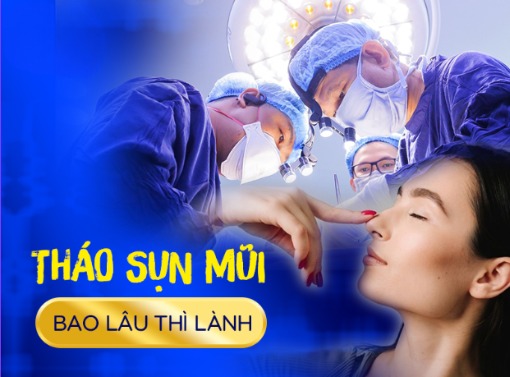
Dr Xuan Quan Clinic – A Safe and Reputable Address for Nasal Cartilage Removal
Nasal cartilage removal requires a doctor with extensive experience in handling previously surgically altered noses, especially structural noses, noses that have undergone multiple augmentations, or those showing signs of instability. At Dr Xuan Quan Clinic, our doctors possess high professional qualifications and have successfully handled thousands of previously surgically altered noses. Here, safety, preservation of nasal tissue, and long-term recovery are always our top priorities.
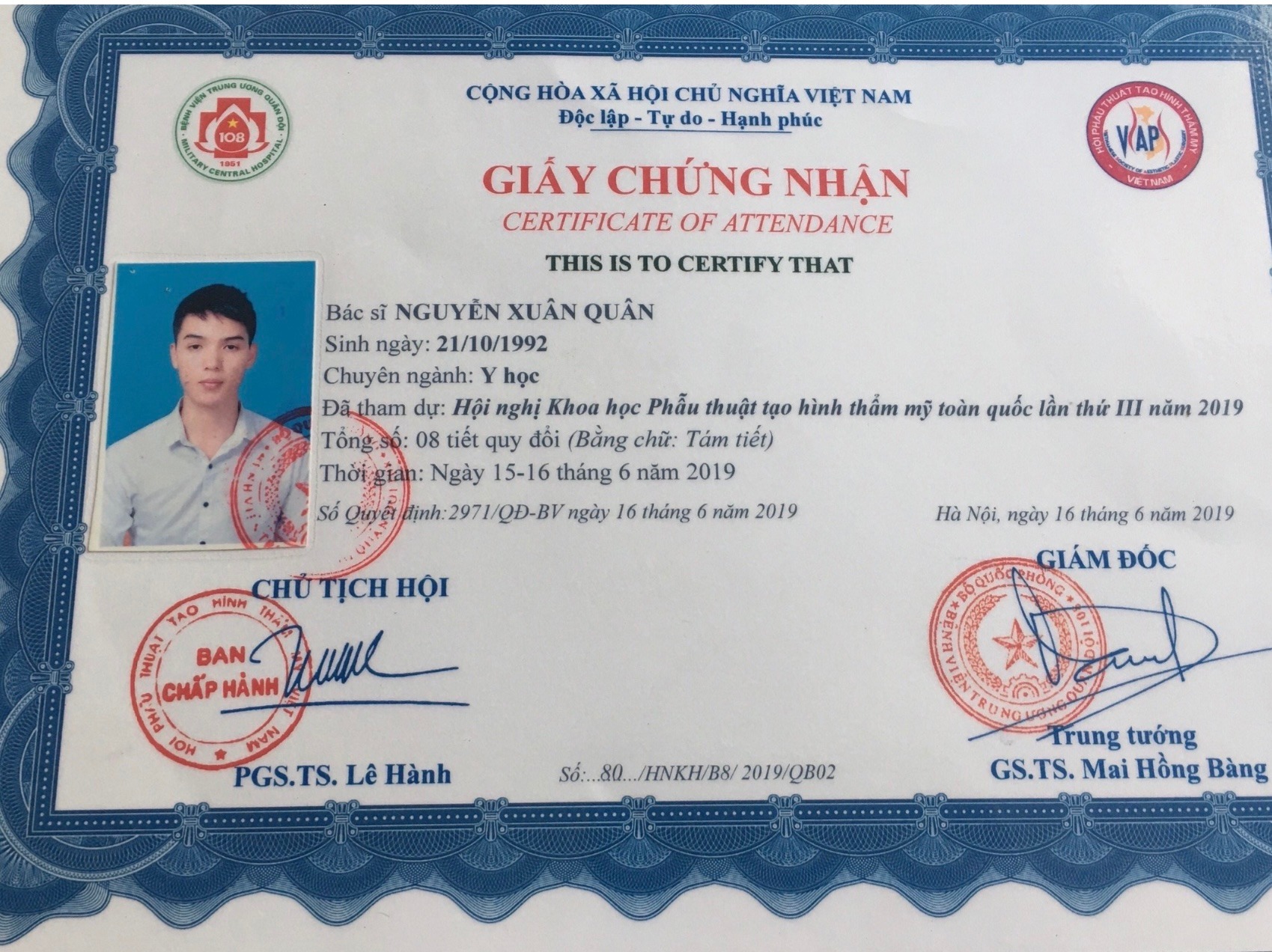
Factors contributing to Dr. Xuan Quan’s reputation in nasal cartilage removal:
- Direct examination and procedure by specialist doctors: Each patient receives a thorough assessment of their nasal tissue condition, the type of cartilage implanted, and the extent of previous intervention. Based on this assessment, the doctor will advise on the most suitable removal plan, minimizing damage and ensuring appropriate intervention.
- Personalized treatment according to each nasal structure: The cartilage removal process is not rigid but flexibly adjusted based on the actual nasal condition, resulting in a stable, soft, and natural-looking nose after removal.
- Modern equipment and technology: Specialized equipment allows doctors to precisely control the procedure, reduce invasiveness, and monitor the nasal condition throughout the process and recovery.
- Medical-standard nasal cartilage removal procedure, ensuring safety: The entire process is performed in a sterile environment, strictly adhering to medical procedures to minimize risks and promote smooth healing.
- Medical-standard nasal cartilage removal procedure, ensuring safety: Post-procedure care and systematic recovery monitoring: Clients receive detailed care instructions and scheduled follow-up appointments so that doctors can monitor the recovery process, helping the nose stabilize quickly and minimizing future complications.
With a focus on safe and sustainable nose procedures, Dr Xuan Quan Clinic not only performs nasal cartilage removal using the correct technique but also aims to preserve the nasal structure long-term, creating a good foundation for a stable nose shape in the future.
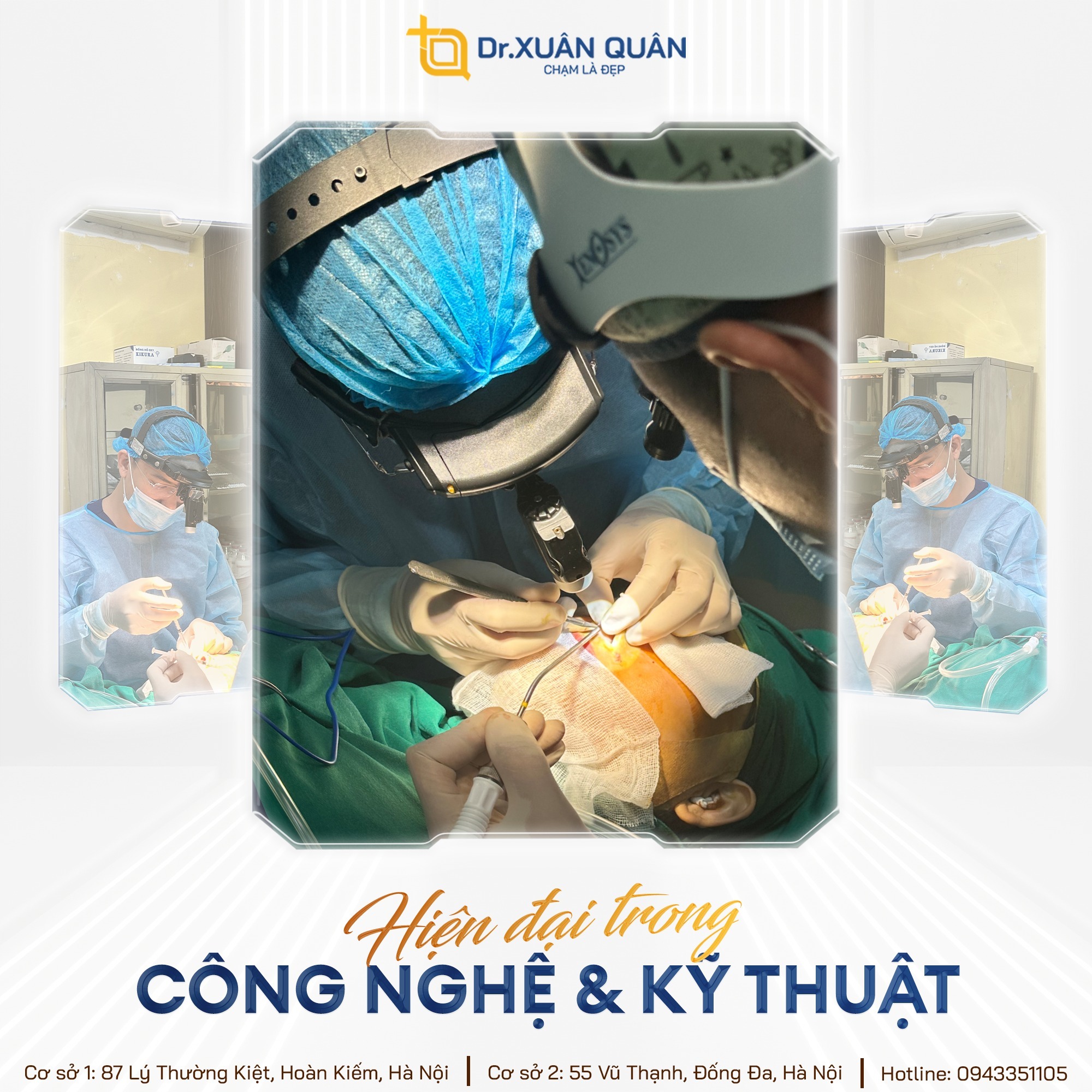
If you are experiencing nasal instability after rhinoplasty or need cartilage removal for long-term safety, please schedule a consultation at Dr Xuan Quan Clinic to have a doctor examine and assess your nasal structure and develop a suitable treatment plan from the outset.
How much does nasal cartilage removal cost?
The cost of nasal cartilage removal is not a fixed figure for everyone, as the price depends on many factors such as the type of cartilage, the condition of the nose, the complexity of the procedure, and individual recovery mechanisms. Below is a general overview for your reference before deciding to proceed.
In today’s cosmetic surgery market, the cost of nasal cartilage removal varies depending on the type and complexity of the surgery:
- Simple nasal cartilage removal (minimal cartilage, no fibrous tissue adhesion): approximately 4,000,000 – 7,000,000 VND
- Complex nasal cartilage removal (structural cartilage, significant fibrous tissue adhesion): approximately 7,000,000 – 15,000,000 VND
- Cases requiring additional scar tissue removal or complications may incur higher costs.
At Dr Xuan Quan Clinic, service costs are clearly and transparently disclosed to allow customers to easily choose the appropriate level of intervention.
| Nasal cartilage removal (conventional) | 5.000.000 VND |
Lifetime maintenance |
| Structural nasal cartilage removal | 10.000.000 VND |
All services are performed according to standard medical procedures, with lifelong follow-up. Sutures are removed after 7-10 days, shortening recovery time and allowing for a quicker return to normal activities.
The prices listed include pre-procedure consultation, surgery in a sterile operating room, and initial post-operative care. For more complex cases, the doctor will conduct an examination and provide a specific quote before proceeding.
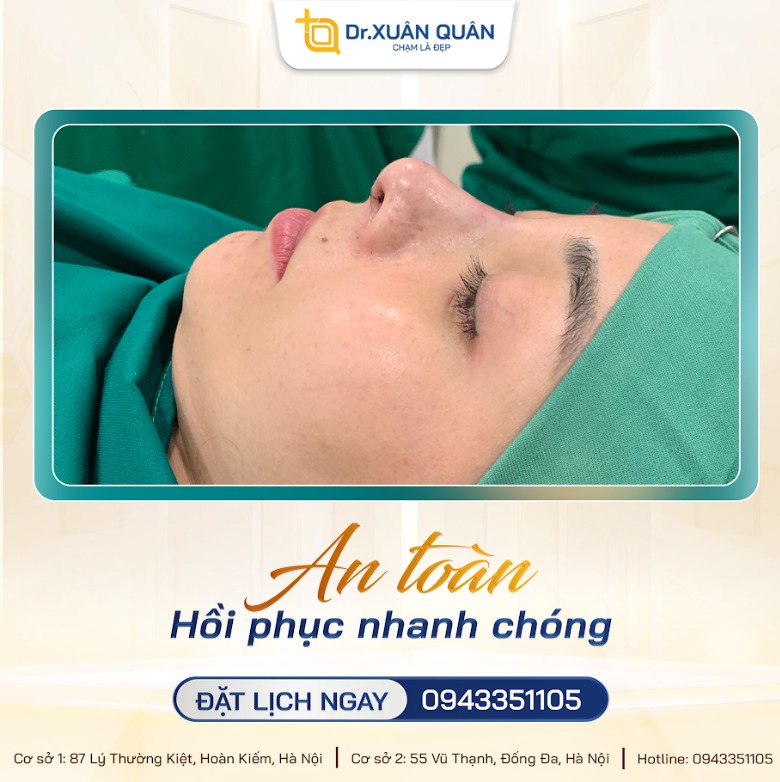
Post-operative Care Guide for Nasal Cartilage Removal
Proper post-operative care not only helps the nose recover quickly but also minimizes the risk of complications after cartilage removal. Below are important care principles, presented in detail for each stage for easy monitoring and application.
Wound Care and Nasal Hygiene
In the first few days after surgery, the nasal area is still sensitive and susceptible to bacterial infection, so proper hygiene is a top priority.
- Keep the nasal area dry and clean, avoiding direct contact with water or cosmetics.
- Gently clean the area as instructed by your doctor, using specialized antiseptic solutions.
- Do not remove bandages or nasal splints without medical guidance.
Healthy Lifestyle
A healthy lifestyle will help reduce swelling, minimize pressure on the nose, and support a smoother recovery process.
- Get enough rest and elevate your head while sleeping to reduce swelling.
- Avoid strenuous activity, bending low, or impacting the nose for at least 2-3 weeks.
- Avoid saunas, swimming, and heavy gym workouts until the nose is completely stable.
Nutrition for Recovery
A healthy diet plays a crucial role in tissue regeneration and wound healing after nasal cartilage removal.
- Prioritize soft foods rich in vitamins and protein.
- Limit foods that can easily cause inflammation and scarring, such as seafood, beef, sticky rice, alcohol, and stimulants.
- Drink plenty of water to promote the body’s natural recovery process.
Adhere to Medical Instructions and Monitor for Abnormalities
Strictly following your doctor’s instructions helps manage the post-operative condition and prevent unwanted risks.
- Use antibiotics, painkillers, and anti-inflammatory drugs at the prescribed dosage.
- Attend follow-up appointments as scheduled so your doctor can monitor your recovery progress.
If you experience symptoms such as persistent swelling and pain, discharge, fever, or suspect an infection, contact your doctor or the cosmetic clinic immediately for examination.
Frequently Asked Questions About Nasal Cartilage Removal
Below are the most common questions from clients before deciding to have nasal cartilage removed, compiled from consultations and professional procedures at reputable cosmetic clinics.
Is nasal cartilage removal painful?
In reality, the process of nasal cartilage removal is almost painless. Clients will receive local anesthesia or light sedation before the procedure. Any discomfort (if present) usually only appears after the procedure and gradually subsides after 1-2 days.
Will nasal cartilage removal leave scars?
If performed correctly according to standard medical procedures, the incision is usually reopened along the old incision or in a discreet location within the nasal cavity. Therefore, no visible scarring is left, ensuring long-term aesthetics.
What will the nose look like after nasal cartilage removal?
After cartilage removal, the nose shape will return to its most natural state possible, depending on:
- The original nasal structure
- The condition of the soft tissue and skin of the nose
- The time elapsed since the previous rhinoplasty
In many cases, the doctor will guide the recovery or reconstruction of the nose (if the client wishes) to ensure a harmonious nose shape.
Will the nose return to normal after cartilage removal?
The answer is YES, if the cartilage is removed at the right time and with the correct technique.
After cartilage removal, the nose needs time for the soft tissue to recover and regenerate. The nose shape may not be stable immediately in the first few weeks, but it will gradually become softer and more natural. In cases where the nasal tissue is still good, the nose may return to almost its original state before the rhinoplasty.
Can a rhinoplasty be performed again after cartilage removal?
Yes. After cartilage removal, patients can:
- Have a second rhinoplasty using a more suitable method.
- Wait for the nasal tissue to fully recover before further intervention.
Typically, doctors recommend waiting 1-3 months for the nasal tissue to stabilize before a second rhinoplasty to ensure safety and the best aesthetic results.