Tiếng Việt
After rhinoplasty, one of the biggest concerns for many people is cartilage collapse. This is not only an aesthetic issue but can also affect the structure and health of the nose if not treated promptly. So, what is cartilage collapse, what are the signs of cartilage collapse, and how to fix it? This article from Dr Xuan Quan Clinic will help you understand and provide appropriate solutions.
The Most Easily Recognizable Signs of Cartilage Collapse
Early recognition of cartilage collapse is crucial, because in the early stages, this condition can still be treated simply. Below are some common signs of cartilage collapse:
- Abnormally pointed, red, or swollen nasal tip
- Deformed nasal bridge, no longer straight as it was originally
- Visible nasal bridge when viewed from the side or under bright light
- Mild pain or discomfort in the nasal area
- Thinning of nasal skin, risk of perforation (severe cases)
Important note:
- Signs may appear early (weeks) or late (months to years) after rhinoplasty
- If you notice any signs that persist or worsen, you should seek medical attention as soon as possible.
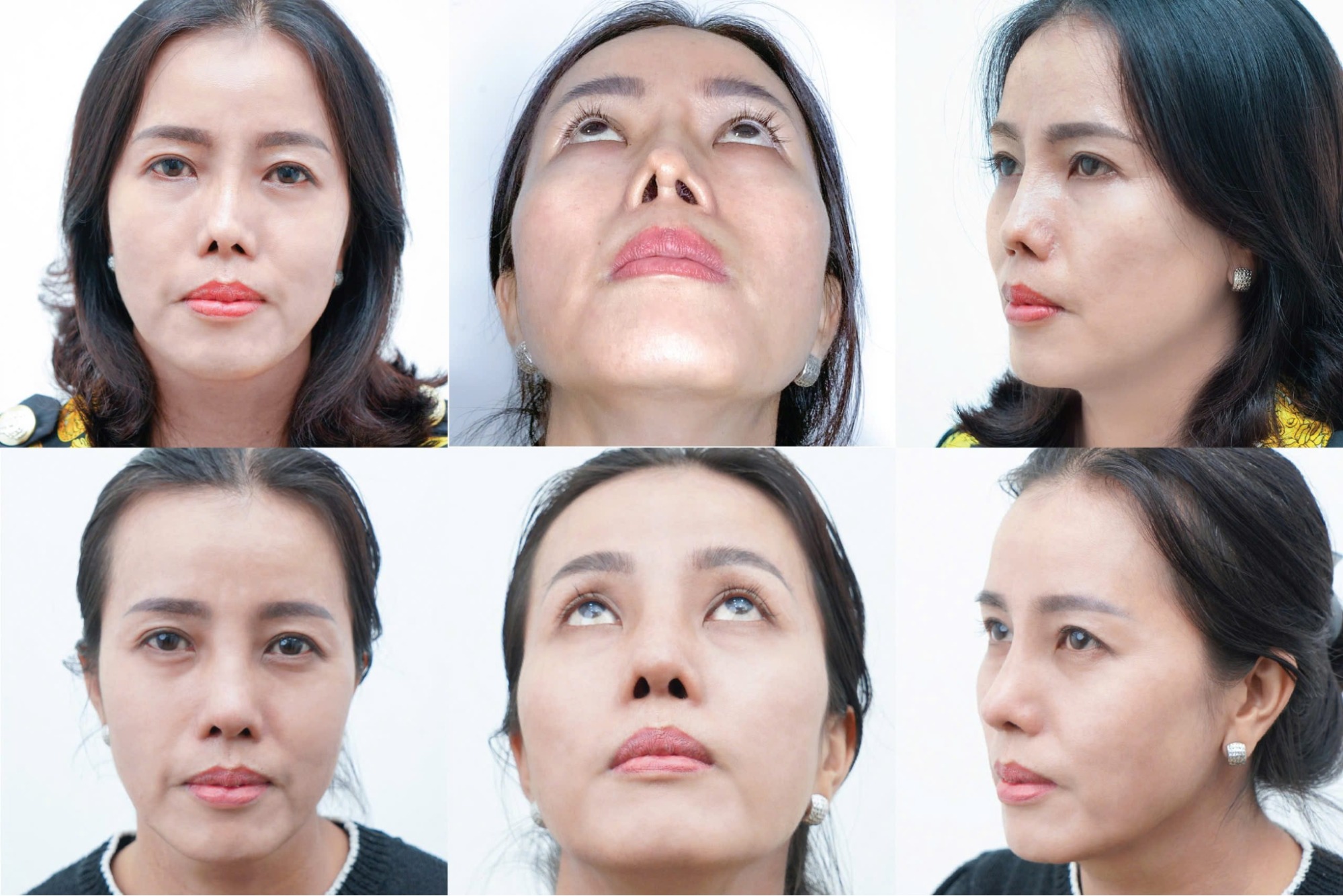
Is a collapsed nasal cartilage dangerous?
A collapsed nasal cartilage not only affects aesthetics but also poses many risks if not treated promptly. Here are some issues you need to be aware of:
- Impact on facial aesthetics: A collapsed nasal cartilage causes the nose to become crooked, deformed, or unbalanced, making the overall face less harmonious and unnatural.
- Risk of exposed cartilage and skin perforation: When the cartilage collapses, pressure is concentrated on the tip of the nose, causing the skin to stretch and thin over time, which can lead to the nasal bridge becoming exposed or, more seriously, skin perforation.
- Increased risk of infection: The nasal area damaged by a collapsed cartilage is more susceptible to bacterial invasion, causing inflammation, swelling, pain, and affecting health if not treated properly.
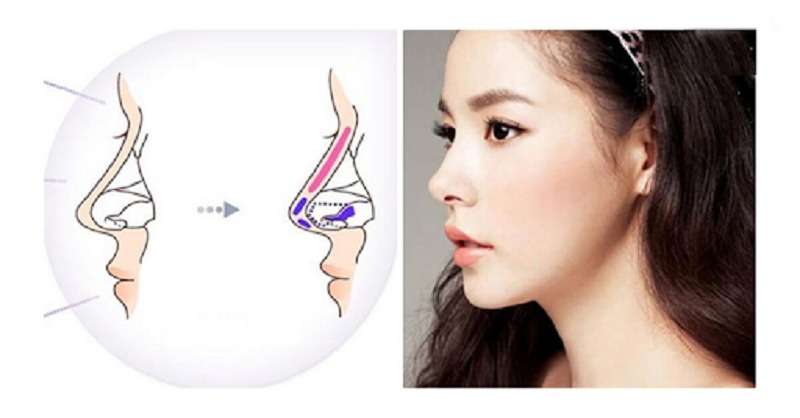
Common Causes of Nasal Cartilage Collapse
Understanding the causes of nasal cartilage collapse will help you proactively prevent it and choose a safer rhinoplasty method.
- Inadequate surgeon’s skill: When the technique is inaccurate, the cartilage may be placed in the wrong position or not securely fixed, leading to shifting over time and causing cartilage collapse.
- Inappropriate cartilage material: Using cartilage that is too hard, incompatible, or unsuitable for the body will create pressure on the nasal skin, easily causing cartilage collapse or visible implant in the long run.
- Raising the nose too high compared to the nasal base: When the nose shape is raised beyond the capacity of the skin and soft tissue, pressure will be concentrated on the tip of the nose, increasing the risk of cartilage collapse and complications.
- Improper post-operative care: Habits such as strong impacts, lying face down, wearing glasses too soon, or not following the doctor’s instructions can cause the cartilage to shift and lead to collapse.
- Nasal skin condition and constitution: Individuals with thin, weak nasal skin or poor adaptability are at a higher risk of cartilage collapse after rhinoplasty.
Effective ways to correct cartilage collapse
Depending on the severity of cartilage collapse, the doctor will provide a suitable treatment plan to ensure both aesthetics and safety.
Minor adjustment (applied to early cases)
This method is applied when the cartilage is only slightly displaced and has not caused significant deformation. The doctor will perform a simple intervention to readjust the cartilage position, helping to stabilize the nose shape without complex surgery, with a faster recovery time and minimal invasiveness.
Cartilage removal and re-lifting (applied to severe cases)
When cartilage collapse is evident, causing nasal deviation or risking cartilage exposure, the doctor will remove the old cartilage and perform a complete reconstruction of the nose shape. This method completely resolves the problem, while creating a new, more harmonious and safer nose shape.
Safe Rhinoplasty Solutions at Dr Xuan Quan Clinic
To minimize the risk of cartilage collapse, choosing a reputable aesthetic clinic is crucial. At Dr Xuan Quan Clinic, the rhinoplasty procedure is performed systematically and personalized for each client.
- Thorough examination and analysis of nasal structure: Before the procedure, clients undergo a detailed examination of the nasal base, skin thickness, and cartilage structure to determine the most suitable solution and minimize risks such as cartilage collapse or visible implant.
- Personalized nose shape design: The nose shape is not based on a single template but is adjusted to the facial proportions, ensuring a suitable, natural, and safe long-term height.
- Use of high-quality cartilage material: The material has high biocompatibility, reducing pressure on the nasal skin, thereby minimizing the risk of cartilage collapse after surgery. Proper post-operative care and close monitoring: Specific care instructions, timely suture removal, and regular follow-up appointments help the nose shape stabilize quickly and achieve optimal aesthetic results.
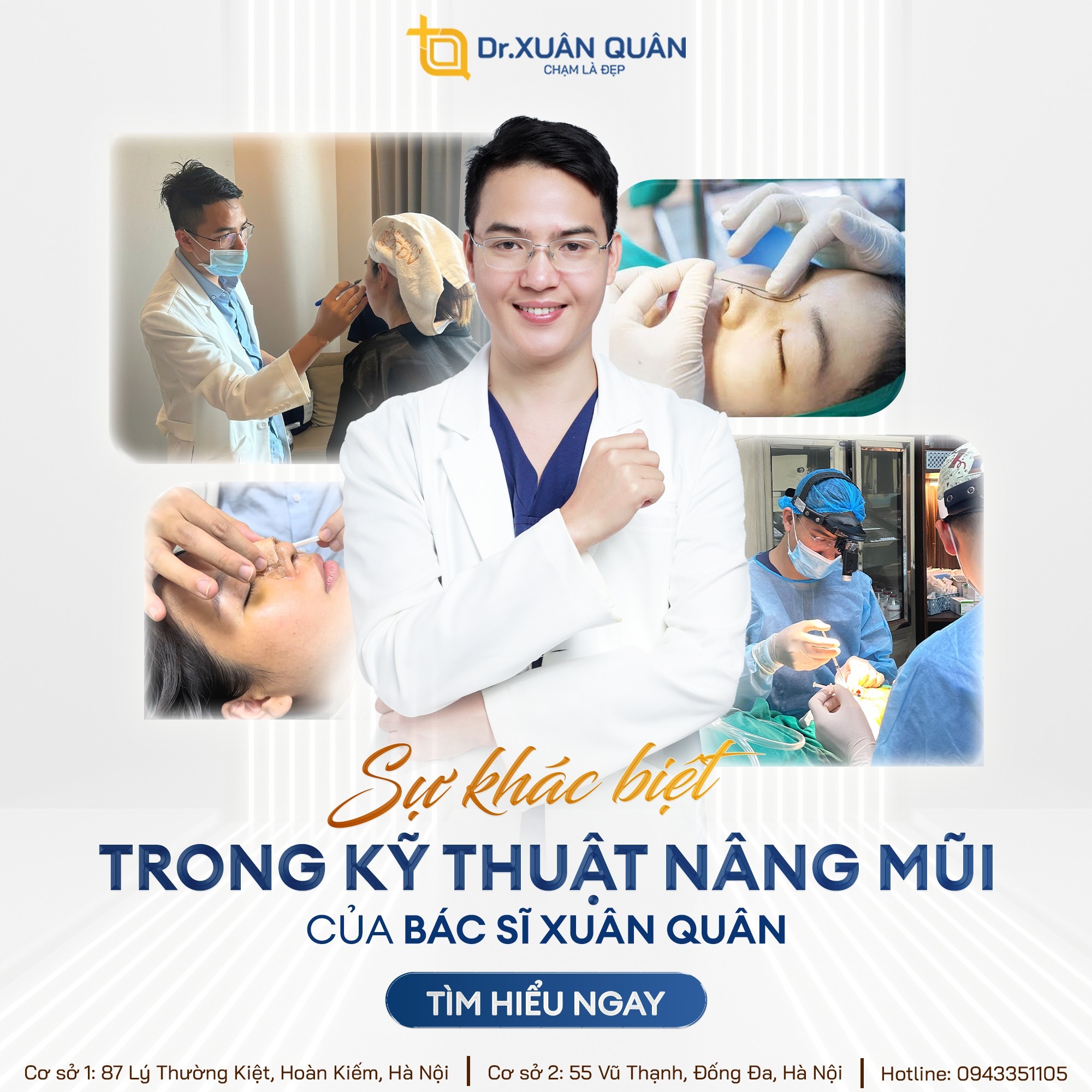
At Dr Xuan Quan Clinic, rhinoplasty is not just about changing the external appearance, but also a personalized aesthetic solution designed for each client, aiming for a natural, harmonious, and long-lasting beauty.
Price list for rhinoplasty at Dr Xuan Quan Clinic
| Service Group | Specific Service | Price (VNĐ) |
| Nose Augmentation | S-Line Nose Augmentation | 25.000.000 VND |
| S-Line Structural Nose Augmentation | 45.000.000 VND | |
| Pureform Nose Augmentation | 50.000.000 VND | |
| Nasal cartilage removal | Structural nasal cartilage removal | 10.000.000 VND |
| Conventional nasal cartilage removal | 5.000.000 VND |
Key advantages: Material lasts for 5 years – lifelong effectiveness, suture removal in 7-10 days, quick recovery, minimizes complications such as cartilage displacement, visible implant, and ensures a natural-looking nose.

Frequently Asked Questions About Nasal Cartilage Collapse
Besides understanding what nasal cartilage collapse is, many people also have questions related to the signs, severity, and treatment. Below are detailed answers:
How long does nasal cartilage collapse occur?
This condition can appear a few weeks to a few months after rhinoplasty, and in some cases, it can occur after 1-2 years if the cartilage is unstable or improperly cared for.
Can nasal cartilage collapse heal on its own?
No. Once the cartilage has shifted or fallen out of its original position, this condition cannot heal on its own and requires intervention from a doctor to adjust or reconstruct it.
Does nasal cartilage collapse need to be removed?
Depending on the severity:
- Mild cases may require cartilage readjustment.
- Severe cases may require cartilage removal and a new rhinoplasty to ensure safety.
How can I be sure my nose has cartilage collapse?
You can recognize signs of a collapsed nasal cartilage such as: a crooked nose, a red and shiny nasal tip, exposed nasal bridge, or persistent pain.
Can a collapsed nasal cartilage recur after rhinoplasty?
If the procedure is performed correctly, using appropriate materials and proper aftercare, the chances of recurrence are very low. However, choosing a reputable clinic is still necessary to ensure long-term results.
A collapsed nasal cartilage is not an uncommon complication after rhinoplasty and can seriously affect both aesthetics and health if not treated promptly. If you are experiencing signs of a collapsed nasal cartilage or are considering a safe rhinoplasty, proactively seek early consultation at Dr Xuan Quan Clinic for appropriate solutions and to minimize risks.