
 Tiếng Việt

Is there a risk of the nose breaking after surgery for a deviated septum? Not at all—there is no risk of the nose breaking or its shape collapsing. This procedure only addresses the deviated cartilage located deep within the nasal cavity to improve airflow; it does not involve the external bony structure that provides the nose with its structural support. In the following article, Dr Xuan Quan Clinic provides expert, accurate insights on the matter.
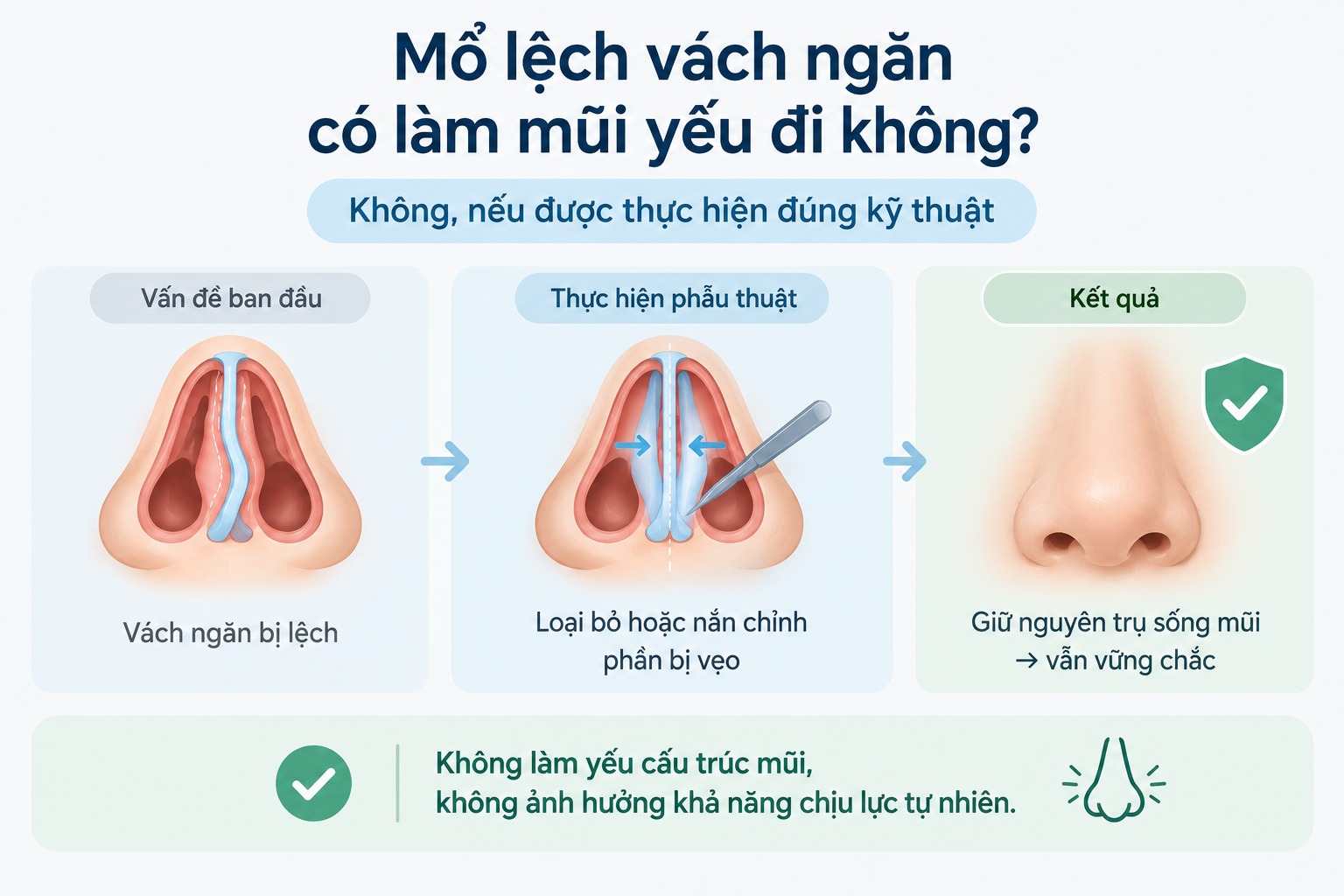
Does surgery for a deviated septum weaken the nose?
No, provided that the procedure is performed with the correct technique. Surgery for a deviated septum involves only the removal or realignment of the crooked bone or cartilage, while the primary supporting structure of the nose remains intact.
Consequently, the nasal framework retains its overall structural integrity; the procedure does not weaken the nasal structure nor does it affect the natural load-bearing capacity of the facial framework.
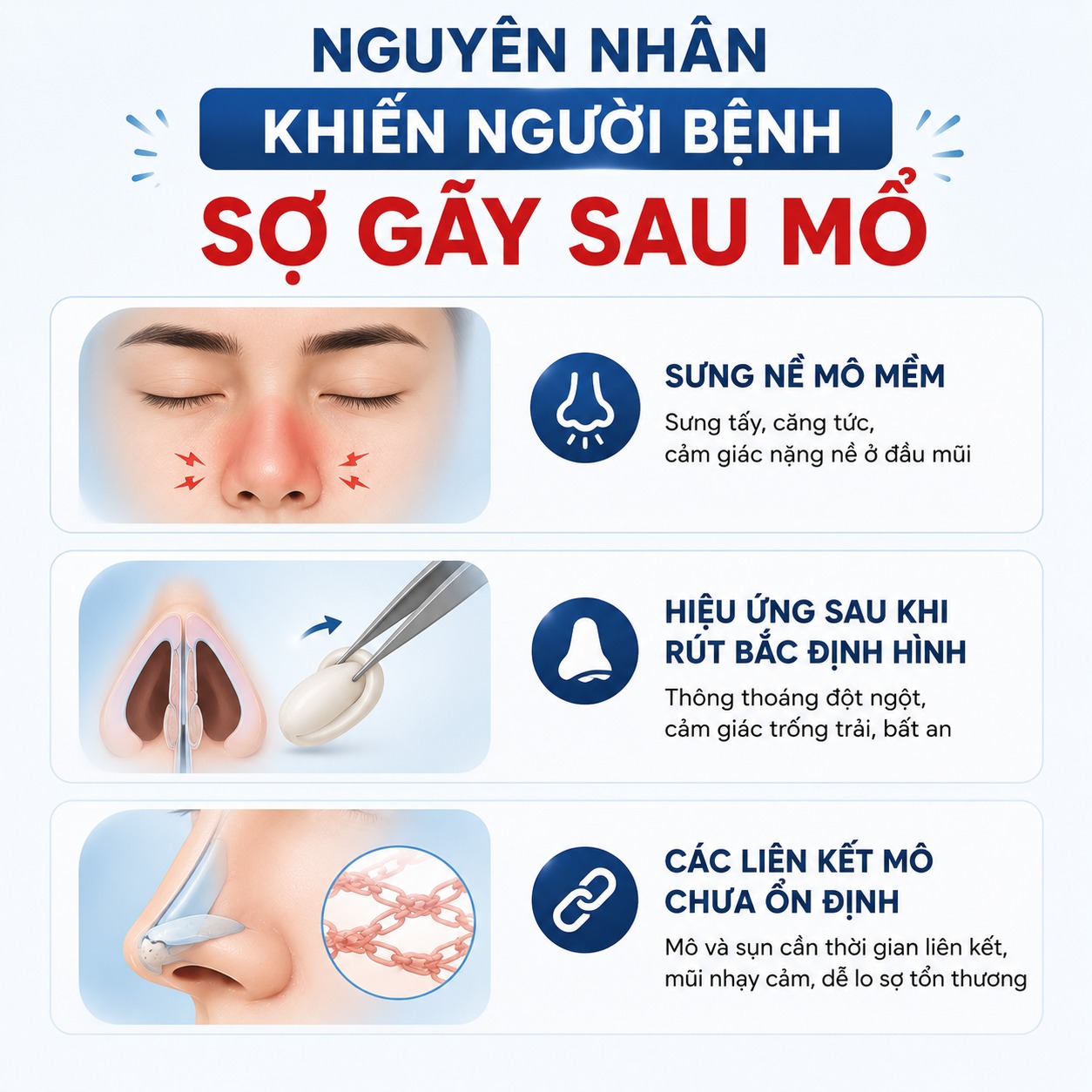
Reasons why patients may fear a fracture following surgery
Following septoplasty, many patients often worry that their nose has become weak or fragile due to the following normal physiological phenomena:
- Soft tissue swelling: Incisions within the nasal cavity can cause swelling, tightness, and a heavy sensation in the nasal tip. This dull, aching feeling can easily lead patients to mistakenly believe that the nasal bone structure has become loose or unstable.
- Effects following the removal of nasal packing: In the first few days, surgeons typically place packing or silicone splints to stabilize the septum. Once these materials are removed, the sudden restoration of airflow and the resulting empty sensation inside the nasal cavity can create a sense of unease and a fear of accidental impact.
- Unstabilized tissue connections: During the first 1–2 weeks, the muscle tissues and septal cartilage—which have just been repositioned—require time to bond firmly together. Throughout this period, the nose is more sensitive than usual, often causing patients to fear that facial movements might damage it.
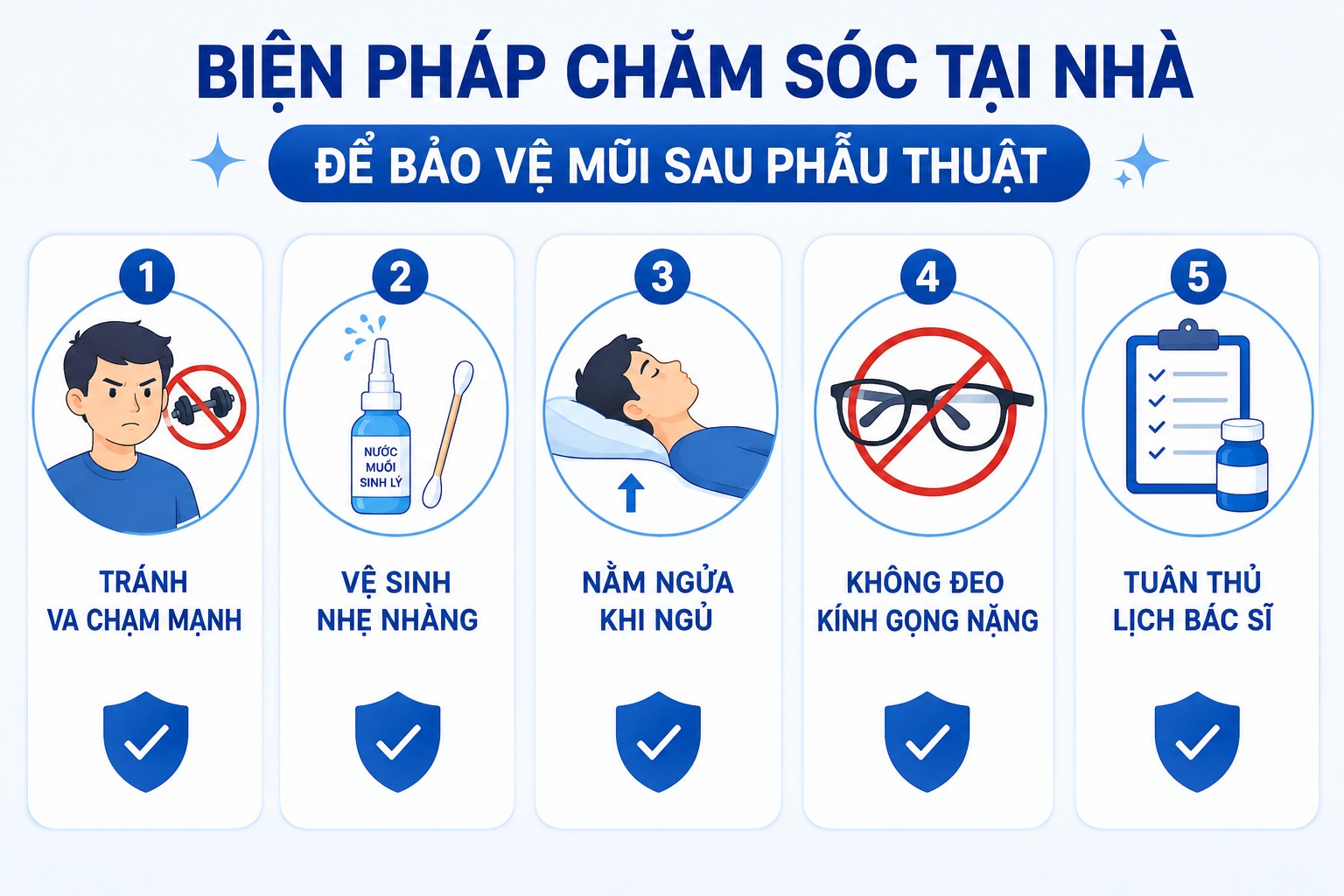
At-home care measures to protect the nose after surgery
The postoperative period is crucial for the stability of the nasal septum. To ensure the integrity of your nasal structure, please observe the following:
- Avoid physical impact: Refrain from sports, gym workouts, heavy lifting, or any activity that could exert force on your nose for at least one month.
- Clean with care: Use only a saline spray for rinsing and gently dab the area with a cotton swab. Do not blow your nose forcefully, pick your nose, or remove scabs.
- Sleep on your back: Keep your head elevated and sleep on your back during the first week to minimize swelling. Avoid sleeping on your side, as pressing your face against a pillow could cause the nasal structure to shift.
- Avoid heavy-framed glasses: For the first 2–3 weeks, refrain from wearing glasses that rest on the bridge of your nose; consider using contact lenses instead.
- Follow your doctor’s instructions: Take all prescribed medication as directed—do not stop without consulting your physician—and attend all follow-up appointments to ensure the nasal septum is healing and stabilizing correctly.
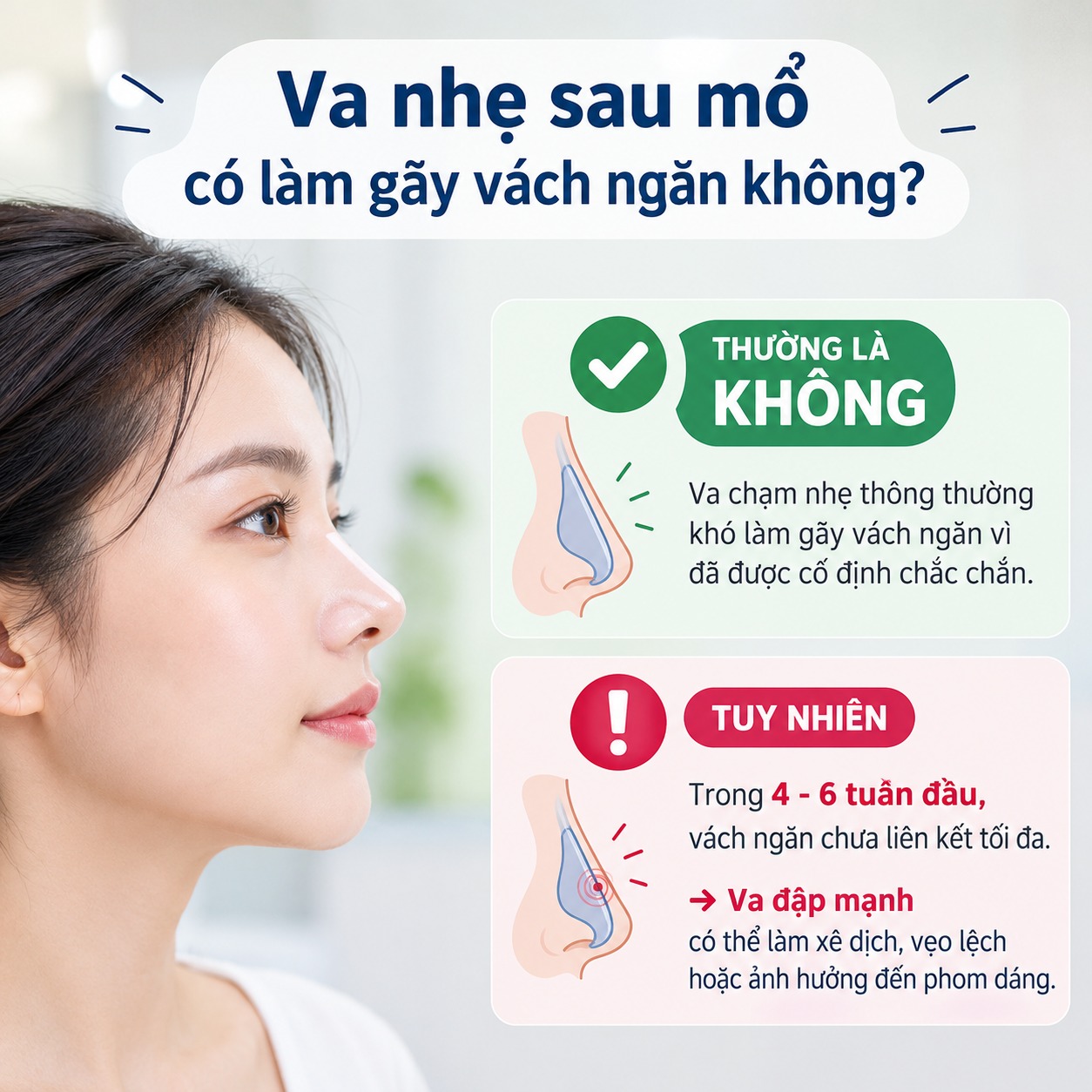
Can a minor bump after surgery cause the nasal septum to break?
Generally, no. Minor, incidental contact—such as a light brush against the nose or an accidental bump—is unlikely to break the nasal septum, as the cartilage and bone structures are firmly secured following the corrective procedure.
However, during the first 4 to 6 weeks, the septum is still in the process of healing and has not yet reached full structural stability. A strong impact or direct force could still potentially cause the septum to shift or become misaligned, or otherwise compromise the shape that is currently taking form.
Safe Septoplasty Techniques at Dr. Xuan Quan Aesthetic Clinic
Many people are hesitant to undergo a septal correction, fearing it might compromise the overall nasal structure or weaken the nose. At Dr. Xuan Quan Aesthetic Clinic, this procedure is approached with clinical precision, focusing on thoroughly addressing the root cause of the deviation while fully preserving the structural integrity of the nose.
- Correcting the root cause while preserving the nasal support: With over 10 years of experience, Dr. Xuan Quan personally conducts examinations and precisely addresses the deviated cartilage or bone. Using delicate microsurgical techniques, the underlying bony framework is securely stabilized, ensuring clear airways without altering the external shape of the nose.
- Smooth recovery and optimized healing time: The procedure is designed to minimize soft tissue trauma, resulting in less swelling and bruising, minimal pain, and a significantly shorter post-operative recovery period.
- Transparent pricing: The cost for septal correction typically ranges from 15,000,000 to 35,000,000 VND, depending on the severity of the congenital deviation or complications resulting from previous, unsuccessful surgeries.
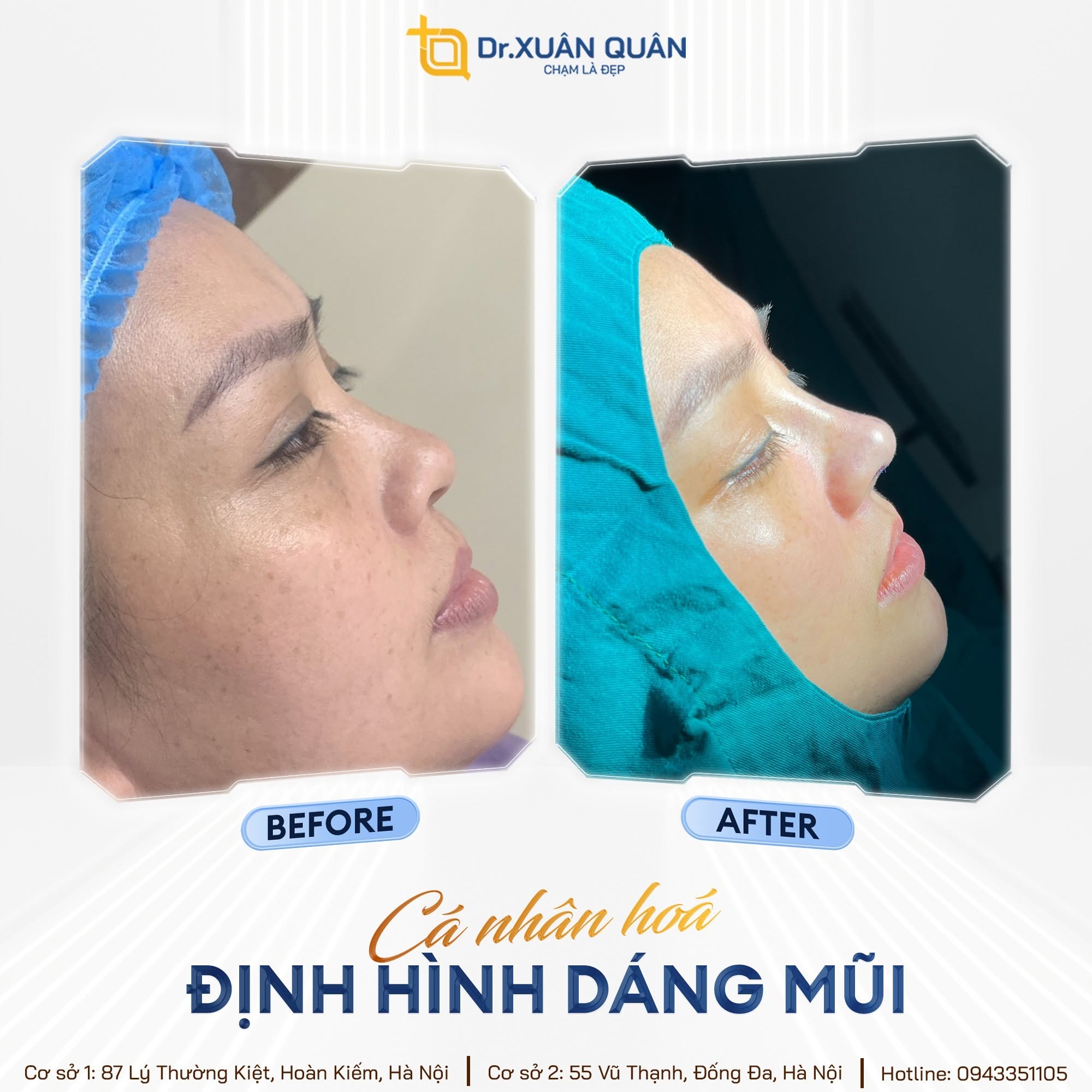
Frequently Asked Questions About Nasal Septum Deviation Surgery
To help alleviate any questions or concerns you may have before undergoing surgery, we have compiled and provided concise answers to the most frequently asked questions below:
Will this surgery change the external appearance of my nose?
No. Septoplasty is performed entirely within the nasal cavity to improve airflow; it does not raise, lower, or otherwise alter the existing shape of your nose.
How long does it take for the nose to recover and for breathing to become clear again?
Typically, the incision will heal and any internal splints or packing will be removed within 7–10 days. You will notice a significant improvement in your breathing within 2–4 weeks, depending on your individual recovery process.
Can a deviated septum recur after surgery?
Once a specialist has removed or straightened the deviated cartilage and bone, the structure becomes permanently stable, meaning it will not shift, grow back into a deviated position, or become crooked again.
The information above provides professional insight into concerns regarding the stability of the nose following septoplasty, along with essential tips to ensure the nasal structure remains well-protected. If you are experiencing symptoms such as nasal congestion or headaches due to a deviated septum—and are wondering where to undergo a safe, high-quality corrective procedure—please contact Dr. Xuan Quan Aesthetic Clinic today for a consultation!