
 Tiếng Việt

Can you steam your face after a rhinoplasty? The answer is a definitive NO. Following rhinoplasty surgery, you must strictly avoid facial steaming; the high temperature causes blood vessels to dilate, which can increase swelling and bruising, trigger bleeding, or displace cartilage grafts that have not yet stabilized. In the article below, Dr Xuan Quan Clinic will help you determine exactly when it is safe to resume facial steaming.
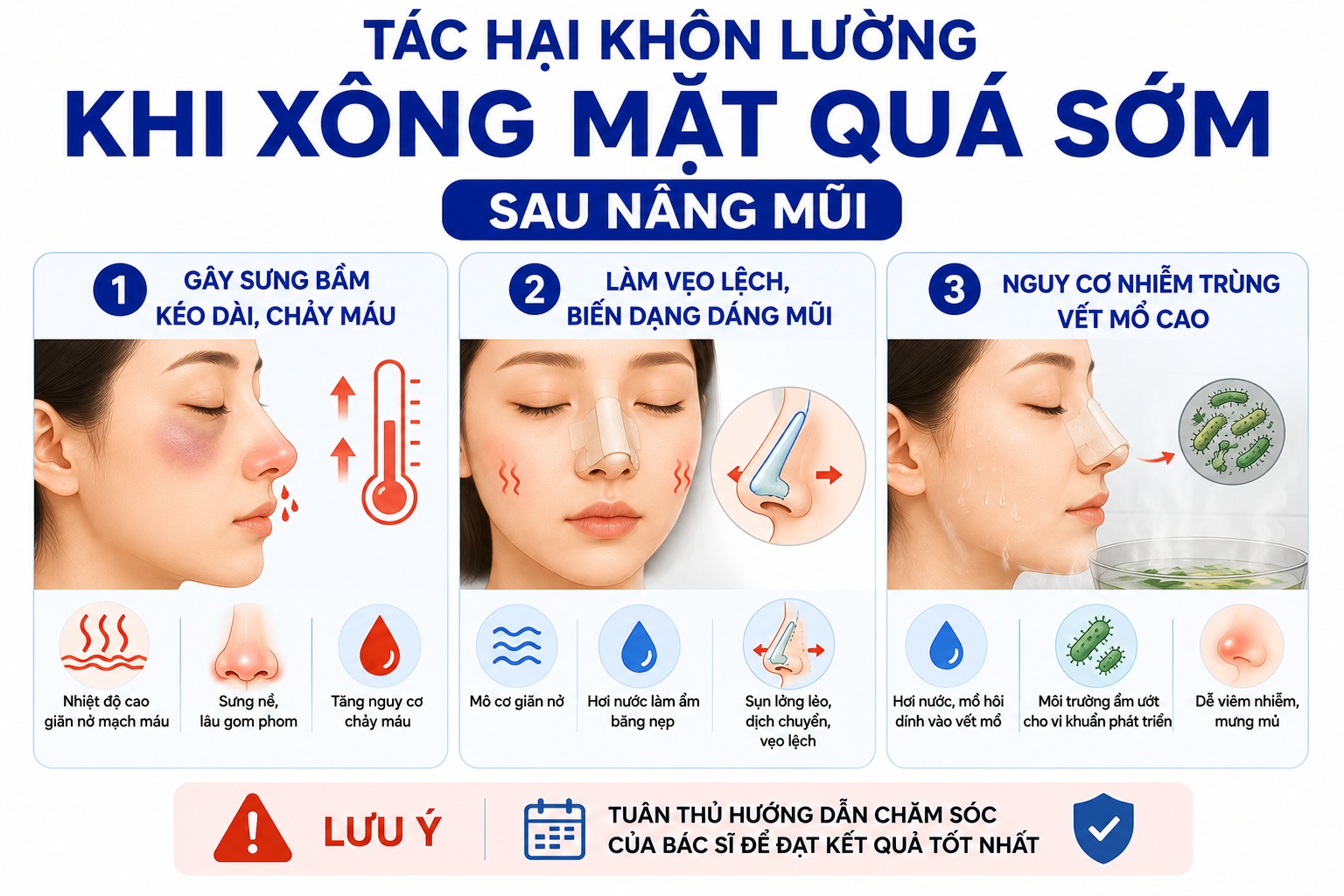
The severe, unforeseen consequences of steaming your face too soon after a rhinoplasty
Exposure to heat too soon after rhinoplasty can severely impact the recovery process and the final shape of the nose:
- Prolonged swelling, bruising, and bleeding: High temperatures cause blood vessels to dilate and increase blood circulation to the facial area. This leads to more pronounced swelling, delays the settling of the nose into its final shape, and increases the risk of bleeding from the nasal tip.
- Nasal distortion or misalignment: During facial steaming, the tissues surrounding the nose expand. Furthermore, moisture from the steam can dampen the stabilizing dressings or splints, potentially causing the implanted cartilage to loosen, shift, or become misaligned from its intended position.
- Increased risk of surgical site infection: Steam accumulating on the face—combined with sweat—can settle on the incision site (especially before sutures are removed). This creates a moist environment that is ideal for bacterial growth, which can easily lead to inflammation or the formation of pus.
How long after a rhinoplasty can you resume facial steaming?
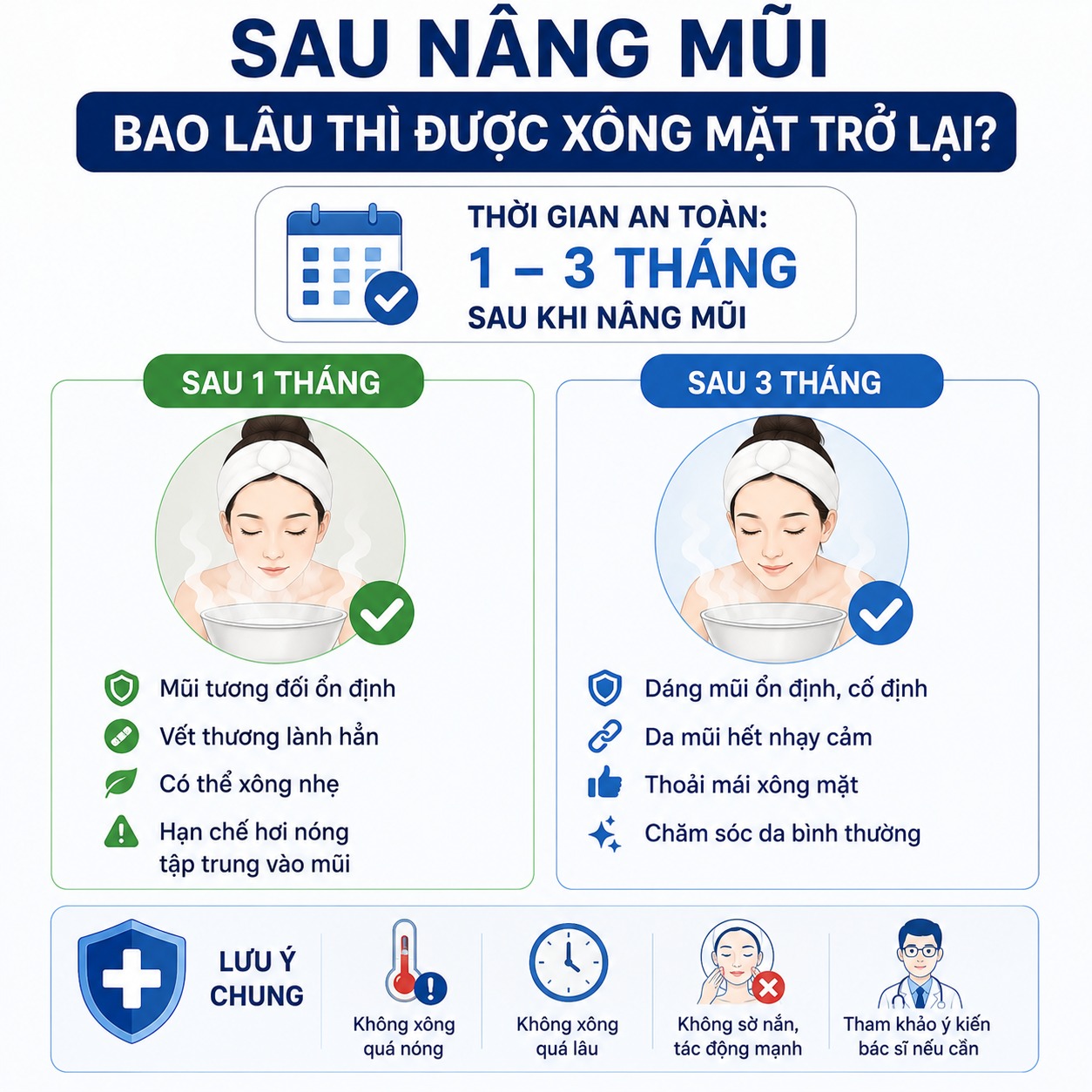
The safest time to resume facial steaming after a rhinoplasty is between 1 and 3 months post-surgery. The exact timeframe depends on your individual physiology and recovery rate:
- After 1 month: For those with a good healing capacity, the nasal structure is relatively stable by this point; wounds have fully healed, and the implant (cartilage) has begun to integrate with the surrounding tissues. You may steam your face gently, but be careful to avoid exposing the nasal area to concentrated heat for too long.
- After 3 months: This is the ideal and safest time for everyone, regardless of individual healing differences. By now, the shape of the nose has fully settled and become firmly fixed, and the skin is no longer sensitive. You can comfortably return to your regular facial steaming and skincare routine.
A guide to safely caring for and cleansing your face after a rhinoplasty
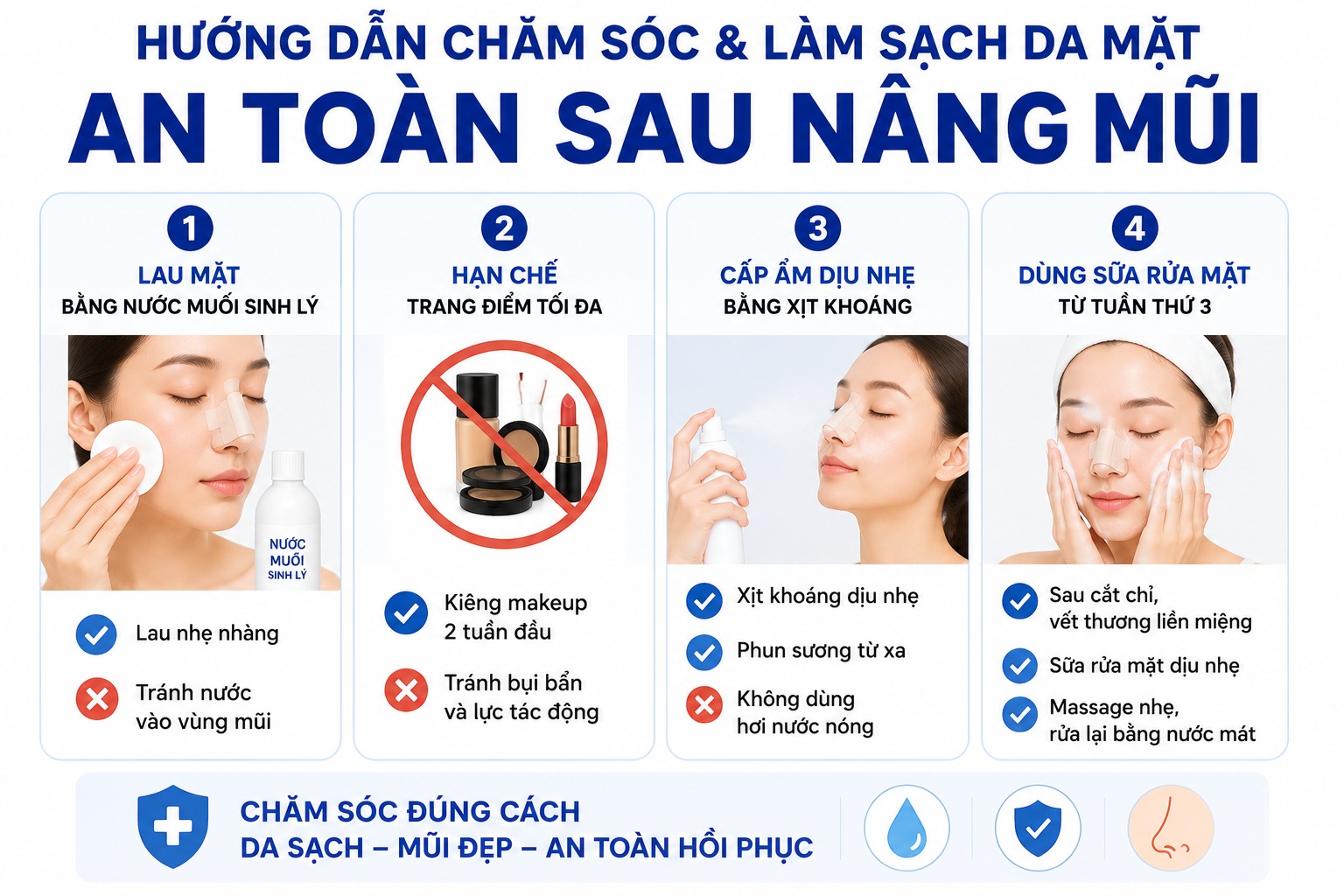
While you must avoid facial steaming, you can still keep your skin clean and clear by following these gentle post-rhinoplasty care alternatives:
- Cleanse with saline solution: Use a cotton pad or a soft cloth dampened with saline solution to gently wipe your forehead, cheeks, and chin. Be careful to avoid any rubbing, and ensure that no water touches the nose area or any open wounds.
- Minimize makeup: For the first two weeks, refrain from wearing makeup to prevent the buildup of impurities and to avoid applying pressure to the face during the makeup removal process.
- Use a gentle facial mist for hydration: Instead of using hot steam to hydrate the skin, use a mild facial mist—sprayed from a distance—to soothe the skin without affecting the shape of your nose.
- Use a gentle facial cleanser starting from the third week: Once your stitches have been removed and the wounds have healed, you may begin using a mild facial cleanser. Massage the area around your nose very gently, then rinse with cool water.
Besides facial steaming, what else should be avoided after a nose job?
To ensure your nose heals into a well-defined, symmetrical shape, it is essential to strictly follow these post-operative care guidelines:
- Avoid physical pressure: Do not touch, rub, scratch, or pick at your nose, and avoid wearing heavy-framed glasses for the first month. Always sleep on your back.
- Avoid foods that may cause scarring or swelling: Refrain from consuming beef, water spinach, glutinous rice dishes, seafood, spicy or hot seasonings, and stimulants (such as alcohol, beer, or tobacco).
- Avoid polluted environments and contaminated water: Keep open wounds dry—do not let water come into contact with them—and minimize exposure to dust, dirt, and harsh sunlight.

When should you see a doctor immediately? Reliable clinics for rhinoplasty and post-operative care
If you notice any concerning signs following a rhinoplasty—such as prolonged redness and swelling, fluid accumulation, persistent pain, or a shift in the shape of your nose (especially after accidental exposure to high heat)—you should consult a specialist immediately for prompt intervention.
At Dr. Xuan Quan Aesthetic Clinic, you can feel completely at ease throughout your entire aesthetic journey:
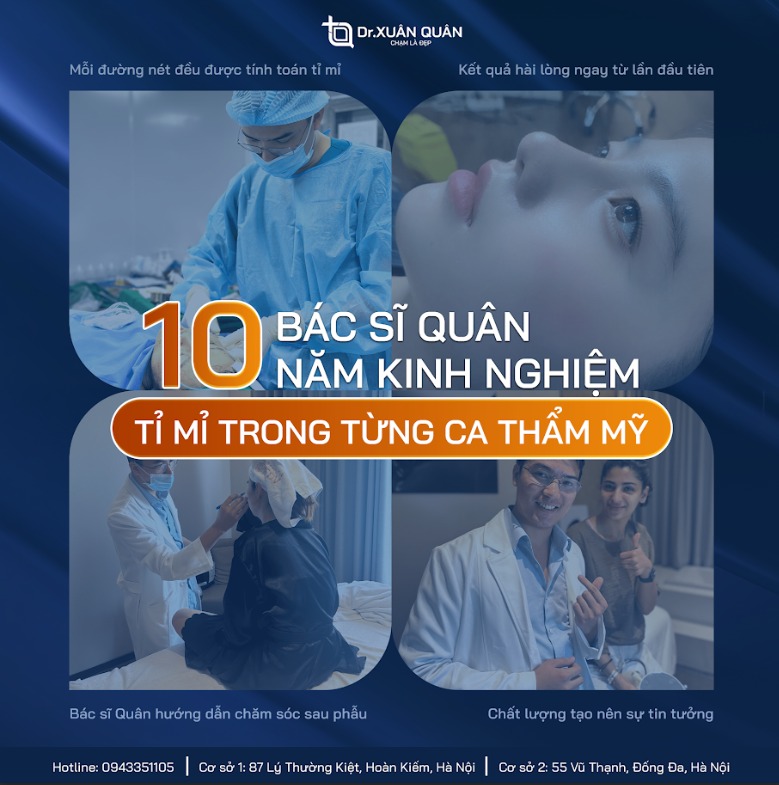
- Dr. Xuan Quan (with over 10 years of experience) personally conducts consultations and surgeries, and closely monitors every stage of your recovery.
- A medically-standardized post-operative protocol: You will receive detailed guidance on necessary precautions, alongside the use of advanced anti-swelling technology to ensure your nose heals into its final, refined shape quickly and safely.
- Transparency and dedication: We provide comprehensive consultations and a reliable warranty, helping you achieve an elegant, perfectly proportioned nose without the risk of complications.
Frequently asked questions about facial steaming after a nose job (rhinoplasty)
Below are brief answers from Dr. Xuan Quan regarding common questions from patients about facial steaming after rhinoplasty:
Is it a problem if I accidentally steam my face too soon after rhinoplasty?
If it was only for a few seconds, there is no need to worry; simply apply a cold compress to soothe the skin. However, if you steamed for an extended period and notice significant swelling, pain, or discharge, you should see your doctor immediately to have the position of the cartilage checked.
Can I start facial steaming immediately after the stitches are removed?
No, you cannot. The removal of stitches only indicates that the external wound has healed; the internal cartilage has not yet firmly settled or adhered. You must continue to avoid facial steaming for at least one month.
Is it safe to use a dry sauna after rhinoplasty?
Absolutely not. Dry saunas reach extremely high temperatures, which significantly increase the risk of swelling, misalignment of the nose, and can negatively impact the healing process.
The information above provides detailed answers regarding facial steaming after rhinoplasty, as well as the necessary recovery period and safe skincare practices. To ensure a safe structural rhinoplasty with minimal risk of complications, please contact our hotline or book an appointment with Dr. Xuan Quan’s aesthetic clinic for a personal consultation and examination by Dr. Xuan Quan himself.