Tiếng Việt
V-line chin augmentation is a popular cosmetic procedure, but is it painful? In reality, you will not feel pain during the surgery itself, thanks to modern anesthesia technology. Once the anesthesia wears off, you may experience mild soreness in the chin area for the first few days – a level of discomfort that is entirely manageable. Join Dr Xuan Quan Clinic in reading the article below to better understand the recovery process and the best post-operative care for a speedy recovery.
Timeline of swelling and pain after chin augmentation
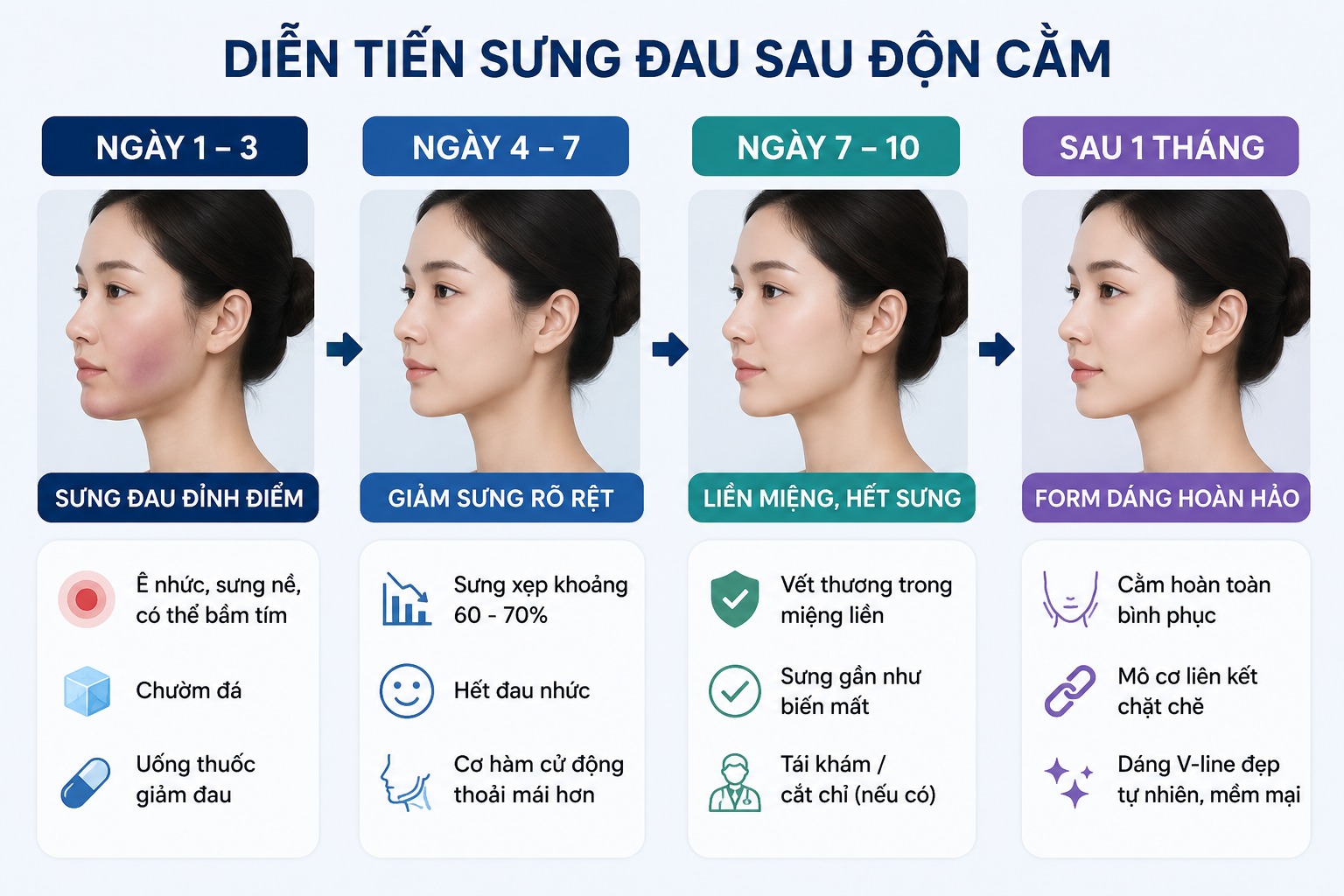
The recovery process and the reduction of swelling and pain following chin augmentation surgery generally follow these specific milestones:
- Days 1 – 3 (Peak swelling and pain): The chin area feels sore and swollen, and slight bruising may occur. This is a natural bodily response; you should take prescribed pain medication and apply ice packs regularly.
- Days 4 – 7 (Noticeable reduction in swelling): Pain and soreness subside, and swelling decreases by approximately 60–70%. The chin begins to stabilize, and jaw movements feel more comfortable.
- Days 7 – 10 (Wound healing and resolution of swelling): The internal incision heals, and post-operative swelling almost completely disappears. The doctor will conduct a follow-up examination and remove stitches (if non-dissolvable sutures were used).
- After 1 month (Perfect shape): The chin is fully recovered, and the tissues have bonded securely with the chin implant, resulting in a natural, soft, and beautiful V-line shape.
How long does it take for chin augmentation swelling to subside and for full recovery?
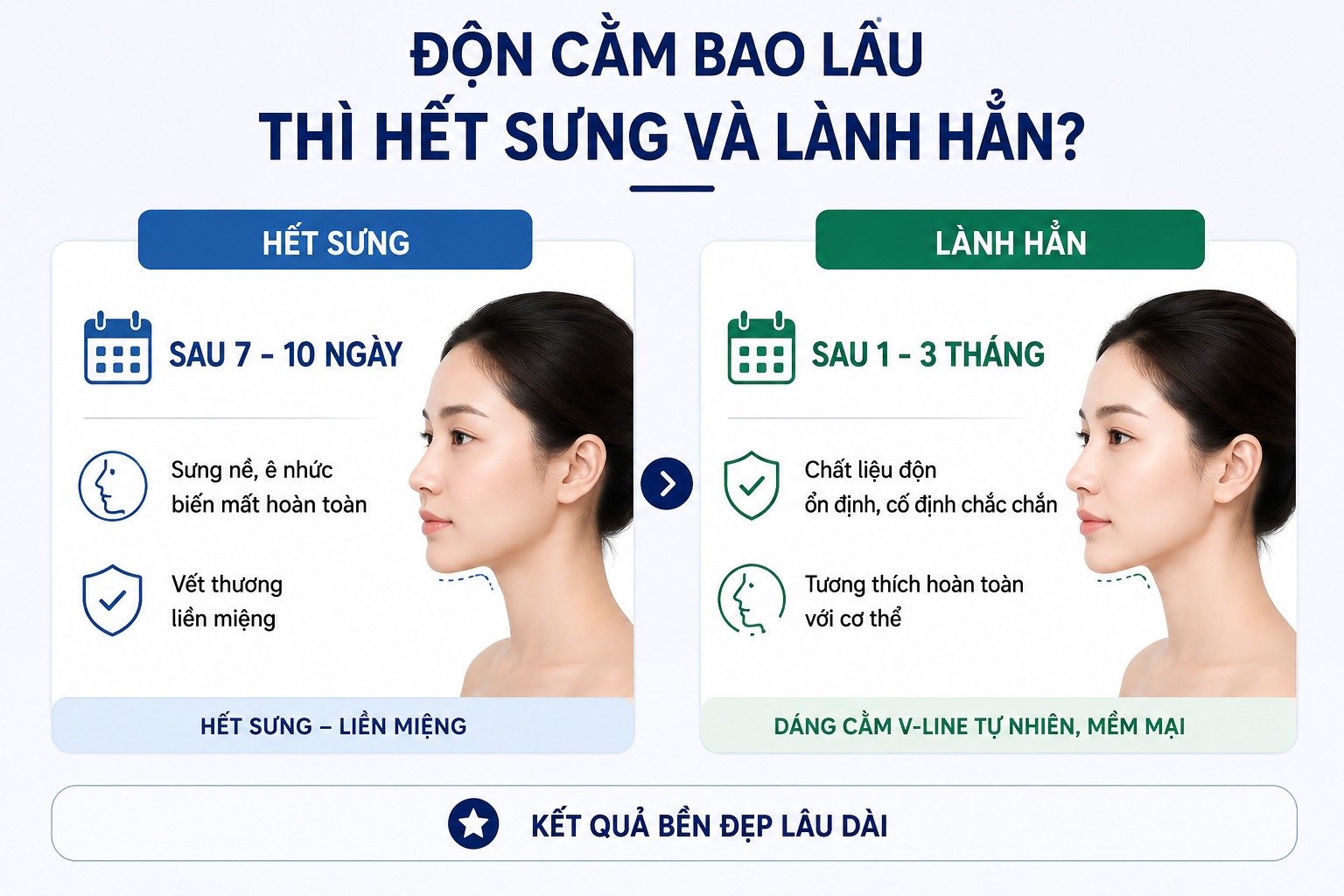
Recovery time following chin augmentation varies depending on the individual’s physiology and aftercare routine, generally following two key milestones:
- Swelling subsidence (7–10 days): Swelling and soreness will gradually decrease day by day and disappear completely after just over a week. By this stage, the incision site will have closed.
- Full recovery (1–3 months): This period allows the implant to settle, stabilize firmly, and fully integrate with the body, resulting in a naturally beautiful, soft V-line chin shape.
Post-operative care tips for faster chin healing and pain relief
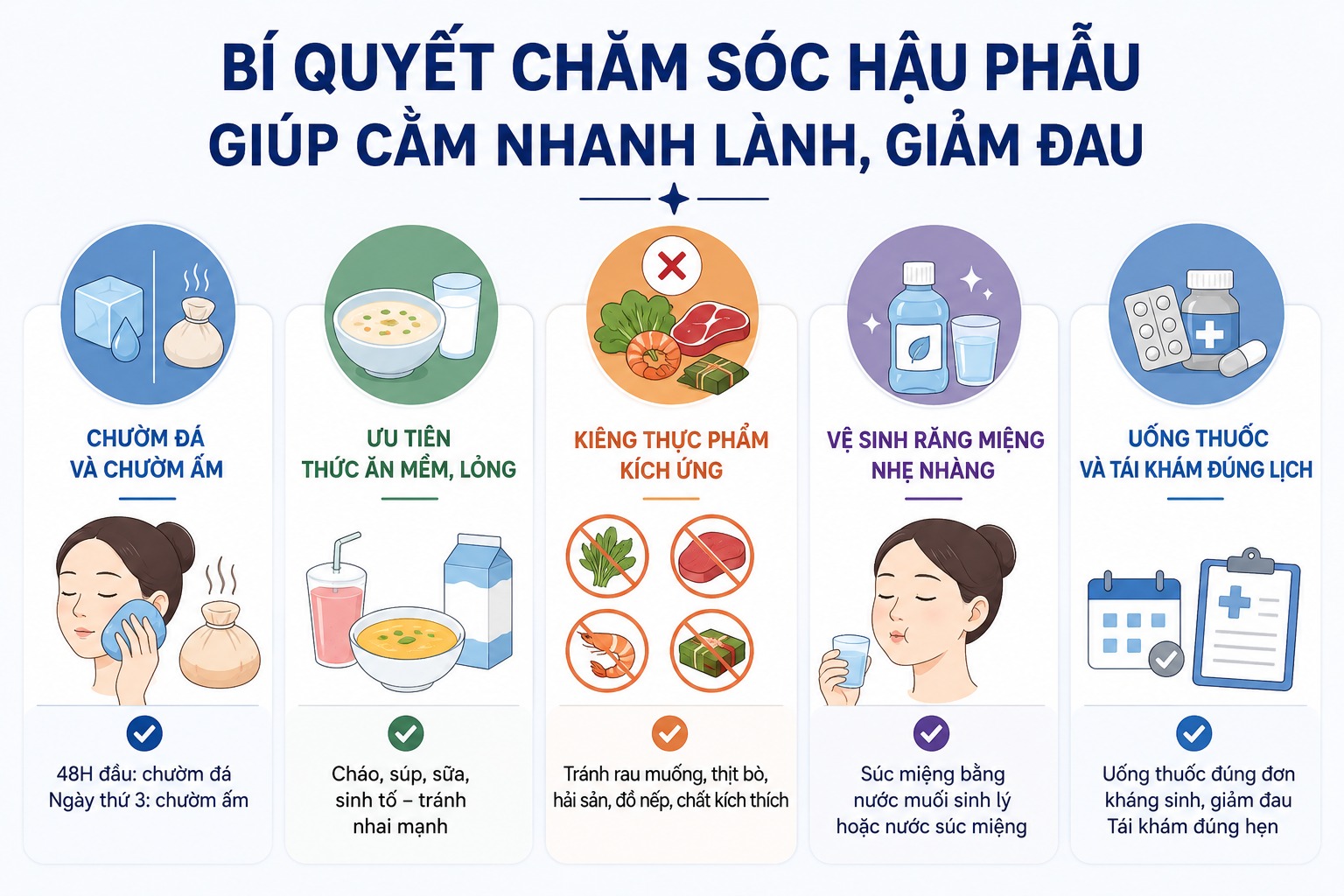
To shorten recovery time and minimize soreness after chin augmentation, please observe the following key care guidelines:
- Apply alternating cold and warm compresses: During the first 48 hours, actively apply ice packs around the chin area to reduce swelling; from day 3 onwards, switch to warm compresses to help dissipate bruising.
- Prioritize soft, liquid foods: Consume foods such as porridge, soup, milk, or smoothies during the initial days to avoid vigorous chewing, which could displace the chin implant or cause pain.
- Avoid irritating foods: Strictly abstain from water spinach, beef, seafood, glutinous rice products, and stimulants to prevent complications such as suppuration, itching, or scarring.
- Practice gentle oral hygiene: Rinse your mouth with physiological saline or a specialized mouthwash after meals, and avoid letting the toothbrush strike the surgical site inside the mouth forcefully.
- Adhere to medication and follow-up schedules: Take antibiotics and painkillers exactly as prescribed by your doctor; do not self-medicate or skip doses.
When should you contact a doctor regarding pain after chin augmentation?
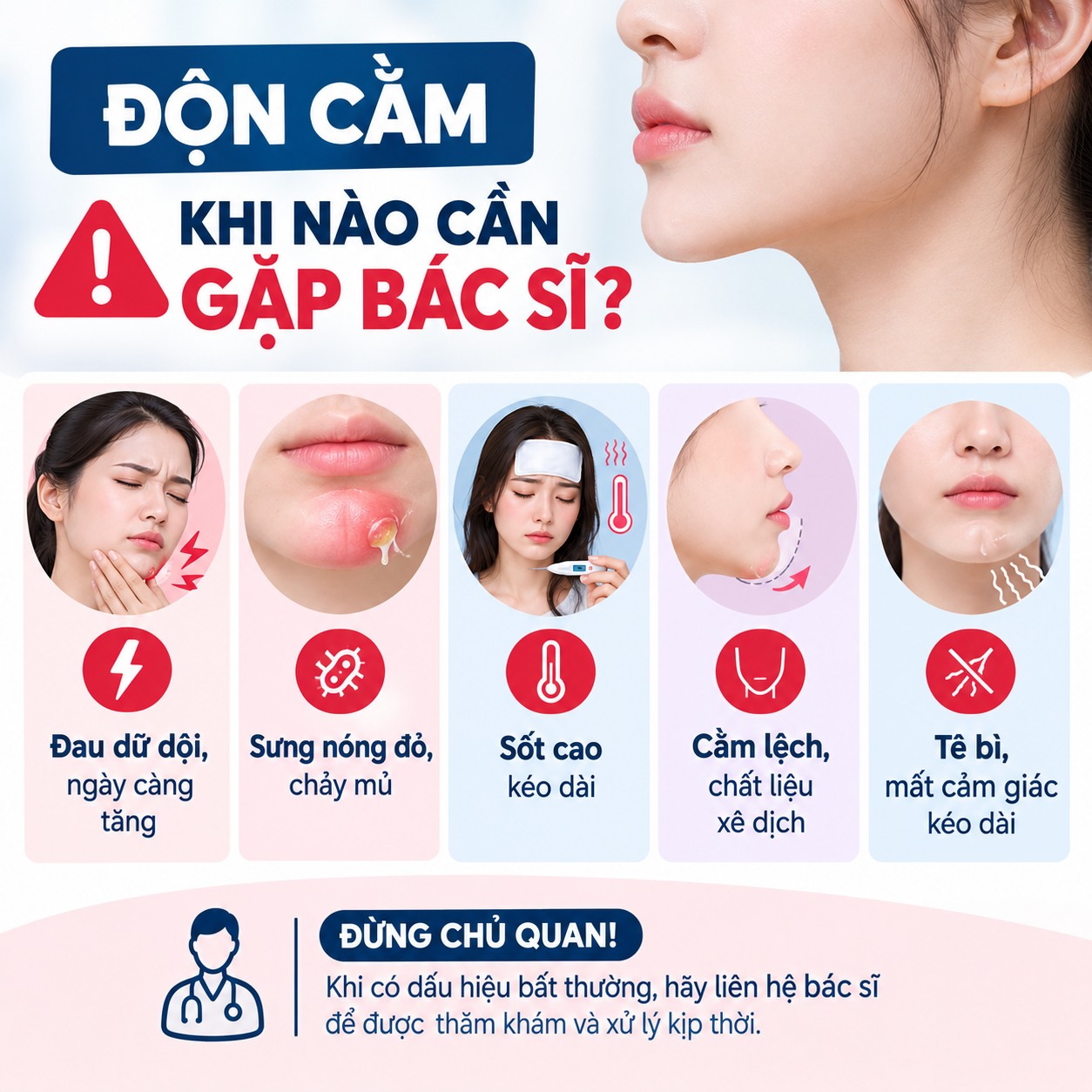
Mild pain and swelling during the first 3 – 5 days post-surgery are completely normal reactions. However, if you experience any of the following abnormal signs, you should see a doctor immediately for prompt treatment:
- Severe, persistent pain: Pain that does not subside but instead intensifies, even after taking prescribed painkillers.
- Wound discharge or odor: Significant swelling, redness, and heat in the chin area, accompanied by pus discharge or a foul odor (signs of infection).
- High, persistent fever: A sustained high fever accompanied by fatigue and chills.
- Chin misalignment or shifting: The chin appears noticeably lopsided or deformed, or the implant has clearly shifted out of place.
- Prolonged numbness or loss of sensation: Persistent numbness or loss of sensation in the lower lip and chin area that does not improve over several weeks, potentially due to nerve compression.
A safe destination for chin augmentation with minimal swelling and pain
Concerns regarding pain or post-operative complications are alleviated when you choose a reputable facility. At Dr Xuan Quan Clinic, client safety and comfort are the top priorities throughout the chin contouring process.
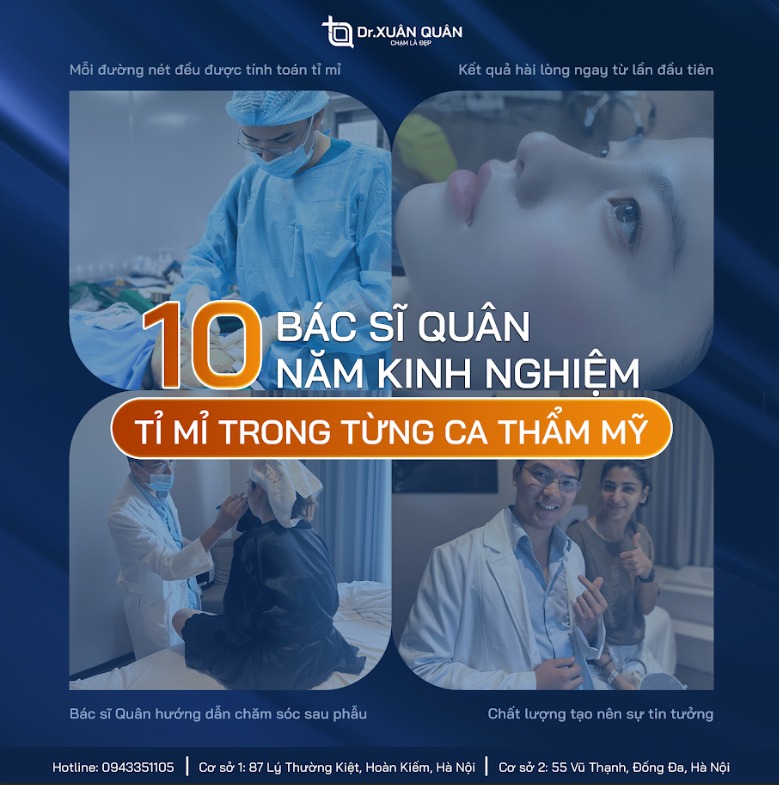
- Minimally invasive dissection technique: With over 10 years of experience, Dr. Xuan Quan personally performs gentle, precise microsurgical dissection. This minimizes tissue trauma, thereby significantly reducing swelling and bruising while shortening recovery time.
- Safe, high-standard implant materials: The clinic uses premium, highly biocompatible biological implants that ensure the chin settles quickly into a natural shape and maintains stable definition.
- Dedicated support and close care: The medical team closely monitors the healing process, provides instructions for effective pain management at home, and remains available 24/7 to offer support until the chin achieves its perfect shape.
Frequently Asked Questions About Chin Augmentation
To put your mind at ease and alleviate any anxiety before your cosmetic enhancement, Dr Xuan Quan Clinic has compiled and briefly answered the most common questions from clients below:
Is general anesthesia required for chin augmentation?
Chin augmentation is typically a minor procedure, so the doctor only needs to administer local anesthesia to the chin area. You remain fully awake throughout the process but experience no pain or discomfort.
Is it normal to experience itching or hiccups after chin augmentation?
Yes, this is a normal physiological reaction caused by sensory nerves gradually recovering or the chin muscles adjusting to the new implant material. This condition will resolve on its own within the first 1 – 2 weeks.
Do I need to avoid talking after the procedure?
You do not need to stop talking completely; however, you should avoid speaking loudly, laughing heartily, or making vigorous jaw movements during the first 3 – 5 days. This helps prevent strain on the incision and allows the implant to stabilize quickly.
We hope this information – covering whether the procedure is painful and providing a guide for post-operative care – has been helpful. Contact Dr Xuan Quan Clinic today for a consultation on the ideal chin shape and to safely and gently elevate your look with confidence!