Tiếng Việt
Is nasal congestion after a nose job a cause for concern? In reality, this is a completely normal physiological reaction caused by mucosal swelling or a temporary accumulation of secretions; it will subside on its own as the nose stabilizes, so there is no need to worry excessively. In this article, Dr Xuan Quan Clinic explains the causes in detail and guides you on how to safely and effectively manage this condition at home.
Causes of nasal congestion after rhinoplasty
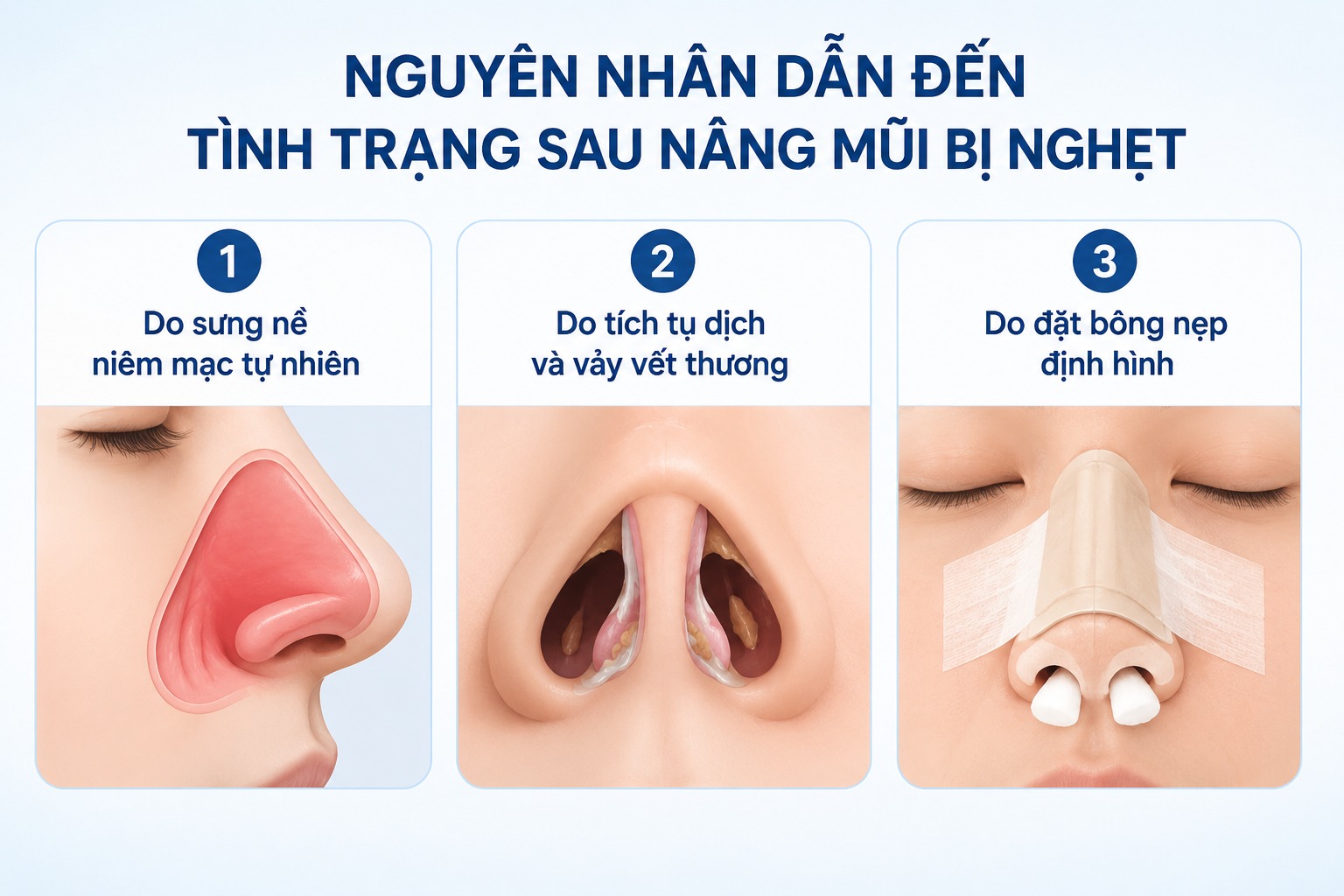
Post-operative nasal congestion typically stems from three main causes:
- Natural mucosal swelling: The process of tissue dissection and cartilage placement irritates and swells the nasal mucosa, thereby narrowing the airway.
- Accumulation of fluids and scabs: Nasal secretions, clotted blood, and residual saline solution can dry out over time, forming hard scabs that cause obstruction.
- Placement of stabilizing packing: During the initial days, specialized packing inserted into the nasal cavity to stabilize the cartilage shape temporarily obstructs airflow.
Is nasal congestion after a nose job dangerous? When is it considered abnormal?
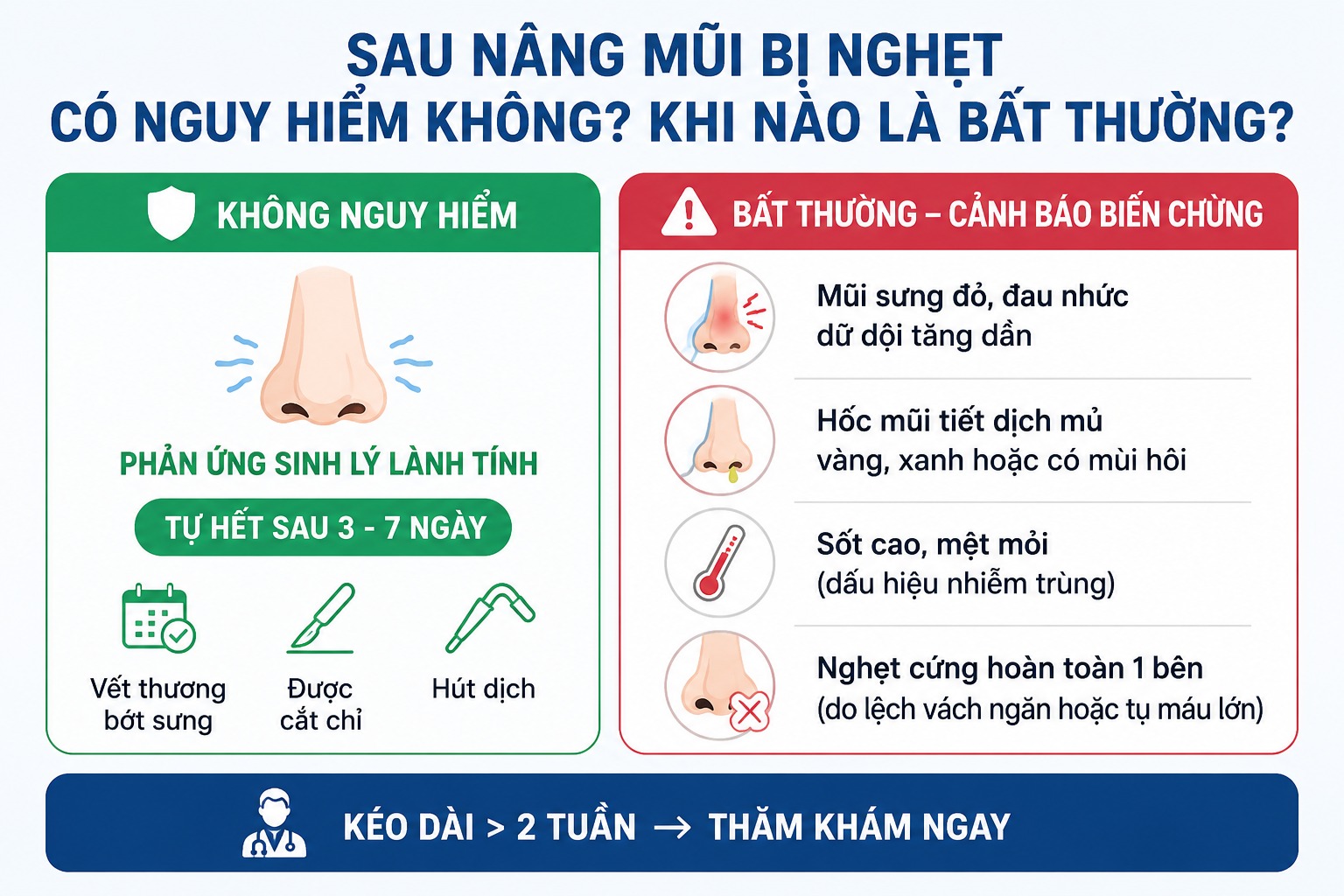
Post-operative nasal congestion is generally a benign physiological reaction; it is not dangerous and typically resolves within 3 to 7 days as swelling subsides and sutures and accumulated fluids are removed.
However, the condition becomes abnormal and signals potential serious complications if it persists for more than two weeks and is accompanied by the following signs:
- Increasing redness and swelling of the nose, with pain that intensifies rather than subsides.
- Discharge of yellow or green pus, or a foul-smelling odor from the nasal cavity.
- High fever and fatigue (signs of infection).
- Complete nasal blockage on one side due to a deviated septum or a large hematoma.
Safe ways to relieve nasal congestion at home after a rhinoplasty
To alleviate feelings of stuffiness and quickly clear your airways, you can immediately apply the following scientifically-backed measures:
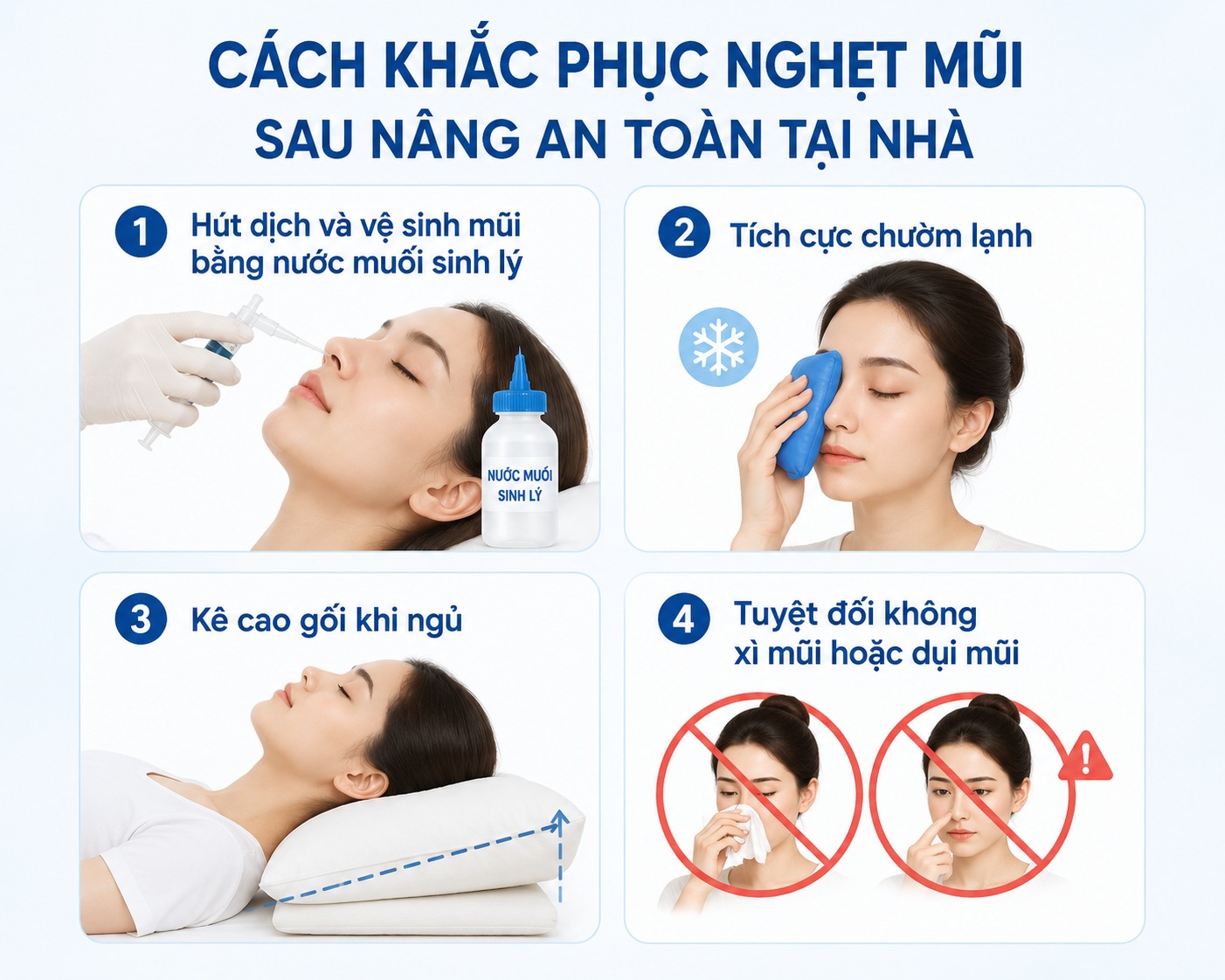
- Clear secretions and clean the nose with saline solution: Use a cotton swab moistened with saline to gently clean the nasal opening and remove any accumulated crusts. Strictly avoid using high-pressure sprays directly deep into the nasal cavity.
- Apply cold compresses: During the first 2–3 days, apply cold compresses to the skin around the nose (avoiding direct contact with the nasal bridge) to constrict blood vessels and reduce mucosal swelling, thereby widening the airways.
- Elevate your head while sleeping: Sleep on your back with your head elevated above chest level. This position helps reduce blood pressure in the nasal area and minimizes nighttime nasal congestion.
- Strictly avoid blowing or rubbing your nose: Blowing your nose forcefully or picking at it can tear the surgical site, cause internal bleeding, or displace cartilage structures that have not yet stabilized.
Important tips to help the nose shape set quickly and remain clear
To ensure your nose shape stabilizes quickly and your airways clear up completely, keep the following key principles in mind:
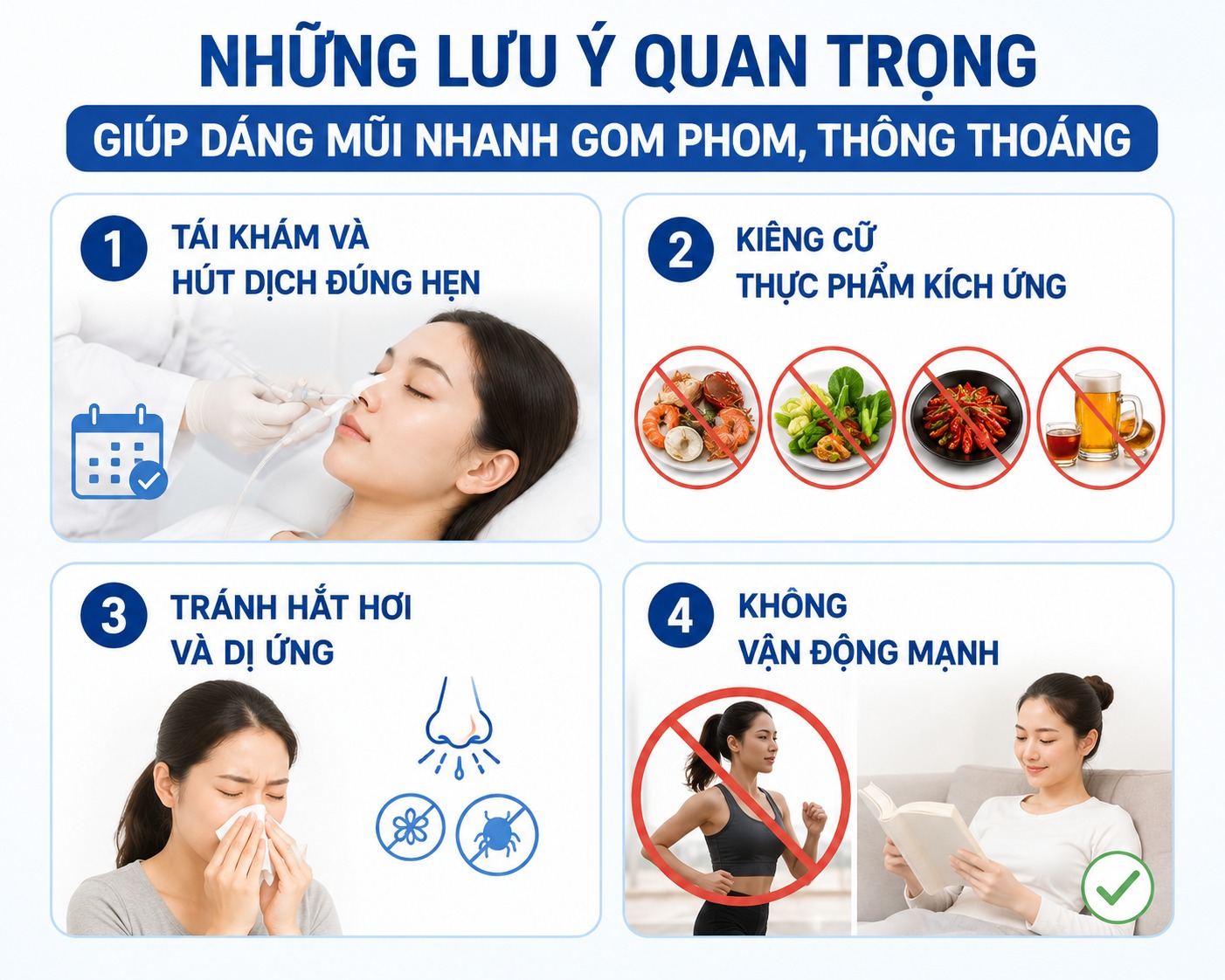
- Attend follow-up appointments and fluid drainage sessions as scheduled: Take your prescribed medication and return for check-ups to have accumulated fluid drained from deep within the nasal cavity—this is the most effective way to resolve congestion.
- Avoid foods that cause irritation: Temporarily eliminate foods known to trigger swelling, suppuration, or keloid scarring, such as water spinach, beef, seafood, glutinous rice products, and stimulants.
- Prevent sneezing and allergic reactions: Maintain a clean living environment and wear a mask when outdoors to keep dust, smoke, and pet dander out of your nose; irritation leading to sneezing could displace the nasal cartilage.
- Refrain from strenuous activity: Avoid sports, heavy labor, or bending your head low for the first month to prevent spikes in blood pressure that could cause swelling or nosebleeds.
Safe, medically standard rhinoplasty at Dr Xuan Quan Clinic
Mild nasal congestion during the initial days is typically a normal physiological response to mucosal swelling. However, if the congestion persists for more than 7–10 days and is accompanied by fever, severe pain, foul-smelling purulent discharge, or significant breathing difficulties, you should immediately visit a reputable medical facility for a professional examination and timely treatment.
At Dr. Xuan Quan Aesthetic Clinic, surgical and post-operative procedures strictly adhere to medical standards to minimize the risk of complications:
- Dr. Xuan Quan (with over 10 years of experience) personally conducts the examination and performs precise structural adjustments without causing invasive damage or trauma to the nasal mucosa and airways.
- Surgery takes place in a completely sterile environment, utilizing gentle microsurgical techniques to reduce swelling and minimize post-operative nasal congestion.
- Dedicated 1-on-1 post-operative care ensures close monitoring of the recovery process and immediate intervention should any abnormalities arise.
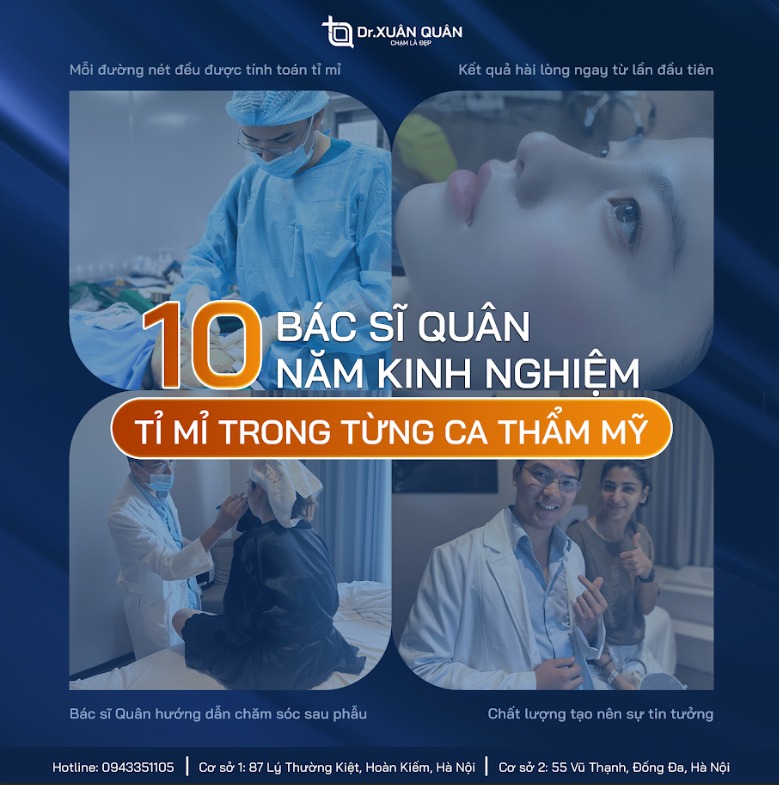
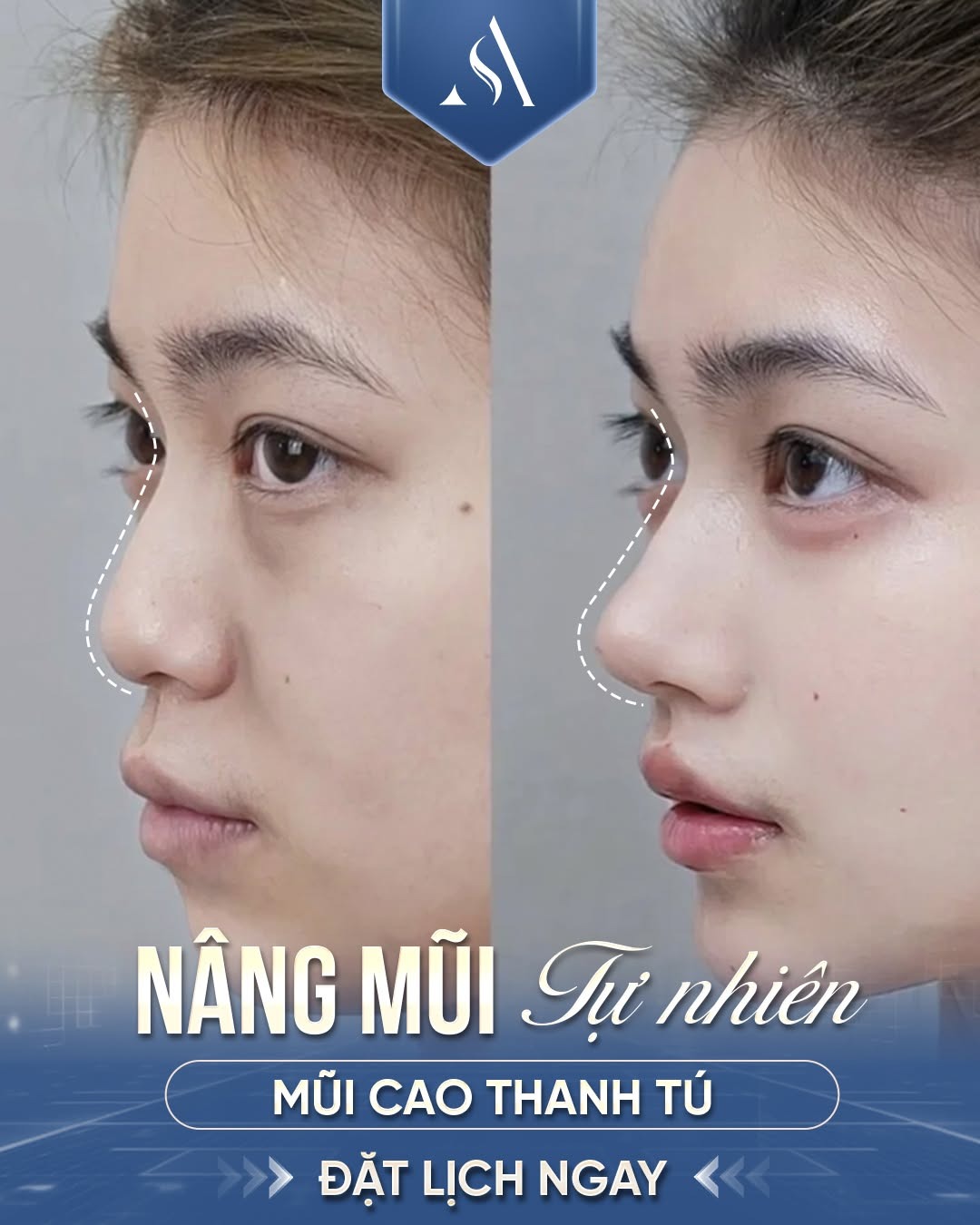
Thanks to precise intervention and standardized procedures, thousands of clients at Dr. Xuan Quan have achieved a high, refined nose shape that sets quickly, while enjoying completely comfortable breathing after just a short time.
Frequently Asked Questions About Nasal Congestion After Rhinoplasty
To ensure your complete peace of mind during the post-operative period, here is a summary and brief explanation regarding the most common questions about nasal congestion after rhinoplasty:
Is it normal to experience congestion on one side after rhinoplasty?
Yes, it is normal. This occurs due to uneven accumulation of fluid, swelling, or scabbing on the two sides of the nose. The condition will improve simply by keeping the area clean and suctioning out any accumulated fluid.
Can I use nasal sprays to treat the congestion?
You absolutely should not use them without professional guidance. Sprays with high pressure or those containing vasoconstrictors can cause irritation, bleeding, or infection at the surgical site. Only use medication as prescribed by your doctor.
Can I breathe through my mouth if the congestion is severe?
Yes. During the initial days when the nasal passages are blocked, you can certainly breathe through your mouth. Be sure to drink plenty of warm water to prevent a dry, sore throat.
The information above provides detailed answers regarding post-rhinoplasty congestion, along with instructions for safe and scientifically sound home care. If you have any further questions or wish to schedule an in-person consultation with Dr. Xuan Quan, please contact us today for prompt assistance!