Tiếng Việt
Many people dread the prospect of undergoing a revision rhinoplasty—whether to correct a previous botched procedure or simply to achieve a more desirable result—fearing the pain involved. However, a second rhinoplasty is not as daunting as you might imagine. Thanks to modern anesthesia technology, you will experience no pain during the procedure itself, feeling only mild soreness during the recovery phase. In this article, Dr Xuan Quan Clinic shares key tips for a smooth and safe revision surgery.
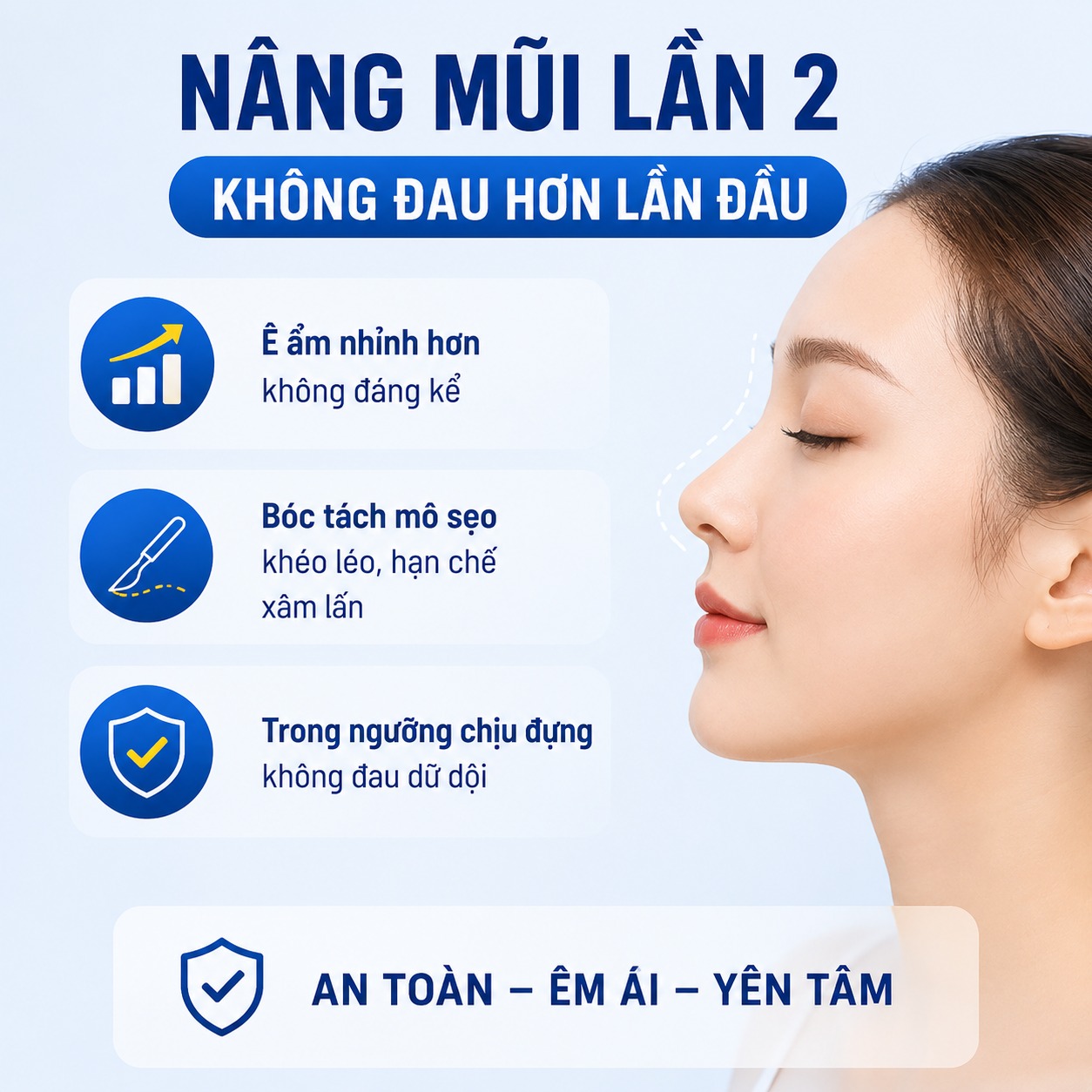
Is a second rhinoplasty more painful than the first?
In fact, the feeling of soreness the second time may be a little better than the first time.
The reason is because the nose structure has now changed, the doctor must take more time to treat the old sclerotic scar tissue, remove the fibrous capsule (if any) and repair deep internal defects.
However, this difference is insignificant and completely within the body’s tolerance level. With the support of today’s advanced techniques, the scar tissue removal process is performed very skillfully, minimizing deep invasion.
How long is the recovery period after a second rhinoplasty?
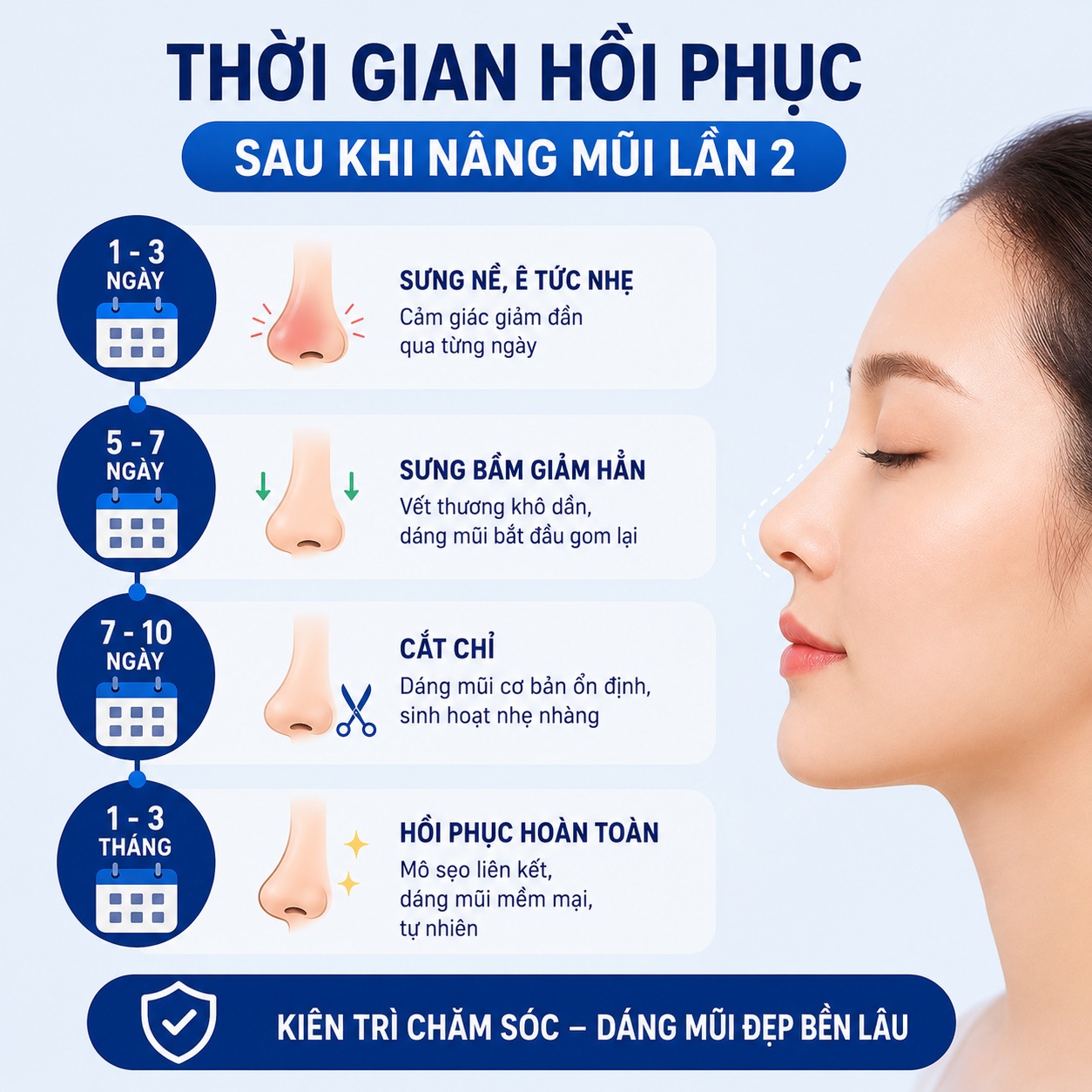
Due to the prior damage to the nasal structure, the time required for the nose to settle into its final shape and heal after the second procedure is typically slightly longer than after the first. In general, your recovery will follow this standard timeline:
- Days 1–3: The nose may experience swelling and mild soreness. This is the most sensitive phase, but the discomfort will gradually subside.
- Days 5–7: Swelling and bruising significantly decrease, the incision dries, and the nose begins to take shape.
- Days 7–10: You will return to the clinic for suture removal. By this time, the nose shape has largely stabilized, and you can resume light, normal activities.
- Months 1–3: During this period, internal scar tissues fully bond, and the nose fully recovers, becoming soft and natural—just like a real nose.
Tips for minimizing pain during a revision rhinoplasty
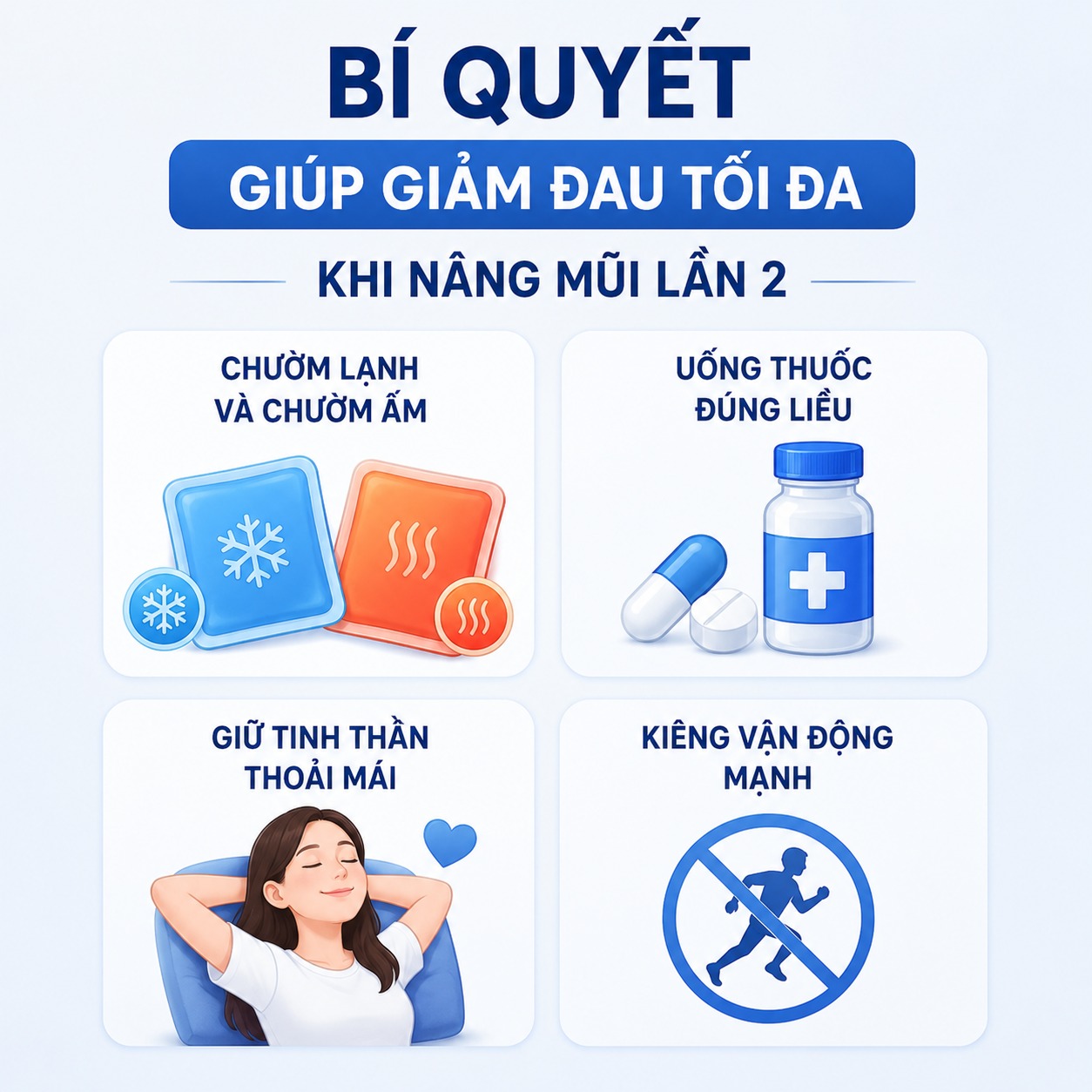
To ensure a smooth recovery process and minimize discomfort after your revision surgery, you can follow these scientifically sound care tips:
- Cold and warm compresses: Apply ice packs around the nose during the first 48 hours to reduce swelling, then switch to warm compresses starting on day three to help dissipate bruising.
- Adhere to medication instructions: Strictly follow the doctor’s prescriptions for antibiotics and pain relievers; do not arbitrarily stop taking them or alter the dosage.
- Maintain a relaxed mindset: Avoid stress and anxiety, as psychological tension can heighten your body’s sensitivity to pain; ensure you get plenty of rest.
- Avoid strenuous activity: Refrain from sports, bending over deeply, or touching your nose during the first month to prevent pain and avoid shifting the shape of the nose.
Safe, low-pain location for corrective rhinoplasty and revision nose surgery
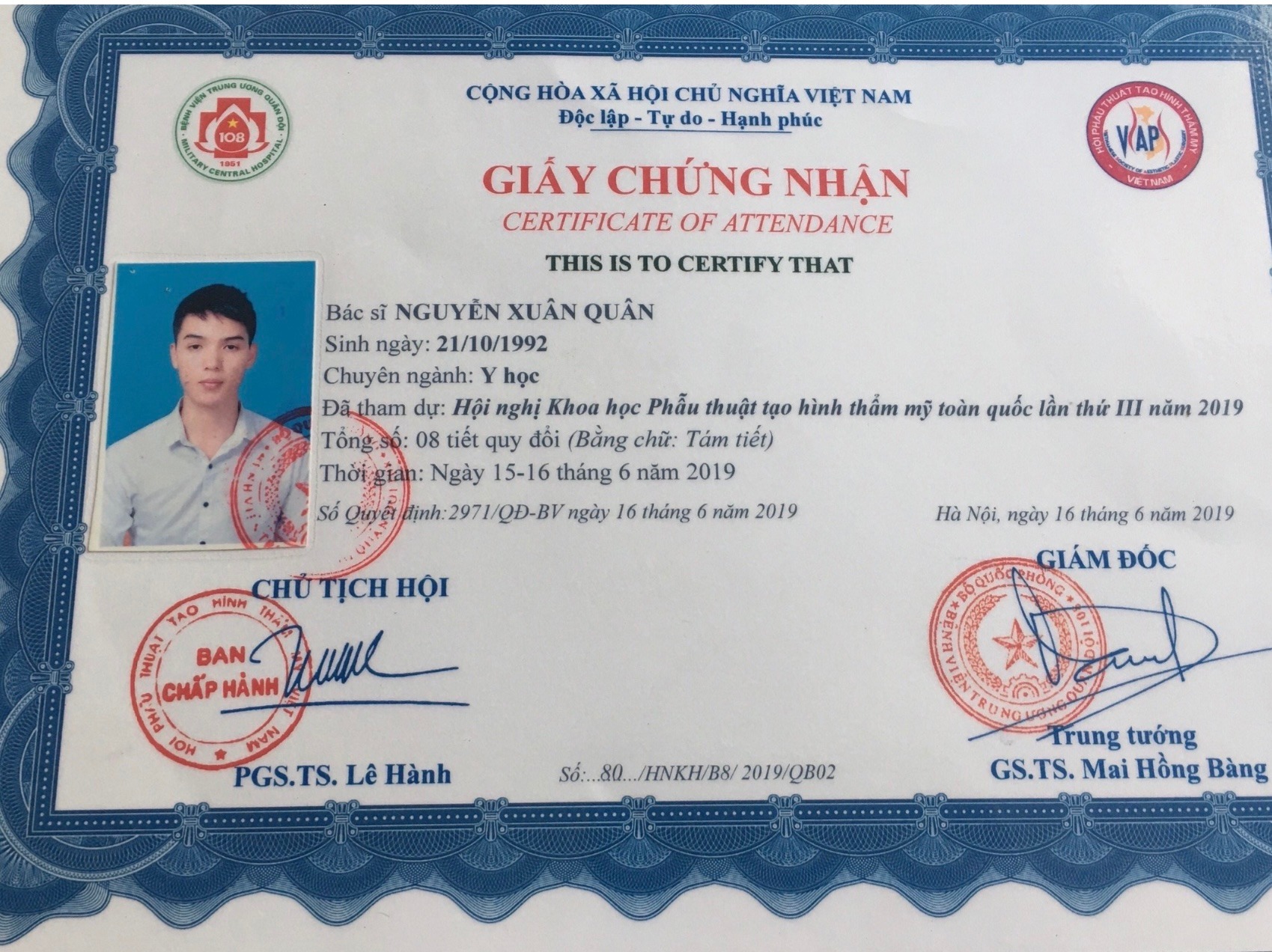
Revision rhinoplasty is a corrective procedure demanding exceptional skill to dissect fibrous tissue without compromising the existing structure. Moving beyond standard techniques, Dr. Xuan Quan Aesthetic Clinic revitalizes flawed nose shapes through a completely unique approach:
- Microsurgical dissection of scar tissue: With over a decade of experience, Dr. Xuan Quan meticulously addresses each band of scar tissue, eliminating sharp pain and maximizing the protection of blood vessels.
- Multi-point anesthesia: Every step of the procedure is gentle and smooth, completely dispelling any lingering fears of pain from the previous surgery.
- Durable nasal bridge reconstruction: Utilizing highly compatible autologous materials to definitively resolve risks such as redness, implant visibility, or retraction and upturning.
- Lifelong post-operative support: A clear, written commitment to accountability, accompanied by dedicated 1-on-1 support until the nose settles into its perfect, refined shape.
This gentle and effective approach has been validated by countless words of praise and positive feedback from customers who were deeply anxious before deciding to undergo revision surgery.

Frequently Asked Questions About Revision Rhinoplasty
To put your mind at ease before undergoing revision rhinoplasty, here are concise expert answers to the most common questions:
Does the old cartilage need to be removed during a second rhinoplasty?
Yes, the surgeon must remove all existing cartilage to clear the nasal cavity and address any hardened scar tissue before reconstructing the new nasal shape.
Does a revision rhinoplasty require harvesting autologous cartilage, and is it painful?
Ear or rib cartilage may be required if the nasal septal cartilage is insufficient. Local or general anesthesia is used during the harvesting process to ensure a painless experience; afterwards, you may feel only mild soreness in the donor area.
How long does it take for swelling and bruising to completely subside after a second rhinoplasty?
Typically, swelling and bruising decrease significantly within 5–7 days; these symptoms disappear completely after the sutures are removed, usually between days 7 and 10.
Will I experience pain or aching when the weather changes after a second rhinoplasty?
No. If the surgery is successful and high-quality cartilage is used, the nasal structure will be stable and function normally, causing no pain or aching during seasonal weather changes.
The information above provides detailed answers regarding pain concerns, the recovery timeline, and effective pain management tips for revision rhinoplasty. We hope this article has helped alleviate your anxiety, allowing you to confidently correct imperfections and achieve your perfect nose shape.