 Tiếng Việt

How long should you wait before undergoing a revision rhinoplasty? The ideal timeframe is 3 to 6 months after the initial surgery—a period that allows internal tissues to stabilize and any scar tissue to soften. However, in cases involving infection or pus discharge, immediate surgical intervention is required to remove the implant and address the site of inflammation. This article, provided by Dr Xuan Quan Clinic, will help you determine the precise “golden window” for revision rhinoplasty based on your specific situation.
How long should you wait before fixing a botched nose job? Expert advice on the ideal timing
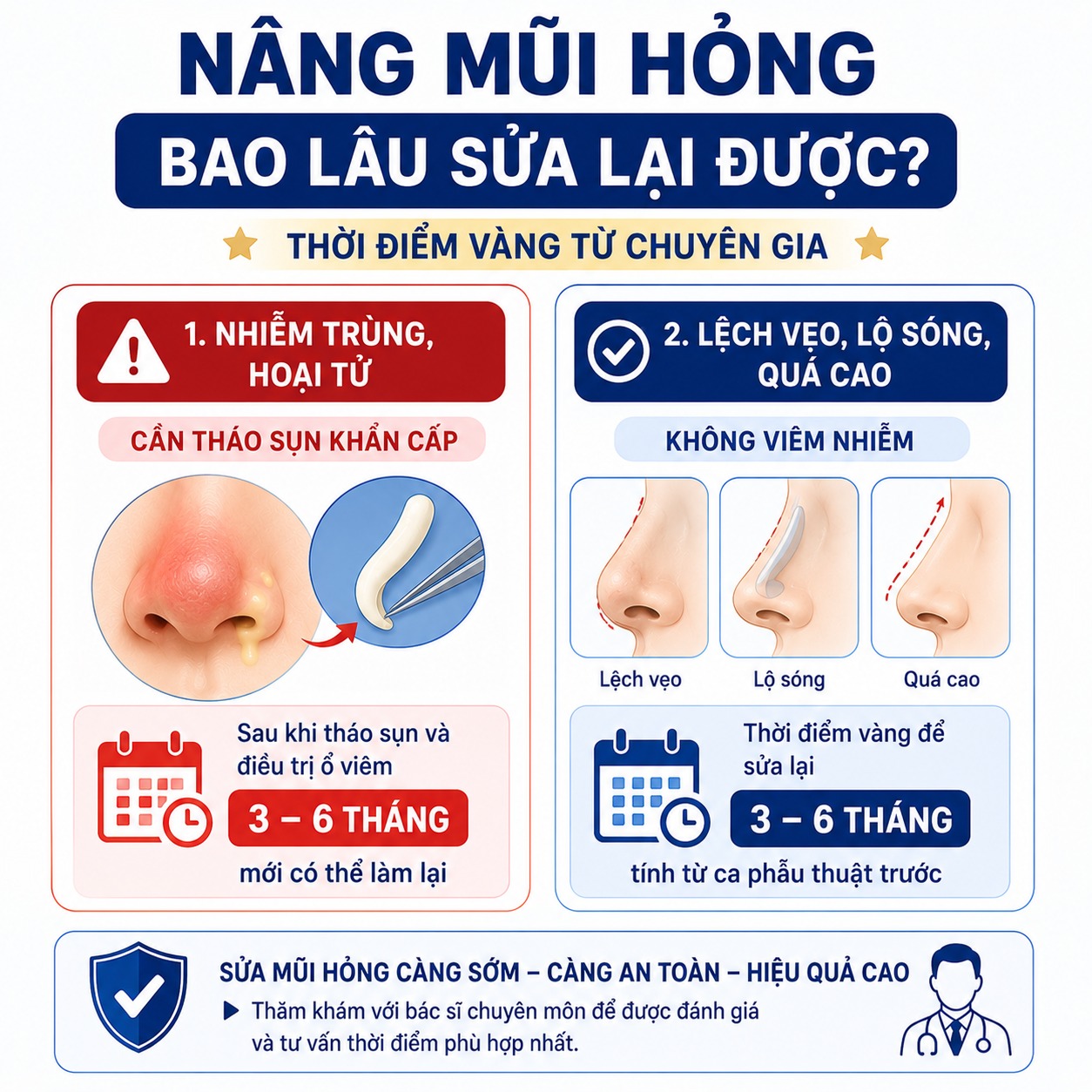
The ideal timing for corrective nose surgery depends on the extent of the damage and is categorized by experts into the following two specific timeframes:
In cases of infection or necrosis (urgent removal of the cartilage is required)
If the nose develops pus, fluid accumulation, or ulceration, the surgeon must immediately remove the cartilage implant to clear the infection. Following this, you will need to wait 3 to 6 months for the nasal tissue to fully recover before a revision procedure can be performed to reshape the nose.
Cases involving deviation, implant visibility, or excessive height (without infection)
The optimal time for a revision procedure is 3 to 6 months after the initial surgery. By this stage, the nasal structure has stabilized, internal scar tissue has softened, and the nasal skin has regained its elasticity—all of which allow for the safest and most precise surgical dissection and correction.
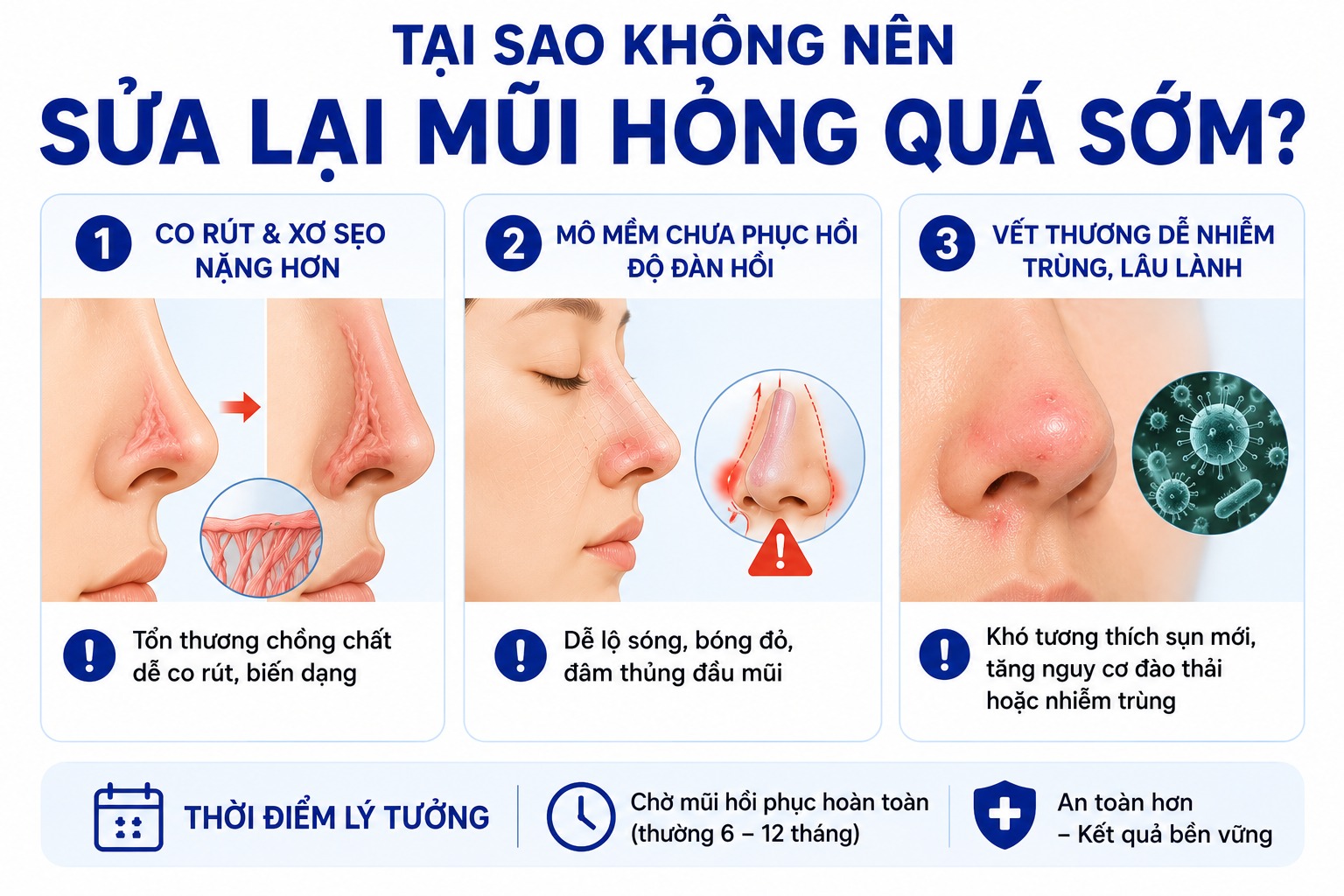
Why is it not advisable to undergo revision rhinoplasty too soon after a failed procedure?
Attempting to correct a botched rhinoplasty too soon—before the tissues have had a chance to heal—can lead to the following serious complications:
- Increased risk of severe contracture and scarring: If the initial surgical site has not yet stabilized, further dissection and invasive manipulation will compound the damage to the nasal structure. This can trigger the development of fibrous tissue, leading to contracture and nasal deformity.
- Insufficient recovery of soft tissue elasticity: The skin and tissues in the nasal area require time to regain their elasticity following an injury. Inserting new cartilage while the nasal skin remains tight and rigid significantly increases the risk of the implant becoming visible, causing the skin to appear red and shiny, or even resulting in the implant piercing through the tip of the nose.
- Higher susceptibility to infection and delayed healing: Because the skin and underlying nasal structures are weakened and the local immune response has not yet fully recovered, the area may struggle to tolerate new cartilage material. This elevates the likelihood of implant rejection or postoperative infection.
How much does it cost to fix a botched nose job?
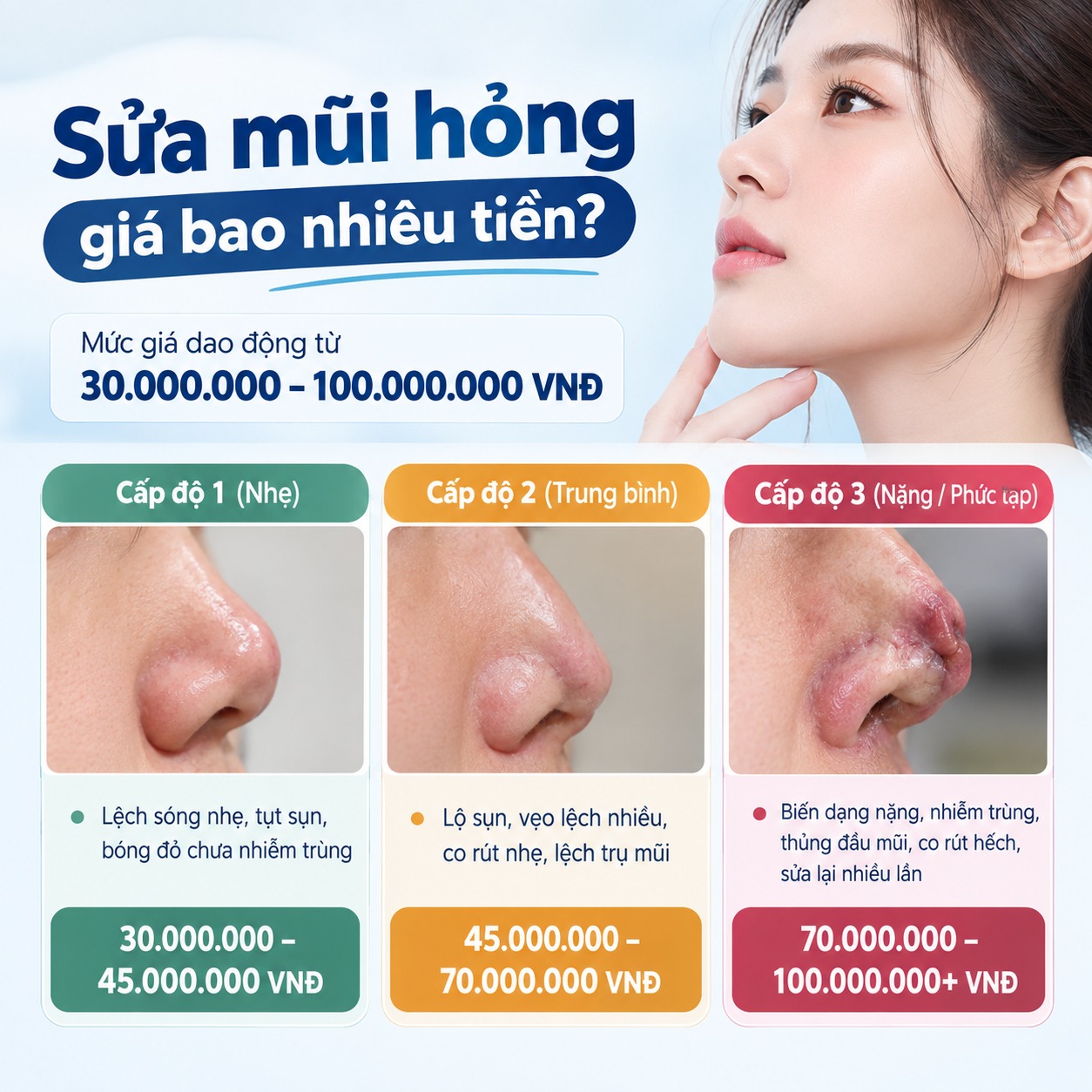
Due to the high level of complexity involved in reconstructive surgery for a damaged nose, current market prices typically range from 30,000,000 VND to 100,000,000 VND. You may refer to the following table, which outlines average costs based on the severity of the damage:
| Damaged nose condition | Deformation characteristics | Average cost ($) |
| Level 1 (Mild) | Slight misalignment, cartilage displacement, and redness without infection | 1100 – 1800 |
| Level 2 (Intermediate) | Exposed cartilage, significant deviation, mild retraction, and a crooked nasal columella. | 1800 – 2800 |
| Level 3 (Severe / Complex) | Severe deformity, infection, perforation of the nasal tip, retraction/upturning, and a history of multiple revision surgeries | 2800 – 4000+ |
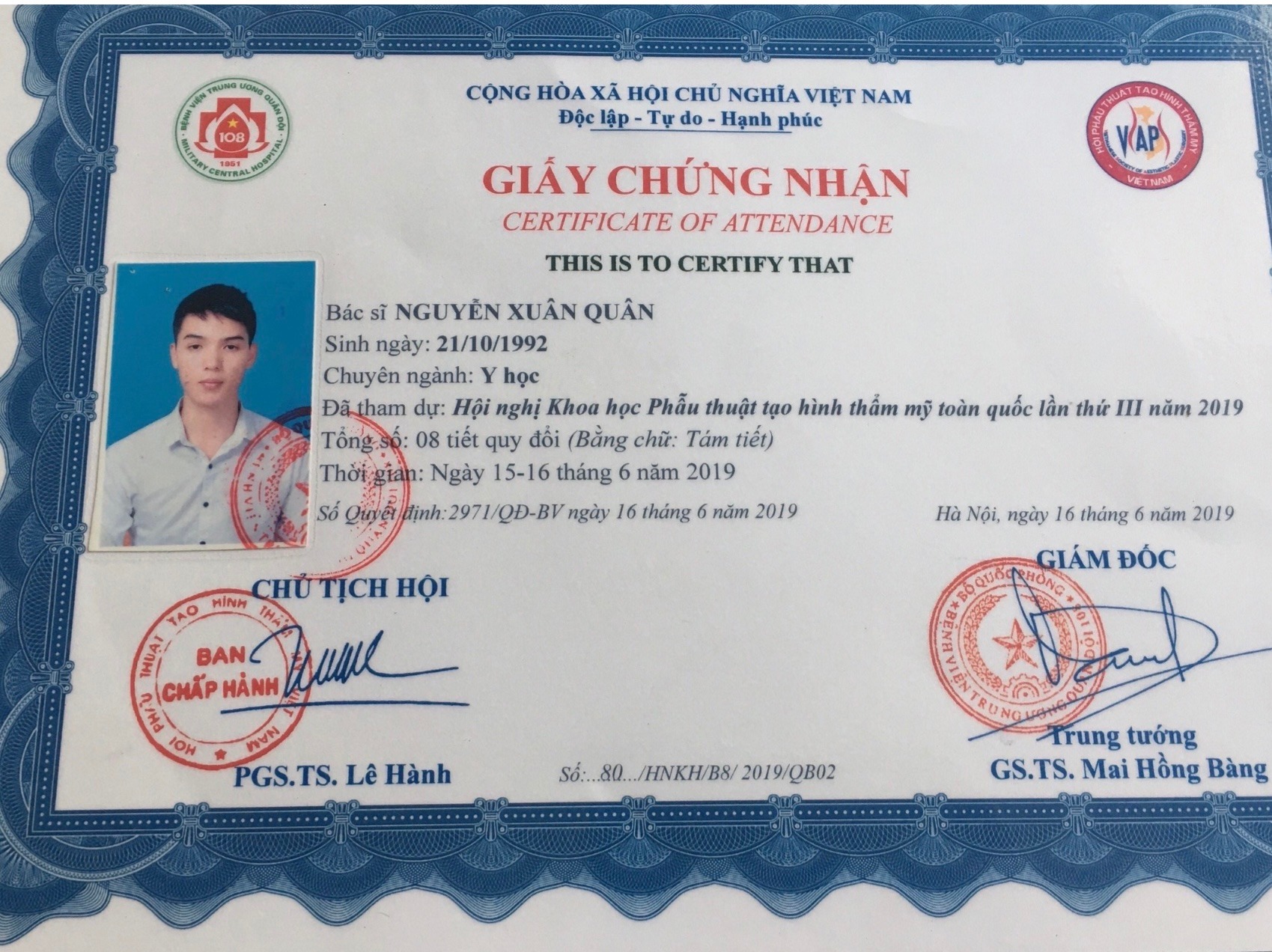
A safe and reputable place for corrective rhinoplasty: Dr. Xuan Quan Aesthetic Clinic
Dr. Xuan Quan Aesthetic Clinic is a trusted destination, chosen by thousands of clients to “rescue” compromised or complication-ridden nasal structures. This reputation is built upon several key advantages:
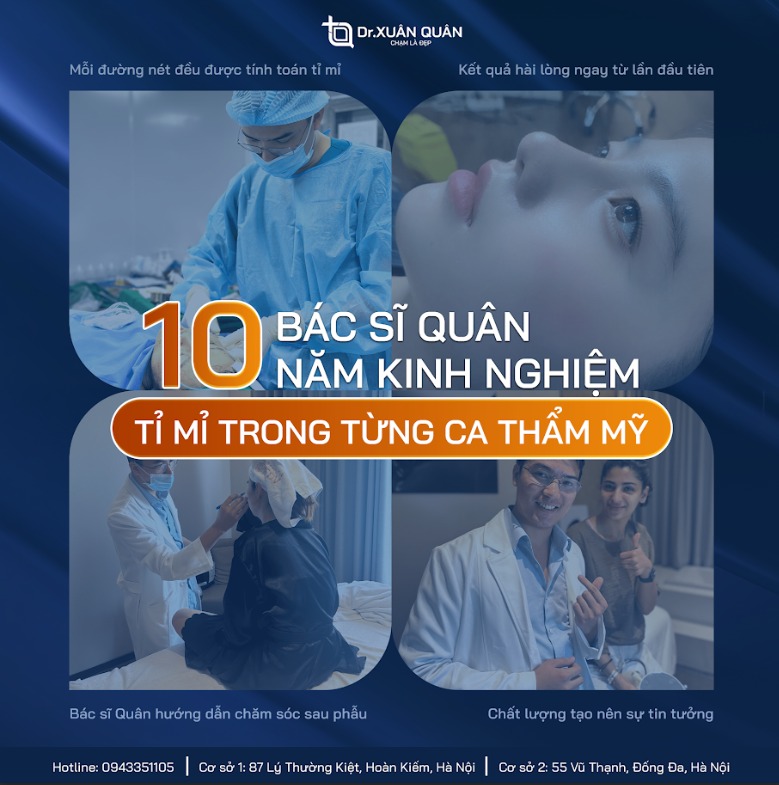
Procedures performed personally by Dr. Xuan Quan: With over 10 years of specialized experience in reconstructing damaged noses, Dr. Xuan Quan conducts every consultation himself. He performs the dissection of scar tissue with precision and finesse, ensuring minimal trauma to the patient.
Personalized treatment protocols for the definitive resolution of complications: Depending on the specific issue—such as deviation, implant exposure, or infection—the surgeon will develop a tailored treatment plan. This includes the thorough removal of any existing inflammation or fibrous capsules before reconstructing the nasal structure.
Endoscopic technology and premium cartilage materials: Advanced endoscopic equipment is used to conduct a comprehensive assessment of the nasal structure. The procedure utilizes a flexible combination of autologous cartilage (from the ear or rib) and high-quality biological implants to enhance biocompatibility and minimize the risk of recurring complications.
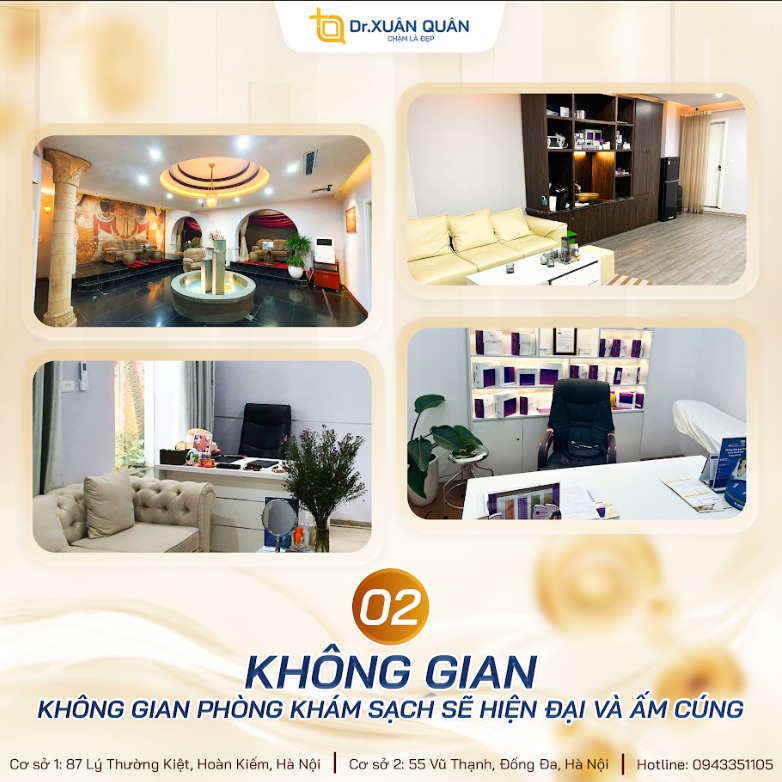
Sterile environment and rigorous 1:1 post-operative care: Surgeries are performed in a self-contained operating suite equipped with a unidirectional sterile air filtration system to prevent cross-contamination. Furthermore, a dedicated nursing team provides close, 1:1 daily support, ensuring the nose heals into its intended shape safely and effectively.
Transparent, long-term warranty: Dr. Xuan Quan offers a clear warranty policy covering both the cartilage material and the shape, ensuring complete peace of mind and demonstrating the highest level of accountability toward clients.
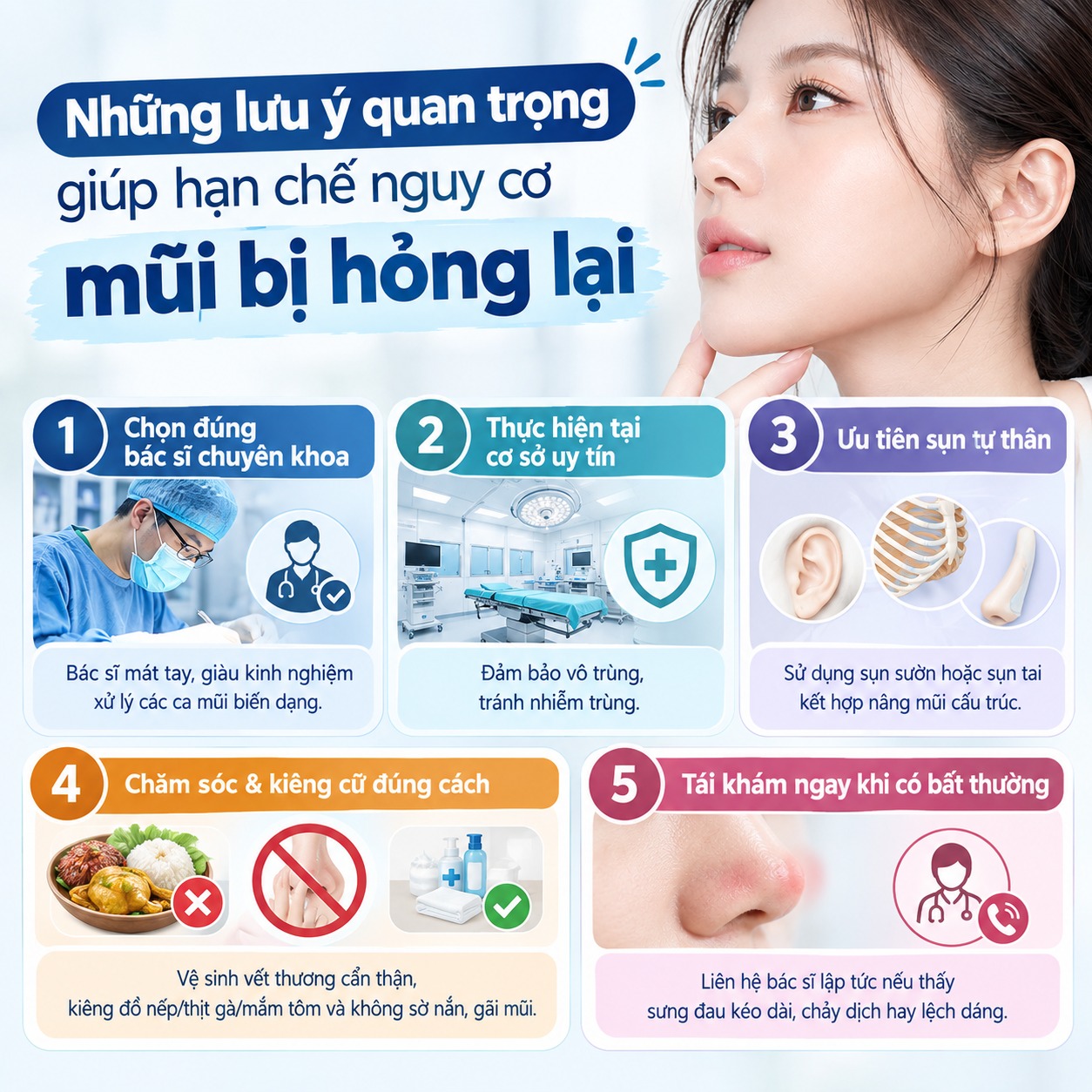
Important considerations to help minimize the risk of a nose becoming damaged again
To avoid the need for any further surgical interventions, keep the following key factors in mind:
- Choose the right specialist: Prioritize a skilled surgeon with extensive practical experience in handling complex or deformed nasal cases.
- Ensure the procedure is performed at a reputable facility: Only undergo surgery at a medical-standard hospital or clinic to guarantee a sterile environment and prevent infections.
- Opt for autologous cartilage: Use rib or ear cartilage—combined with a structural rhinoplasty technique—to minimize the risks of skin thinning (redness) or implant displacement.
- Follow proper aftercare and dietary restrictions: Clean the surgical site carefully; avoid foods like sticky rice, chicken, and fermented shrimp paste; and refrain from touching, rubbing, or scratching your nose.
- Seek immediate follow-up if any abnormalities arise: Contact your surgeon right away if you experience persistent swelling or pain, discharge, or notice that the shape of your nose has become misaligned.
Frequently asked questions about when a botched rhinoplasty can be corrected
Below are brief answers from Dr. Xuan Quan regarding the most common questions from clients about the timing and methods for correcting a botched rhinoplasty:
Does the waiting period increase for a second or third corrective rhinoplasty?
It may be longer. In cases where the nose has undergone multiple failed surgeries, there is often extensive scarring (fibrous tissue) and a weakened skin foundation. In such instances, the waiting period may extend to 6–9 months to allow the soft tissues to fully recover and become suitable for reconstruction.
Is there any way to shorten the waiting period before a corrective rhinoplasty?
It is best not to rush. Adhering to the recommended waiting period is mandatory for your safety. However, proper post-operative care, a nutritious diet, and the use of plasma therapy (if available) can help the internal tissues stabilize more quickly.
Is a corrective rhinoplasty more painful or does it cause more swelling than the initial procedure?
Swelling may be more pronounced because the surgeon must perform a complex dissection to remove fibrous scar tissue (capsular tissue). Nevertheless, thanks to modern technology and advanced anesthesia techniques, the procedure itself is gentle and painless.
The information above addresses common questions regarding when it is appropriate to undergo a corrective rhinoplasty. Please contact our hotline or book an appointment with Dr. Xuan Quan’s aesthetic clinic to receive a personal consultation, assessment, and a tailored plan to restore your nose.