Tiếng Việt
Nutrition accounts for 30% of the success of a surgery, so how long should you avoid certain foods after rhinoplasty to ensure the nose shape settles quickly is a top concern for clients. With nearly 10 years of experience and training in Korea and Singapore, Dr Xuan Quan Clinic introduces a medically approved diet and detailed timeline to give you long-term peace of mind and lasting beauty.
How long should you avoid certain foods after rhinoplasty?
The duration of dietary restrictions after surgery is not fixed for everyone but depends on the speed of soft tissue recovery and the individual’s constitution. You need to pay attention to 3 important time milestones to ensure the nose shape achieves stability:
The first 7-10 days (Before suture removal)
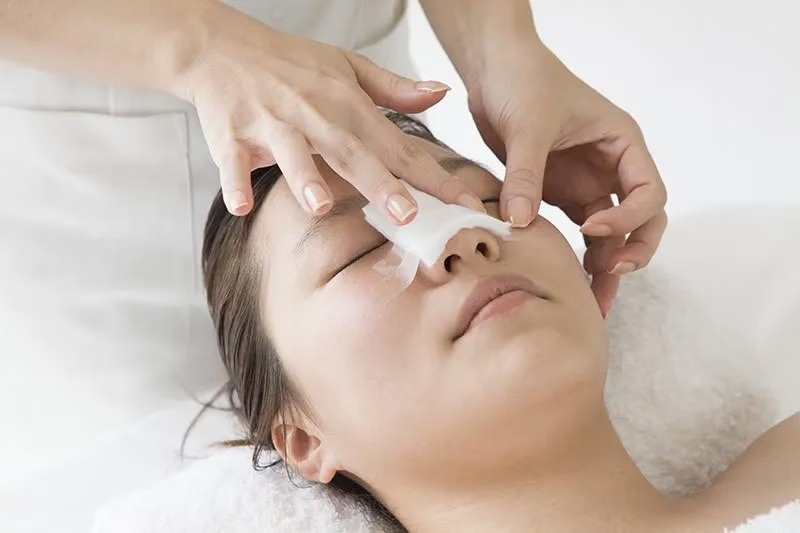
This is the most sensitive time as the open wound is in the process of closing. You need to follow a very strict diet to avoid infection or signs of inflammation after rhinoplasty.
After the stitches are removed, the doctor will check the healing progress to give further instructions.
First month (After stitch removal)
Although the external incision has healed, the internal cartilage structure is still adapting to its new environment. Continuing to avoid foods that cause keloid scarring and infection for at least one month will help the nose shape settle quickly and achieve the most perfect appearance.
Complete recovery phase (From the 3rd month onwards)
With advanced techniques such as Pureform rhinoplasty or structural rhinoplasty, the cartilage needs about 3-6 months to fully integrate with the body. At this time, you can return to a normal diet but should still maintain a healthy lifestyle to ensure the longevity of the rhinoplasty.
List of foods to avoid and specific abstinence periods
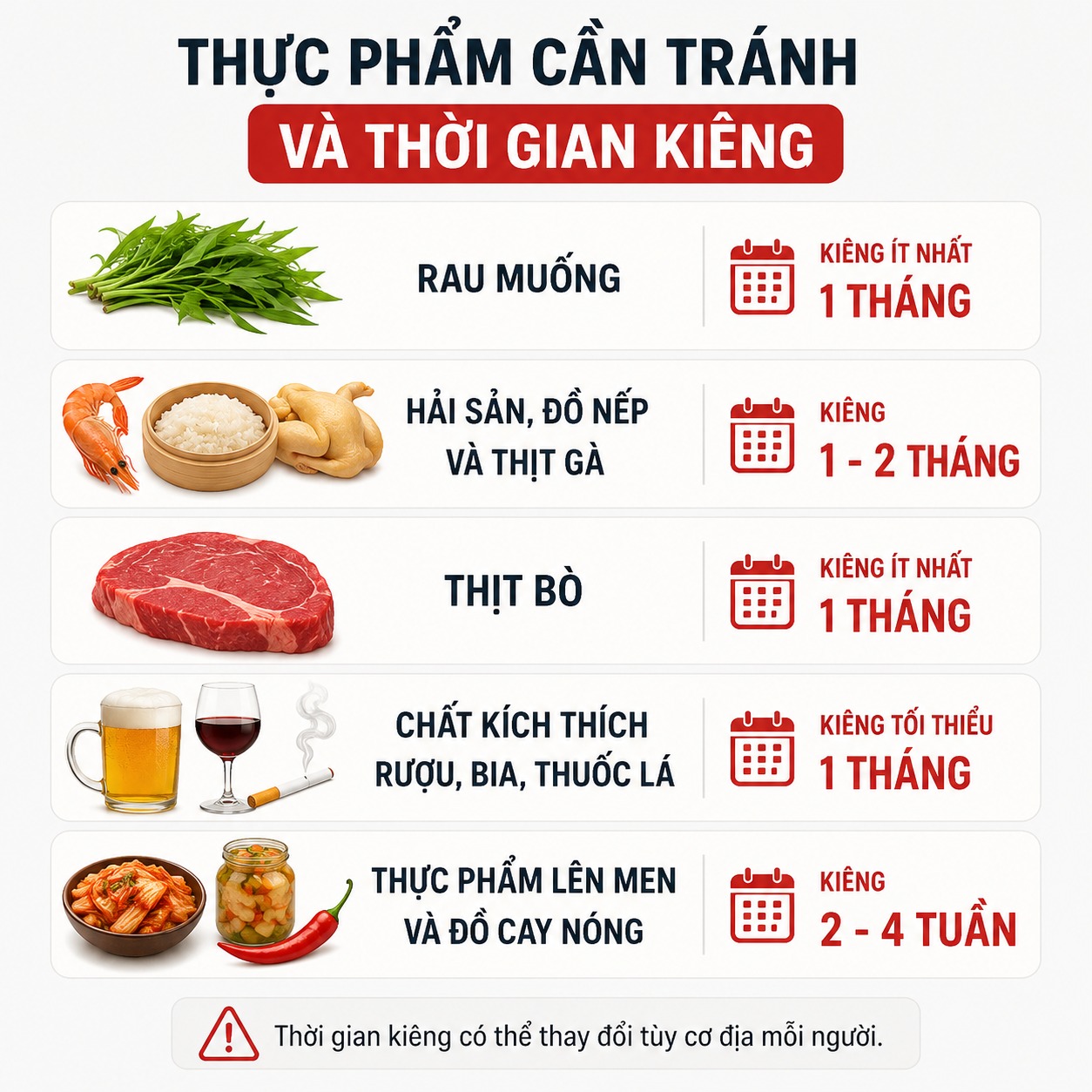
How long to abstain from eating after rhinoplasty? To achieve the most natural appearance, understanding the list of foods to avoid and the abstinence period is extremely important. Dr Xuan Quan Clinic gives detailed instructions on food groups to avoid after rhinoplasty:
- Water spinach (Abstain for at least 1 month): This is the leading food that causes keloid scars by promoting excessive collagen proliferation. To keep the incision nice and flat after removing the sutures, you absolutely should not use this vegetable.
- Seafood, sticky rice and chicken (Abstain for 1 – 2 months): This food group is hot and easily causes allergies, leading to itching, pus or signs of inflammation. Strict abstinence helps cartilage quickly achieve stability.
- Beef (Abstain for at least 1 month): Although rich in protein, beef can easily darken young skin, causing unsightly scars. If you want an even and natural nose shape, replace it with other benign protein sources such as lean pork.
- Stimulants – Alcohol, beer, cigarettes (Abstain for at least 1 month): These substances reduce immunity and slow down blood circulation, causing wounds to heal slowly and directly affecting the lifespan of rhinoplasty.
- Fermented foods and hot spicy foods (Abstain for 2 – 4 weeks): Pickles, eggplant or chili, pepper can cause accumulation of toxins or make the body hot, causing prolonged swelling, hindering the standard medical post-rhinoplasty care process.
What should you eat to help your nose shape heal faster after rhinoplasty?
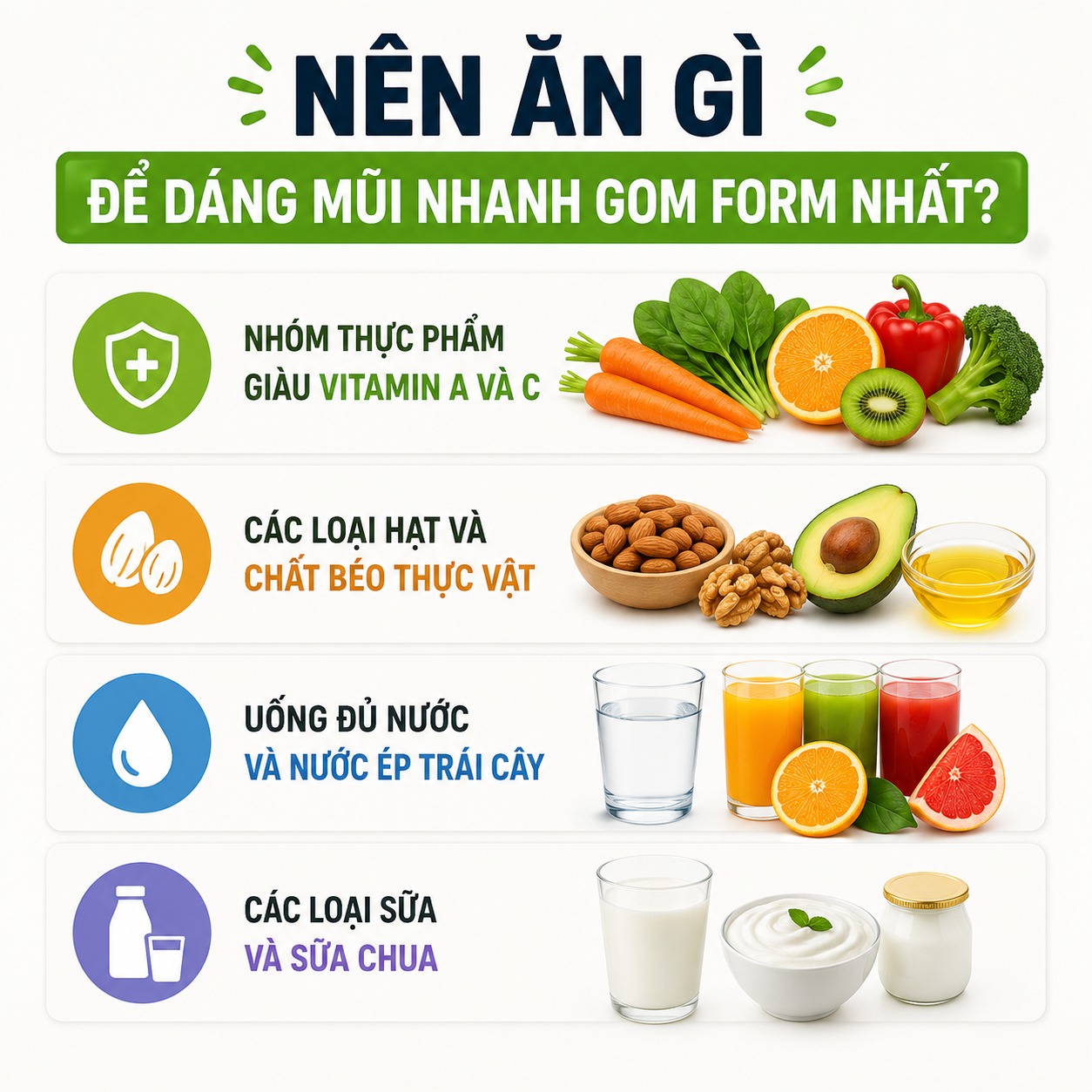
Besides knowing how long to avoid certain foods after rhinoplasty, supplementing with food groups that support tissue regeneration is key to achieving a stable and firm nose shape quickly. Dr Xuan Quan Clinic suggests a menu to help you achieve the most perfect appearance as soon as possible:
- Foods rich in healthy protein: Lean pork, beans, and grains are important sources of protein that help regenerate cells and heal wounds quickly. Adequate protein intake helps the nasal area heal faster after suture removal.
- Foods rich in Vitamins A and C: Oranges, grapefruits, strawberries, broccoli, and carrots help boost the immune system, reduce swelling, and prevent signs of inflammation after rhinoplasty. Vitamin C also plays an important role in fading dark spots and helping the nasal skin tone become naturally even.
- Nuts and plant-based fats: Almonds, walnuts, and olive oil are rich in Vitamin E and Omega-3s, which help reduce inflammation and nourish healthy skin from within, extending the lifespan of rhinoplasty results.
- Drink plenty of water and fruit juices: Water helps cleanse the body, maintain skin hydration, and speed up metabolism. This is extremely beneficial in post-rhinoplasty care to reduce nasal tip swelling.
- Milk and yogurt: Contain many beneficial bacteria that help the body absorb nutrients better, while also providing calcium to help the nasal structure (especially in structural rhinoplasty) stabilize and become more durable.
Why choose Dr Xuan Quan Clinic for peace of mind after surgery?
The question of how long to avoid certain foods after rhinoplasty and how to care for your nose becomes simpler with the support of a reputable clinic. Dr Xuan Quan Clinic not only focuses on aesthetic results but also prioritizes the safety and post-operative experience of its clients:
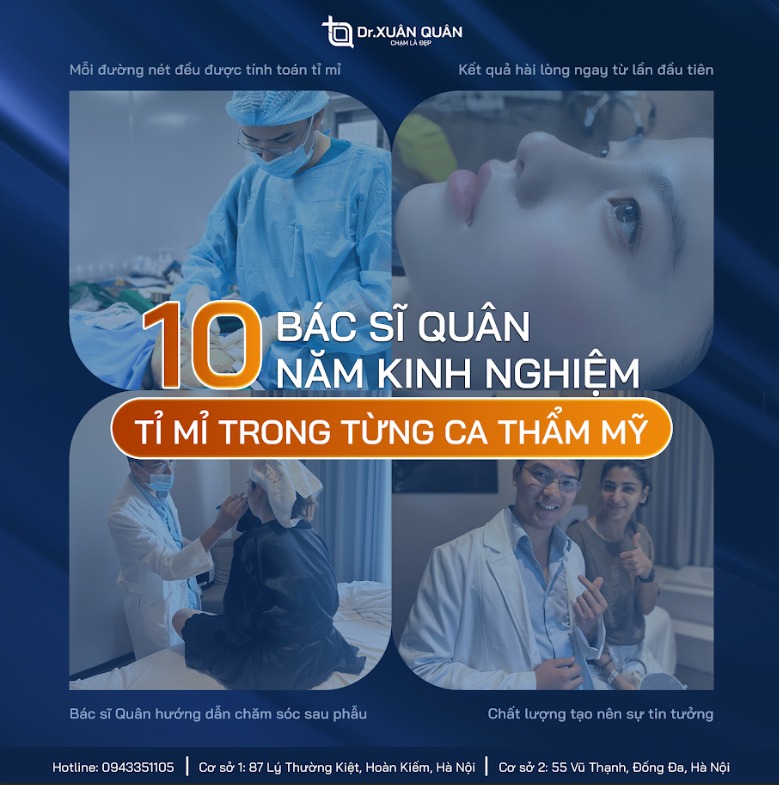
Expert techniques: With nearly 10 years of experience and training in Korea and Singapore, Dr. Xuan Quan possesses sophisticated dissection techniques that minimize invasiveness. This results in less swelling, shorter recovery time, and reduced dietary restrictions, allowing the nose shape to quickly achieve stability and firmness.
Medical standard care process: A dedicated nursing team will closely follow and guide you in detail on how to clean and change bandages from surgery until stitch removal. Any questions about signs of rhinoplasty or diet are answered promptly, providing long-term peace of mind.
Modern supporting technology: We apply advanced equipment to help control the healing process, ensuring that the augmentation cartilage (such as Pureform or autologous cartilage) is perfectly compatible with the body, maintaining the longevity of rhinoplasty in a sustainable way.
Transparent warranty: Assertion of quality through a 1-year professional and 5-year material warranty helps customers have complete confidence in the appearance they have chosen.
Frequently asked questions about rhinoplasty, how long should you abstain from eating?
To help customers get rid of worries about nutrition and have the best preparation for their appearance, Dr Xuan Quan Clinic will answer the following common questions:
What should I do if I accidentally eat foods that need to be avoided?
If you accidentally eat a small amount of seafood or spinach, calm down and stop consuming that food immediately. After that, drink lots of water and add fruits rich in Vitamin C to enhance elimination and fight inflammation.
Don’t forget to closely monitor the nose area. If signs of rhinoplasty inflammation appear, such as swelling or severe itching, contact your doctor immediately for timely assistance.
Does Pureform nose surgery require a long abstinence like regular nose surgery?
Although Pureform cartilage is extremely compatible, the soft tissue dissection process still requires natural recovery time. Therefore, whether you choose structural rhinoplasty or Pureform, the post-rhinoplasty care process and abstinence period should still be followed as prescribed to protect the longevity of rhinoplasty.
Is it necessary to completely abstain from hot spices?
During the first 2 weeks, you should minimize chili, pepper and hot spices because they easily cause irritation, making the nose red or runny, making it difficult to clean the surgical wound. Keeping the nasal area dry and stable is the best way to provide long-term peace of mind.
Above are detailed answers to questions about how long to abstain from eating after rhinoplasty and a scientific diet to help shape your nose quickly. Come to Dr Xuan Quan Clinic to receive advice on a personalized regimen to help your nose shape achieve firm stability and lasting beauty.