
 Tiếng Việt

How long does it take for scars to fade after a rhinoplasty? The answer is 3 to 6 months. Typically, within 1 to 3 months after the stitches are removed, the incision site—whether on the columella (the base of the nose) or the nostrils—will begin to fade and blend in with your natural skin tone. By the 6th month, the scar will have faded by nearly 99%, making it almost invisible to the naked eye. Read on as Dr Xuan Quan Clinic provides a detailed explanation!
Factors affecting the time it takes for scars to fade after rhinoplasty
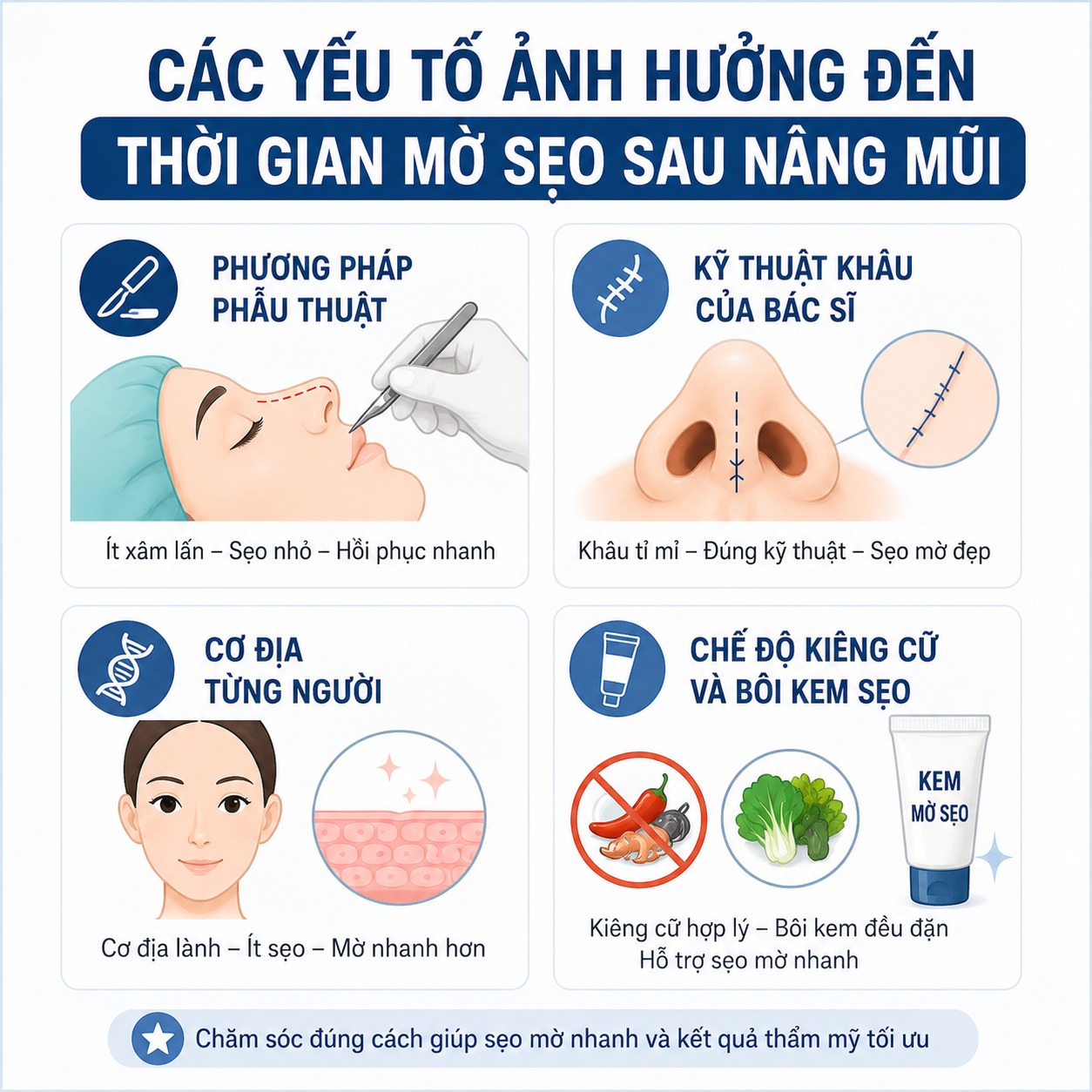
The time it takes for a scar to fade following rhinoplasty varies from person to person and is directly influenced by the following four key factors:
- Rhinoplasty method: Structural rhinoplasty (which involves an external incision on the columella—the tissue between the nostrils) generally requires more time for the scar to fade compared to standard rhinoplasty using synthetic implants (which involves only a small, concealed incision inside the nostril).
- Surgeon’s suturing technique: This factor determines 80% of the scar’s final appearance. A highly skilled surgeon who uses ultra-fine cosmetic sutures and carefully places them along the natural contours of the nose will ensure the incision heals quickly and remains smooth, minimizing the risk of hypertrophic (raised) scarring.
- Individual physiology: People with a natural predisposition for quick healing and rapid skin regeneration will see their scars fade much faster. Conversely, those prone to developing hypertrophic or darkened scars will require a longer recovery period and more diligent post-operative care.
- Dietary restrictions and the use of scar-care products: Adhering to dietary restrictions—avoiding foods known to promote scarring (such as water spinach, beef, and seafood)—during the first month, combined with the timely application of scar-treatment creams, will significantly shorten the time it takes for any traces of the incision to fade.
How long does it take for the incisions to heal after a rhinoplasty?
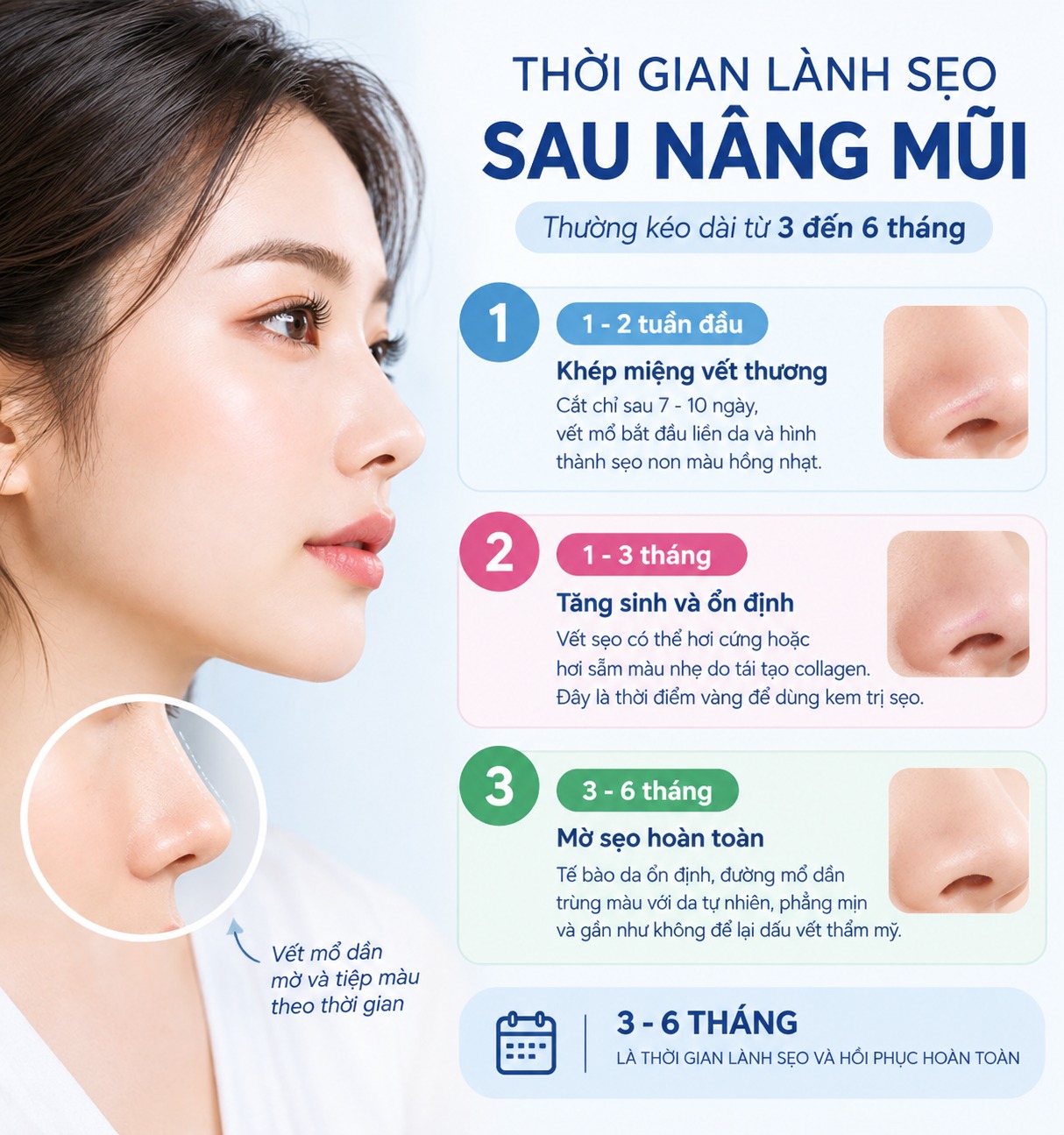
The process of scar fading and complete recovery following rhinoplasty typically spans 3 to 6 months, progressing through specific biological stages:
- First 1–2 weeks (Wound closure): Stitches are removed after 7–10 days; the incision begins to heal, forming a fresh, pale-pink scar.
- 1–3 months (Proliferation and stabilization phase): The scar may feel slightly firm or appear somewhat darker due to the collagen regeneration process. This is the optimal time to use scar-treatment creams.
- 3–6 months (Complete scar fading): Skin cells stabilize, and the incision line gradually blends with the surrounding natural skin tone, becoming smooth and virtually imperceptible.
When is a scar following rhinoplasty considered abnormal?
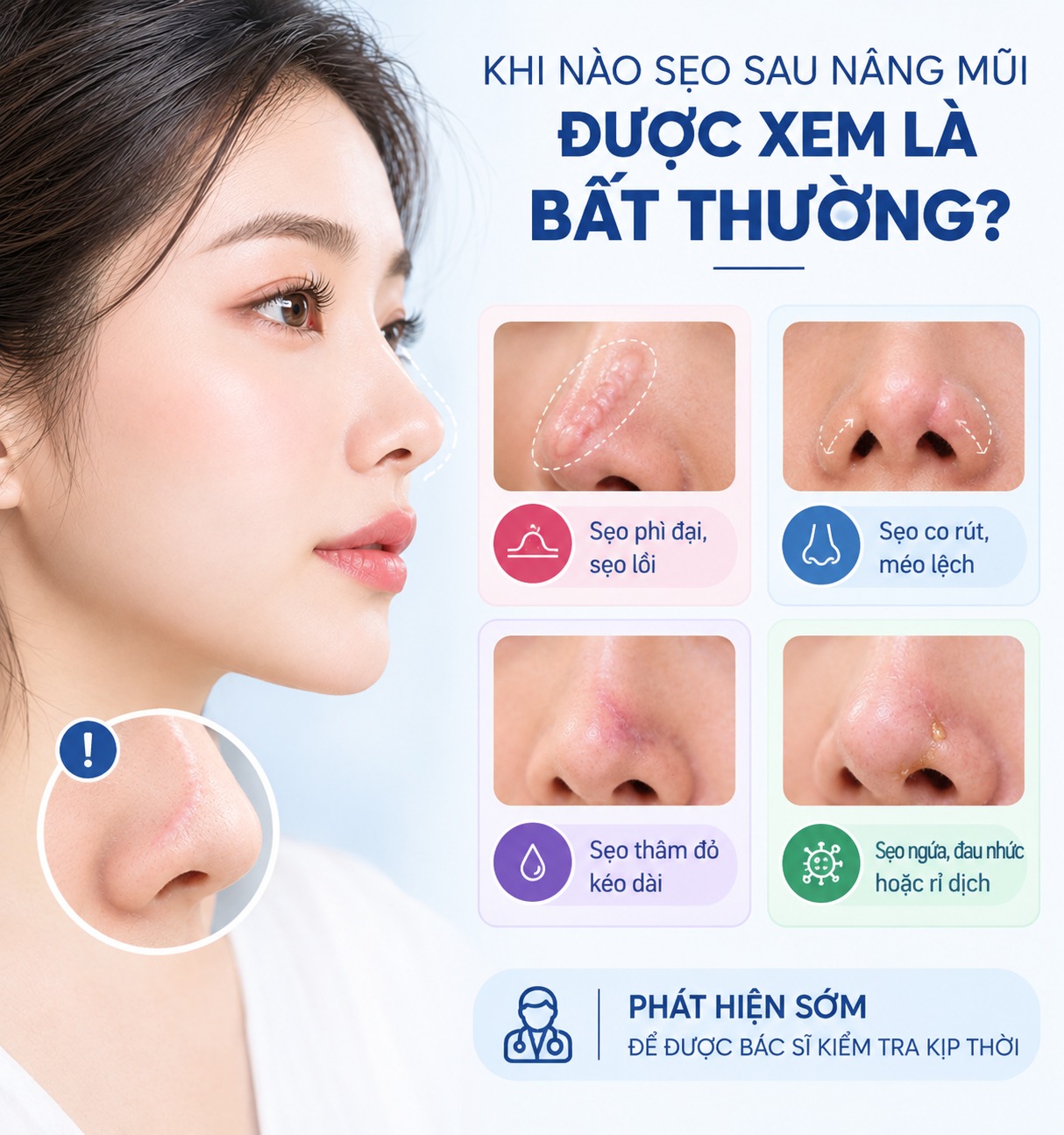
Post-surgical scarring is considered abnormal and warrants an immediate medical evaluation if any of the following signs appear:
- Hypertrophic or keloid scars: The incision line becomes raised, protruding significantly above the skin’s surface, with a tendency to spread beyond the original boundaries of the incision.
- Contracted or distorted scars: The scar tissue causes retraction, leading to the deformation of the nasal alae (nostril wings), pulling the columella (the tissue between the nostrils) out of alignment, or resulting in asymmetry between the two nostrils.
- Persistent red or dark-pigmented scars: The incision line remains swollen, intensely red, or unusually dark-pigmented for 3–6 months without any signs of fading.
- Itchy, painful, or weeping scars: The scar is persistently painful or intensely itchy, or shows signs of pus formation or fluid discharge—indicators of a potential infection or an allergic reaction to the cartilage implant material.
Guide to proper care and application of scar treatment cream
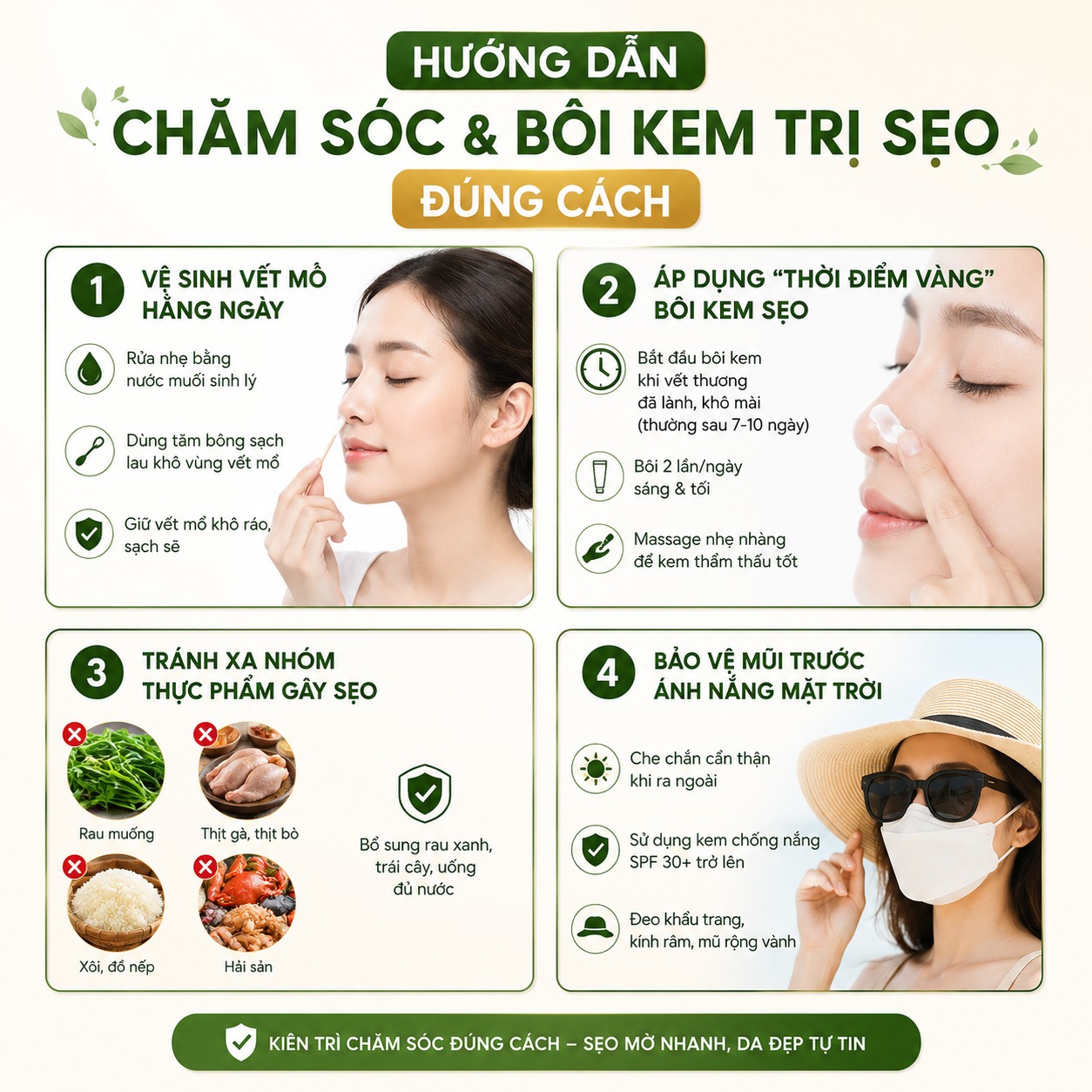
Post-operative care following a rhinoplasty significantly influences the aesthetic appearance of the incision. To ensure the wound heals quickly and leaves no visible traces, you should keep the following guidelines in mind:
Clean the surgical wound daily
In the initial days, use a cotton swab moistened with saline solution to gently clean around the suture line, removing any debris or secretions.
Keep the wound dry at all times; ensure that no water comes into contact with your nose before the stitches are removed.
Applying scar cream at the “golden moment”
Begin applying scar treatment cream only after the stitches have been removed (around day 7–10) and the wound has completely closed.
Never apply the cream while the incision is still open or draining fluid. When applying, use only a pea-sized amount and gently pat it into the skin rather than rubbing it in vigorously.
Avoid food groups that cause scarring
For the first month, you must strictly avoid water spinach (which can cause keloid scars), beef (which can darken the incision site), seafood, glutinous rice-based dishes, and chicken (all of which can lead to pus formation, itching, and delayed wound healing).
Protecting your nose from the sun
Protect yourself carefully by wearing a thick face mask or a wide-brimmed hat when going outside, and apply sunscreen to the nose area once the wound has completely healed.
Scar-concealing suturing procedure at Dr. Xuan Quan Aesthetics
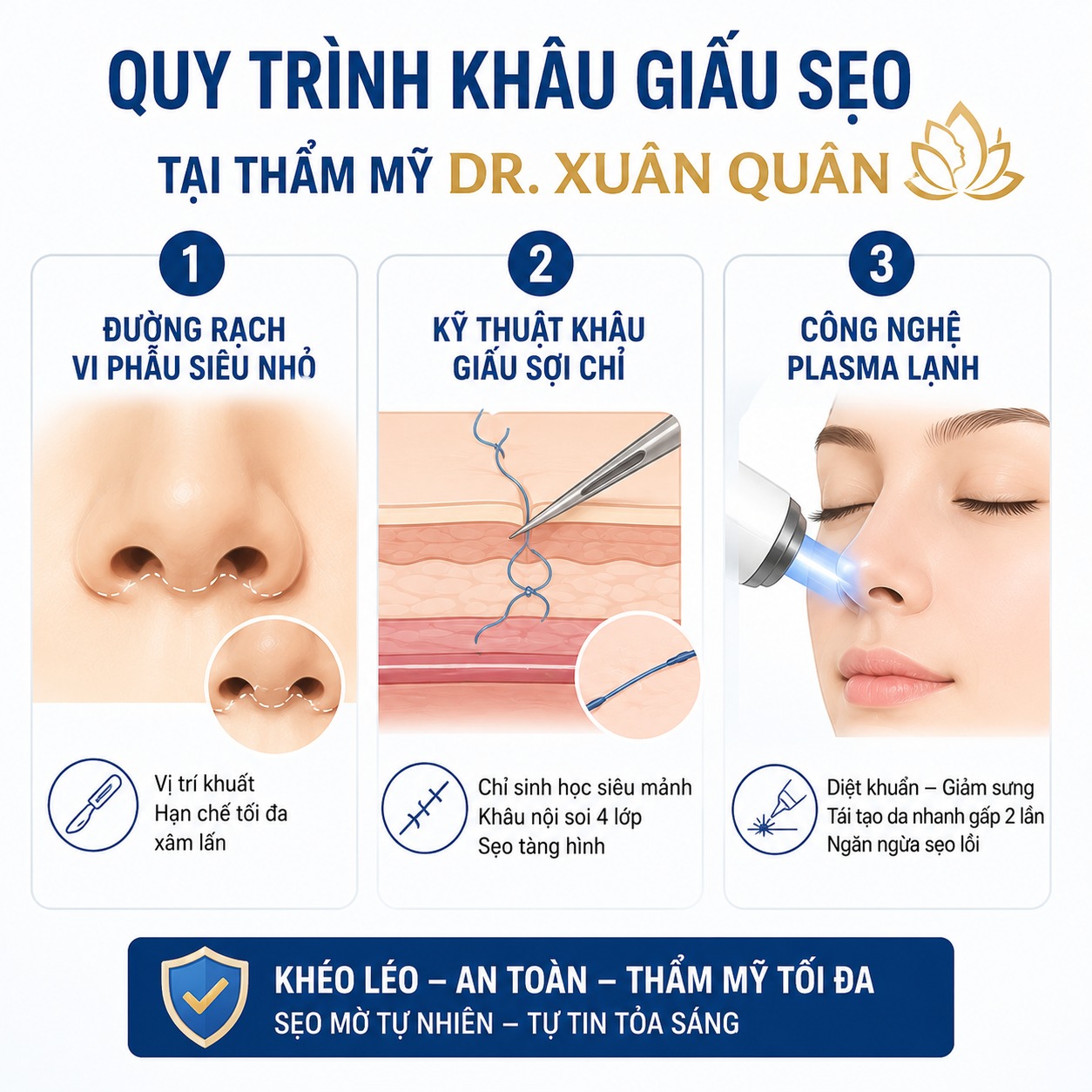
At Dr. Xuan Quan Aesthetic Clinic, concerns regarding post-operative scarring are completely eliminated through proprietary technology and specialized “hidden-scar” suturing techniques, ensuring an optimal aesthetic outcome for every client:
- Ultra-fine microsurgical incisions: Surgeons create exceptionally thin, precise incisions in discreet locations—such as within the natural folds of the columella or along the base of the nostrils—minimizing invasiveness and protecting surrounding tissue.
- Hidden-suture aesthetic technique: Using ultra-fine, biocompatible sutures—thinner than a human hair—surgeons employ a sophisticated 4-layer suturing method. This technique aligns the skin edges with perfect smoothness, rendering scars virtually invisible once healed.
- Cold Plasma therapy: Immediately following the procedure, clients receive exclusive Cold Plasma treatment. This technology eliminates bacteria, reduces swelling, and accelerates skin cell regeneration by a factor of two; this shortens the wound-closure period and proactively prevents the formation of hypertrophic (raised) scars.
Frequently asked questions about how long it takes for scars to fade after rhinoplasty
Below are brief answers from Dr. Xuan Quan to some of the most frequently asked questions:
Does an open-approach structural rhinoplasty leave permanent scarring?
No. Although an incision is made on the columella (the tissue between the nostrils), when sutured skillfully using specialized cosmetic thread, the incision line will gradually fade and become completely hidden within the natural contours of the nose after 3–6 months.
Is it a problem if the incision site appears pink or red after the stitches are removed?
This is entirely normal. It is simply a phase where new skin is regenerating and developing blood vessels to heal the wound. This pinkish tone will fade to match your natural skin color within 1–2 months.
Does itching along the incision line after rhinoplasty indicate the development of a keloid scar?
Not necessarily. Itching (which typically occurs between the 2nd and 4th week) is a normal physiological response as new skin forms and sensory nerve fibers recover. You must avoid scratching the area; instead, gently pat it or apply the prescribed moisturizer or scar-care cream.
The information above addresses common concerns regarding how long it takes for scars to fade after rhinoplasty, along with care methods to help the incision site become virtually invisible. If you have concerns about your specific skin type or would like to learn about our exclusive microsurgical, “hidden-scar” suturing technique, please contact Dr. Xuan Quan Aesthetic Clinic for a consultation and prompt assistance!