Tiếng Việt
How long does it take for perineal cosmetic repair to heal? Typically, the incision site shows significant recovery after 2 – 4 weeks and requires 6 – 8 weeks to fully stabilize. However, the healing time depends on individual physiology and post-operative care. In this article, join Dr Xuan Quan Clinic in exploring the recovery process and tips to promote faster healing.
How long does it take for perineal cosmetic repair to heal?
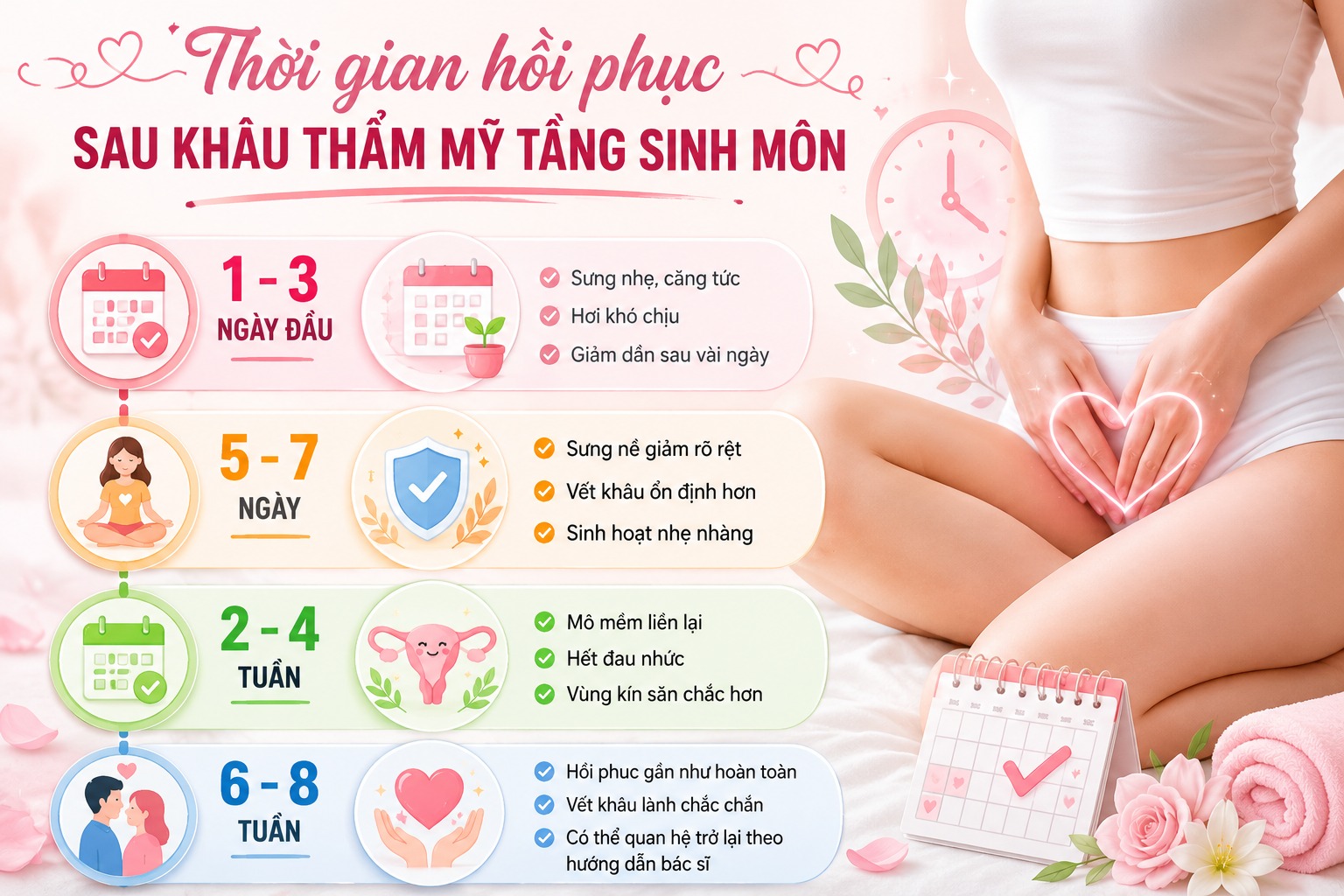
The healing time for perineal cosmetic repair depends on individual physiology, the surgical technique used, and post-operative care. However, most patients follow this general recovery timeline:
- Days 1 – 3: This is the initial phase where the body reacts to the procedure. The perineal area may experience mild swelling, tightness, or slight discomfort when sitting or walking. These symptoms are completely normal and usually subside after the first few days.
- Days 5 – 7: Swelling improves significantly, and the incision site begins to stabilize. Most women can resume normal daily activities and light work, though strenuous physical activity or heavy lifting should still be avoided.
- Weeks 2 – 4: The wound enters a stage of substantial recovery. Soft tissues gradually knit together, and pain or discomfort largely disappears. This is also when many patients notice a clear improvement in the firmness of the perineal area.
- Weeks 6 – 8: This marks the stage of near-complete recovery. Tissues have stabilized, the incision is firmly healed, and sexual activity can be resumed in accordance with the doctor’s instructions.
Tips for promoting rapid perineal healing
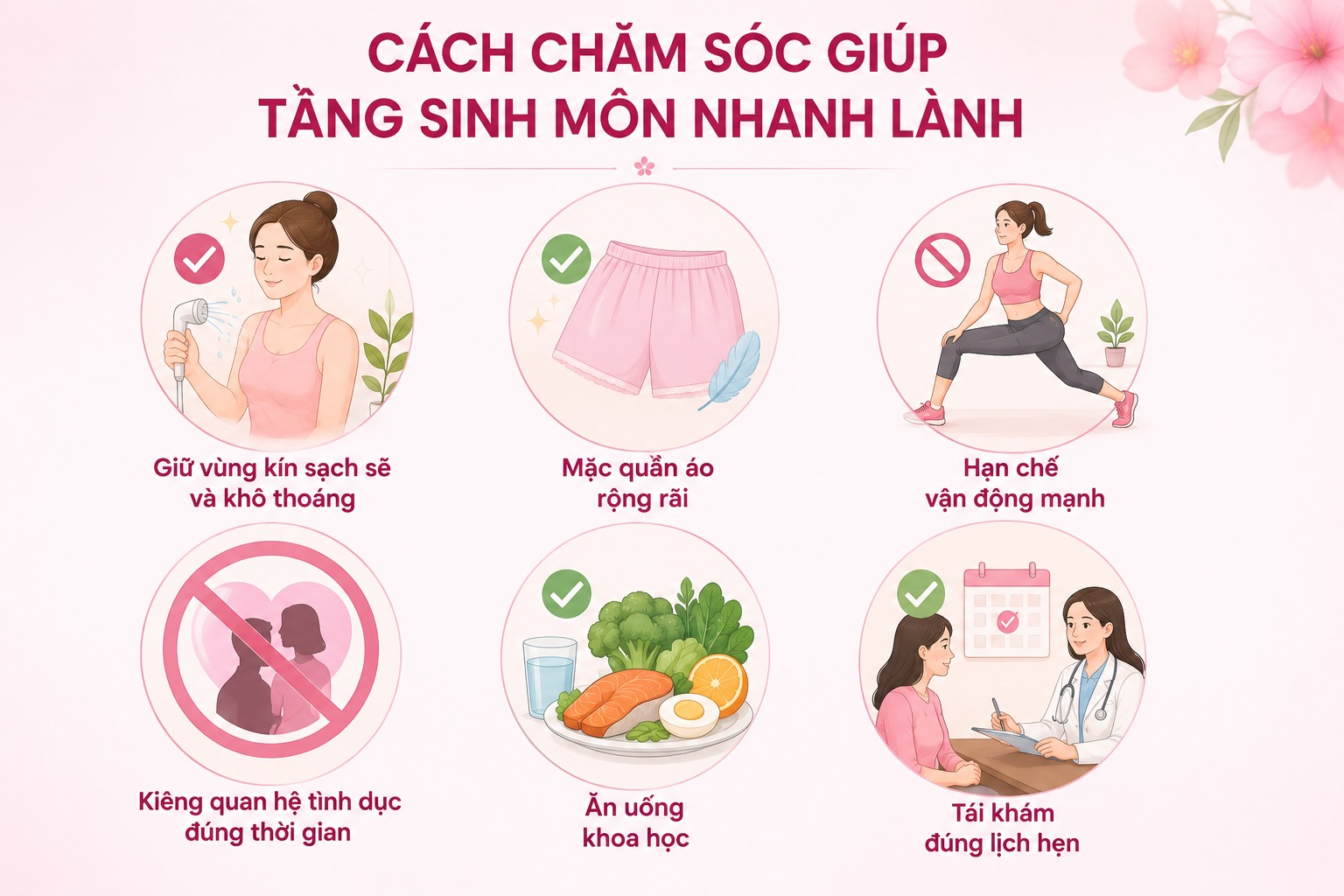
In addition to the surgeon’s skill and individual physiology, post-operative care directly influences the speed of recovery. To ensure the wound heals quickly and to minimize the risk of complications, women should keep the following in mind:
- Keep the intimate area clean and dry: Clean the area according to your doctor’s instructions, change pads frequently if necessary, and keep the surgical site dry. This helps reduce the risk of infection and supports the healing process.
- Wear loose-fitting clothing: Opt for comfortable, soft, and absorbent clothing. Avoid wearing overly tight trousers, as friction can delay the healing of the surgical site.
- Limit strenuous activity: During the first few weeks after surgery, avoid running, gym workouts, cycling, or lifting heavy objects. Excessive physical activity can increase pressure on the perineal area and affect the stitches.
- Abstain from sexual intercourse for the recommended period: In most cases, sexual activity should be avoided for 6 – 8 weeks, or until the doctor confirms the wound has fully healed. Resuming sexual activity too soon can cause pain, bleeding, or wound dehiscence (separation of the stitches).
- Maintain a healthy diet: Increase intake of protein-rich foods, Vitamin C, and green vegetables, and stay well-hydrated to support tissue regeneration. At the same time, limit alcohol, tobacco, and foods that may cause irritation, as advised by your doctor.
- Attend follow-up appointments: Follow-up visits allow the doctor to monitor recovery, assess results, and promptly address any abnormalities. This is a crucial step that is often overlooked after surgery.
Signs requiring immediate medical attention after perineal cosmetic surgery
It is normal to experience mild swelling and discomfort in the surgical area during the first few days. However, if any of the following abnormal signs appear, you should contact a doctor for a timely examination and treatment:
- Increasing pain and swelling: If pain worsens or swelling becomes abnormally severe after a few days, this could indicate inflammation or fluid accumulation.
- Prolonged bleeding: While a small amount of pale pink discharge is normal initially, heavy or persistent bleeding that shows no signs of subsiding requires prompt medical attention.
- Foul-smelling or abnormally colored discharge: Dark yellow or green discharge, or an unpleasant odor, may indicate an infection and should not be ignored.
- Fever or persistent fatigue: Fever, chills, or unusual fatigue following surgery may be signs of infection and require immediate medical evaluation.
- Separated sutures or stitches coming undone: If you notice the incision opening up or feel an unusual pulling sensation in the surgical area, contact your doctor immediately to address the issue and prevent compromising the cosmetic outcome.
Intimate cosmetic services at Dr Xuan Quan Clinic
Intimate cosmetic procedures not only enhance aesthetic appearance but also boost the confidence and quality of life for women – particularly those who have given birth or are experiencing vaginal laxity and aging. At Dr Xuan Quan Clinic, every client undergoes a thorough consultation to determine the most suitable procedure for their specific needs.

Direct examination and performance by the physician
Dr. Nguyen Xuan Quan personally assesses the degree of laxity and the condition of the intimate area tissues. He advises on the most suitable intervention plan to optimize aesthetic results while ensuring safety throughout the procedure.
Meticulous aesthetic suturing technique
The reshaping process is performed with great care to minimize trauma to surrounding tissues. This helps reduce swelling and pain, promotes rapid healing, and yields a more natural-looking result after recovery.
Strict sterile protocol
All instruments and the treatment area are sterilized according to medical standards, minimizing the risk of infection and unwanted post-operative complications.
Post-operative care and close monitoring
Following the procedure, clients receive detailed instructions regarding hygiene, lifestyle adjustments, and necessary precautions. The doctor also monitors the recovery process through scheduled follow-up visits to ensure stable, long-lasting results.
Transparent costs and clear consultation
All costs are clearly outlined prior to the procedure. Clients receive a thorough explanation of the method, recovery timeline, and post-operative care instructions, allowing them to make informed decisions that best suit their needs.

Frequently Asked Questions About Perineoplasty
Before undergoing the procedure, many women often wonder about recovery time, pain levels, and post-operative care. Below are the most common questions.
Is perineoplasty painful?
Local anesthesia is administered during the procedure, so patients feel little to no pain. After surgery, there may be a sensation of tightness or mild discomfort for the first few days.
How soon can I sit normally after perineoplasty?
Typically, after 1–3 days, patients can sit and walk around gently. Discomfort will gradually subside as recovery progresses.
How long should I wait before resuming sexual activity?
Most doctors recommend abstaining from sexual intercourse for 6–8 weeks, or until the surgical area has fully healed.
Does perineoplasty leave scars?
With proper technique and care, any resulting scars are usually very faint and barely noticeable after healing.
Do I need to take a long time off work after surgery?
Most patients can return to office work after a few days, provided their health is stable and the job does not require strenuous physical activity.
Does perineoplasty affect fertility?
No. The surgery affects only the soft tissues of the perineum and does not impact future pregnancy or fertility.
The healing time for perineoplasty depends on individual physiology, the surgical technique used, and post-operative care. Adhering to the doctor’s instructions will help the wound heal faster, minimize complications, and allow for a quicker return to normal activities.
If you would like a consultation regarding perineoplasty, please contact Dr Xuan Quan Clinic for an examination and a tailored treatment plan.