Tiếng Việt
Small habits like bending down to look at your phone or cleaning may seem harmless, but they directly affect the aesthetic results. The question “How long after rhinoplasty can I bend down?” is crucial to ensure the implant doesn’t shift or deform due to blood pressure and gravity. Dr Xuan Quan Clinic, with many years of specialized experience, will provide a medically approved recovery plan to achieve the best possible results.
How long after rhinoplasty can I bend down again?
The time it takes to comfortably bend down depends on the speed of bonding between the implant and the surrounding tissues. You should strictly follow the recovery plan below to ensure the nose shape achieves stability:
During the first 3-5 days
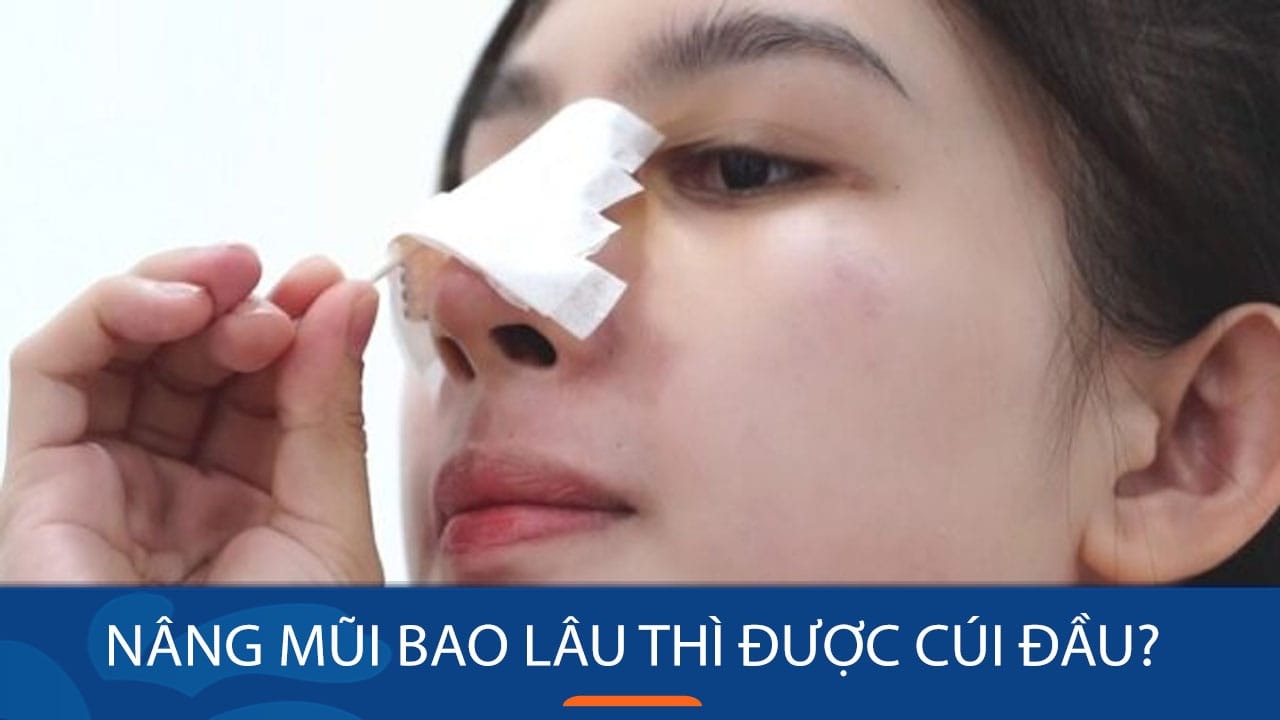
Absolutely do not bend your head down low. During this period, blood vessels are damaged, and the pressure of blood on the face when bending down can easily cause redness, swelling, bruising, or internal bleeding at the tip of the nose after rhinoplasty.
Post-Suture Removal Period (7-10 days)
You can slightly bend your head down for work or daily activities. However, you should still limit deep bending postures (such as bending down to pick up things, bending down to wash your hair) because the nasal structure is not yet completely fixed.
After 1 Month
This is a safe time for you to resume completely normal activities. At this point, the cartilage has firmly attached, the nose shape gradually becomes more elegant and natural, and it is no longer overly sensitive to sudden changes in pressure.
Important Note: Each person’s healing speed varies. Maintaining an upright posture with your back and head straight during the first month is key to achieving the best possible appearance.
Why should you avoid bending your head after rhinoplasty?
Avoiding bending your head is a crucial principle to protect the aesthetic results because bending your head too soon can have direct negative impacts on the nose:
- Increased blood pressure in the face: When bending your head low, the venous pressure in the head increases suddenly, causing the blood vessels in the newly operated nose to easily stretch. This leads to prolonged swelling, bruising, or redness at the tip of the nose due to blood pooling.
- Risk of displacement and misalignment of the nose: In the first few days, the cartilage implant has not yet firmly bonded with the surrounding muscle tissue. Gravity combined with the pressure when bending your head can cause the cartilage to slip or shift from its original position, losing its natural and elegant appearance.
- Increased risk of internal bleeding: The strong pressure from suddenly bending your head can rupture small blood vessel connections inside, causing bleeding or fluid accumulation, affecting the process of achieving stable and firm nasal shape.
- Slowing down the recovery process: Constant pressure on the nasal area makes it difficult for the soft tissues to close, prolonging the waiting time before stitches can be removed.

Medically Approved Postures to Help Your Nose Take Shape Quickly
To shorten recovery time and protect your nose shape, adjusting your daily postures is crucial. You should follow these golden rules:
Sleep with your back straight and your head elevated on pillows
For the first 1-2 weeks, always sleep on your back and use 1-2 pillows to elevate your head above your heart. This posture reduces blood pressure on the face, helps drain swelling faster, and helps your nose achieve a more refined and natural look sooner.
Avoid bending your head down when using electronic devices
Instead of bending your head down to look at your phone or computer, hold the device at eye level. This habit helps avoid pressure on the bridge of your nose and prevents redness at the tip of your nose due to blood pooling after rhinoplasty.
Safe Ways to Pick Up Objects
If you need to pick up an object from a low position, lower your knees (squat position) instead of bending over and bending your head down. Keeping your head straight helps the cartilage implant maintain its stability during the period before the stitches are removed.
Prioritize getting your hair washed at a salon (while lying down).
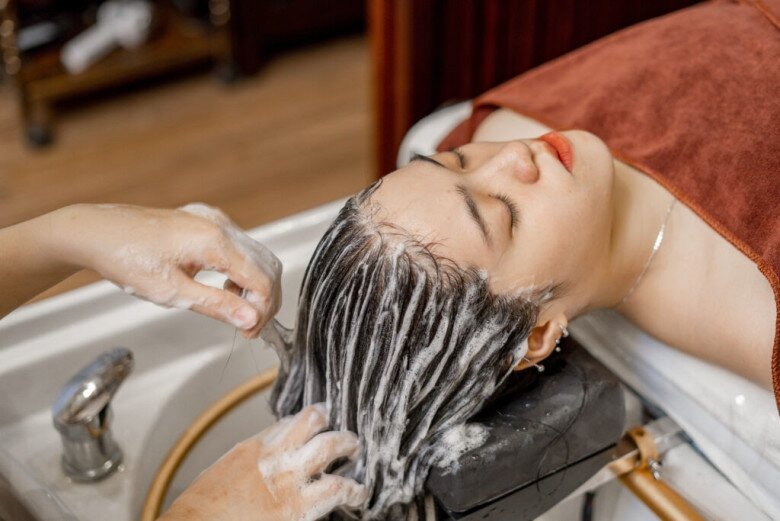
Absolutely avoid bending your head down to wash your hair under a shower at home. Lying on your back while getting your hair washed at a salon is the best way to keep the wound dry and avoid pressure from gravity.
Gentle movement, avoid pressure
Move slowly, avoiding forceful actions or impacts to the face to protect your best appearance. Good control of body movements will prevent the risk of sudden shocks affecting the unstable cartilage structure, helping the nose quickly take shape.
Reasons why customers completely trust the advice at Dr. Xuan Quan Clinic
Adhering to lifestyle principles such as how long after rhinoplasty you can bend your head down becomes easier with the support of a professional team. At Dr Xuan Quan Clinic, customers always feel secure thanks to a consultation process based on a solid medical foundation:
Leadership from leading experts
Dr. Xuan Quan, with nearly 10 years of experience and training abroad in countries like South Korea and Singapore, will directly guide the movement plan.
Deep understanding of anatomical structure helps the doctor give accurate advice for each stage of recovery.

Minimally Invasive Microsurgery Techniques
Thanks to modern dissection techniques, swelling and redness at the tip of the nose after rhinoplasty are minimized. This helps the nose shape quickly achieve stability and reduces the strict recovery time for clients.
Dedicated Post-operative Care System
After suture removal, clients are closely monitored by the nursing team. All questions regarding sleeping posture, work, or exercise are answered in detail to ensure the nose shape remains elegant and natural.
Long-Term Warranty and Peace of Mind
We believe that the most perfect beauty must go hand in hand with lasting results. With a 1-year professional warranty and a 5-year material warranty, Dr Xuan Quan Clinic affirms its responsibility and absolute support for each client on their journey to transform their appearance.

Questions Regarding Exercise After Rhinoplasty
To help you build a healthy lifestyle, Dr Xuan Quan Clinic answers the most common questions about exercise after surgery:
How long after rhinoplasty can I go to the gym or run?
For the first month, you should avoid strenuous activities such as running, jumping rope, or high-intensity gym workouts. Strenuous exercise increases heart rate and blood pressure, easily leading to redness or swelling at the tip of the nose after rhinoplasty.
After one month, when the nose has reached a stable and firm state, you can begin gentle exercise.
Is it okay to bend down to wash my hair immediately after the stitches are removed?
Even after the stitches have been removed after 7-10 days, the internal tissue connections are still very fragile. Bending down to wash your hair under the tap still carries the risk of displacing the cartilage due to gravity.
Ideally, you should continue washing your hair while lying down at the salon until your nose is one month old to ensure a refined and natural shape.
What if you accidentally bend your head down suddenly and feel pain in your nose?
If you bend down quickly and feel a slight sting but without swelling or bleeding, calmly monitor the situation and apply a gentle cold compress. However, if the nasal area shows signs of deviation or severe pain, contact a doctor immediately for timely examination to ensure the best possible appearance.
When can I play contact sports?
High-impact sports such as football, basketball, or martial arts should be avoided for at least 3-6 months. This is the necessary time for the nasal structure to truly withstand strong external impacts.
Above are detailed answers from Dr Xuan Quan Clinic regarding the question of how long after rhinoplasty you can bend your head down, along with important notes on daily activities. If you need further advice on post-operative exercise or want to have a long-lasting nose shape, please contact us for dedicated support.