Tiếng Việt
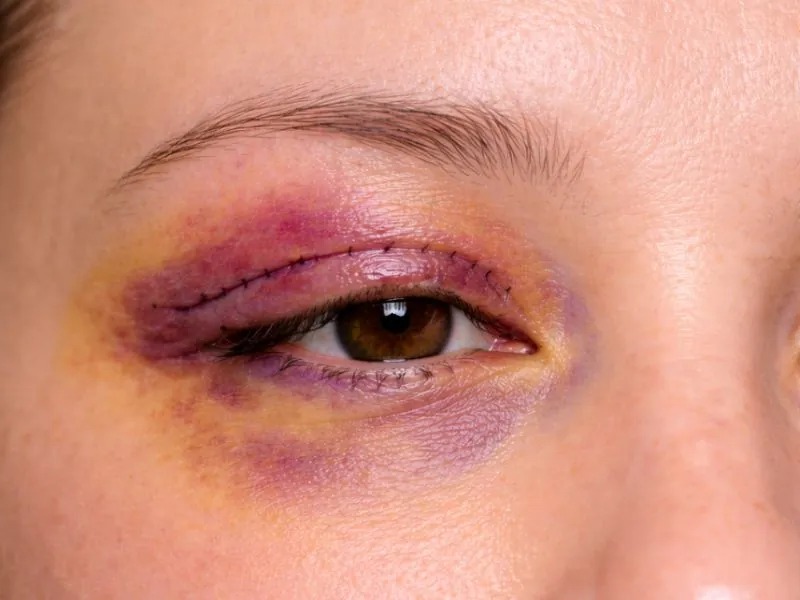
After eyelid surgery, many patients worry about bruising around the eyelids. So, is bruising after eyelid surgery dangerous? Is this a normal reaction or a sign of an abnormality? What should be done if the dark circles persist after eyelid surgery? This article from Dr Xuan Quan Clinic will help you understand the causes, proper care, and when to seek medical attention to ensure safe aesthetic results.
Is bruising after eyelid surgery dangerous?
In fact, bruising after eyelid surgery is a fairly common reaction and is usually not dangerous if it falls within the normal recovery range. The main causes include:
- Impact on small blood vessels under the skin during tissue dissection and processing;
- A predisposition to bruising or thin skin with sensitive capillaries;
- Incorrect post-operative care, such as not applying cold compresses early or an unhealthy lifestyle;
- Strenuous activity, prolonged bending, or impact to the eye area in the first few days.
Typically, bruising will:
- Be most noticeable in the first 2-5 days;
- Gradually decrease after 7-14 days;
- Stable after about 2-3 weeks depending on individual constitution.
If the bruising is mild and decreases daily, you don’t need to worry too much. However, if the bruising spreads unusually, pain increases, or lasts longer than 3-4 weeks, you should see a doctor for examination and timely treatment.
What should I do if I have bruising after eyelid surgery to recover quickly?
With proper care from the start, bruising can significantly improve in just 7-10 days. Here are some important guidelines you should follow:
Apply cold compresses at the right time and with the right technique
For the first 1-2 days, cold compresses help constrict blood vessels, reduce swelling, and limit the spread of bruising.
- Do not place ice directly on the skin.
- Apply gently for 10-15 minutes at a time.
- Repeat several times a day as directed by your doctor.
Applying cold compresses at the right time is crucial in controlling bruising. After 48 hours, you can switch to a gentle warm compress to stimulate blood circulation and help the bruise heal faster.
Take your medication and attend follow-up appointments as scheduled
Doctors often prescribe anti-inflammatory and anti-edema medications to control swelling and bruising. Taking the medication at the correct dosage helps limit inflammation and reduce the risk of prolonged hematoma. Therefore:
- Do not self-medicate with aspirin or anticoagulants.
- Do not skip doses.
- Attend follow-up appointments as scheduled so your doctor can assess your recovery.
Close monitoring allows for timely intervention if any abnormalities occur.
Restricted movement can increase pressure in the eye area
During the first week, the capillary system around the eyelids is still sensitive. If you engage in strenuous activity, bend your head down for extended periods, or experience excessive stress, the increased blood pressure can cause the bruised area to darken.
You should:
- Avoid high-intensity exercise
- Limit prolonged periods of bending your head down
- Avoid rubbing your eyes or applying strong pressure to your eyelids
- Limit prolonged use of phones and computers for the first few days
These small adjustments will allow the injured area more time to heal properly.
Adjust your diet to help with bruising
Diet directly affects the healing process. If you experience bruising after eyelid surgery, you should:
- Increase your intake of foods rich in vitamin C (oranges, guavas, kiwis)
- Add more green vegetables and drink plenty of water
- Eat protein-rich foods to help regenerate tissue
At the same time, you should limit seafood, sticky rice, beef (which may worsen bruising in some individuals), as well as alcohol and stimulants. A suitable diet will help the bruising fade faster and limit post-inflammatory hyperpigmentation.
Rest properly and get enough sleep
Sleep plays a crucial role in the recovery process. You should:
- Get 7-8 hours of sleep each day
- Elevate your head with a pillow at an angle of 30-45 degrees when lying down
- Avoid staying up late for extended periods
Elevating your head helps reduce fluid retention, minimize swelling, and improve blood circulation, thereby shortening the bruising time.

Reputable address for eye plastic surgery
Dr. Xuan Quan Aesthetic Clinic is trusted by many clients thanks to its team of highly specialized eye surgery specialists who directly examine and perform surgeries. With practical experience in numerous eye cosmetic procedures, from basic to corrective eyelid surgeries, each surgery here is designed with a personalized approach, prioritizing safety, accuracy, and long-lasting results.
- Specialized Eye Surgery Specialists: Accurately analyze the anatomical structure of the eyelid area, control the appropriate tissue dissection, and minimize damage to blood vessels – a factor that can increase the risk of severe bruising after eyelid surgery.
- Modern Equipment: Supports clear tissue dissection, precise manipulation, and meticulous cosmetic suturing to reduce the risk of scarring and prolonged post-operative bruising.
- Standard Medical Procedures: Sterile operating rooms and strict adherence to surgical safety procedures minimize post-operative risks.
- Close Post-operative Monitoring: Sutures are removed after 7 days, and recovery progress is monitored regularly. Results last an average of 5-10 years depending on individual factors, with a 6-month warranty as per regulations.
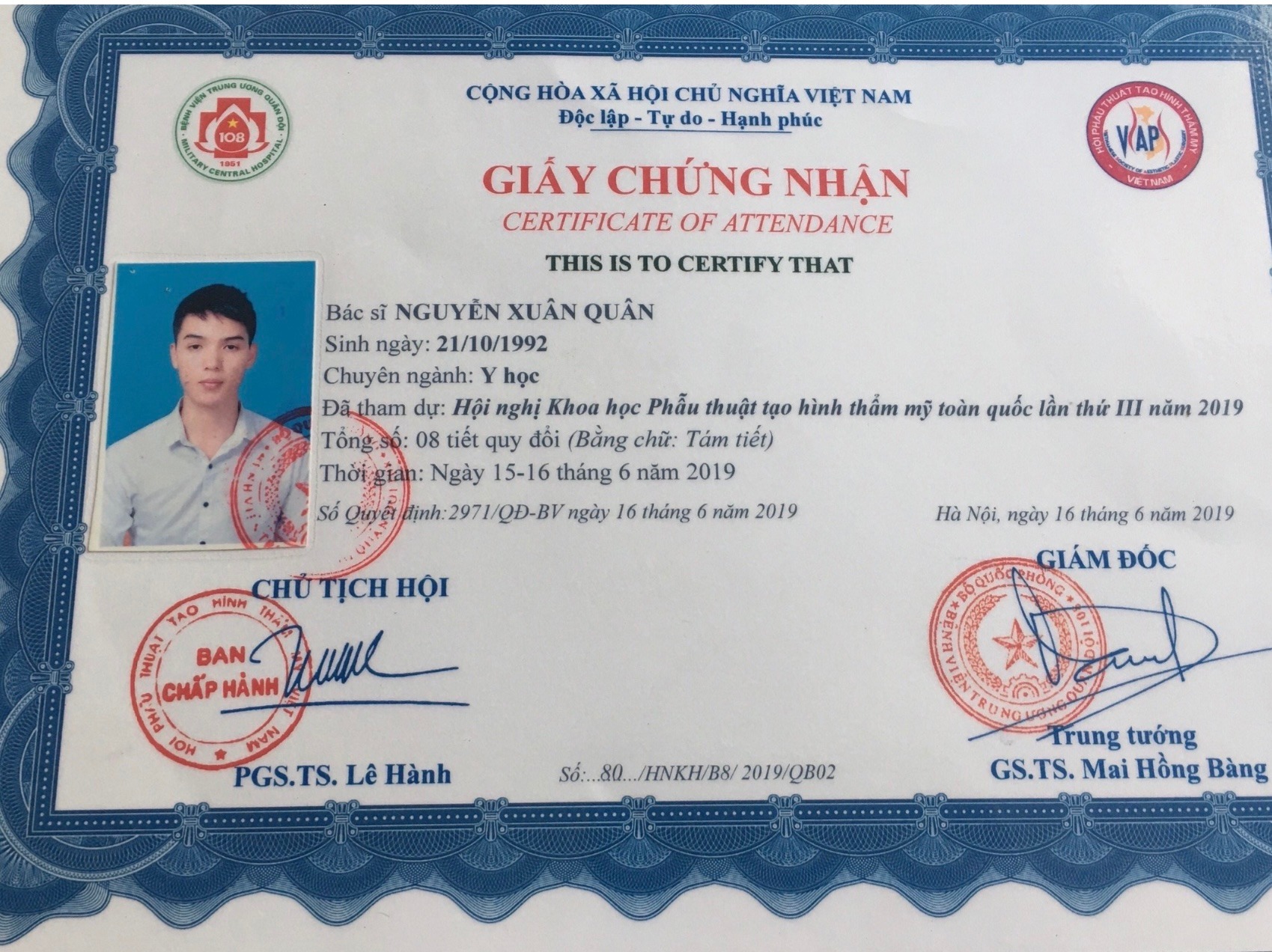

If you are considering eye area enhancement or are concerned about bruising after eyelid surgery, an early consultation with a specialist is essential. Signing up for a direct consultation at Dr. Xuan Quan Aesthetic Clinic will allow you to receive an accurate assessment of your current condition and develop a safe and personalized treatment plan.
Frequently asked questions about bruising after eyelid surgery
After learning about the causes and care, many people still have concerns about the safety and recovery time of bruising after eyelid surgery. Below are some common questions to help you understand more before and after the surgery.
How long does it take for bruising after eyelid surgery to disappear?
Typically, bruising is most noticeable in the first 3-5 days and gradually decreases after 7-14 days. Depending on individual factors, the skin around the eyes may completely stabilize after about 2-3 weeks.
What should I do if the bruising after eyelid surgery doesn’t go away?
If after 3-4 weeks the bruising is still dark, accompanied by increased swelling or pain, you should see your doctor for a check-up. Early treatment helps avoid the risk of prolonged hematoma or post-inflammatory hyperpigmentation.
Is dark circles under the eyes after eyelid surgery due to surgical errors?
It’s not always due to technique. Most cases of dark circles after eyelid surgery are related to individual factors, thin skin, or improper post-operative care. However, incorrect dissection techniques can increase the risk of more bruising than normal.
Does excessive bruising affect the results of eyelid surgery?
In most cases, bruising is only a temporary reaction and does not affect the long-term shape of the eyelids if properly cared for.
When should you see a doctor immediately?
You should seek medical attention early if you experience:
- Unusual widespread bruising
- Swelling, stiffness, and increasing pain
- Redness, heat, or discharge from the eyelid area
Changes in vision
Prompt detection and treatment help protect both eye function and aesthetic results.
In summary, this article has helped you understand the causes of bruising after eyelid surgery, differentiate between normal and abnormal levels, and learn how to properly recover from bruising. If, during the recovery process, you experience widespread bruising, increased pain, or unusually prolonged discoloration, you should seek medical attention early for timely examination and intervention to protect the long-term aesthetic results.