Tiếng Việt
With over 15 years of in-depth experience in the field of cosmetic eye surgery, Dr Xuan Quan Clinic has successfully performed thousands of ptosis correction surgeries, ranging from mild to complex cases, including congenital and age-related ptosis. This article will provide expert insights, helping you understand the causes and standard medical treatment procedures.
What is droopy eyelid?
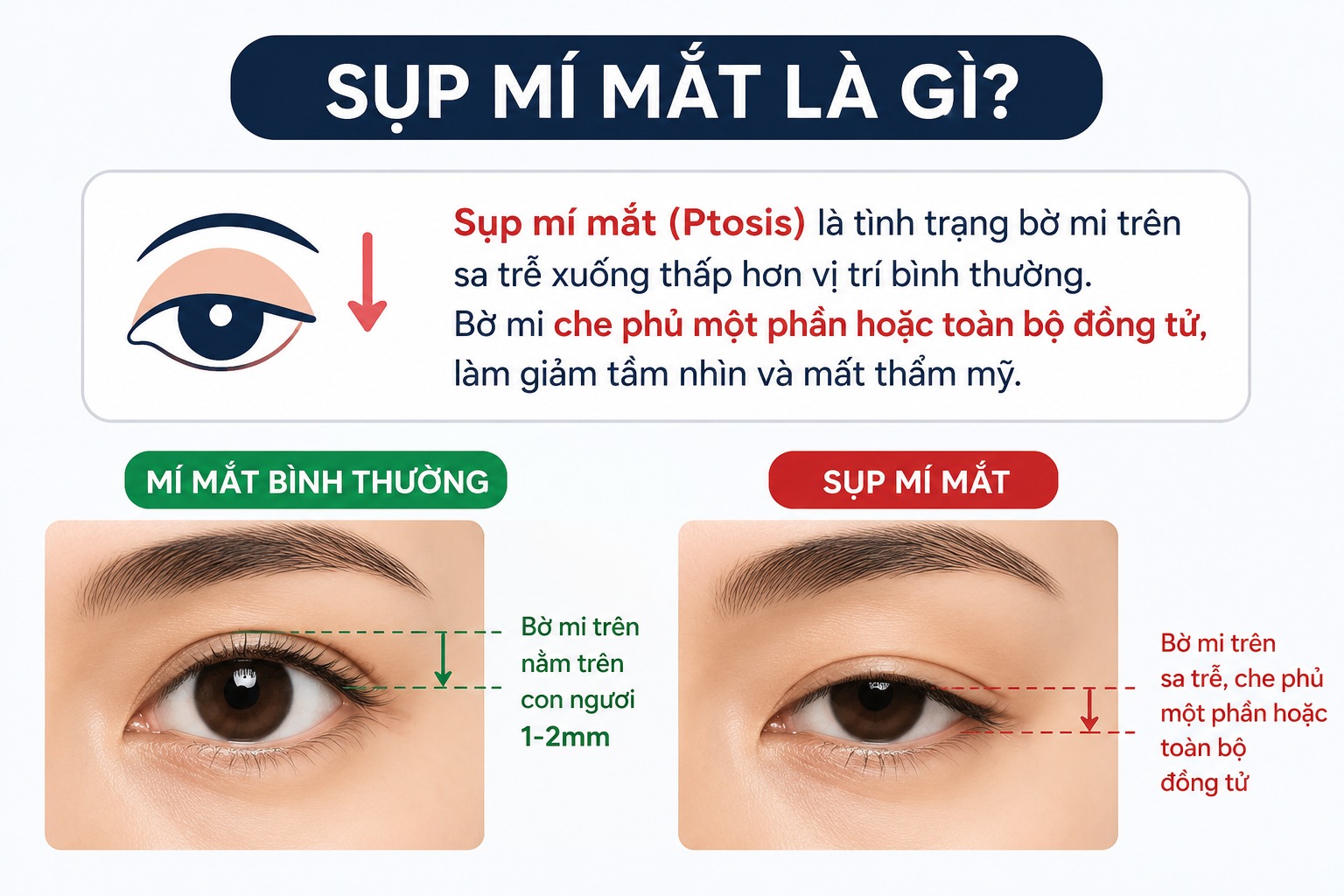
Ptosis (or ptosis in medical terms) is a condition where the upper eyelid droops lower than its normal position. Instead of resting about 1-2mm above the pupil, the eyelid now covers a significant portion or even the entire pupil.
Accurate identification signs
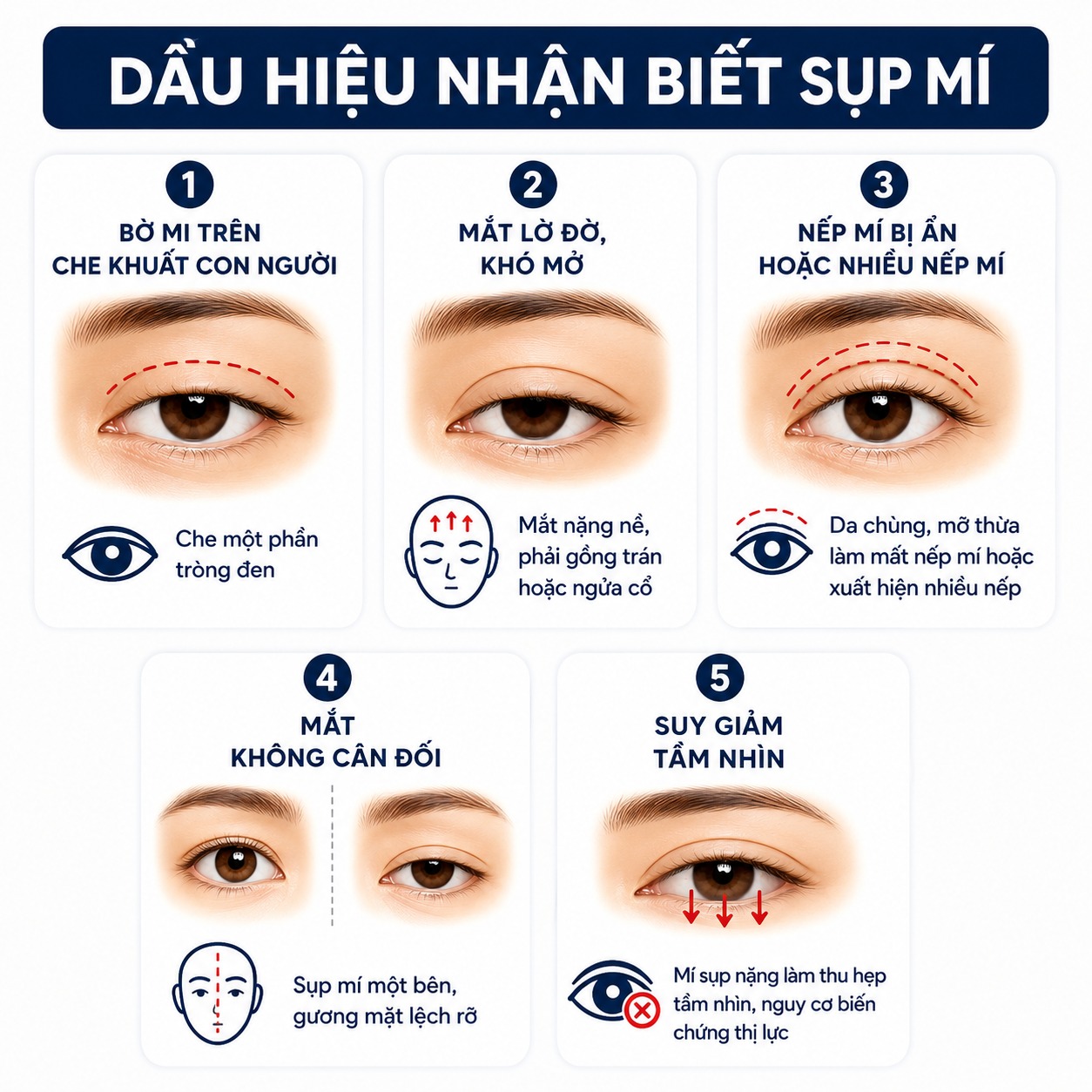
Based on his experience examining thousands of cases, Dr. Xuan Quan classifies ptosis (drooping eyelid) based on the following characteristic signs:
- Upper eyelid obscuring the pupil: Uneven eyelid crease, drooping eyelid covering part of the iris, making the eyes appear smaller and tired.
- Dull, tired eyes: The eye area always feels heavy. Patients have to strain their forehead muscles or tilt their heads back to see, gradually creating deep wrinkles on the forehead.
- Hidden or multiple eyelid creases: Sagging skin and excess fat accumulation obscure the natural eyelid line, resulting in multiple overlapping folds or causing the eyelid to droop completely.
- Asymmetrical eyes: Drooping eyelids occurring on one side cause a noticeable asymmetry of the face (one eye is large and round, the other is small and dull).
- Reduced vision: Severe drooping eyelids narrow the upper field of vision; if left untreated, it can lead to visual complications such as amblyopia (lazy eye).
Causes of drooping eyelids
Accurately identifying the cause is the most important step in the treatment process. Below are the main culprits causing the most common drooping eyelid condition today:
Droopy eyelids due to aging (Most common)
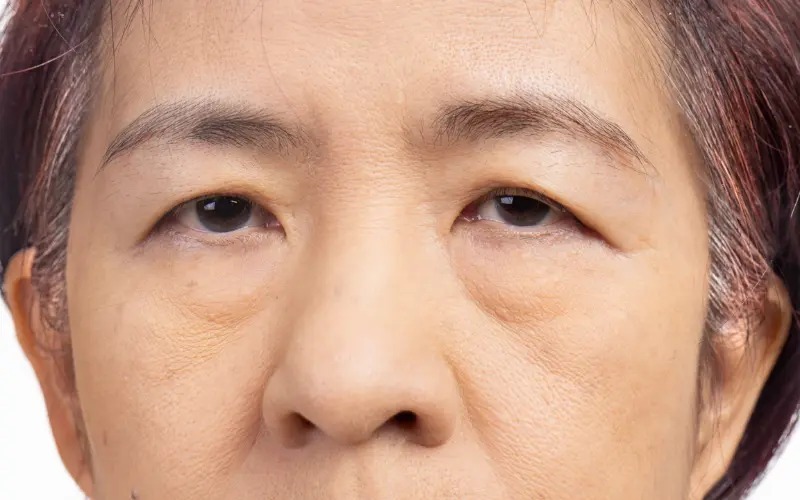
This is a leading cause of sagging in middle-aged and older adults. Over time, collagen and elastin decrease, causing the skin around the eyes to become loose and droopy.
- Symptoms: Excess skin accumulates, forming fatty deposits and folds that weigh down the upper eyelids, causing them to droop.
- Consequences: Makes the face look older and obstructs peripheral vision.
Congenital ptosis
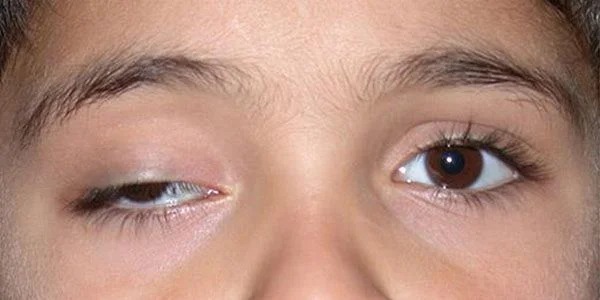
This condition is present from birth due to incomplete development of the levator muscle.
- Mechanism: The levator muscle fibers are replaced by fatty or fibrous tissue, causing the muscle to weaken and become insufficient to support the eyelid.
- Note: If left untreated, congenital ptosis can lead to amblyopia and strabismus in children.
Due to lifestyle habits and external factors
Seemingly harmless daily habits can accelerate the drooping eyelid process:
- Frequent late nights: This causes the eyes to over-adjust, tiring the eye muscles and accelerating aging of the skin around the eyes.
- Overuse of eyelid tape: Regularly stretching the skin around the eyes to apply/remove eyelid tape causes the skin in this area to lose elasticity, leading to premature drooping eyelids in young people.
- Sunlight exposure: UV rays damage the skin structure, making the skin around the eyes thinner and more prone to sagging.
Due to injury or surgical complications
Some cases of ptosis occur after strong impacts to the eye area that damage the levator muscle or the controlling nerve. Additionally, undergoing cosmetic eye procedures at unreliable facilities, involving excessive intervention, or using incorrect techniques are also common causes of secondary ptosis.
Due to muscle and nerve disorders
Although less common, drooping eyelids can be a symptom of serious medical conditions such as:
- Myasthenia gravis: An autoimmune disease that affects the ability of nerves and muscles to transmit signals.
- Cranial nerve III palsy: Causes loss of control over the muscles that move the eyeballs and the levator muscle of the eyelid.
Effective methods for correcting drooping eyelids currently available
Depending on the severity of drooping eyelids and individual needs, we can choose from natural home remedies to advanced cosmetic procedures. Doctors always encourage clients to do thorough research to make the most suitable choice.
Home remedies for drooping eyelids
If droopy eyelids are newly appearing due to fatigue, lack of sleep, or are very mild, you can try the following methods:
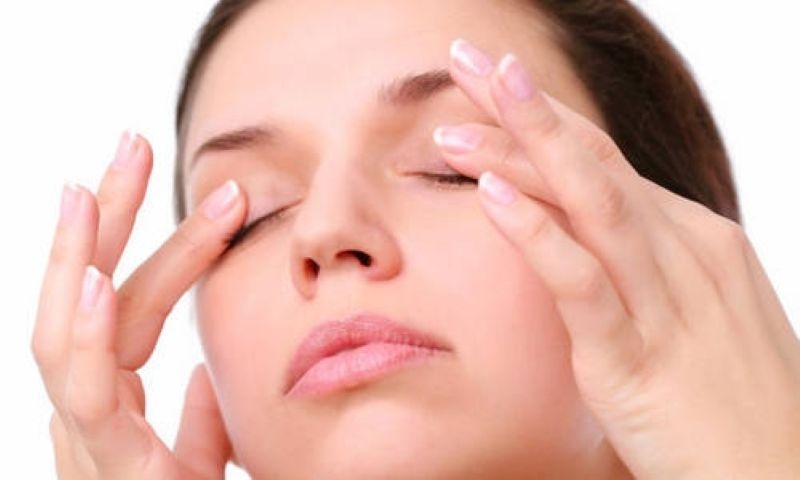
- Massage and eye muscle exercises: Movements such as looking upwards while gently lifting the eyebrow area with your fingers help improve blood circulation and support the eyelid lifting muscles to function more flexibly.
- Healthy lifestyle: Get enough sleep (7-8 hours/day), limit prolonged use of electronic devices, and supplement with foods rich in Vitamins A and E to help firm the skin around the eyes and reduce droopy eyelids due to premature aging.
- Use temporary support tools: Eyelid lifting tapes or eyelid glue can help lift the eyelids immediately. However, do not overuse these products because frequent stretching of the eyelid skin will worsen the droopy eyelid condition over time.
Advanced cosmetic interventions (The optimal and sustainable solution)
For ptosis caused by congenital factors, severe aging, or weakened levator muscle, natural methods often don’t yield significant results. In these cases, medical intervention is necessary:
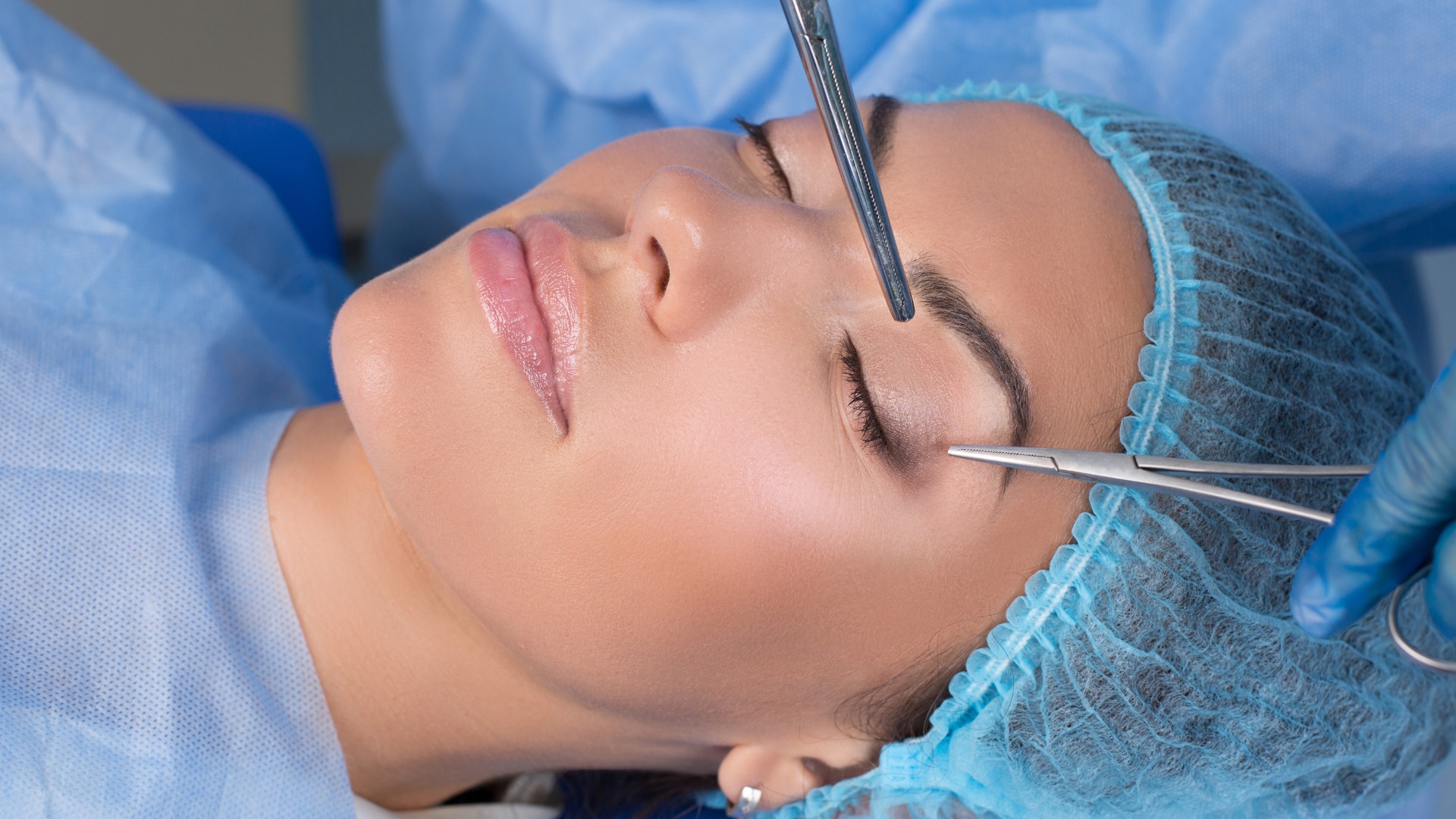
- Advanced blepharoplasty – Removal of excess skin and fat: The perfect solution for age-related ptosis. The doctor will remove the excess skin weighing down the eyelids and create a new, sharp eyelid crease, making the eyes look 5-10 years younger.
- Leptor muscle reshaping – Restoring eye opening strength: This is a difficult technique that directly affects the thinned or weakened muscle. The doctor will skillfully tighten the levator muscle to naturally widen the eyelid margin, eliminating droopy eyes without causing bulging.
- Leptor muscle suspension with support materials: For severe congenital ptosis cases. The doctor uses specialized bioabsorbable sutures or a muscle flap to connect the eyelid to the frontal muscle, making eye opening easier and completely freeing up vision.
Why should you choose Dr Xuan Quan Clinic for your drooping eyelid treatment?
Treating droopy eyelids is a cosmetic procedure requiring a deep understanding of the anatomy of the levator muscle system. Among hundreds of beauty clinics, Dr. Xuan Quan Aesthetics is proud to be a reputable address trusted by thousands of customers thanks to the following distinctive values:
Experienced, internationally trained specialists: Customers are examined and treated directly by Dr. Nguyen Xuan Quan – a new generation expert from Hanoi Medical University. With nearly 10 years of experience and training in Korea and Singapore, the doctor always applies the most modern techniques to thoroughly treat all levels of droopy eyelids.

Standard medical procedures, minimally invasive: The entire procedure takes place in a strictly sterile environment. Thanks to skillful hands and modern technology, treatments here minimize swelling and bruising, with ultra-fine incisions along the eyelid crease, ensuring no unsightly scarring and rapid recovery.
Dedicated post-operative care & reliable warranty: Each client receives a personalized post-operative care plan, with close 24/7 support from the nursing team until the eyes are fully recovered. In particular, Dr. Xuan Quan Aesthetic Clinic guarantees clear results, providing absolute peace of mind and lasting beauty.

Cost of eyelid surgery at Dr Xuan Quan Clinic
Dr. Xuan Quan Aesthetic Clinic bases the cost of ptosis surgery and eye reshaping on the complexity of each clinical case (congenital ptosis, age-related ptosis, or correction of failed ptosis). We are committed to competitive pricing coupled with medical-grade service quality and professional after-sales support.
| Category | Specific services | Price |
| Upper eyelid surgery | Upper eyelid surgery / Lower eyelid lift / Under 40 years old | 300$ |
| Upper eyelid surgery (40–49 years old) | 340$ | |
| Upper eyelid surgery (50–59 years old) | 380$ | |
| Upper eyelid surgery (≥60T) | 418$ | |
| Eyelid surgery | Difficult eyelid surgery (eyelid revision, scarred eyelids, drooping eyelids) | 450$ |
| Lower your eyes wide open | Lowering the head | 570$ |
| Eyelid fat grafting | Eyelid fat grafting | 300$ |
| Lower eyelid surgery | Chin muscle blepharoplasty – Lower eyelid lift with fat repositioning | 570$ |
| Eyebrow lift | Eyebrow lift and frontal muscle suspension | 450$ |
| Eyebrow lift | 300$ | |
| Eyelid surgery | Eyelid surgery | 190$ |
| Remove the sutures from the eyelid lift | 70$ |
Special features:
- Rapid recovery process: Thanks to Dr. Nguyen Xuan Quan’s minimally invasive techniques, clients only need 7 days to have their stitches removed. Wounds heal quickly, and eyelid creases stabilize early, allowing you to confidently return to work and daily activities.
- Reliable warranty: To affirm the quality of service, Dr. Xuan Quan applies a comprehensive 6-month warranty policy. Any technical issues or asymmetry during the stabilization period will be handled with dedicated support.
- Long-lasting results: With precise intervention on the levator muscle structure and the removal of excess skin in the correct proportion, the aesthetic results of eye surgery here can last from 5 to 10 years (depending on individual factors and the rate of natural aging), helping you maintain youthful eyes for a long time.
Frequently asked questions about droopy eyelids
During the consultation, Dr Xuan Quan Aesthetic Clinic has compiled and answered the most common questions to help you have an accurate understanding before deciding on treatment:
Is eyelid surgery for drooping eyelids painful?
Before the procedure, the doctor will administer local anesthesia to the eye area using specialized techniques, ensuring the patient is completely comfortable and experiences no pain.
After surgery, the eyes may be slightly swollen for the first 1-2 days, but this feeling will quickly disappear with proper aftercare instructions.
Does eyelid surgery affect vision?
Absolutely not. On the contrary, technically correct intervention on the levator muscle helps to free up obstructed vision, allowing the eyes to see more easily.
At Dr. Xuan Quan Aesthetic Clinic, the standard medical procedure ensures absolute safety for the eyeball and optic nerves.
What dietary restrictions should I follow after ptosis surgery?
To help your eyelids heal quickly and prevent scarring, you should avoid foods that can cause keloid formation, such as water spinach, beef, sticky rice, and seafood, for the first 2-4 weeks.
Also, avoid direct sunlight and refrain from rubbing your eyes vigorously.
Above is detailed information about drooping eyelids, their causes, signs, and the most effective treatment methods currently available. If you are experiencing congenital or age-related drooping eyelids, please contact Dr. Xuan Quan Aesthetic Clinic immediately for a direct examination and the most optimal treatment plan.