Tiếng Việt
Discovering a cervical polyp during pregnancy often causes anxiety for expectant mothers regarding both their own health and that of the fetus. While most polyps are benign, they can still pose certain risks during pregnancy if left unmonitored. In this article, Dr Xuan Quan Clinic outlines the potential risks associated with this condition and offers important advice for maintaining a healthy pregnancy.
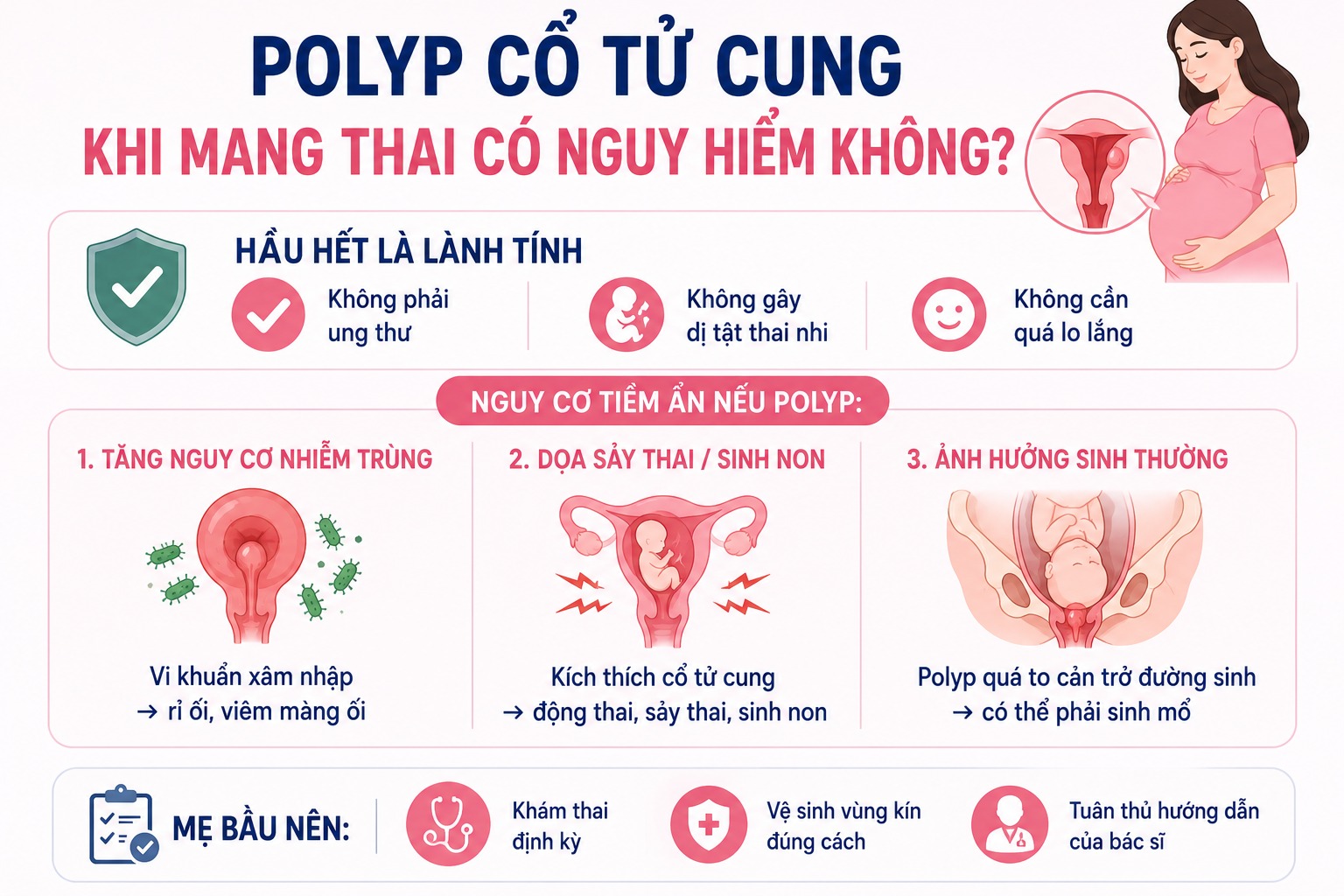
Are cervical polyps dangerous during pregnancy?
Most cervical polyps found during pregnancy are benign (non-cancerous) lesions and do not cause birth defects in the fetus. Therefore, expectant mothers need not be overly alarmed or stressed.
However, if a polyp is very large or severely inflamed, it can still pose certain risks to the pregnancy, including:
- Increased risk of infection: Necrotic or ulcerated polyps can harbor bacteria, potentially leading to ascending infections within the uterus and increasing the risk of amniotic fluid leakage or chorioamnionitis (inflammation of the fetal membranes).
- Threatened miscarriage or preterm birth: Large polyps can irritate the cervix, triggering abnormal contractions that may lead to threatened miscarriage, actual miscarriage, or premature labor.
- Impact on vaginal delivery: In rare cases, an excessively large polyp obstructing the birth canal may block the fetus’s exit, necessitating a Caesarean section to ensure safety.
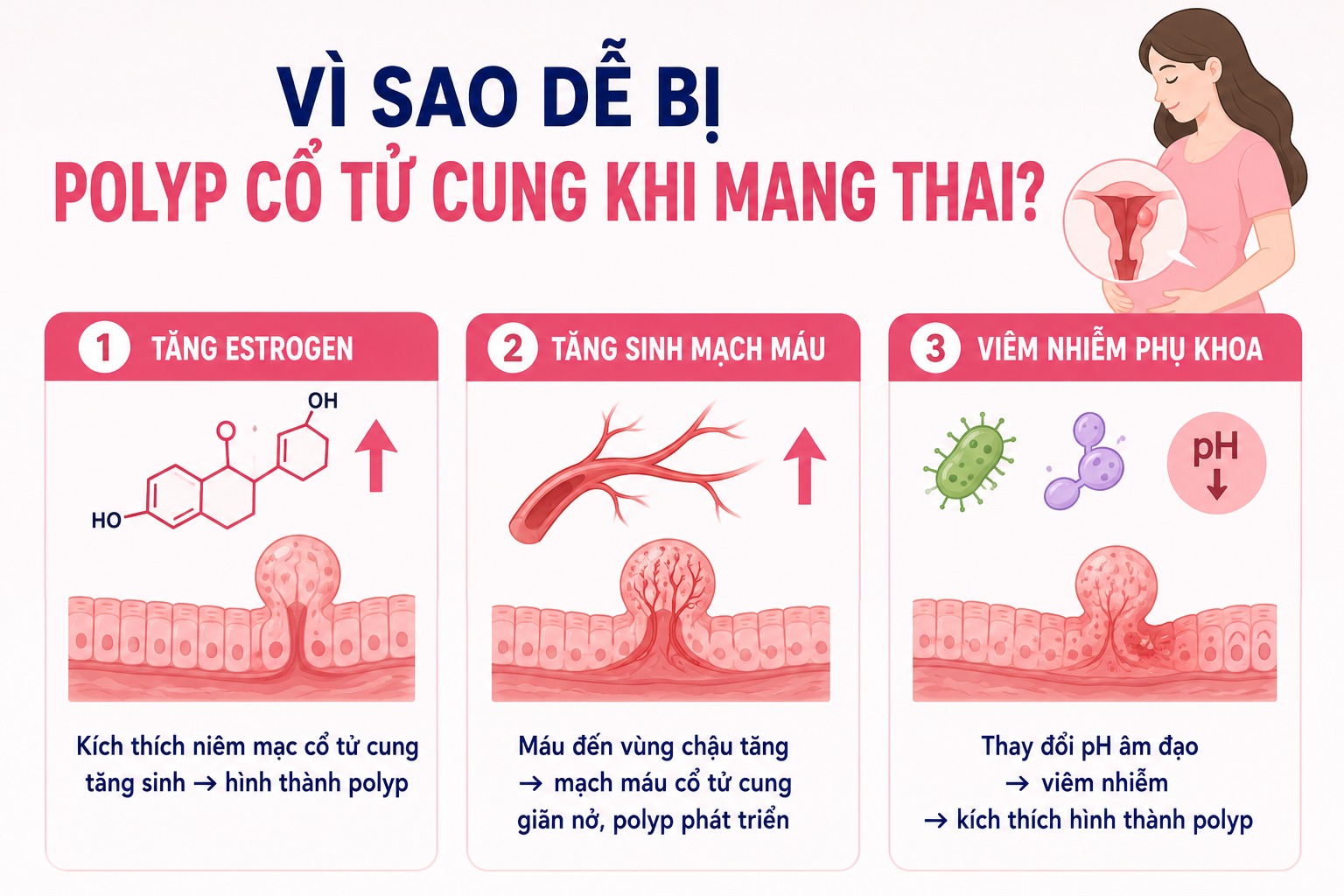
Why are cervical polyps common during pregnancy?
The appearance or growth of polyps during pregnancy typically stems from sudden physiological changes in the mother’s body, specifically:
- Hormonal surge (Estrogen): A sharp rise in estrogen levels during pregnancy is a primary factor stimulating the excessive proliferation of cervical mucosal cells, leading to polyp formation.
- Increased blood supply to the fetus: Significantly increased blood flow to the pelvic region and uterus – intended to nourish the fetus – can cause cervical blood vessels to dilate and become congested, thereby creating conditions that accelerate polyp growth.
- Gynecological infections due to pH changes: Changes in the vaginal environment during pregnancy can easily lead to localized infections. Prolonged inflammation irritates the cervical mucosa, promoting the formation of benign growths.
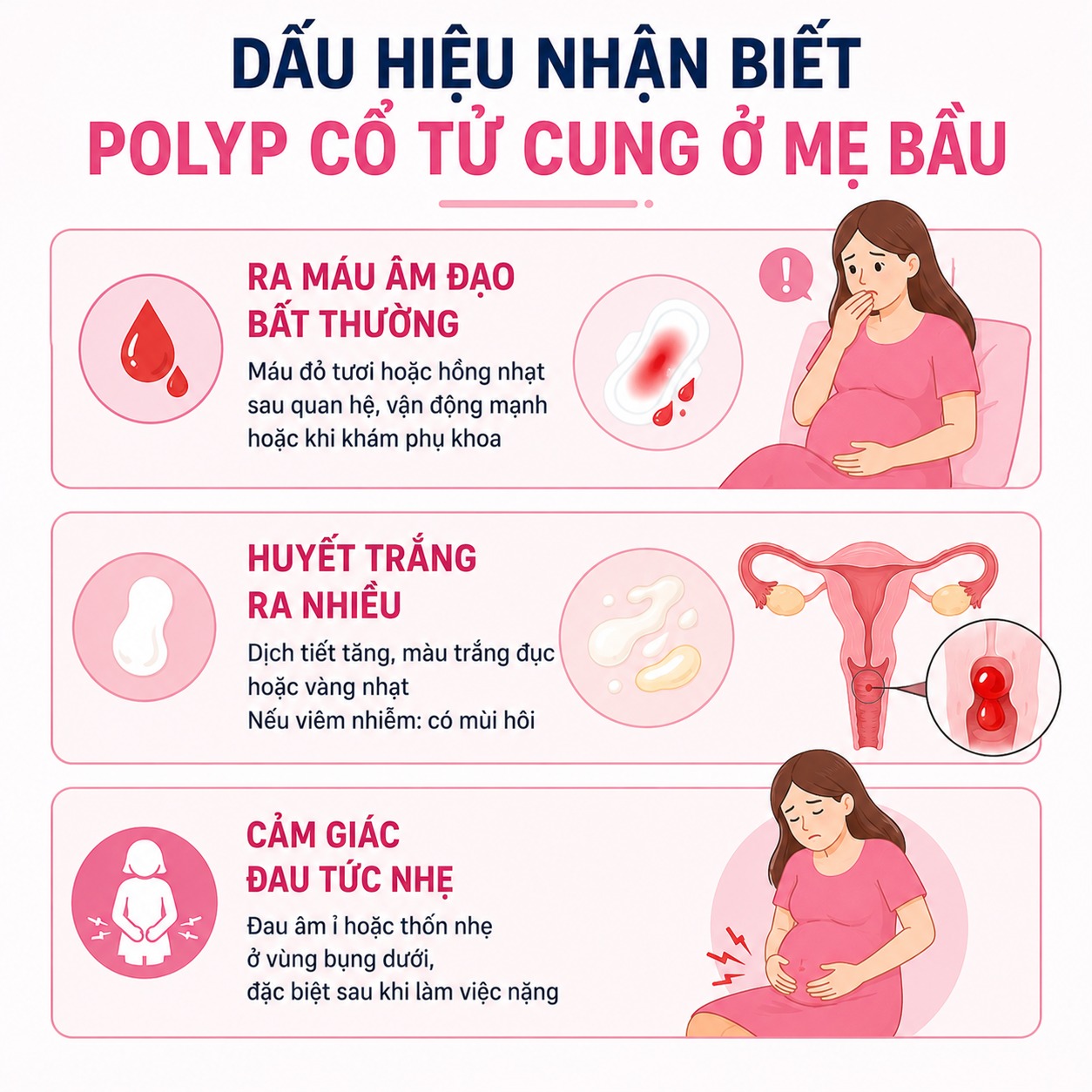
Signs of cervical polyps in pregnant women
In many cases, cervical polyps develop silently and are only discovered incidentally during routine prenatal ultrasounds or check-ups. However, you can still detect them early through the following characteristic signs:
- Abnormal vaginal bleeding: This is the most common sign. Pregnant women may notice a small amount of bright red or pale pink blood after sexual intercourse, strenuous physical activity, or a gynecological examination.
- Excessive vaginal discharge: A sudden increase in vaginal discharge, typically milky white or pale yellow in color. If the polyp becomes inflamed or infected, the discharge may have an unpleasant odor.
- Mild pain or discomfort: Some pregnant women may experience a dull ache or slight discomfort in the lower abdomen, particularly after heavy physical activity, though this symptom is often subtle.
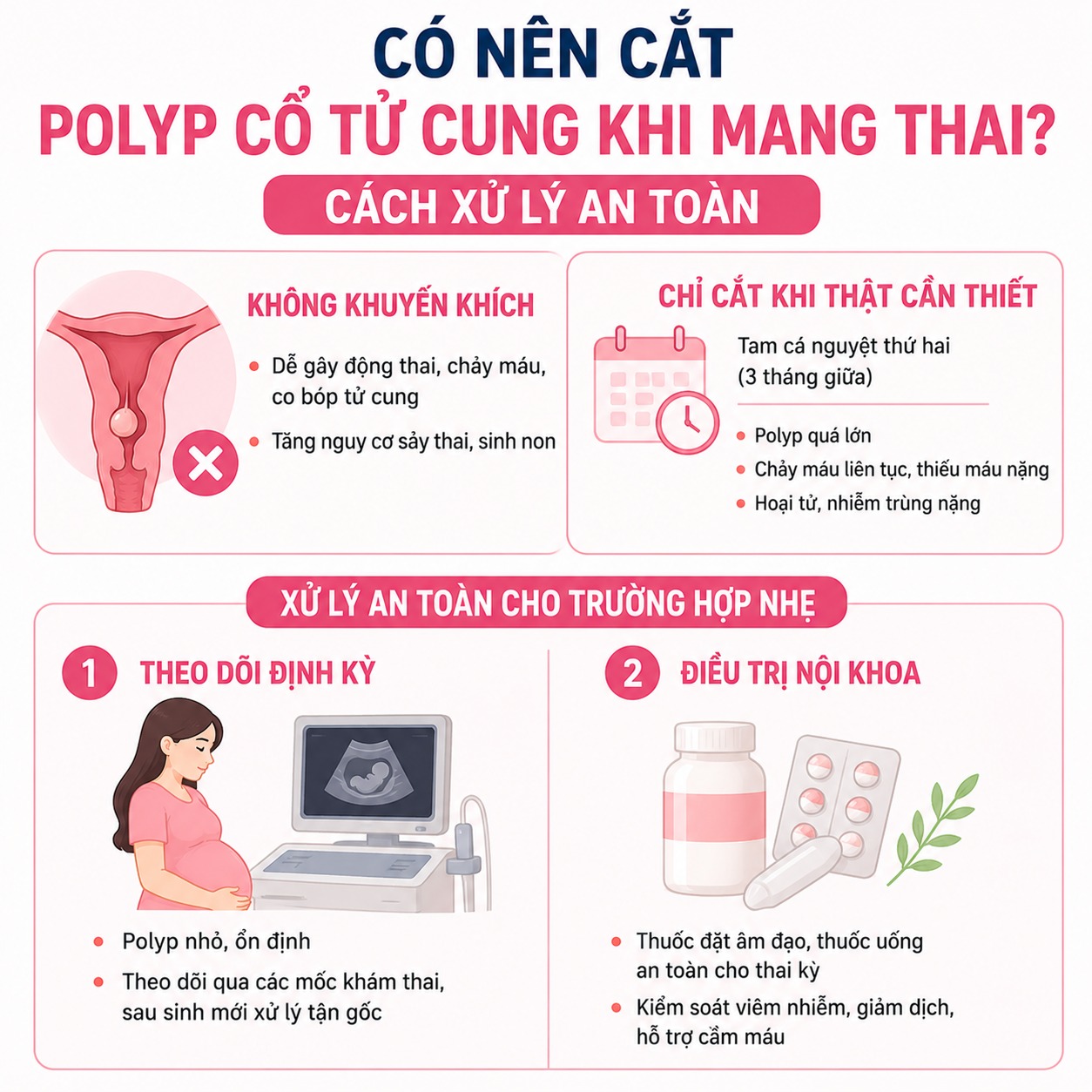
Should cervical polyps be removed during pregnancy? Safe management approaches
Generally, doctors do not recommend removing cervical polyps during pregnancy. Surgical intervention at this time carries a high risk of disturbing the pregnancy, causing bleeding, or stimulating uterine contractions, which could lead to miscarriage or preterm birth.
Procedures to excise or twist off the polyp are considered only during the second trimester if the polyp is excessively large, causes persistent bleeding leading to severe maternal anemia, or shows signs of necrosis or severe infection.
For mild cases, the safest and most optimal management strategies for expectant mothers include:
- Periodic monitoring: If the polyp is small and stable, the doctor may advise a “wait-and-see” approach – closely monitoring the condition during prenatal check-ups and deferring definitive treatment until after delivery.
- Medical treatment: Using pregnancy-safe vaginal suppositories or oral medications to manage inflammation, reduce discharge, and help stop local bleeding in cases of minor hemorrhage.
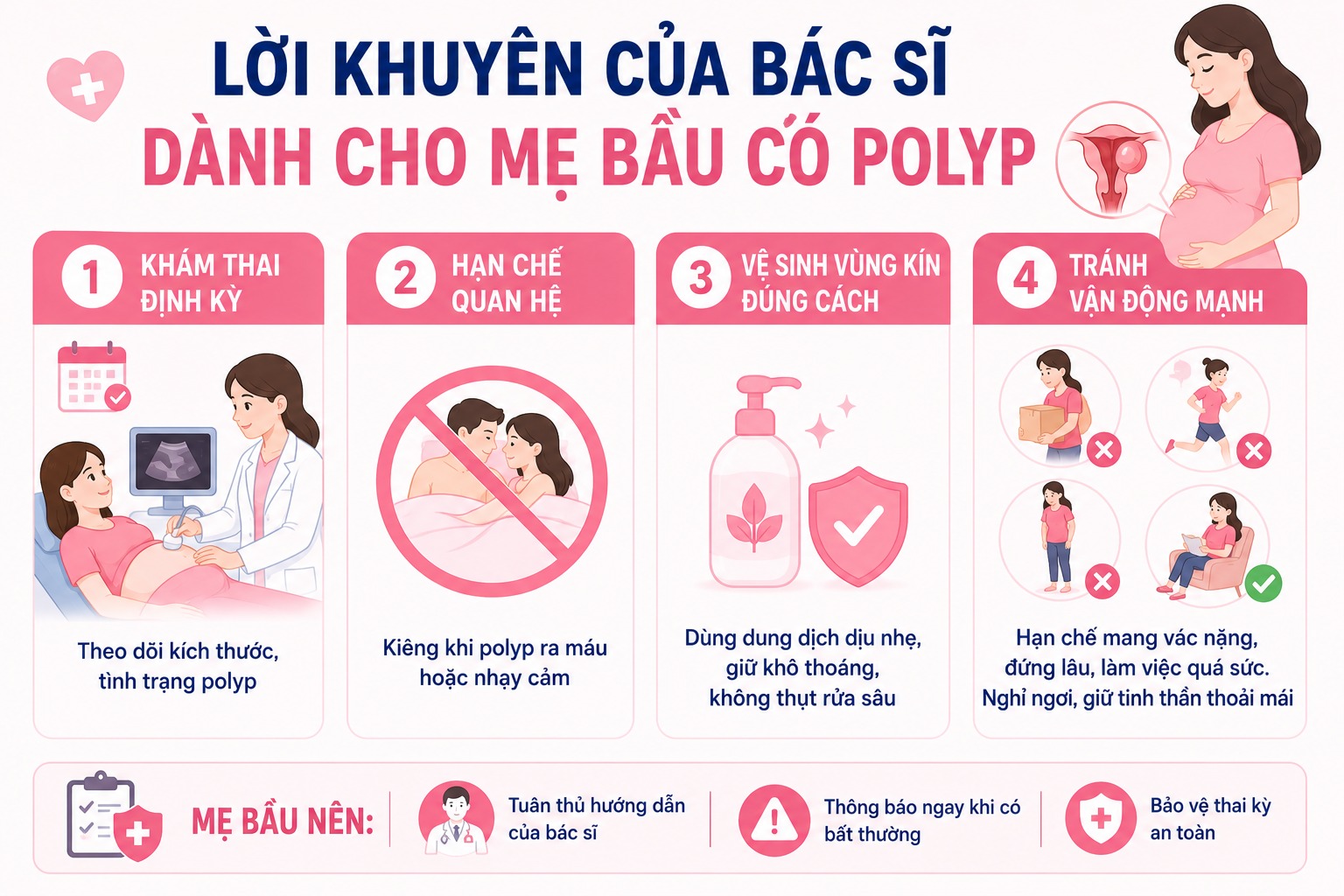
Medical advice for pregnant women with polyps
To ensure a safe pregnancy and effectively manage the polyp, expectant mothers should observe and strictly adhere to the following health care guidelines:
- Attend scheduled prenatal check-ups: Closely monitor the size and condition of the polyp via ultrasound scans as directed by your doctor to promptly detect any abnormal changes.
- Limit sexual activity: If the polyp shows signs of bleeding or sensitivity, abstaining from sexual intercourse is necessary to prevent trauma that could cause rupture, injury, or infection of the polyp.
- Maintain proper intimate hygiene: Use a mild intimate cleanser and keep the genital area dry and ventilated. Strictly avoid deep vaginal douching, as this practice can easily scratch the polyp and introduce bacteria deep into the vaginal canal.
- Avoid strenuous physical activity: Refrain from lifting heavy objects, standing for prolonged periods, or overexerting yourself. Instead, prioritize rest and maintain a relaxed state of mind to avoid placing pressure on the uterus.
Safe and Dedicated Cervical Polyp Removal at Dr Xuan Quan Clinic
Any concerns regarding pain or potential complications will vanish when you experience the services at Dr Xuan Quan Clinic. Under the expert guidance of Dr. Xuan Quan – who possesses over a decade of international training and experience – every procedure ensures safety and comfort for the patient.
- Minimal impact, rapid recovery: Modern removal techniques allow for the precise excision of the polyp without damaging surrounding healthy tissue, promoting quick mucosal healing and minimizing downtime.
- Sterile environment: A strictly controlled, enclosed procedure suite completely eliminates concerns regarding infection or cross-contamination.
- Comprehensive care: From the initial consultation and transparent pricing to close monitoring of the recovery process at home, Dr. Xuan Quan ensures complete peace of mind for every patient.
The following information provides specific details regarding cervical polyps during pregnancy, helping expectant mothers understand the causes, symptoms, and potential impact of this condition.
If you notice any unusual signs – such as vaginal bleeding or foul-smelling discharge – please visit a reputable medical facility immediately for a check-up and timely care, ensuring a healthy and successful pregnancy.