
 Tiếng Việt

Cervical Nabothian cyst cauterization
Although cervical Nabothian cysts are benign, they can lead to persistent inflammation and affect reproductive health if they grow large. Cauterization (burning) of these cysts is an optimal medical solution to completely remove them, prevent complications, and restore the health of the cervix. Learn more about the procedure, the techniques used, and the detailed costs at Dr Xuan Quan Clinic!
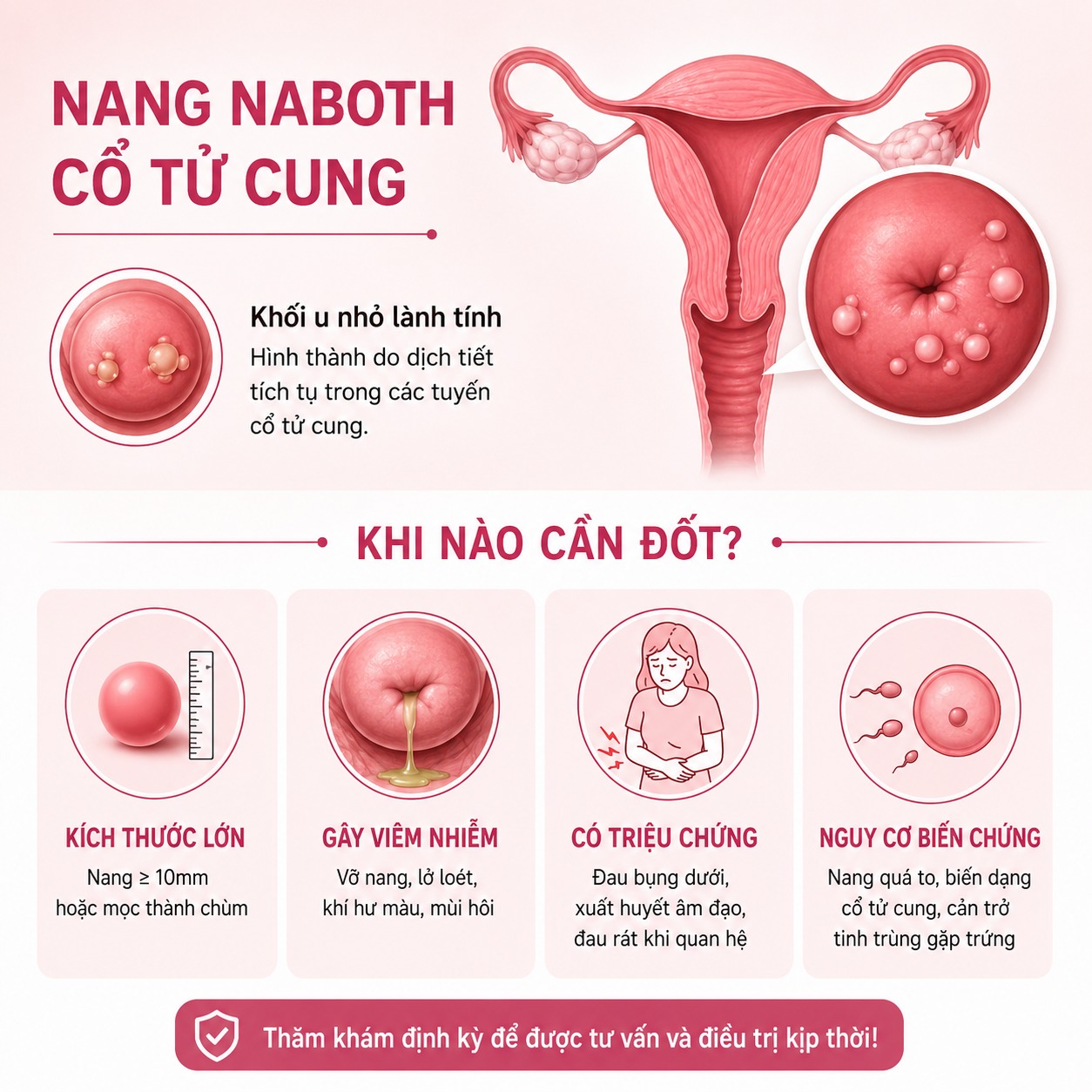
What are cervical Nabothian cysts? When is cauterization necessary?
Cervical Nabothian cysts are small, benign growths that form when glandular epithelial cells become covered over, causing secretions to accumulate into fluid-filled sacs. Cauterization is typically recommended in the following cases:
- Large cyst size: Cysts that grow to 10mm or larger, or appear in clusters, causing pressure on the cervix.
- Inflammation or ulceration: Cysts that rupture or become irritated, leading to an increase in vaginal discharge with abnormal color or an unpleasant odor.
- Clinical symptoms: Frequent, dull lower abdominal pain, vaginal bleeding, or pain/discomfort during sexual intercourse.
- Risk of complications: Cysts that are large enough to deform the cervix, potentially hindering the movement of sperm toward the egg.
Common Methods for Cauterizing Cervical Nabothian Cysts
Currently, medical practice employs three common cauterization methods to safely and effectively eliminate Nabothian cysts:
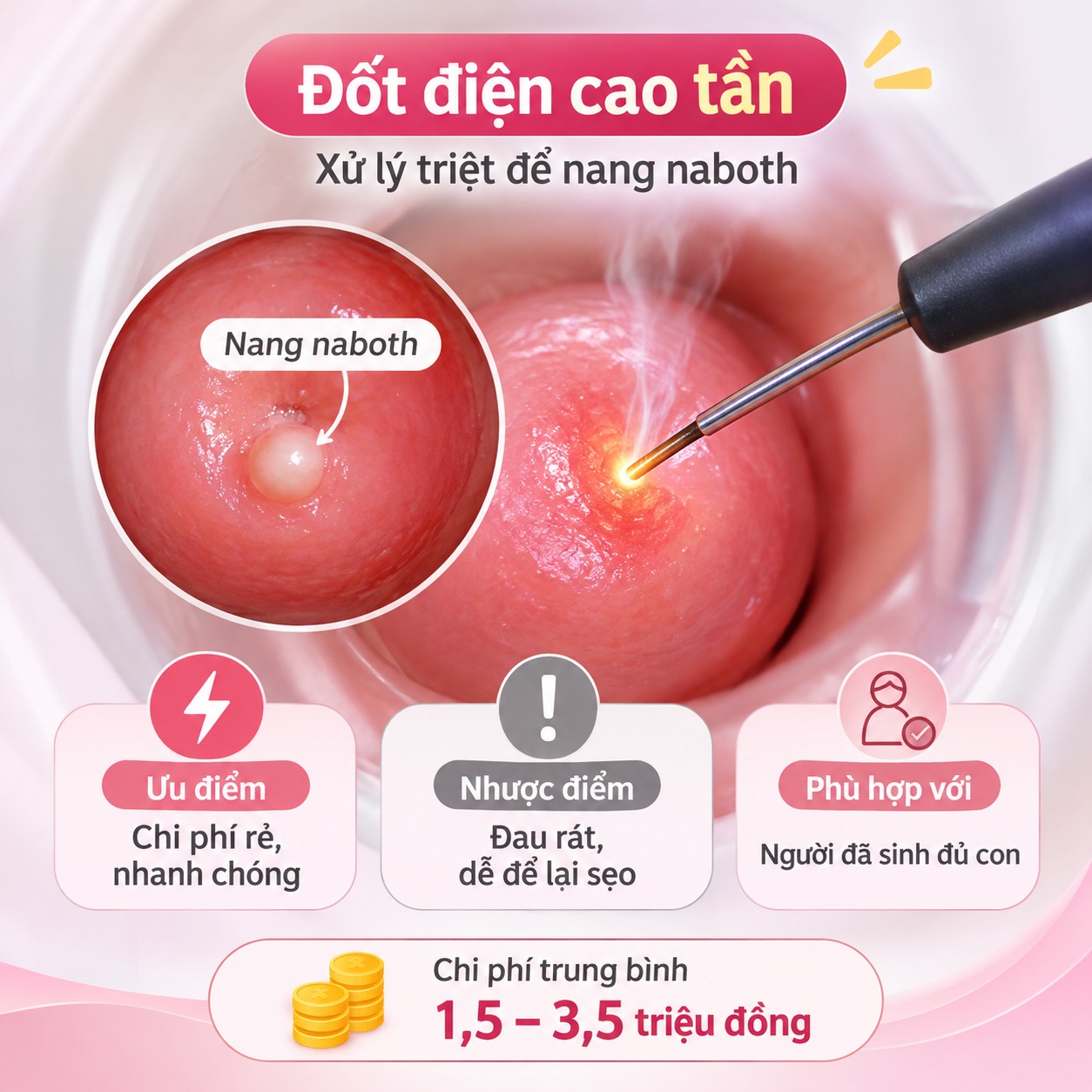
High-Frequency Electrocautery
A traditional method used to eliminate cysts at an optimal cost.
- Mechanism: Uses a high-frequency electric current applied directly to the cyst to cause it to shrink and disappear.
- Advantages: Low cost, quick procedure, and easy to perform.
- Disadvantages: Can cause pain or a burning sensation, carries a risk of scarring or hardening (fibrosis) of the cervix, and requires a longer healing period (4–6 weeks).
- Suitable for: Individuals with a limited budget who have completed their family (i.e., do not intend to have more children).
- Average cost: 1,500,000 – 3,500,000 VND.
Laser Ablation
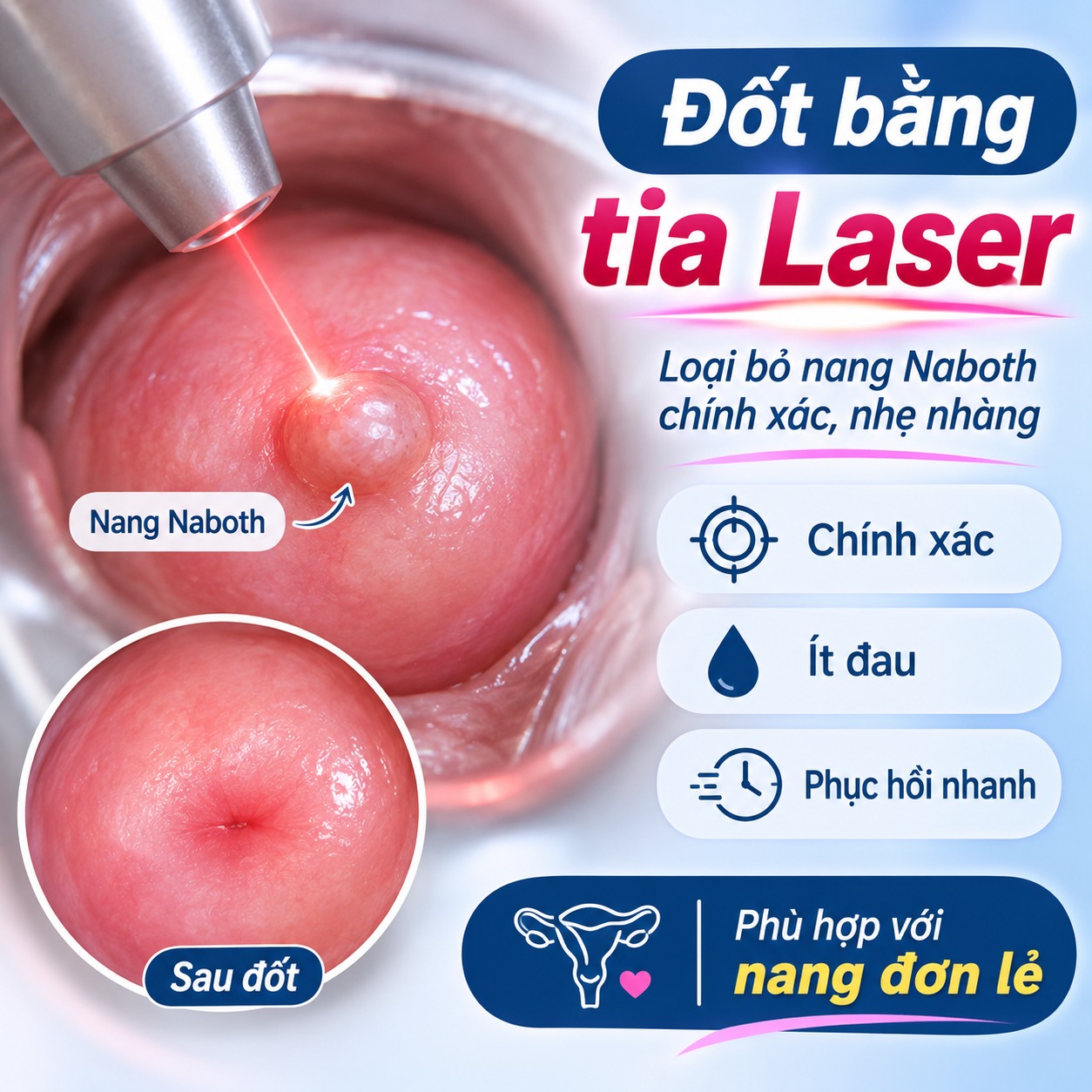
A modern technique that enables precise removal of cysts while minimizing damage to surrounding healthy tissue.
- Mechanism: A focused laser beam is used to vaporize the fluid within the cyst and ablate the surface of the lesion.
- Advantages: Minimally invasive, causes less pain, provides excellent hemostasis (control of bleeding), and offers a faster recovery time compared to electrocautery.
- Disadvantages: Requires a highly skilled physician to carefully adjust the laser settings to prevent deep burns or scarring.
- Best suited for: Individuals with a single cyst who are concerned about pain or discomfort and prefer a quicker healing process.
- Average cost: 3,000,000 – 6,000,000 VND.
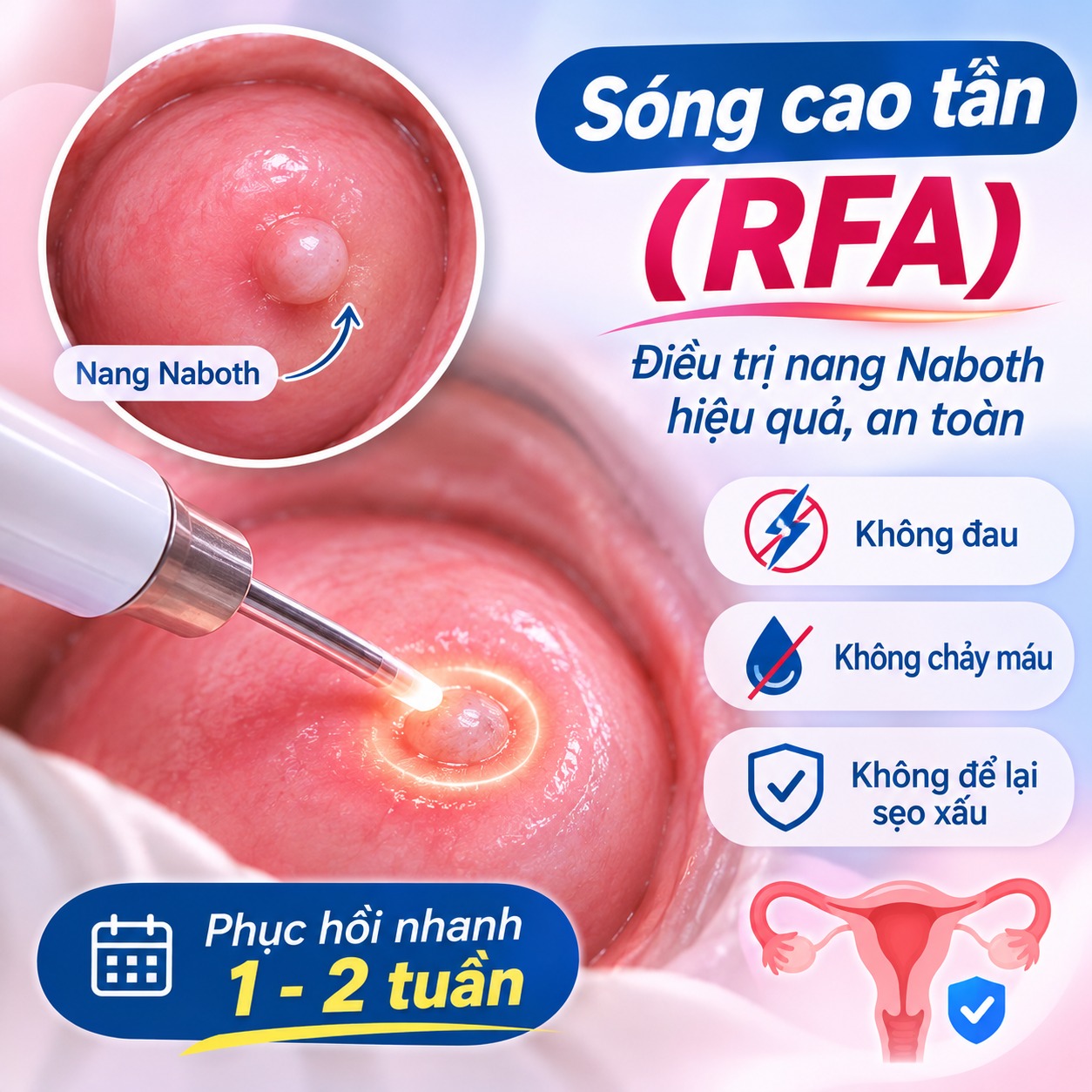
Radiofrequency Ablation (RFA)
A cutting-edge, state-of-the-art solution that maximizes treatment efficacy while fully preserving reproductive function.
- Mechanism: Utilizes low-temperature radiofrequency waves to precisely detach and ablate the cyst or mass.
- Advantages: Painless, bloodless, leaves no unsightly scarring, and offers an exceptionally fast recovery (1–2 weeks).
- Disadvantages: High cost; requires advanced, specialized medical equipment.
- Ideal for: Women of reproductive age who plan to have children and prioritize maximum safety.
- Average cost: 5,000,000 – 10,000,000 VND.
Benefits of Timely Cauterization for Cervical Nabothian Cysts
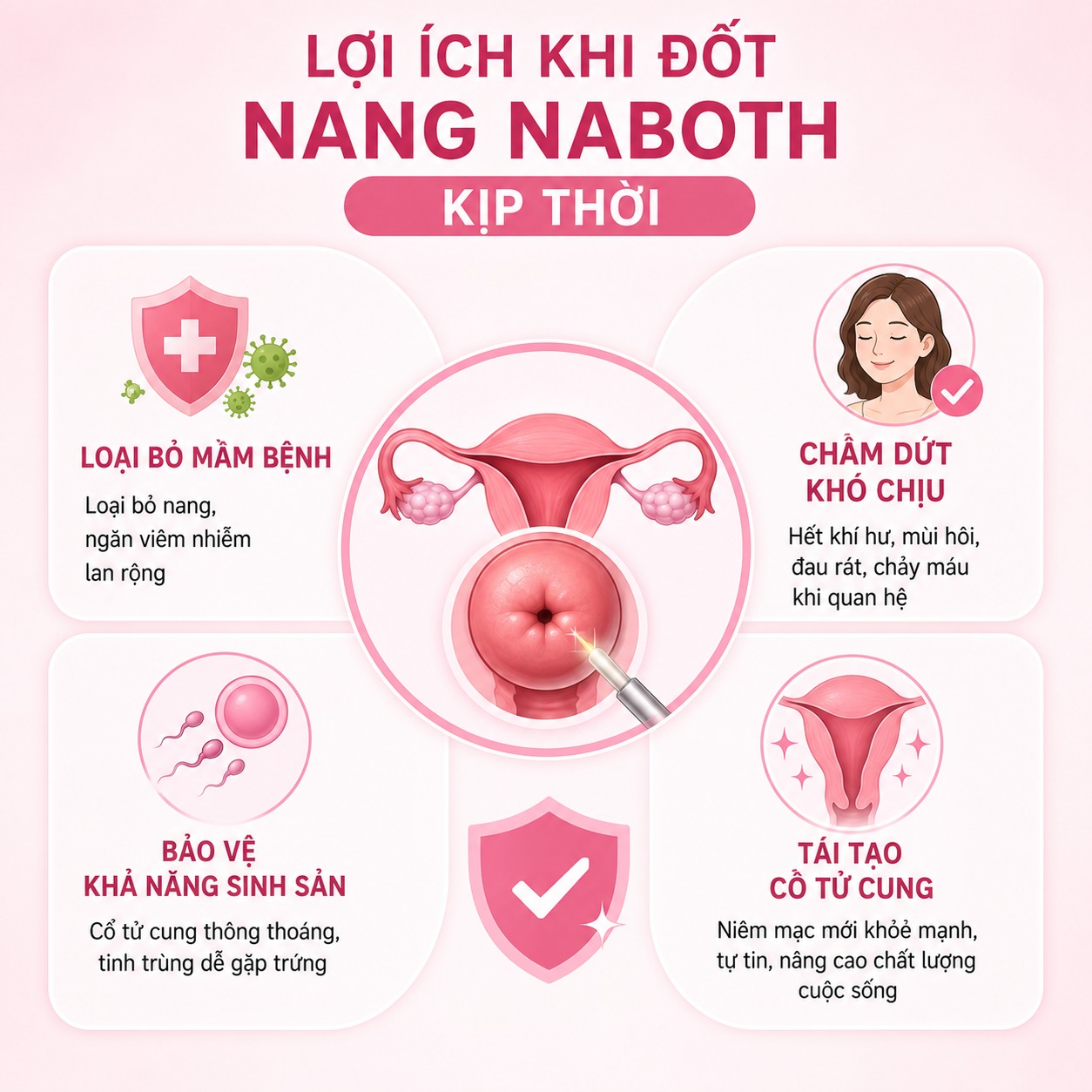
Undergoing cauterization for cervical Nabothian cysts at the appropriate time offers several practical benefits for a woman’s gynecological health:
- Elimination of pathogens: Completely removes the cysts, preventing them from rupturing and causing infections that could spread to the fallopian tubes and ovaries.
- Resolution of uncomfortable symptoms: Effectively puts an end to issues such as excessive vaginal discharge, unpleasant odors, and pain or bleeding during sexual intercourse.
- Protection of fertility: Clears the surface of the cervix, facilitating the movement of sperm toward the egg.
- Restoration of a healthy cervix: Promotes the regeneration of a smooth, healthy mucosal lining, restoring confidence and enhancing the quality of one’s intimate life.
How much does it cost to have cervical Nabothian cysts cauterized?
At Dr Xuan Quan Clinic, the cost for the cauterization of cervical Nabothian cysts typically ranges from 3,000,000 to 5,000,000 VND (depending on the size and number of cysts, as well as the specific intervention method used). It is recommended that you contact the clinic directly for a medical examination, so that a doctor can assess your specific condition and provide an accurate cost estimate.

A Safe and Reputable Clinic for Nabothian Cyst Cauterization
Nabothian cyst cauterization requires precise technique to eliminate the cysts while fully safeguarding reproductive health. Dr. Xuan Quan Aesthetics & Gynecology is a trusted clinic, favored by many women for its gentle, safe, and medically sound treatment approach.
Dr. Xuan Quan – Highly Skilled and Dedicated to Patients
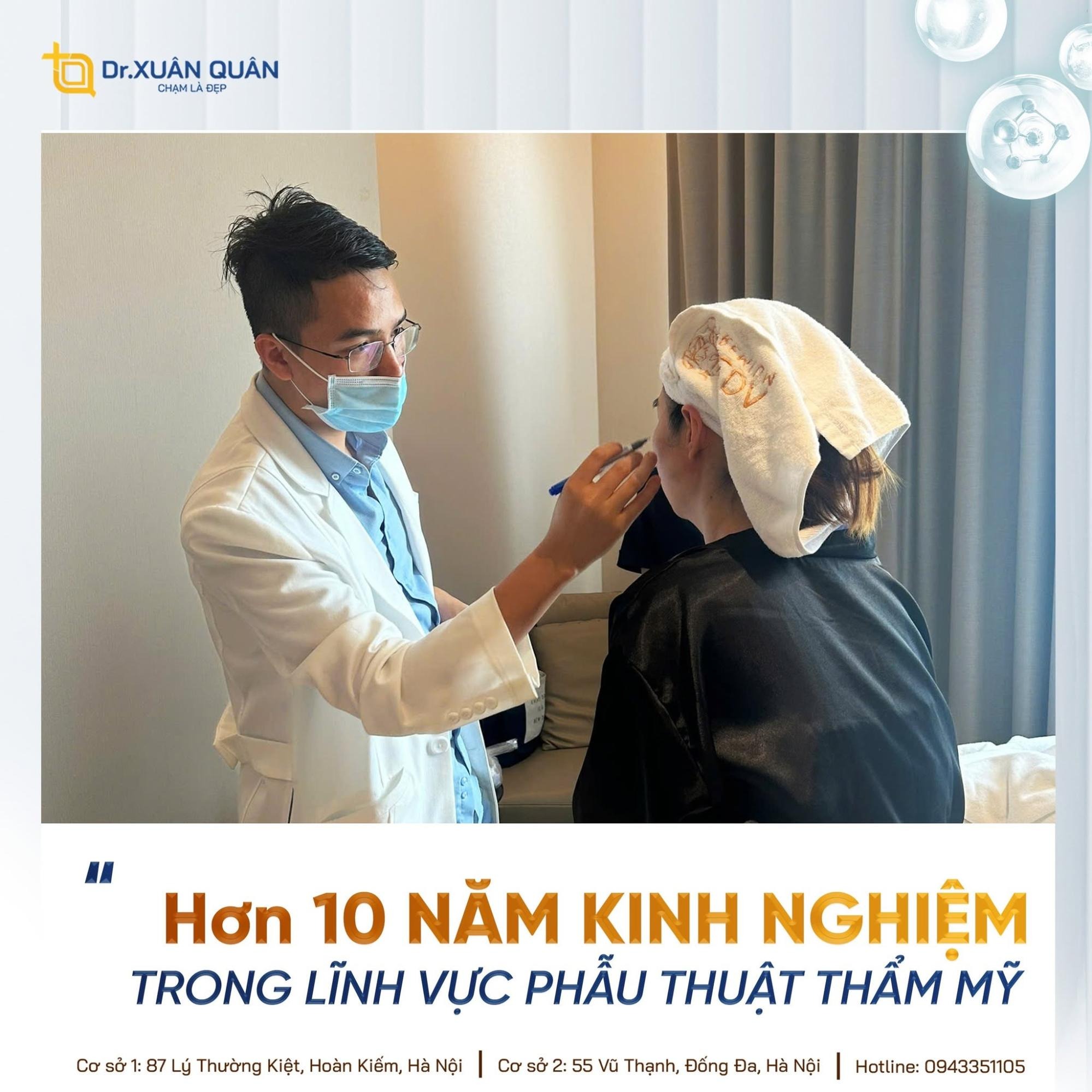
Dr. Xuan Quan (a graduate of Hanoi Medical University) personally oversees every stage, from the initial consultation to the treatment itself. Drawing on extensive clinical experience, he performs the procedure with meticulous care, precisely controlling the intervention to eradicate the cysts at their root without causing any damage to the surrounding healthy tissue.
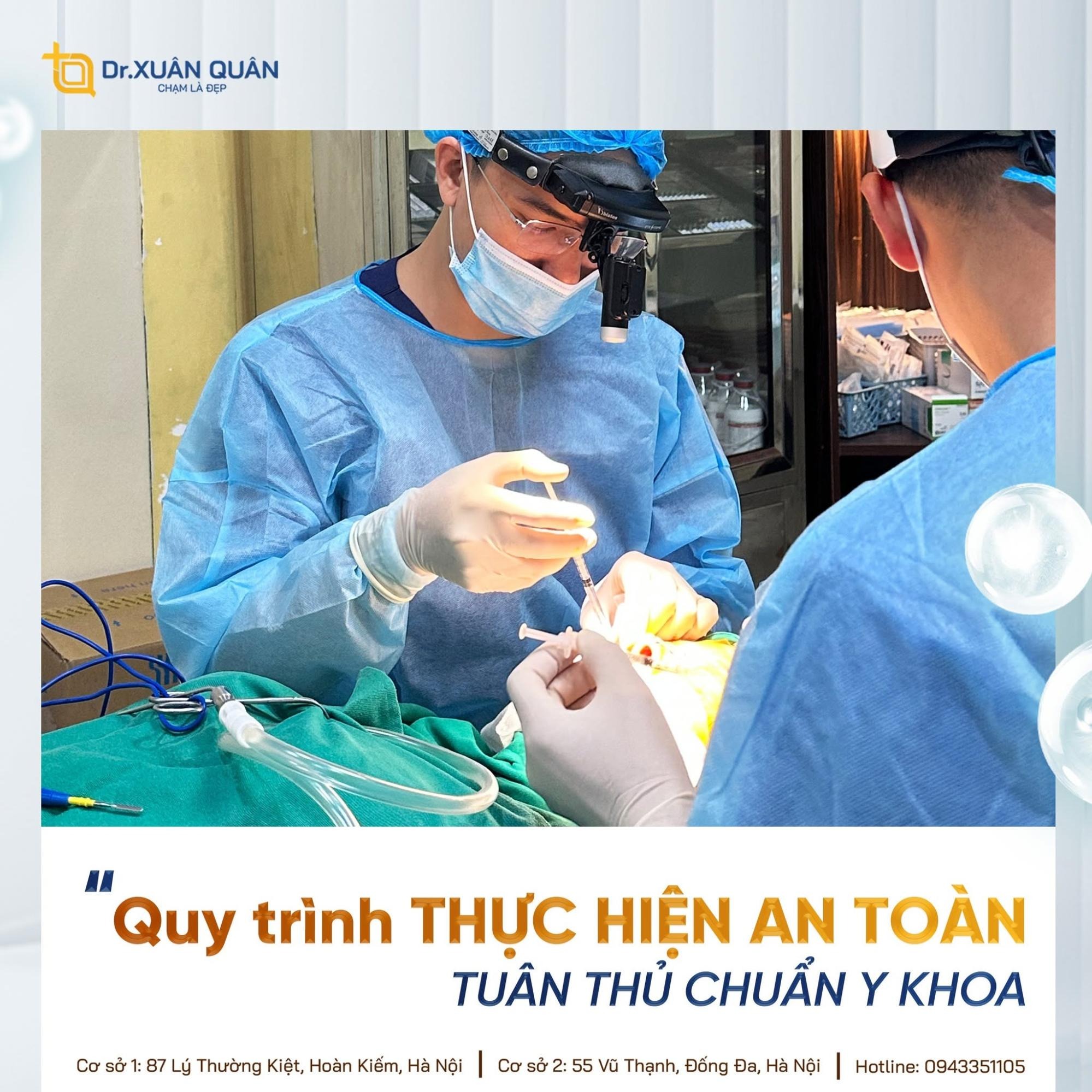
Medically Standardized Procedure
- Examination & Colposcopy: Accurate assessment of the location and number of cysts, as well as the presence of any inflammation or infection.
- Disinfection & Anesthesia: Ensuring a sterile environment and a completely painless experience.
- Cyst Ablation: Utilizing advanced technology to precisely remove or shrink the cysts.
- Follow-up & Post-operative Care: Reviewing the treatment site and providing detailed instructions for at-home care.
Quality Commitment at Dr. Xuan Quan
Preserving the gift of motherhood: No fibrous scarring; the elasticity of the cervix remains intact.
- Absolute safety: 100% sterile, single-use instruments to eliminate the risk of cross-contamination.
- 6-month warranty: Complimentary follow-up consultations and monitoring to ensure the cyst is completely eradicated and does not recur.
- Dedicated 1-on-1 care: The doctor provides close, personal supervision until the site has fully healed.
Post-procedure care for cervical Nabothian cyst ablation
Following the guidelines below will help the wound heal faster and minimize the risk of reinfection:
- Proper hygiene: Gently wash the external area with warm water or a mild, gentle cleanser (twice daily); do not douche or insert anything into the vagina.
- Abstain from sexual activity: Refrain from sexual intercourse for 4–6 weeks, or until the cervical mucosa has fully recovered.
- Limit strenuous activity: Avoid heavy lifting, high-intensity exercise, and soaking in bathtubs or swimming pools for the first 2 weeks.
- Diet: Increase your intake of water, green vegetables, and vitamin C; minimize the consumption of spicy, hot foods and stimulants (such as caffeine or alcohol).
- Follow-up care: Take all prescribed medications as directed and attend scheduled follow-up appointments (seek immediate medical attention if you experience a fever, severe abdominal pain, or abnormal vaginal bleeding).

Frequently Asked Questions About Cervical Nabothian Cyst Cauterization
Below are quick answers to common questions women often have before deciding to undergo treatment for cervical Nabothian cysts:
Is the cauterization of cervical Nabothian cysts painful?
Before the procedure, the doctor will administer a local anesthetic, ensuring you do not feel pain or burning. Afterward, you may experience a mild, tingling sensation in the lower abdomen, which will quickly subside.
Does the cauterization of Nabothian cysts affect fertility?
Not at all. Modern technology allows for the precise removal of the cysts without causing damage or leaving tough scar tissue on the cervix, fully preserving a woman’s reproductive function.
Can Nabothian cysts recur after cauterization?
The treated cysts are completely removed. However, to prevent the formation of new cysts, it is important to maintain proper hygiene, follow post-procedure care instructions, and attend regular gynecological check-ups.
Is there any bleeding or discharge after the procedure?
During the first 1–2 weeks, you may experience slight yellowish vaginal discharge or minor spotting (as the mucosal scab sheds). This is a completely normal physiological process, so there is no need for concern.
The information above covers the details of cervical Nabothian cyst cauterization—a procedure designed to thoroughly eliminate lesions, prevent complications, and protect reproductive health. If you have any further questions or would like to schedule an in-person consultation, please contact Dr Xuan Quan Clinic, where our team of doctors is ready to provide dedicated support.