Tiếng Việt
It is entirely possible to remove the implant after a rhinoplasty if complications arise, if you are dissatisfied with the nose shape, or for personal reasons. The removal procedure is relatively gentle, allowing the nose to return to a state close to its original form or paving the way for a safer revision surgery. In the following article, Dr Xuan Quan Clinic provides a detailed explanation of the procedure, the optimal timing, and important considerations to keep in mind when deciding to remove a nasal implant.
Will the shape of the nose return to normal after the nasal cartilage implant is removed?
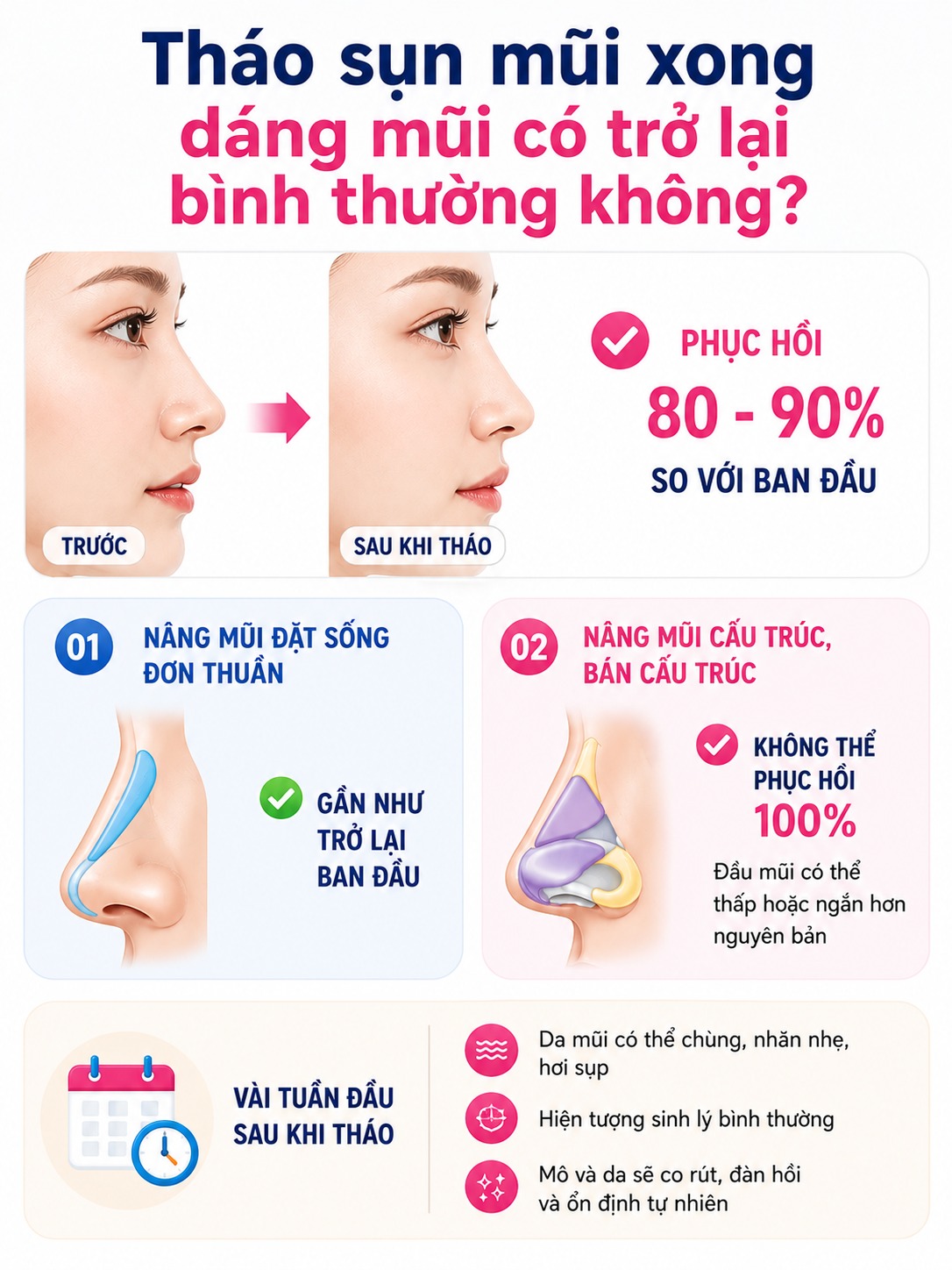
After the cartilage is removed, your nose shape will gradually settle and recover to approximately 80–90% of its original, pre-surgery appearance. The precision and aesthetic quality of the restored shape will depend on the specific rhinoplasty method previously performed:
- For simple nasal implant procedures: After the artificial implant is removed, the nose almost completely reverts to its original state without significant structural changes.
- For structural or semi-structural rhinoplasty: Because the procedure involved significant modification of the septal and autologous cartilages to construct the nasal support, the original nasal shape cannot be 100% restored upon implant removal. The nasal tip may appear slightly lower or shorter than it was originally.
Additionally, during the first few weeks following removal, the nasal skin—having been stretched for an extended period—may appear loose, slightly wrinkled, or slightly collapsed. This is a normal physiological response; over time, the skin and underlying tissues will naturally contract, regain elasticity, and stabilize.
Safe nasal cartilage removal without the risk of complications at Dr Xuan Quan Clinic
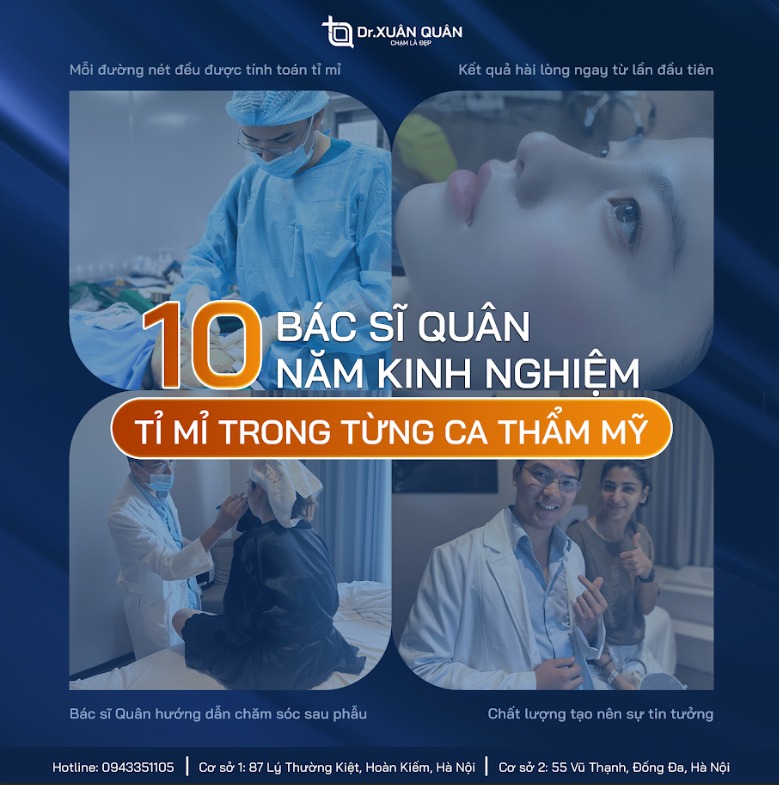
Dr. Xuan Quan Aesthetic Clinic is a leading, reputable facility specializing in safe cartilage removal and the correction of botched rhinoplasty procedures. Surgeries are performed in a sterile, medically standardized environment, utilizing modern CT scanning technology that allows the doctor to accurately assess nasal structures and ensure a rapid, painless dissection process.
Notably, Dr. Xuan Quan—a specialist with over a decade of experience—personally conducts the consultations and procedures. He gently removes the old cartilage, thoroughly addresses issues such as fibrous capsules and inflammation, and employs meticulous suturing techniques to conceal scars. Backed by a transparent warranty policy, Dr. Xuan Quan ensures complete peace of mind and promotes a swift, natural recovery for the nose.
Safe, painless nasal cartilage removal procedure
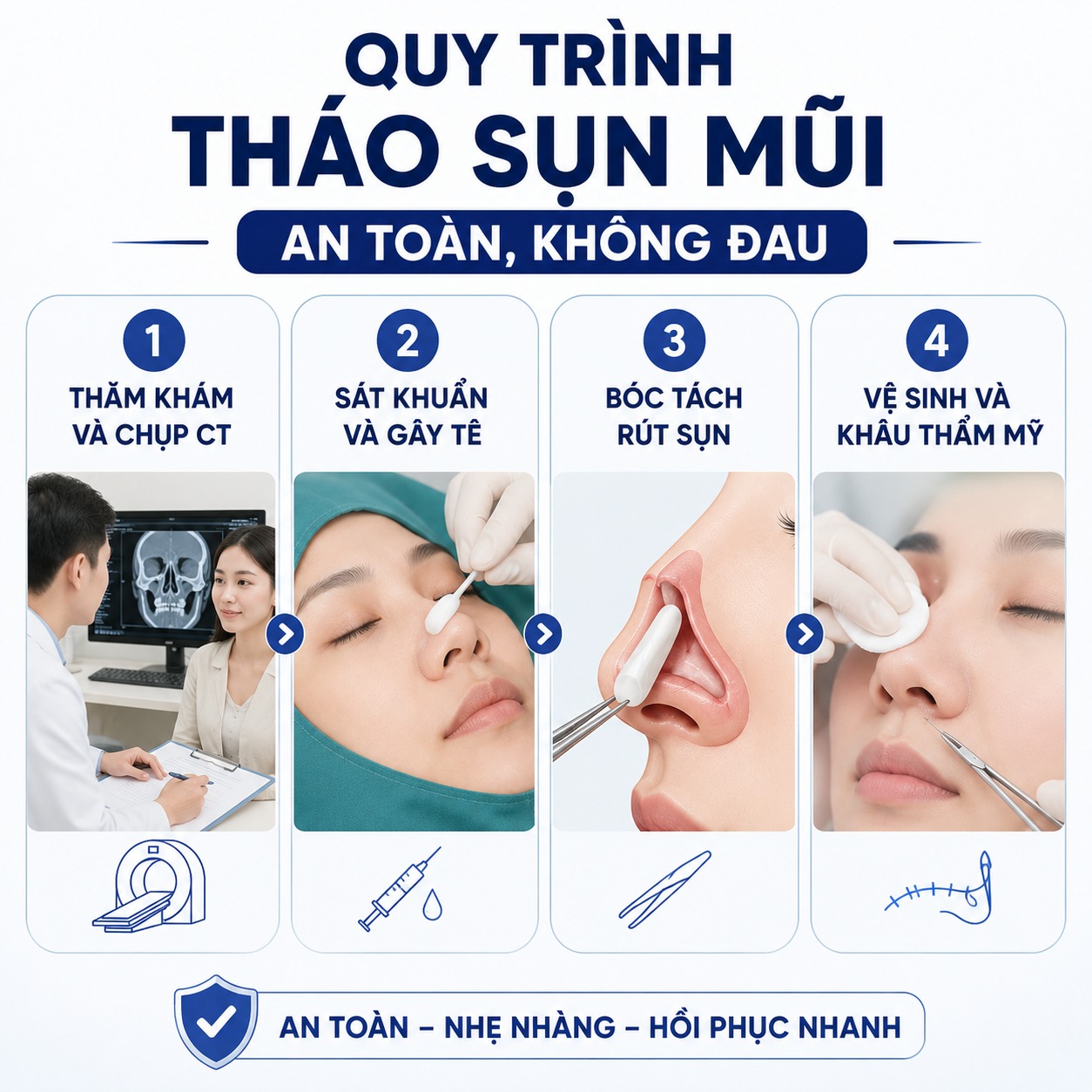
The nasal cartilage removal procedure is a relatively minor, quick operation performed according to the following medically standardized steps:
- Step 1: Examination and CT scan: The doctor examines the condition of the nose and performs a CT scan to precisely locate the existing cartilage and assess the extent of fibrous encapsulation or tissue damage.
- Step 2: Disinfection and anesthesia: The nasal area is cleansed and local anesthesia is administered, ensuring the patient remains completely relaxed and pain-free during the procedure.
- Step 3: Dissection and cartilage removal: The doctor makes a small, concealed incision inside the nasal cavity, gently dissects the fibrous tissue, and removes the old cartilage material.
- Step 4: Cleansing and aesthetic suturing: The nasal cavity is thoroughly irrigated with an antiseptic solution, followed by wound closure using ultra-fine aesthetic sutures to prevent scarring.
Important notes after removing the nose implant
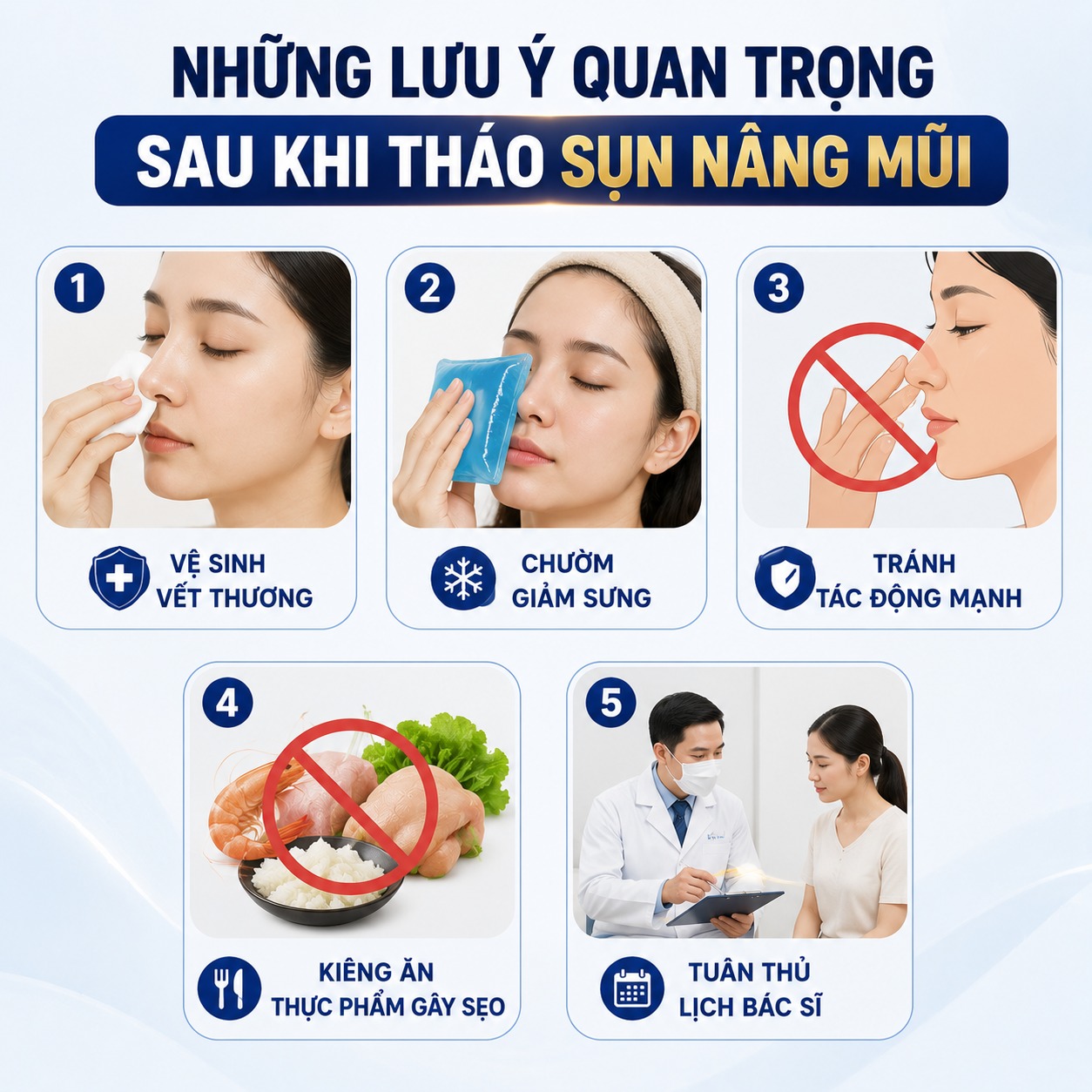
To ensure the nose heals quickly, sets into the desired shape, and remains scar-free, you must strictly adhere to the following guidelines:
- Wound care: Gently clean the surgical area daily using a cotton swab moistened with sterile saline solution, and keep the wound dry.
- Swelling management: Apply cold compresses around the nose during the first 2–3 days to reduce swelling, then switch to warm compresses to help dissipate bruising.
- Avoid impact: Strictly refrain from touching, rubbing, scratching, or twisting the nose, and avoid strenuous sports or physical activities for at least one month.
- Dietary restrictions: Limit the consumption of water spinach, beef, chicken, seafood, glutinous rice products, and stimulants to prevent itching, pus formation, or keloid scarring.
- Follow medical instructions: Take medication exactly as prescribed, return for suture removal after 7–10 days, and attend scheduled follow-up appointments.
Frequently Asked Questions About Nose Implant Removal
Below are brief expert answers to the most common questions from clients considering the removal of nose implants:
Will the skin on my nose become loose or wrinkled after the implant is removed?
Initially, the skin may appear slightly loose due to the sudden removal of the implant. However, thanks to the skin’s natural elasticity, the area will contract and regain its smooth, firm appearance within a few weeks.
Can the implant be removed immediately if the nose is infected or discharging fluid?
Yes, absolutely—and it should be done as soon as possible. The doctor will remove the implant and irrigate the nasal cavity to eliminate the source of inflammation, thereby preventing tissue necrosis or nasal tip deformity.
The information above provides detailed answers from Dr. Xuan Quan Aesthetic Clinic regarding the question of whether a nose implant can be removed after surgery. If you are experiencing complications with your current nose shape or are dissatisfied with the aesthetic results, please contact Dr. Xuan Quan Aesthetic Clinic immediately for a professional consultation and safe, timely treatment.