Tiếng Việt
Having a high, elegant nose is the dream of many, but for those with sensitive skin, the question “Can I get a nose job if I have allergic rhinitis?” is always the biggest psychological barrier. With a foundation of knowledge from medical school and nearly 10 years of specialized training, this article from Dr Xuan Quan Clinic will provide detailed medical advice on nose surgery for people with allergies.
Can people with allergic rhinitis get a nose job?
This is a common question from many clients visiting Dr Xuan Quan Clinic. To answer the question of whether people with allergic rhinitis can get a nose job, Dr. Xuan Quan affirms: You CAN absolutely have a nose job if your health is stable and well-controlled.
From a professional perspective, there are two main reasons to feel confident about undergoing this procedure:
- Separate impact areas: Rhinoplasty primarily involves the nasal bone structure and the soft tissue beneath the skin (located above the cartilage framework). Meanwhile, allergic rhinitis is a reaction of the mucous membrane inside the nasal cavity. These two areas are completely different, so placing a nasal implant does not directly affect your allergy condition.
- Improved airway structure: In many cases, structural rhinoplasty also allows the surgeon to correct a deviated septum, one of the factors that worsens rhinitis. After the procedure, a clearer airway can help alleviate the uncomfortable symptoms of this condition.
However, to ensure a nose shape with ideal proportions and maintain lasting results, the surgery should be performed when allergy symptoms (sneezing, runny nose) are stable.
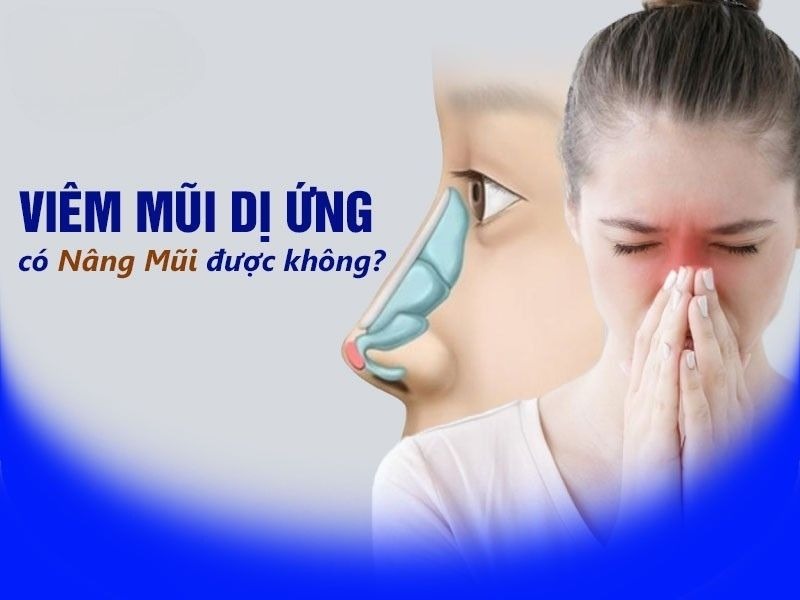
Notes on Rhinoplasty for People with Allergic Rhinitis
Although the answer to the question “Can I have rhinoplasty if I have allergic rhinitis?” is yes, to ensure absolute safety and achieve a perfectly proportioned nose shape, clients with sensitive skin should pay special attention to the following factors:
Do not perform surgery during the acute inflammatory phase
If you are experiencing continuous sneezing, heavy nasal discharge, or severe nasal congestion, treat these symptoms first.
Performing rhinoplasty while the mucous membrane is inflamed and swollen will increase the risk of infection and make post-operative care more difficult.
Choose highly biocompatible cartilage material
For people with a tendency towards allergies, prioritizing the use of high-grade biocompatible cartilage or autologous cartilage is extremely important.
These materials help the body easily accept the “foreign object,” minimizing rejection reactions or fibrosis, and helping the nose shape maintain a long-lasting and beautiful result.
Minimally Invasive Microsurgical Dissection Technique
Using modern microsurgical techniques, the nasal cavity is precisely dissected, avoiding deep impact on the sensitive mucous membrane. This promotes faster wound healing, minimizes swelling, and prevents exacerbation of pre-existing rhinitis.

Why choose Dr Xuan Quan Clinic for rhinoplasty if you have an allergic predisposition?
Finding a reputable clinic to alleviate concerns about whether rhinoplasty is possible with allergic rhinitis is crucial for safety and long-term aesthetic results. At Dr Xuan Quan Clinic, clients with sensitive skin receive priority care with a specialized procedure:
Performed directly by Dr. Xuan Quan
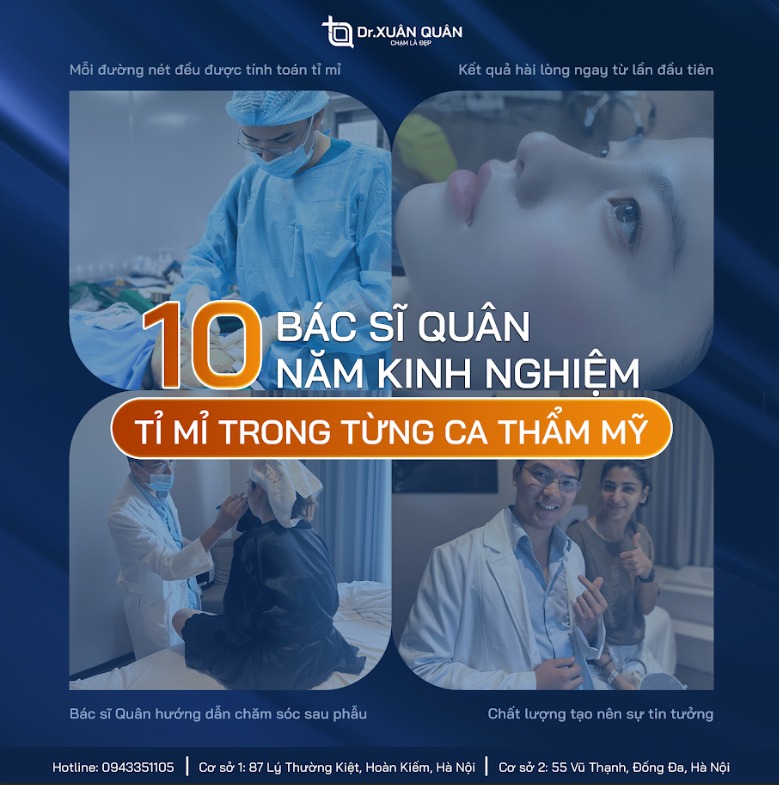
With a foundation of knowledge from medical universities and nearly 10 years of training experience in Korea and Singapore, the doctor has the expertise to accurately assess the condition of the nasal mucosa. The doctor will provide a strict allergy control plan before and after surgery, giving you complete peace of mind.
Minimally Invasive Microsurgical Techniques
Unlike traditional methods, our doctors use modern microsurgical dissection techniques, only affecting the periosteum layer to place the cartilage.
This minimizes contact with inflamed mucous membranes, reduces swelling, and promotes faster wound healing.
Using Highly Compatible Cartilage Materials
We prioritize high-grade biocompatible and autologous cartilage with up to 99% compatibility. This is extremely important for individuals with allergies, helping to prevent rejection, capsular contracture, and maintain beautiful, long-lasting results for 5-10 years.
Special Post-operative Care for Allergic Patients
Clients are provided with specialized medications to control sneezing and nasal discharge in the initial post-operative period. Our nursing team provides 24/7 support to guide proper nasal hygiene, ensuring the ideal nose shape is maintained and unaffected by weather conditions.
Reliable Professional Warranty Policy
At Dr Xuan Quan Clinic, every rhinoplasty procedure comes with a commitment to the highest level of responsibility. We accompany our clients until the nose shape is completely stable and in its natural form, bringing absolute confidence to even those with the most sensitive skin.
Nose Augmentation Costs at Dr Xuan Quan Clinic
The cost of investing in a safe and lasting nose shape is a concern for many clients. At Dr Xuan Quan Aesthetic Clinic, we list transparent, all-inclusive prices, commensurate with the high-quality service and the expertise of our doctors.
- Sline Nose Augmentation: 25,000,000 VND
- Sline Structural Nose Augmentation: 45,000,000 VND
- Pureform Nose Augmentation: 50,000,000 VND
Why is the cost at Dr. Xuan Quan Clinic always accompanied by peace of mind?
- Reputable Warranty: Every surgery comes with a 1-year professional warranty and a 5-year cartilage material warranty. Importantly, the nose shape, once stabilized, will maintain its beautiful and lasting results for life.
- Fast recovery time: Patients only need 7-10 days for suture removal, the nose shape settles quickly, and there is no scarring.
Post-operative care for people with allergic rhinitis
To alleviate concerns about whether allergic rhinitis can prevent rhinoplasty, proper post-operative care is key to ensuring the nose shape stabilizes quickly. According to Dr Xuan Quan Clinic, patients with sensitive skin should adhere to the following principles:
- Scientific nasal hygiene: Use saline solution to gently clean mucus and dirt daily, keeping the mucous membrane clear and reducing irritation.
- Adhere to the doctor’s prescription: Use the correct dosage of anti-inflammatory and allergy control medications to prevent sudden sneezing, protecting the nose shape and maintaining the golden ratio.
- Tips to reduce pressure when sneezing: In the first two weeks, if you feel the urge to sneeze, you should open your mouth to release the force, avoiding direct pressure on the recovering nasal bridge.
- Allergen isolation: Limit exposure to smoke, dust, pet dander, and pollen. Wear a mask when going outside to provide maximum protection for the nasal mucosa.
- Regular follow-up appointments: Closely monitor your progress with Dr Xuan Quan Clinic to ensure the results of your nose surgery last for 5-10 years with a reputable professional warranty.

Frequently Asked Questions About Rhinoplasty When Suffering from Allergic Rhinitis
To help clients completely alleviate concerns about whether rhinoplasty is possible with allergic rhinitis, Dr Xuan Quan Clinic has compiled and answered the most common questions from a specialized medical perspective:
Will rhinoplasty worsen my rhinitis?
Absolutely not. Rhinoplasty surgery only intervenes in the bone structure and soft tissue outside the nasal cavity.
At Dr Xuan Quan Clinic, the doctor uses minimally invasive microsurgical techniques that do not irritate the mucous membrane, thus not worsening the rhinitis.
Can I have rhinoplasty while I have a runny nose or nasal discharge?
If you are experiencing an acute inflammatory episode (continuous runny nose, severe nasal congestion), the doctor recommends stabilizing your symptoms before surgery. This ensures a sterile surgical environment and the best possible post-operative recovery.
Will sneezing forcefully after rhinoplasty cause the nose to become misaligned?
The cartilage implant is extremely securely fixed under the periosteum. Natural sneezing isn’t strong enough to dislodge the implant. However, during the first two weeks, you should open your mouth when sneezing to reduce internal pressure on the nasal area.
Which type of cartilage should someone with allergic rhinitis choose?
For sensitive individuals, the top priority is autologous cartilage or high-grade biocompatible cartilage. This material helps prevent rejection reactions, ensures a nose shape with ideal proportions, and maintains beautiful results for 5-10 years.
The above is a detailed medical explanation for the question “Can someone with allergic rhinitis have rhinoplasty?”. Contact Dr Xuan Quan Clinic today for a direct consultation with a doctor, optimal aesthetic plan advice, and reliable professional warranty!