
 Tiếng Việt

Having a high, refined nose is a common desire, but is it possible to undergo rhinoplasty if you are prone to keloid scarring? According to experts, the answer is a definitive YES. In this article, Dr Xuan Quan Clinic will introduce safe rhinoplasty methods and share essential care tips to effectively prevent the formation of keloid scars.
Can someone prone to keloid scarring undergo rhinoplasty?
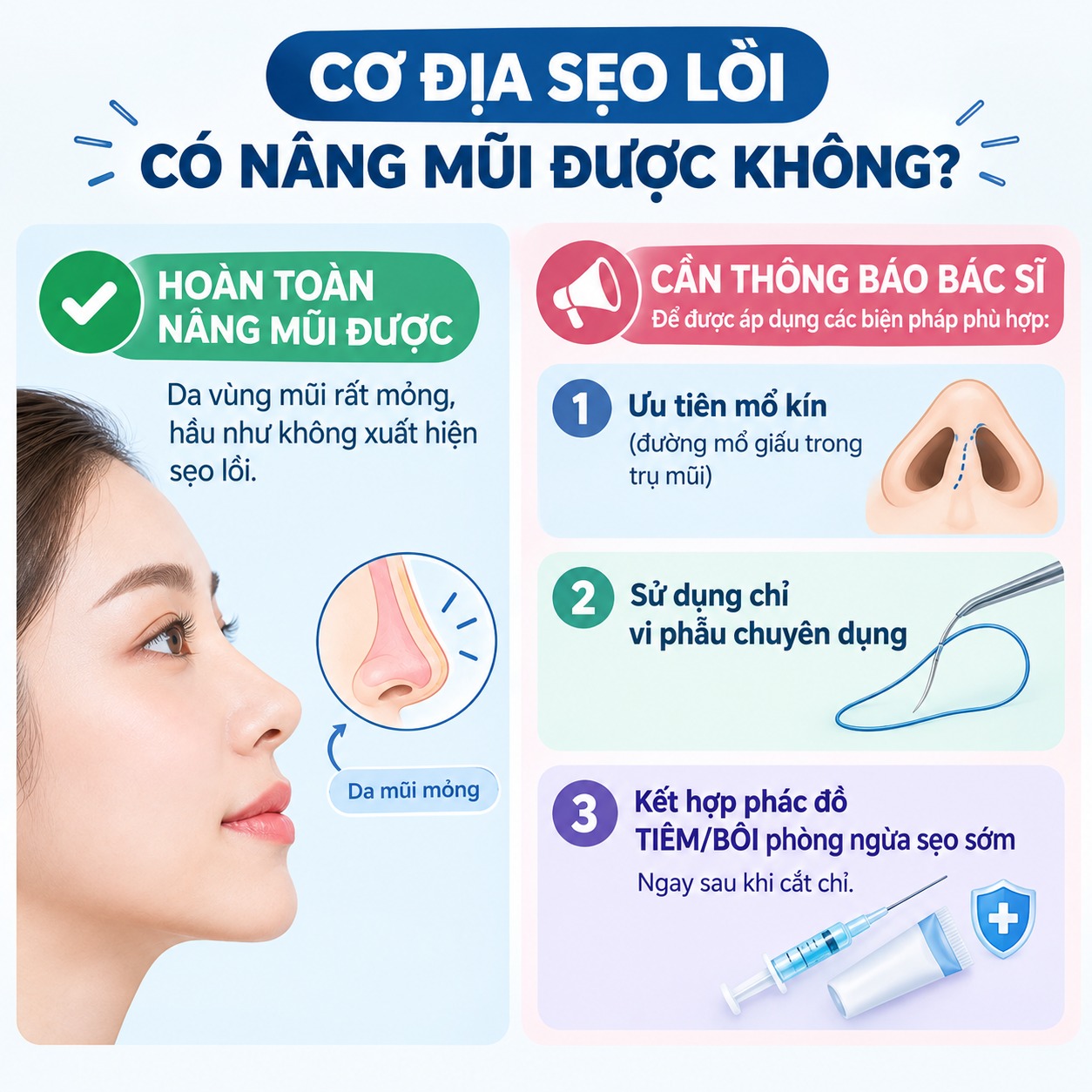
Individuals prone to keloid scarring can still undergo rhinoplasty; the skin in the nasal region is thin and significantly less susceptible to keloids compared to other parts of the body. Nevertheless, there remains a risk: if the surgeon lacks expertise or fails to employ proper techniques, incisions made at the columella (the base of the nose) or the alar base (the base of the nostrils) may become hypertrophic—developing an overgrowth of dense, fibrous tissue that negatively affects the aesthetic outcome.
Therefore, before undergoing surgery, keep the following in mind:
- Inform your surgeon: Discuss your tendency toward keloid formation so they can assess the level of risk.
- Prioritize specific techniques: Opt for incisions concealed within the nasal cavity and ensure the use of specialized, fine-gauge (microsurgical) sutures designed to minimize scarring.
- Preventive care: Strictly follow the recommended post-operative regimen, which may include light therapy or the application of specialized anti-scar gels, starting immediately after the sutures are removed.
The safest rhinoplasty methods for individuals prone to keloid scarring
To ensure the best aesthetic outcome and eliminate concerns regarding scarring, individuals prone to keloid formation should prioritize minimally invasive procedures or techniques designed to conceal scars, as outlined below:
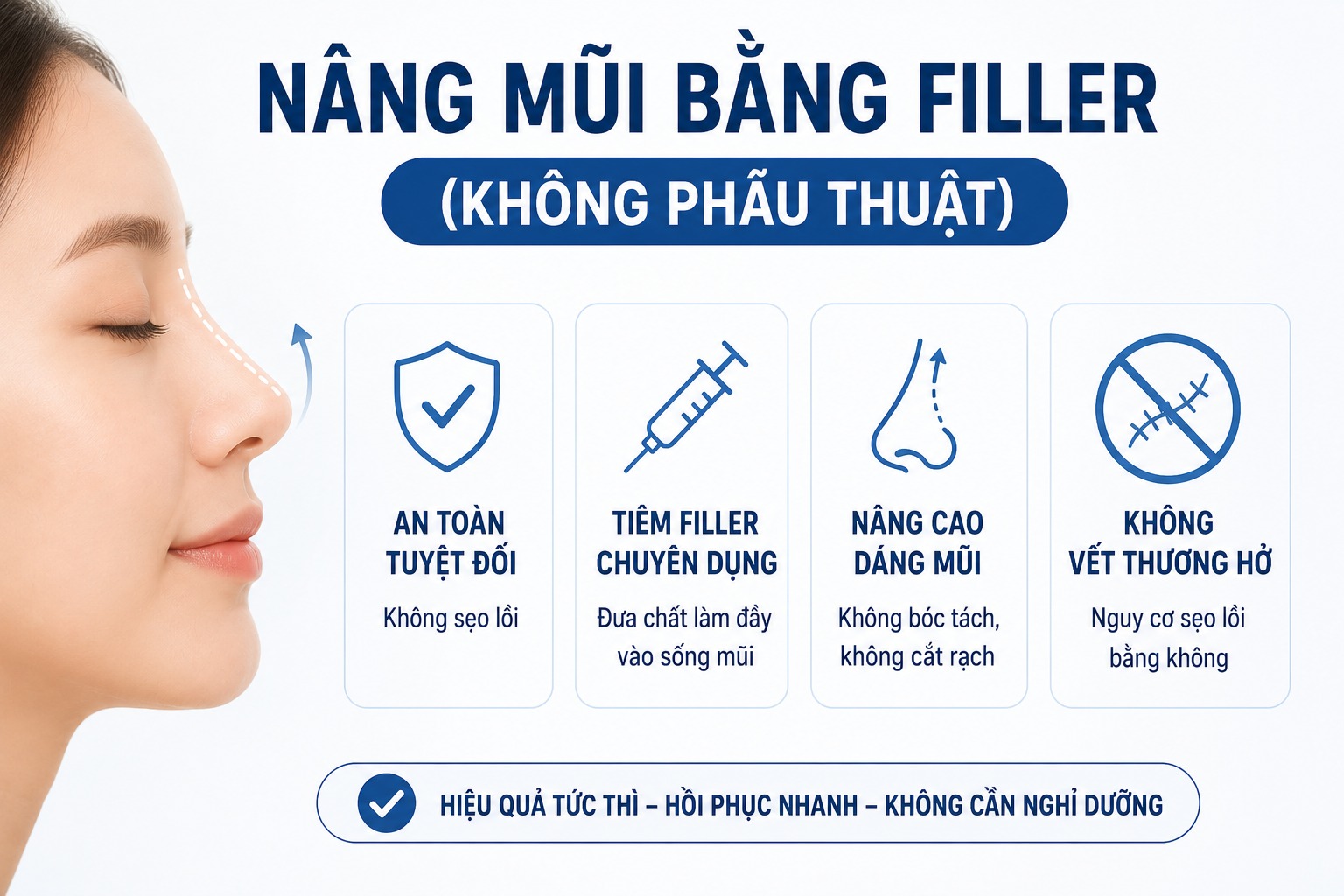
Nose Augmentation with Filler (Non-surgical)
This procedure involves injecting a dermal filler into the bridge of the nose using an ultra-fine needle. As it is entirely non-surgical and requires no incisions or tissue dissection, there is zero risk of developing hypertrophic scars.
- Advantages: Quick procedure (15–20 minutes), painless, requires no downtime, and leaves absolutely no scarring.
- Disadvantages: Short-term results (lasting only 1–2 years), inability to correct complex structural issues (such as an upturned nose, a bulbous tip, or a wide nasal bridge), and the risk of filler migration or tissue necrosis if the injection technique is incorrect.
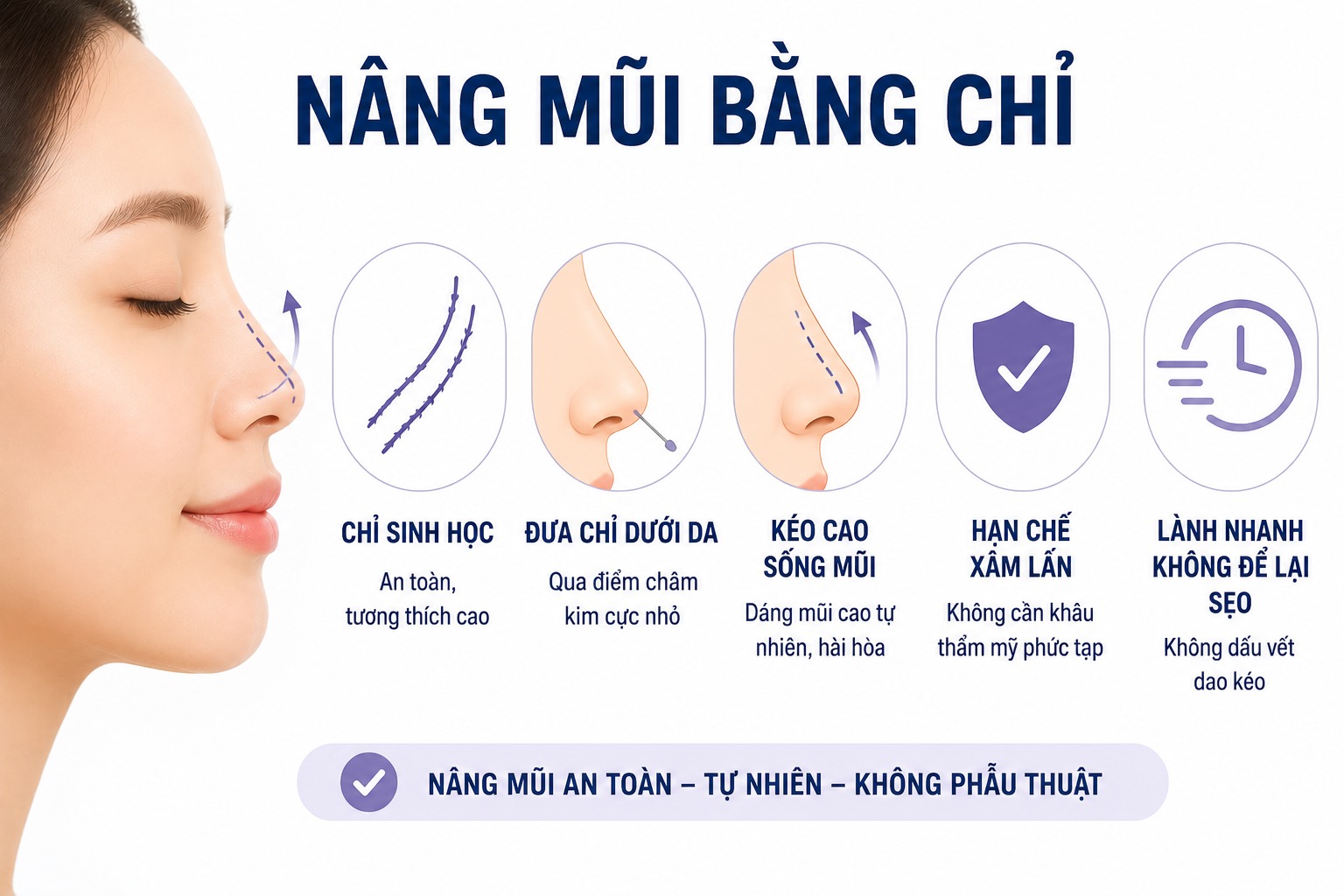
Thread-based nose augmentation
This method involves inserting bio-absorbable threads under the skin through a tiny puncture point at the nasal tip to enhance the shape of the nose, requiring no surgical dissection or cosmetic sutures.
- Advantages: Minimally invasive, quick procedure time, leaves no visible signs of surgery, and carries no risk of hypertrophic scarring.
- Disadvantages: Results are not permanent (the threads dissolve within 1–3 years); there is a risk of complications such as fibrosis or infection due to the presence of the threads; and it cannot effectively address complex nasal structural defects.
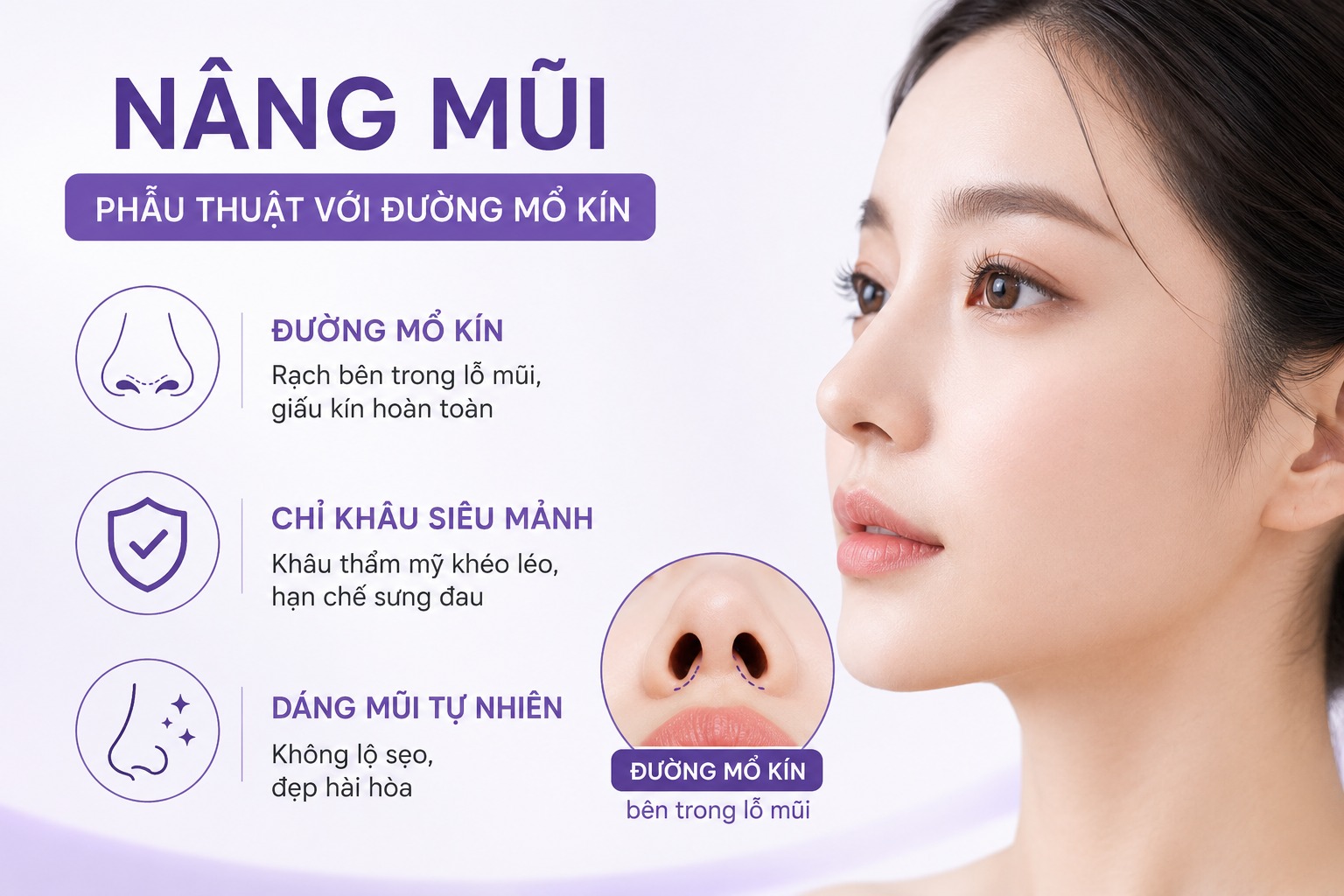
Surgical rhinoplasty with a closed approach
This is a rhinoplasty technique that reshapes the nose through incisions made entirely within the nostrils. The incisions are closed using ultra-fine microsurgical sutures, ensuring that no surgical marks are visible externally.
- Advantages: Complete concealment of scars (no risk of hypertrophic scarring on the columella or nasal alae), minimal swelling and bruising, a faster recovery period, and a greater capacity to modify the nasal structure compared to non-surgical methods like fillers or thread lifts.
- Disadvantages: The surgical approach offers limited visibility, requiring a high level of expertise from the surgeon; it is not suitable for cases involving complex, extensive defects (such as significantly reducing wide, flared nostrils or correcting severe structural deformities of the columella).
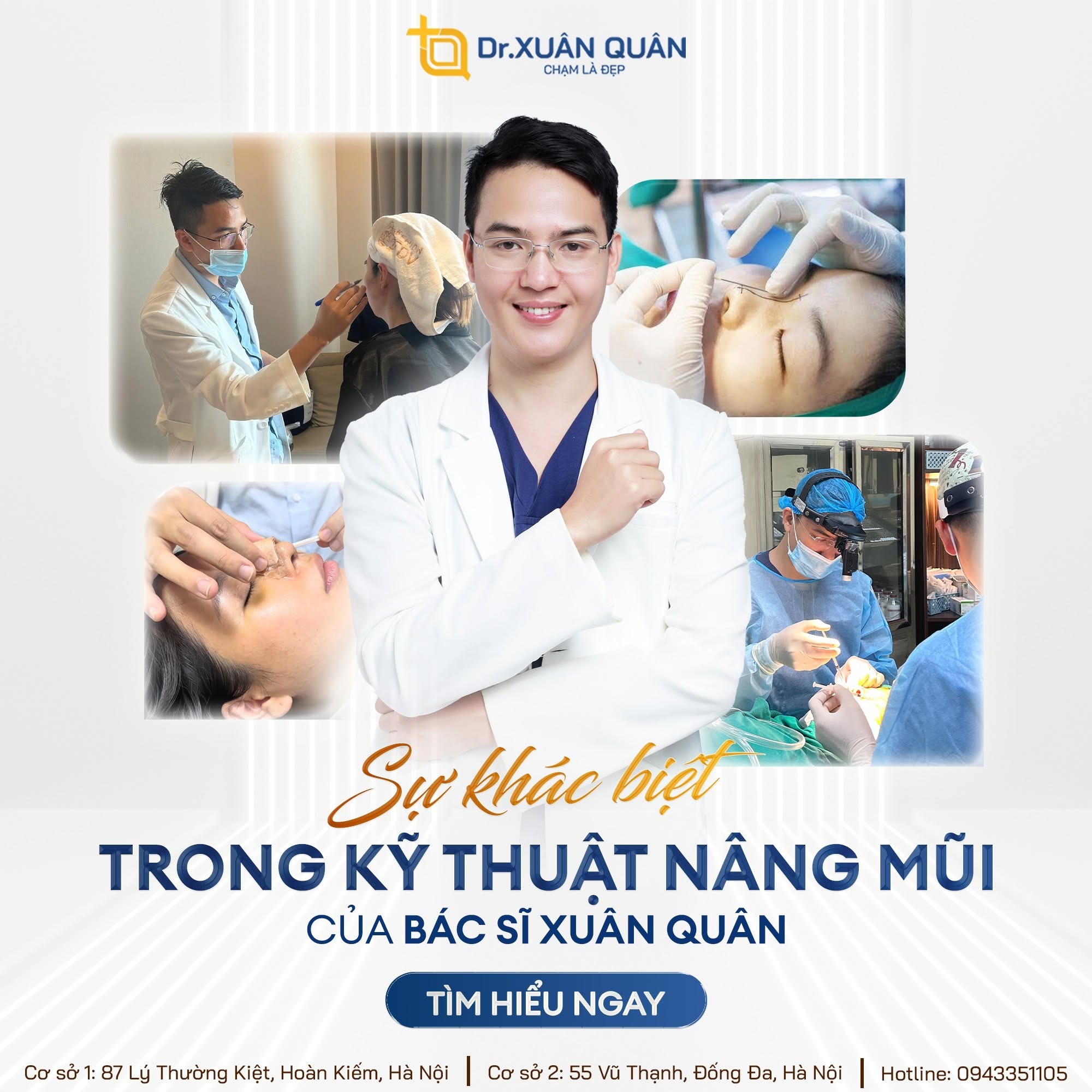
Worried about keloid scars from a nose job? Dr. Xuan Quan Aesthetic Clinic offers a safe solution for you
Does a predisposition to keloid or hypertrophic scarring make you hesitate to pursue your dream of a refined, high-bridged nose? At Dr. Xuan Quan Aesthetic Clinic, this concern is completely addressed through a rhinoplasty approach specifically tailored for sensitive skin:
- Over 10 years of microsurgical experience: Dr. Xuan Quan personally conducts consultations, assesses your skin type, and performs precise, minimally invasive dissection—accurate down to the millimeter.
- Completely hidden incisions: Utilizing an endoscopic, closed-approach technique, incisions are placed deep within the nasal cavity. We use ultra-fine microsurgical sutures to ensure the incision closes smoothly and flatly, eliminating the risk of raised, unsightly scarring.
- Proactive scar management protocol: We implement early preventive measures—including topical treatments or injections—immediately after suture removal, effectively neutralizing the risk of fibrous tissue overgrowth at the source.
- Dedicated, ongoing support & a 6-month warranty: We provide close, daily post-operative care and a 6-month warranty, ensuring your complete peace of mind.
Thousands of successful rhinoplasty reconstruction and revision procedures performed each year serve as the clearest testament to the skill and dedication of the medical team at Dr. Xuan Quan Aesthetic Clinic—delivering refined, natural-looking noses that harmonize perfectly with each individual’s facial features.
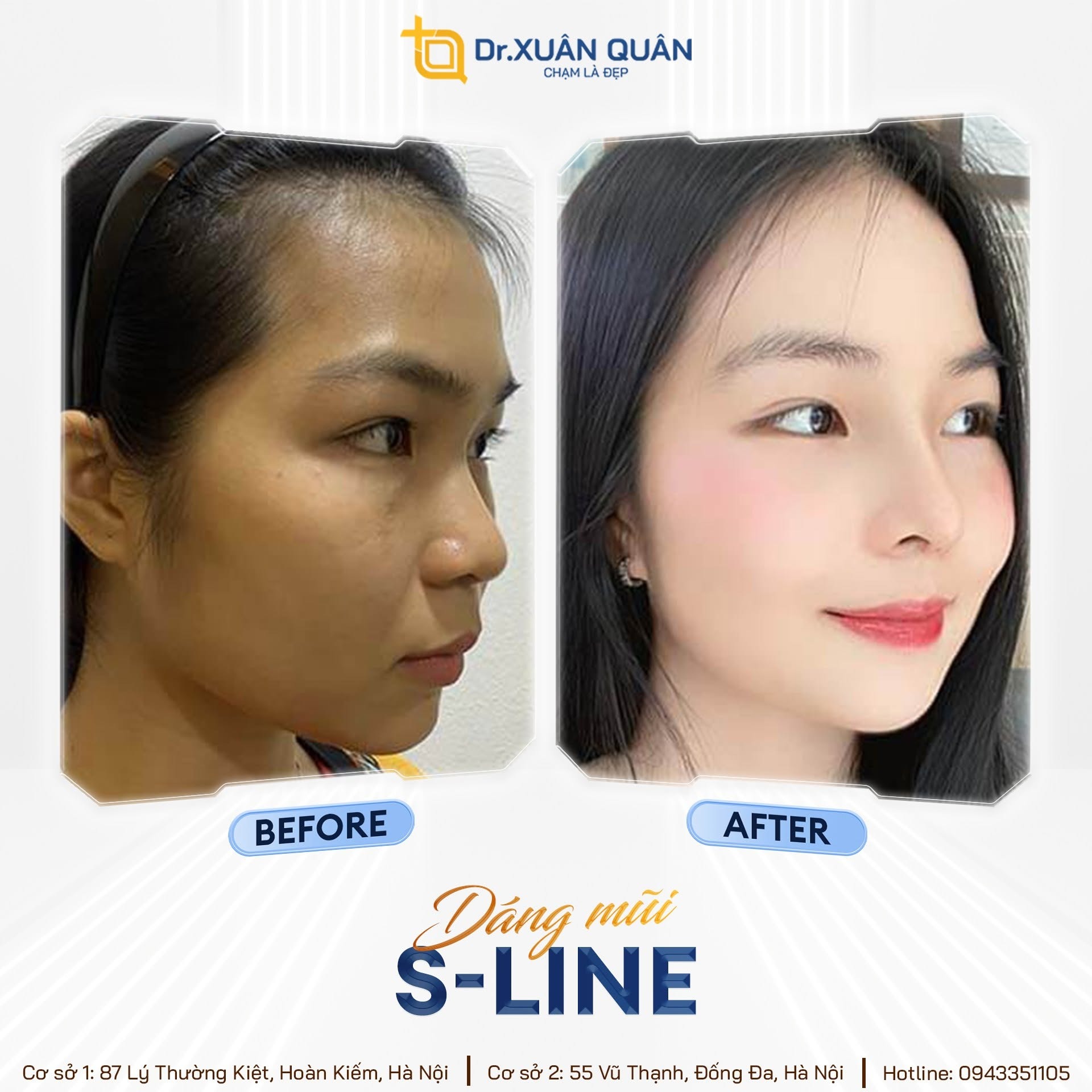
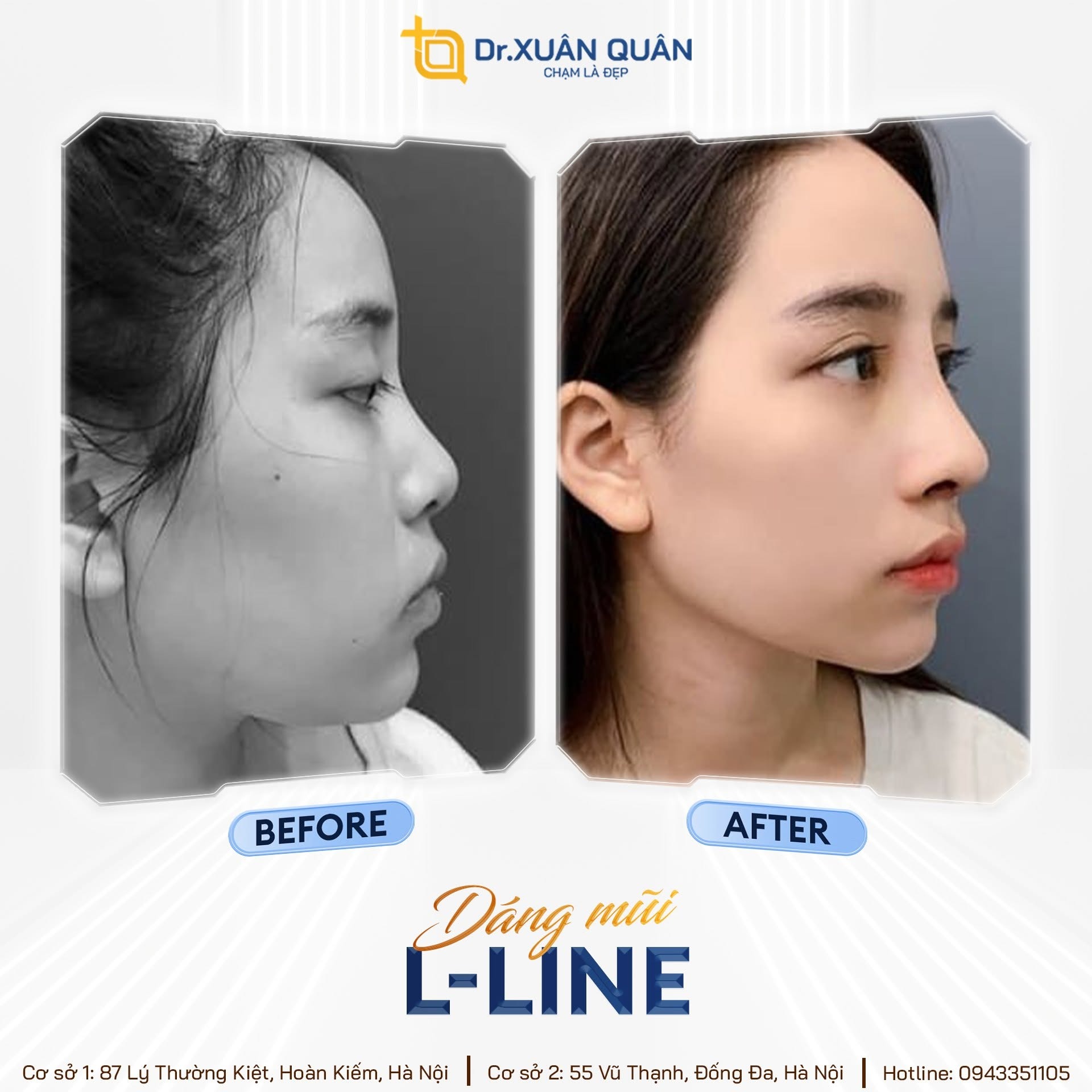
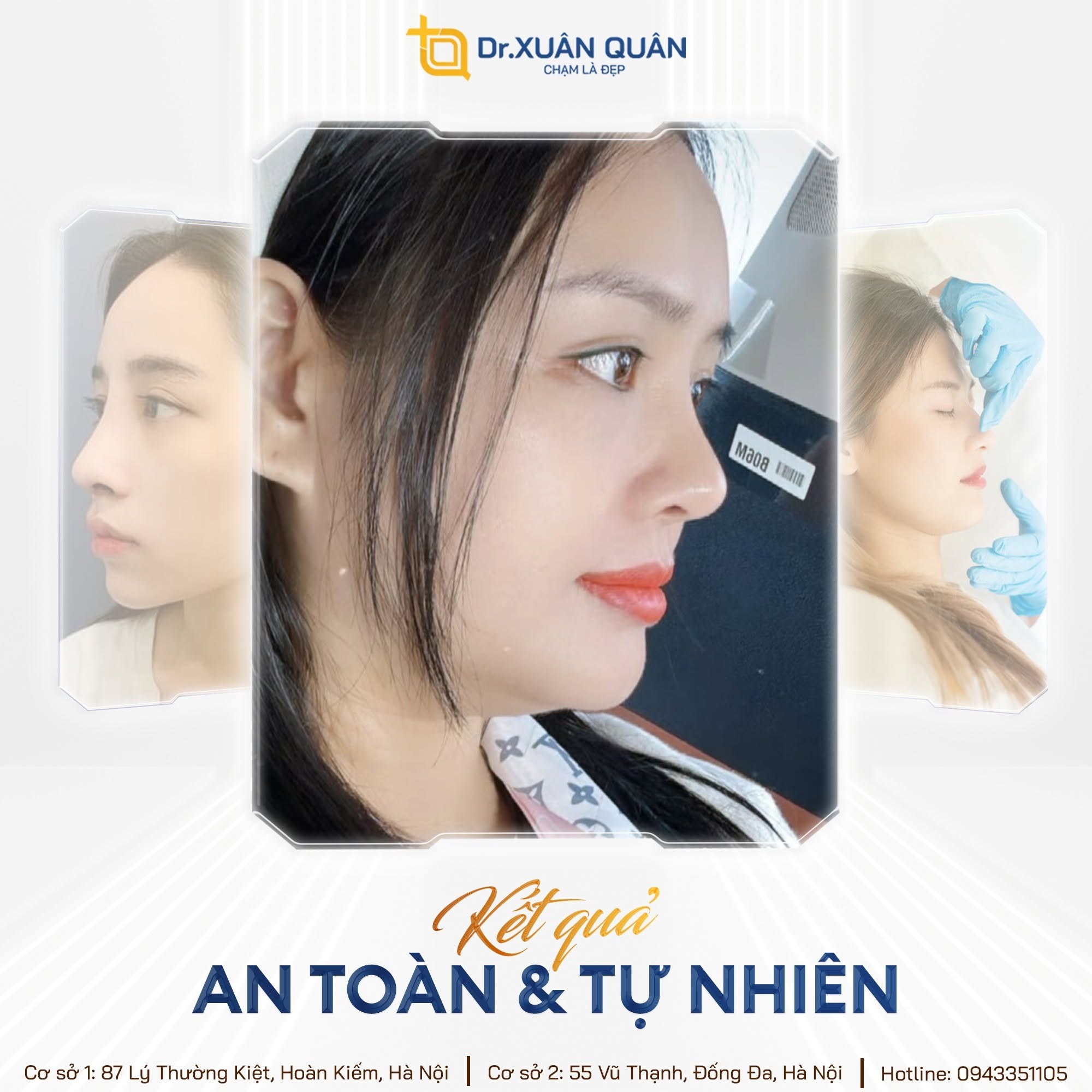
Cost of rhinoplasty at Dr. Xuan Quan Aesthetic Clinic
Depending on the specific imperfections of your nose, the chosen surgical technique, and the type of cartilage material used, you can refer to the detailed price list below to help you prepare for your aesthetic enhancement journey:
| Rhinoplasty | S-line Rhinoplasty | 1000$ |
| S-line structural rhinoplasty | 1800$ | |
| Pureform Rhinoplasty | 2000$ |
Post-operative care tips to minimize the risk of keloid scars
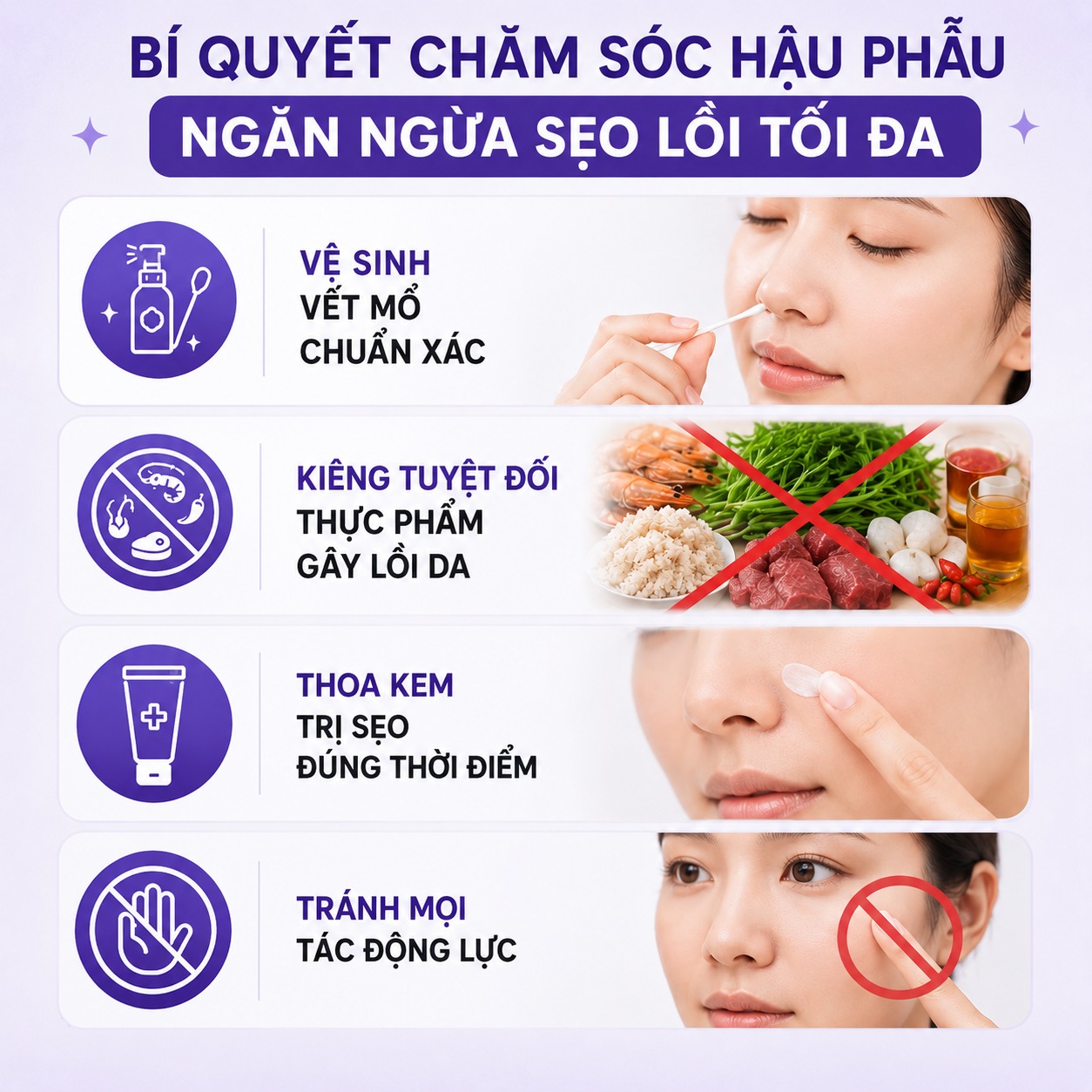
To effectively manage your body’s healing response and prevent the formation of hypertrophic scars, you must strictly adhere to the following post-operative care regimen:
- Proper wound cleaning: Gently clean the nasal area twice a day using a cotton swab moistened with sterile saline solution. Keep the wound dry to ensure the fastest possible skin healing.
- Strict dietary restrictions: Completely avoid water spinach, beef, seafood, glutinous rice-based dishes, and stimulants (such as alcohol or caffeine) for at least the first month following surgery.
- Timely application of scar-care products: Use specialized scar-prevention creams—as prescribed by your physician—immediately after the stitches are removed to inhibit the development of scar tissue.
- Avoid physical trauma: Do not touch, scratch, or rub the nasal area while the new skin is forming; this helps prevent irritation and excessive collagen proliferation.
Frequently asked questions about a predisposition to keloid scarring in the context of rhinoplasty
To ensure your complete peace of mind before embarking on your aesthetic transformation journey, here are concise, expert answers to the most common questions:
Will the ear develop a keloid scar if cartilage is harvested for a structural rhinoplasty?
It is extremely rare. The incision for cartilage harvesting is made within the fold behind the ear; combined with precise, aesthetic suturing, the resulting scar is virtually invisible.
How soon after the stitches are removed can I apply a keloid-preventing cream?
You can begin immediately after the stitches are removed. It is recommended to apply a specialized anti-scar cream—as directed by your surgeon—starting around day 7 to 10 to effectively inhibit scar tissue formation.
Do I need to take medication to prevent keloid scarring after a rhinoplasty?
Do not take any medication on your own. Your surgeon will assess your actual recovery progress and prescribe the most appropriate anti-inflammatory or anti-proliferative medication if necessary.
The information above provides a scientific perspective on whether individuals prone to keloid scarring can undergo rhinoplasty, along with post-operative care tips to minimize the risk of scarring. If you are looking for a refined, elegant nose—achieved safely and resulting in a smooth, flawless finish—contact Dr. Xuan Quan Aesthetic Clinic today for a consultation, personalized assessment, and surgery performed by an experienced specialist!